
I spent months researching HVAC replacements for my house after our old system started failing during a brutal summer. Trane and American Standard kept coming up as top contenders, and I quickly learned they share a lot more than most people realize.
In this article, I walk you through everything I discovered so you can make a smarter choice for your home. I compare their performance, costs, reliability, and real-world differences from the perspective of someone who actually went through the quotes and installation process.
By the end, you will know which one fits your needs better and why.
| Aspect | Trane | American Standard |
| Manufacturing | Same factory, same core components | Same factory, same core components |
| Pricing | Usually 5-15% higher | Generally more affordable |
| Efficiency (SEER2) | Up to 22+ | Up to 20-22+ |
| Key Tech | Climatuff compressor, Spine Fin coils | Same Climatuff and Spine Fin |
| Warranty (Registered) | 10-12 years on parts/compressor | 10 years parts, up to 12 on select |
| Brand Positioning | Premium, strong reputation for durability | Value-focused with identical performance |
| Noise Levels | Very quiet, especially XV series | Very quiet, comparable |
| Best For | Homeowners wanting top-tier perception | Practical buyers seeking same quality for less |
Key Differences Between Trane And American Standard
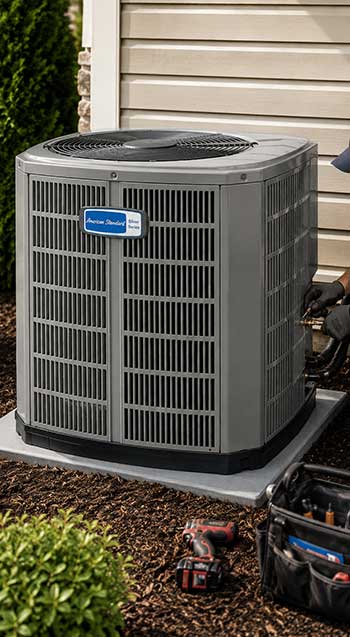
- Branding and Perception: Trane carries a premium badge that many contractors and homeowners associate with top reliability. When neighbors asked what I was installing, mentioning Trane got impressed nods, while American Standard prompted more practical conversations about value. This perception influences resale value and even how quickly you can get service in competitive markets.
- Pricing and Value: Trane often costs more due to marketing positioning. American Standard frequently saves you a few hundred to a couple thousand dollars on equivalent models without cutting corners on the hardware inside. During my quotes, this gap allowed me to upgrade to a higher efficiency tier with American Standard that would have been out of reach with Trane.
- Distribution and Service Networks: Trane has broader dealer networks in some areas, which can mean easier access to certified installers and faster parts delivery. American Standard works through overlapping but sometimes different channels, so checking local availability became a key step in my process.
- Aesthetics: Slight differences in paint color and outdoor unit design. Trane units might have a more modern, sleek look in certain lines that blends better with landscaping, but this does not affect performance at all. I personally cared more about function than curb appeal.
- Model Naming and Availability: Trane uses model numbers with unique options like certain XL or XV series that offer specific customizations. American Standard organizes into Silver, Gold, and Platinum tiers that mirror the capabilities, making it easier for some buyers to understand the progression from basic to luxury.
- Warranty Registration: Both require timely registration for full coverage, but the fine print on extended compressor warranties can vary slightly by series. I made sure to understand the exact terms before signing because missing the window means losing valuable protection.
- Marketing Focus: Trane emphasizes rugged durability in advertising, while American Standard highlights everyday reliability and smart value. This influences how contractors present the brands to you during sales calls.
- Availability of Specialized Options: Certain Trane configurations might include exclusive smart home integrations or specific airflow designs not identically matched in every American Standard lineup, though the performance gap remains small.
These small distinctions matter when you get quotes, but the hardware inside remains the real story that determines your long-term satisfaction.
Key Features of Trane Systems
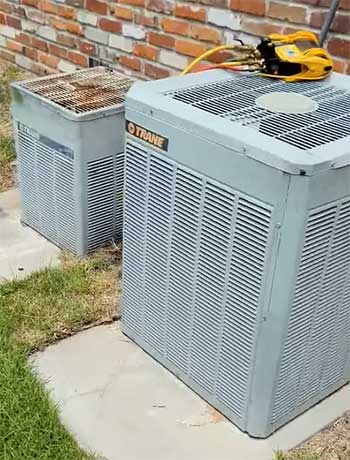
- Climatuff compressors built for durability and efficient operation even in extreme conditions like scorching heat or freezing winters. These handle heavy workloads without excessive strain.
- Spine Fin coils that resist corrosion better than traditional flat fins, especially useful near coastal areas where salt air can destroy lesser units over time.
- Variable-speed technology in higher models that adjusts output for precise temperature control and lower energy use, preventing the on-off cycling that wears out systems faster.
- Quiet operation with advanced fan designs that keep noise outside where it belongs, so you can enjoy backyard evenings without constant humming.
- Comfort-R technology that helps manage humidity during cooling cycles, reducing that sticky feeling even when temperatures feel moderate.
- Strong compatibility with smart thermostats for better system monitoring and remote control from your phone.
- High AFUE ratings on furnaces, often reaching 96-97% for excellent heating efficiency that saves on gas or propane bills.
- Robust build quality that holds up through years of temperature swings and weather exposure.
- Advanced diagnostics in premium models that alert you to potential issues before they become big repairs.
- Enhanced filtration compatibility that works well with whole-house air cleaners for families concerned about allergens.
I liked how Trane emphasizes long-term reliability in their design. When I spoke with installers, they pointed out how these features reduce wear on the system over time, potentially adding years to its service life. One tech showed me a ten-year-old unit still running strong with minimal maintenance.
Pros of Choosing Trane
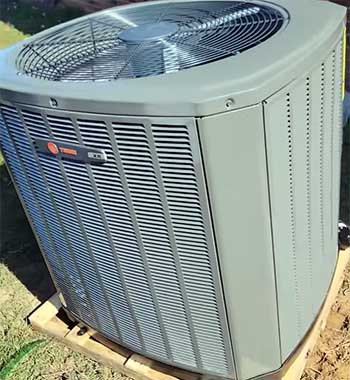
- Outstanding reputation for long-lasting performance that many technicians praise during service calls, giving you confidence that the system will perform reliably through hot summers and cold winters.
- Advanced variable-speed models deliver superior comfort and efficiency that you notice in lower bills and better air quality, with smoother operation that feels more luxurious.
- Excellent corrosion resistance thanks to Spine Fin technology, giving peace of mind in challenging environments like humid or coastal regions where other systems fail sooner.
- Strong dealer support and parts availability in most regions, which means quicker fixes when needed and less downtime during breakdowns.
- High resale value if you ever sell your home because buyers recognize the brand name and associate it with quality construction.
- Proven track record in tough climates with fewer breakdowns reported over many years of real homeowner use.
- Quiet operation that keeps your yard peaceful and neighbors happy, especially noticeable during nighttime running.
- Innovative features like precise modulating capabilities in top furnaces for truly customized comfort that adapts to your family’s schedule.
- Comprehensive training programs for dealers that often result in higher quality installations and better troubleshooting knowledge.
- Strong focus on research and development that brings incremental improvements to new models each year, keeping the technology current.
Cons of Choosing Trane
- Higher upfront cost that can stretch budgets, sometimes limiting you to fewer options or forcing you to choose a lower tier than desired.
- Perceived premium pricing sometimes does not match the minor differences in real-world use, making you question if the extra money truly buys better performance.
- Proprietary parts can cost more if repairs fall outside warranty periods, adding to long-term ownership expenses.
- Availability depends heavily on authorized dealers in your area, which might require more shopping around and waiting for appointments.
- Installation quality still determines real-world results more than the brand name alone, so a poor installer can undermine even the best equipment.
- Marketing hype can set very high expectations that not every unit meets perfectly in every home or climate.
- Slightly heavier units in some models that require careful handling during installation to avoid any damage.
- Potential for longer wait times on popular high-end configurations during peak seasons when demand spikes.
Trane felt like the safe premium pick when I wanted something that would impress visitors and last decades with minimal issues. The confidence it inspired during my research phase was real, especially when talking to longtime users.
Key Features of American Standard Systems
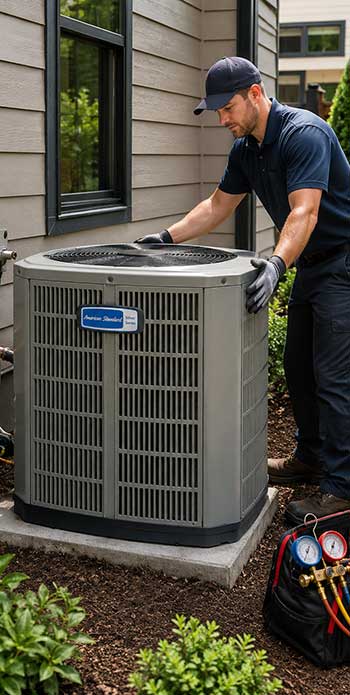
- Same Climatuff compressors and Spine Fin coils as Trane for identical core performance you can count on season after season.
- Variable-speed and two-stage options across Platinum and Gold series for consistent comfort without temperature fluctuations.
- Excellent energy efficiency ratings that translate to noticeable savings on monthly bills, especially important with rising utility costs.
- Quiet blowers and fan designs that make the system barely noticeable indoors, perfect for light sleepers or home offices.
- Reliable heat exchangers in furnaces that deliver even heating throughout the house.
- Good humidity control features built into higher-end models that keep indoor air feeling fresh and comfortable.
- Durable cabinets designed to withstand outdoor elements like rain, snow, and intense sun.
- Strong integration with air filtration options for better indoor air quality, which helped my family during allergy season.
- Modulating furnace technology in top tiers that fine-tunes heat output for maximum efficiency.
- User-friendly interfaces on thermostats that make daily operation simple for everyone in the household.
American Standard gave me the same confidence in the parts without the premium markup in many cases. The features feel practical and focused on what homeowners actually need day to day, rather than flashy extras.
Pros of Choosing American Standard
- Identical internal components to Trane at a more accessible price point that stretches your investment further and lets you afford better efficiency levels.
- Great value that delivers premium performance without the full premium cost, letting you upgrade efficiency or add-ons like improved filtration.
- Reliable efficiency ratings that lower energy bills effectively over the life of the system, providing measurable savings month after month.
- Strong warranties when registered promptly, providing solid protection against unexpected failures and offering good coverage on compressors.
- Quiet and consistent operation for everyday comfort that the whole family appreciates, with minimal disruption to daily life.
- Excellent durability in real homes according to long-term users I connected with online who shared their positive experiences after many seasons.
- Flexible tiered lineup from Silver to Platinum that fits different budgets and home sizes perfectly, making it easier to match your exact needs.
- Practical choice for homeowners focused on results over branding, delivering performance without unnecessary extras.
- Faster availability of certain models through different dealer channels, which can speed up your installation timeline.
- Balanced approach that prioritizes core reliability features most people actually use daily, without overcomplicating things.
Cons of Choosing American Standard
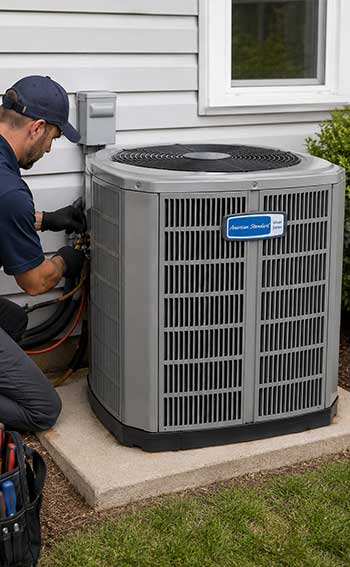
- Slightly less widespread brand recognition in some markets, which might affect resale perception for buyers who only know the bigger name.
- Dealer network can feel smaller depending on your location, requiring extra research to find highly rated installers.
- Fewer unique model variations compared to Trane’s lineup in very specific niches or highly customized applications.
- Aesthetics may appear less premium to some eyes, though this is purely cosmetic and does not impact function.
- Marketing does not push the brand as aggressively as Trane, so you hear about it less often in general conversations.
- Potential for slightly different accessory compatibility in rare cases, though most standard options work fine.
- Some contractors push Trane more due to higher margins, influencing sales conversations and making it harder to get unbiased advice.
- Limited exclusive smart features in base models compared to Trane equivalents, which might matter if you want the latest connected technology.
American Standard won me over during the quote stage because I saw the same quality hardware for noticeably less money in several bids. This allowed me to invest the savings into better ductwork and a smarter thermostat.
Which One Should You Choose?
If you want the premium name and do not mind paying extra for perception, go with Trane. If you want the same performance for better value, American Standard often wins. In my case, I leaned toward American Standard after seeing identical specs at a lower price.
Talk to local dealers, get detailed quotes, and consider your climate and home size. Think about your priorities around upfront cost versus brand recognition.
You deserve a system that keeps you comfortable without constant worry. Both options deliver that, but the right fit depends on your priorities around cost, service, and branding. Take your time with this decision because it impacts your home for many years ahead.
Also Read: Differences Between Carrier Greenspeed And Infinity Heat Pumps.
Frequently Asked Questions (FAQ)
They are essentially the same products built on the same production lines with the same key components. Differences come down to branding, slight pricing, paint, and dealer networks.
Multiply the age of your unit (in years) by the repair cost. If the result is over $5000, replacement is usually smarter than repairing.
Trane frequently ranks as one of the most trusted based on consumer surveys and long-term reliability data.
Yes, it offers excellent quality with the same durable components as Trane, making it a high-performing, reliable choice.
Final Thoughts
At the end of the day, both Trane and American Standard offer excellent, reliable HVAC systems built with the same high-quality components. You cannot go wrong with either if you choose the right model for your home and work with a reputable installer.
I ultimately picked American Standard for the better value it gave me without sacrificing performance. Take your time, get several quotes, and focus on what matters most to you — whether that is brand prestige or smart savings.
You will enjoy more consistent comfort and lower bills once the right system is in place.