
If you’re tired of breathing in chemical-laden dust every time you scoop your cat’s litter box, it’s time to make the switch to ökocat cat litter — a plant-based, biodegradable litter that’s as kind to the planet as it is to your feline’s paws.
I’ve been using it for a while now, and I’m here to give you the honest, unfiltered truth about whether it’s worth every penny.
Spoiler: for most cat parents, it absolutely is. Grab a coffee, because we’re about to get into everything you need to know before buying.
My Experience With Ökocat Cat Litter
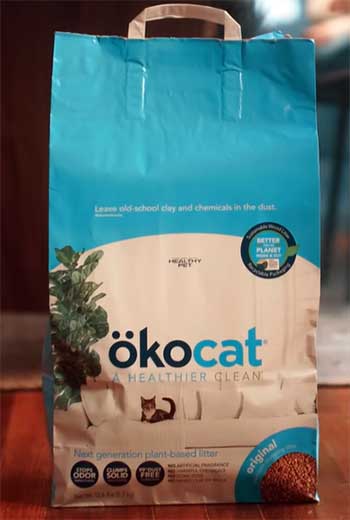
Let me set the scene. I have two cats — one who treats the litter box like a five-star spa and another who behaves like she’s trying to dig to China.
Before ökocat entered my life, I was using a standard clay-based litter, and honestly, the dust clouds were starting to feel like a personal health hazard.
My cats were sneezing, I was sneezing, and the whole apartment smelled like a synthetic lavender factory that had gone slightly wrong.
When I first opened the bag of ökocat, I immediately noticed the texture — it’s made from reclaimed wood fiber, so it looks and feels almost like small wood pellets or finely shredded paper, depending on which formula you choose. It’s light.
Noticeably lighter than clay.
My back thanked me immediately.
The first pour into the litter box gave me my second pleasant surprise: no dust cloud. I’m not exaggerating. I tilted that bag, and the litter just… settled. No dramatic plume of particulates rising to meet my face.
If you’ve ever had to hold your breath while filling a litter box, you’ll understand what a revelation this is.
Now, the real test came 24 hours later. I walked past the litter box area — which, in my apartment, is near the hallway — and I genuinely did a double take. The smell was minimal. Like, shockingly minimal.
The wood-based formula has a natural, faint pine or cedar scent depending on the variety, and it does an impressive job at neutralizing ammonia odor without trying to cover it up with a synthetic fragrance that just mixes with the smell and makes everything worse.
Clumping was solid, though I’ll be honest with you here — it’s not as tightly packed as clay clumping litter. The clumps are a bit more fragile, so if you’re a gentle scooper, you’re fine.
If you’re in a rush and tend to stab at the litter box like you’re in a cooking competition, you might break up a clump or two.
Tracking was noticeably reduced compared to clay, though not completely eliminated. My long-haired cat still manages to carry a few pieces out, but nowhere near the clay litter trail I used to vacuum up three times a week.
My cats took to it without fuss — which, if you know cats, is not guaranteed. One sniffed it skeptically for about ten seconds, then used it like it had always been there. The other didn’t even bother sniffing. Full endorsement from the feline committee.
One more thing worth mentioning: the biodegradability factor actually matters in real life. I started flushing small amounts (checking local plumbing guidelines first — and you should too), and for the rest, composting the used litter felt genuinely good.
There’s something satisfying about knowing your cat’s waste isn’t sitting in a plastic bag in a landfill for 500 years.
Also Read: Is Meowant Litter Box Any Good?
The Pros of Ökocat Cat Litter
Let’s talk about what ökocat genuinely does well, because there’s quite a bit to celebrate here.
- Outstanding Dust Control That Protects You And Your Cat
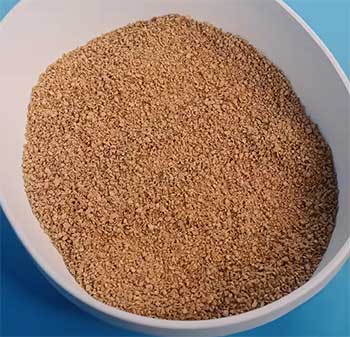
This is ökocat’s biggest win, and it’s not even close.
Traditional clay litters — especially clumping ones — contain silica dust, which has been associated with respiratory issues in both humans and cats over prolonged exposure.
Ökocat is 99% dust-free, which means your cats aren’t inhaling particulates every time they do their business, and you’re not coughing through litter box maintenance.
If you have a cat with asthma or a human in the household with allergies, this alone makes ökocat worth considering seriously.
- Genuinely Biodegradable And Environmentally Responsible
The environmental credentials here are real, not just marketing fluff. Ökocat is made from reclaimed lumber fiber — wood that would otherwise go to waste. It’s free from synthetic chemicals, artificial fragrances, GMO crops, and harmful additives.
The litter breaks down naturally, meaning your carbon pawprint (sorry, had to) is significantly smaller than with clay, which is strip-mined and never biodegrades. If sustainability matters to you, this litter aligns with those values in a substantive way.
- Impressive Natural Odor Neutralization
Rather than masking odors with overwhelming perfume, ökocat uses the natural odor-absorbing properties of wood fiber to neutralize ammonia at the source. The result is a litter box that smells genuinely fresher for longer.
You’re not trading cat smell for cheap air freshener smell, which is a trade I was never willing to make in the first place.
- Lightweight And Easy To Handle
A bag of ökocat is dramatically lighter than an equivalent volume of clay litter. If you’ve ever thrown your back out lugging a 40-pound clay litter container up a flight of stairs, you’ll immediately appreciate this. It’s also easier to pour, easier to dispose of, and easier to store.
- Safe For Kittens And Sensitive Cats
Because ökocat contains no artificial fragrances, no harsh chemicals, and no clumping agents like sodium bentonite that can be harmful if ingested, it’s considered a safer option for kittens who tend to taste-test everything in their environment.
It’s also a popular choice for cats recovering from surgery or illness, where a chemical-free environment is especially important.
- Multiple Formula Options For Different Preferences
Ökocat isn’t a one-size-fits-all situation. You can choose from clumping wood fiber, non-clumping pellets, paper-based formulas, and even a super soft formula for sensitive paws. This flexibility means you can find a version that works for your specific cat’s preferences and your own maintenance style.
Also Read: Is Neakasa Litter Box Any Good?
The Cons of Ökocat Cat Litter
No product is perfect, and ökocat has its honest limitations that you should know about before committing.
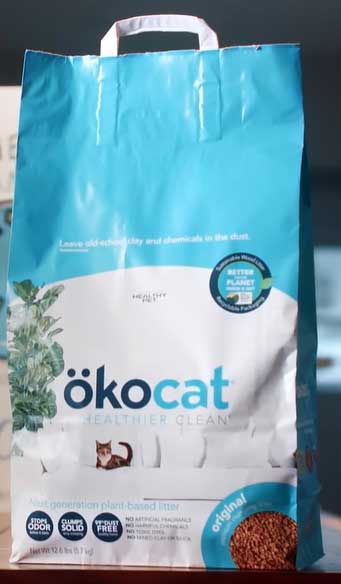
- Higher Price Point Compared To Clay Litters: This is the most common sticking point, and it’s a legitimate one. Ökocat costs more per bag than standard clay or even mid-range clumping litters. If you’re on a tight budget or have multiple cats, the cost adds up. That said, because the litter is lighter and you can often use slightly less per box change, the gap narrows somewhat in practice — but it doesn’t disappear entirely.
- Clumps Are Less Firm Than Clay: If you’ve grown accustomed to the iron-solid clumps of a clay-based litter, ökocat’s clumps will feel comparatively fragile. They hold together reasonably well, but they require a gentler touch during scooping. For some people, this is a minor inconvenience. For others, it genuinely affects their cleaning routine in an annoying way.
- Some Cats Reject The Texture: Cats are famously opinionated about litter texture, and ökocat’s wood fiber or pellet consistency is quite different from the sandy texture most cats are used to. If your cat has been using clay litter their whole life, there’s a chance they may need a transition period — or may refuse it entirely. The recommendation is to mix it gradually with their existing litter to ease the switch.
- Not Ideal For High-Volume Multi-Cat Households: In homes with three or more cats, ökocat’s odor control — while good — can get overwhelmed. You’ll need to scoop more frequently and may find yourself changing the box more often than you would with a higher-capacity clay or crystal litter. It’s manageable, but it’s worth knowing upfront.
Maintenance Tips For Getting The Most Out Of Ökocat
Using ökocat effectively is slightly different from clay litter maintenance, and these habits will make a real difference.
- Scoop At Least Once Daily: With wood-based litters, daily scooping is genuinely important. The litter’s odor-controlling capacity is at its best when you’re removing waste regularly. Letting clumps sit for two days will push the limits of what any natural litter can handle.
- Use The Right Litter Box Depth: Fill the box to about three inches deep. Ökocat works best with an adequate layer because the wood fibers need room to absorb moisture properly. Too shallow, and clumps hit the bottom of the box.
- Choose A Box With A Litter Mat: Because the pellet or fiber texture is different from clay, some pieces will track — especially with active diggers. Pairing ökocat with a good litter-catching mat right outside the box significantly reduces the cleanup you’ll need to do across your floors.
- Do A Full Box Change Every Two To Three Weeks: Even with daily scooping, a complete change every two to three weeks keeps the litter at peak performance. This frequency is pretty standard for most litters, but with ökocat, sticking to this schedule matters more because the wood fibers do degrade over time.
- Store The Unused Litter In A Dry Place: Moisture is the enemy of wood-based litter before it even hits the box. Store your bag in a dry area, and if you’ve opened it, seal it tightly between uses. Humidity can cause clumping before you’re ready for it.
- Transition Gradually If Your Cat Is Used To Clay: Mix 25% ökocat with 75% of their current litter for the first week, then shift to 50/50 the following week, and so on. This gentle introduction gives finicky cats time to accept the new texture without staging a litter box boycott.
How Ökocat Compares To Other Popular Cat Litters?
- ExquisiCat Litter
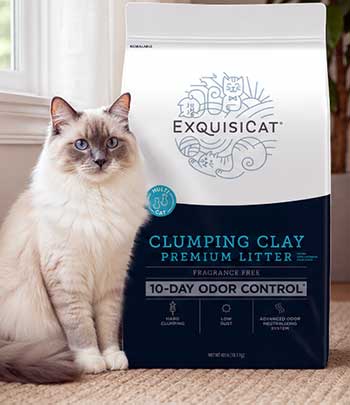
ExquisiCat is a budget-friendly, widely available option that most cat owners have encountered at PetSmart at some point.
It does the job at a low price point, and the clumping performance is reliable.
But here’s the thing — ExquisiCat leans heavily on clay and artificial fragrance to do its work.
The dust levels are noticeably higher, and the synthetic scents can be irritating for cats with respiratory sensitivities.
- Arm & Hammer Clump & Seal
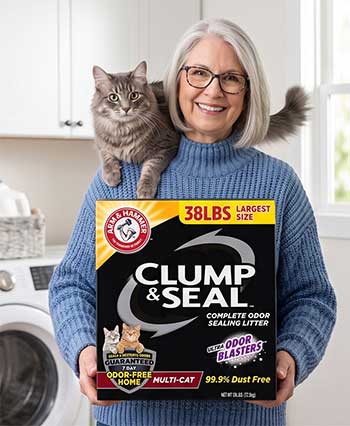
Arm & Hammer Clump & Seal is genuinely one of the better clay-based litters on the market, and it earns its reputation.
The baking soda formula does an impressive job with odor control, and the clumps are rock-solid — a satisfying scooping experience, honestly.
Where it falls short compared to ökocat is in the environmental department and the dust factor.
It’s not biodegradable, and the dust, while less than some competitors, is still present.
If you’re not particularly concerned about environmental impact and your cats have no sensitivities, Clump & Seal is a strong performer.
But if dust and sustainability are your priorities, ökocat wins.
- Feline Pine Litter
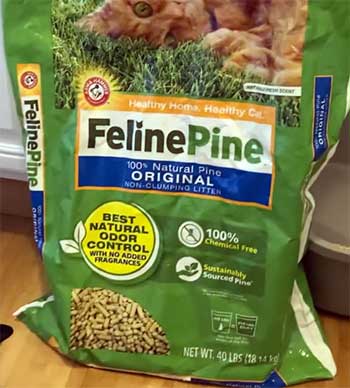
Feline Pine is probably ökocat’s closest conceptual cousin — it’s also wood-based, natural, and biodegradable.
The key difference is in how each product handles moisture.
Feline Pine’s pellets dissolve when wet, falling to the bottom of the box as sawdust, which requires a sifting litter box to separate the spent material from the fresh pellets.
It’s an effective system but requires a specific type of litter box and a different cleaning routine.
Ökocat, by contrast, works with standard litter boxes and offers a clumping formula that’s more familiar to most cat owners. Feline Pine tends to be slightly more affordable, while ökocat offers more formula variety and broader accessibility.
Frequently Asked Questions (FAQ)
Yes — it’s excellent for dust-sensitive cats and eco-conscious owners, with strong odor control and a genuinely natural formula.
Avoid litters with high silica dust, heavy artificial fragrances, or sodium bentonite clumping agents if your cat is a kitten or has respiratory sensitivities.
It varies by need, but clay-based clumping litters like Arm & Hammer Clump & Seal and natural options like ökocat consistently top recommendation lists.
Ökocat is made from reclaimed lumber fiber — primarily wood byproducts like pine, cedar, or fir, depending on the specific formula.
Final Thoughts: Should You Buy Ökocat Cat Litter?
If you want a litter that’s genuinely better for your cat’s lungs, your home’s air quality, and the planet without completely sacrificing performance, ökocat is the right call. It’s not the cheapest option on the shelf, and it’s not perfect — but what it does, it does with integrity.
Head to Amazon, Chewy, or your local pet store and grab a bag. Your cats (and your respiratory system) will thank you.