
I’ve installed, repaired, and lived with both T1-11 and LP SmartSide on various sheds, garages, and even parts of homes over the years.
If you’re trying to choose between these two popular wood-look options, I wrote this article to give you a straight-talking, experience-based breakdown.
I compare their real-world performance, costs, durability, and upkeep so you can pick the right one for your needs without regret.
| Aspect | T1-11 Siding | LP SmartSide |
| Material | Plywood or OSB with grooves | Engineered wood strands, treated core |
| Durability | Moderate, prone to moisture issues | High, resists rot, termites, impacts |
| Lifespan (typical) | 10-20 years with good care | 30+ years with maintenance |
| Maintenance | High – frequent painting needed | Lower – pre-primed, better resistance |
| Initial Cost | Lower | Higher |
| Warranty | Limited or none | Up to 50-year prorated |
| Best For | Budget sheds, short-term use | Long-term structures, harsh weather |
I’ve seen both perform in different climates, and the differences show up fast once weather hits.
Key Differences Between T1-11 And LP SmartSide
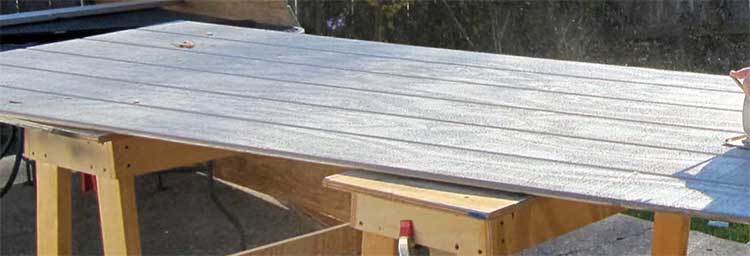
- Material Composition and Manufacturing T1-11 relies on traditional plywood veneers layered and glued together or OSB made from compressed wood strands and flakes with basic resins. This creates a product that performs adequately when new but lacks deep, consistent protection. LP SmartSide uses engineered wood strands that are individually treated with the SmartGuard process—blending advanced adhesives, water-repellent waxes, and zinc borate—then pressed and bonded with a resin-saturated overlay. The result is a material protected all the way through, not just on the surface.
- Moisture Management and Water Resistance T1-11 has exposed end grain and grooves that act like sponges, pulling in water easily and leading to swelling, delamination, and rot if seals fail. LP SmartSide incorporates built-in waxes and a protective overlay that actively repels water, combined with better edge sealing performance. This difference becomes obvious after the first few rainy seasons, where T1-11 often shows warping while SmartSide maintains flat, stable panels.
- Pest and Decay Resistance Standard T1-11 offers minimal or surface-only treatment that can wear off or fail to penetrate fully, leaving it open to termites, carpenter ants, and fungal growth. LP SmartSide’s zinc borate treatment permeates the entire core, creating long-lasting resistance that discourages insects and decay organisms from taking hold even if the surface gets scratched or cut.
- Durability Against Impacts and Weather Cycles T1-11 can dent, crack, or split under hail or repeated freeze-thaw stress because of its layered structure. LP SmartSide’s engineered composition and resins give it superior impact resistance and flexibility, helping it withstand hail up to certain sizes and handle temperature swings with less expansion and contraction, keeping your walls looking straighter for longer.
- Long-Term Appearance and Stability T1-11 frequently develops a wavy look over time as individual panels swell and shrink unevenly, with grooves highlighting imperfections. LP SmartSide resists cupping and bowing much better, maintaining crisp grooves or smooth lines and a more uniform painted finish that holds color without premature fading or peeling.
- Maintenance Requirements and Paint Performance T1-11 demands frequent repainting—often every 3-5 years—because it absorbs paint heavily and exposes fresh vulnerabilities quickly. LP SmartSide comes pre-primed with a high-quality base that allows paint to adhere better and last longer, reducing the frequency and effort needed to keep the siding looking fresh.
- Warranty Coverage and Manufacturer Confidence T1-11 typically comes with very limited or no comprehensive warranty against performance issues. LP SmartSide offers a strong prorated warranty, often up to 50 years on the substrate and 25 years on the finish, reflecting greater confidence in how the product holds up under real conditions.
- Overall Cost of Ownership T1-11 wins on initial purchase price but often costs more over 20-30 years due to repairs, repainting labor, and earlier replacement. LP SmartSide requires a larger upfront investment but typically delivers lower lifetime costs through reduced maintenance, fewer repairs, and extended service life.
- Installation Nuances and Best Use Cases Both go up similarly with standard tools, but T1-11 forgives minor installation shortcuts better in the short term while punishing them later. LP SmartSide rewards precise detailing—like proper gaps, flashing, and caulking—with exceptional long-term results, making it ideal for quality-focused projects. T1-11 suits temporary structures or tight budgets; SmartSide excels for primary buildings, homes, or anything meant to last.
- Climate and Environmental Suitability T1-11 struggles in wet, humid, or coastal areas where moisture cycles accelerate failure. LP SmartSide handles a broader range of climates effectively, from rainy Pacific Northwest winters to hail-prone Midwest summers, giving you more versatility regardless of where you build.
These differences compound over years of exposure and become very apparent in side-by-side installations. The choice often comes down to whether you value short-term savings or long-term performance and reliability.
Understanding T1-11 Siding
T1-11 has been around for decades and remains a go-to for many builders because of its simplicity and price. It comes in large 4×8 panels with those signature vertical grooves that mimic board-and-batten style.
You can find it in plywood versions, which feel more solid, or cheaper OSB versions made from wood strands and flakes pressed together.
I like how straightforward it feels when you’re working with it. The panels go up quickly, cover a lot of wall fast, and give an instant rustic look that many people love for sheds or workshops.
Also Read: Differences Between CraneBoard Siding And Hardie Board.
Key Features of T1-11
- Large panel sizes for fast installation
- Grooved texture for classic wood appearance
- Structural sheathing capability in some grades
- Available in different thicknesses, commonly 5/8 inch
- Natural wood grain that accepts paint or stain well initially
It’s the kind of material you reach for when you want something that looks traditional without spending a fortune or dealing with individual boards.
Pros of T1-11 Siding
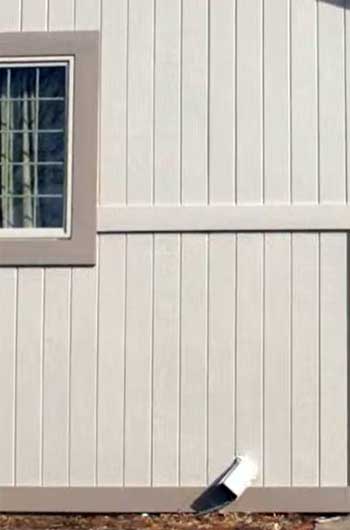
- Affordability This stands out as the biggest win. You save significantly upfront compared to engineered options. For large outbuildings or multiple projects, the lower material cost lets you stretch your budget further without compromising on basic coverage. Many weekend builders and small contractors rely on this price point to complete jobs profitably.
- Ease of Installation The big panels mean fewer seams and quicker work. I’ve put these up solo on small projects in a weekend. They handle standard framing well, cut cleanly with a circular saw, and require minimal specialized skills, making them approachable even if you tackle the job yourself.
- Readily Available You find it at most lumber yards and big box stores without special ordering. No waiting for shipments means your project timeline stays on track, which is huge when weather windows are short.
- Initial Aesthetic Appeal Freshly installed and painted, it looks sharp and gives that authentic wood siding vibe many homeowners want. The grooves create nice shadow lines that enhance curb appeal right away on sheds, workshops, or rural-style buildings.
- Structural Strength Good plywood versions add shear strength to walls, useful in certain builds. This can contribute to overall stability in simpler structures where you need the siding to help brace the frame.
- Workability Cuts easily with standard tools, and you can trim or adjust on the fly. You don’t need fancy blades or equipment, which keeps things simple and cost-effective on the job site.
These advantages make T1-11 a practical choice when you prioritize cost and speed over longevity.
Cons of T1-11 Siding
- Moisture Vulnerability Edges and grooves soak up water if not sealed perfectly. I’ve watched panels swell, warp, and delaminate after heavy rains or poor flashing. Once water gets behind the surface, it becomes very difficult to stop the damage cycle.
- Frequent Maintenance You need to paint or stain every few years. Skip it, and problems accelerate fast. The porous nature means paint soaks in heavily on the first coat, requiring more product and labor over time.
- Rot and Decay Risk Especially in humid or rainy areas, rot sets in at the bottom or around fasteners. I’ve cut out entire sections on older sheds where the lower edges turned soft and crumbly within a decade.
- Insect Susceptibility Termites and other pests can cause issues since treatment doesn’t always penetrate fully. In certain regions, this becomes a hidden problem that shows up years later as weakened panels.
- Shorter Overall Lifespan Even with care, many installations look tired after 10-15 years. The constant expansion and contraction from weather cycles take their toll on the glue lines and surface.
- Edge Swelling Grooves and cut edges become weak points where water enters and causes bubbling or separation. This often leads to wavy walls that are noticeable and frustrating to fix.
I’ve replaced sections on older buildings where these issues turned minor annoyances into major repairs.
Also Read: My Experience With Continental Siding.
Understanding LP SmartSide
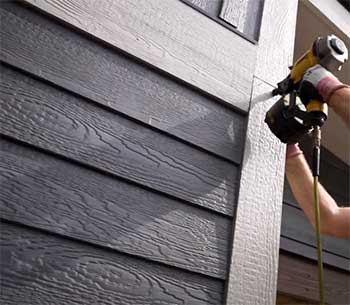
LP SmartSide changes the game with engineered wood technology.
Louisiana-Pacific treats every wood strand with their SmartGuard process using resins, waxes, and zinc borate before pressing it into panels or lap siding.
It comes pre-primed with a protective overlay, giving it that wood look while fighting off common failures.
I appreciate how it feels more refined when you handle it. The panels resist splitting and hold fasteners better than basic plywood in many cases.
Key Features of LP SmartSide
- SmartGuard treatment throughout the entire material for rot and termite resistance
- Pre-primed surface ready for paint
- Water-resistant overlay and waxes
- Available in panels and lap siding styles
- Impact resistance against hail and dents
- Smooth or cedar texture options
- Clean interior finish on panels for sheds
- Wide range of color choices when prefinished
This material targets builders and homeowners who want wood aesthetics without constant battles against nature.
Pros of LP SmartSide
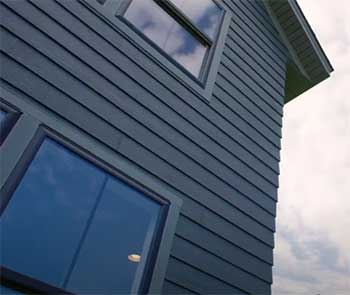
- Superior Durability The core treatment makes it stand up to moisture, fungi, and insects far better. I’ve seen installations stay straight and solid where T1-11 would have failed. The uniform treatment throughout each strand creates consistent performance no matter where you cut or expose the material.
- Longer Lifespan You often get 30 years or more with reasonable care, and the warranty backs a lot of that confidence. This extended service life reduces the frequency of full replacements and keeps your structure looking newer longer.
- Lower Maintenance Pre-primed and more resistant, it doesn’t need repainting as often. Paint jobs last longer too because the surface accepts and holds finish better without excessive absorption.
- Impact and Weather Resistance It handles hail, wind, and temperature swings without cracking or warping as easily. This makes it especially valuable in areas with storms, freeze-thaw cycles, or variable conditions.
- Termite and Decay Protection Zinc borate treatment works throughout, not just on the surface. This built-in defense provides ongoing protection that surface treatments on traditional plywood simply cannot match.
- Better Warranty Up to 50-year prorated coverage gives real protection. Knowing the manufacturer stands behind the product adds significant peace of mind when investing in a building.
- Attractive Finish Options Looks like premium wood and holds paint exceptionally well. The cedar texture or smooth brushed options give you flexibility to match different architectural styles.
- Structural Reliability Less prone to swelling, so walls stay flatter longer. This keeps the overall appearance clean and professional while maintaining the building’s integrity over decades.
These strengths make it worth the extra investment for structures you plan to keep for decades.
Cons of LP SmartSide
- Higher Upfront Cost You pay more per square foot, which adds up on large projects. While the long-term savings often offset this, it can stretch initial budgets tighter for some buyers.
- Still Requires Some Maintenance While better than T1-11, you should repaint every 5-10 years or as needed for best results. Neglecting this can still shorten its impressive lifespan.
- Installation Care Needed Proper spacing, caulking, and keeping it off the ground matter for the warranty and performance. Cutting corners here leads to avoidable problems.
- Weight and Handling Engineered panels can feel a bit different to work with compared to basic plywood. They may require an extra set of hands on larger sheets.
- Potential for Issues if Misinstalled Cutting through the protective layers without resealing can invite problems. Following exact guidelines is more critical than with simpler materials.
- Flammability Like most wood products, it burns more readily than fiber cement or metal. In high-fire-risk areas, this factor deserves extra consideration with additional protections.
I always emphasize following manufacturer guidelines closely to get the full benefits.
Also Read: My Experience With Alside Ascend Siding.
Frequently Asked Questions (FAQ)
It absorbs moisture easily, leading to warping, rot, and delamination. It demands regular painting and doesn’t hold up as well in wet climates without meticulous installation and upkeep.
It costs more initially and still needs periodic painting. Poor installation can lead to moisture issues, though far less commonly than with T1-11.
With proper installation and regular maintenance, it can last 15-20 years or more in good conditions. In harsh weather or with skipped painting, you might see serious issues in under 10 years.
It works well for budget-conscious, temporary, or low-exposure projects where you accept higher maintenance. For long-term durability and peace of mind, many people move on to better options after one bad experience.
Final Thoughts
After comparing these two options across many projects, I believe LP SmartSide offers better value for most people who want a set-it-and-forget-it solution that keeps looking good.
You invest more at the start but enjoy stronger performance, fewer repairs, and greater confidence in the result. T1-11 still has its place for tight budgets or short-term needs, and I respect that practicality.
You now have the details to choose confidently. Consider your priorities—cost, longevity, maintenance—and pick accordingly. Either way, proper installation makes the biggest difference. I hope this helps you build something you’ll enjoy for years to come.