
If you’re thinking about upgrading your home’s exterior, Rhino Shield is one of those products you’ll keep seeing pop up—and for good reason.
I’ve spent a lot of time researching and experiencing it firsthand, and I can tell you this: it’s not your average paint job.
If you’re wondering where to buy it, your best bet is through authorized dealers or certified installers, since it’s typically not sold off the shelf like standard paint.
My Experience With Rhino Shield
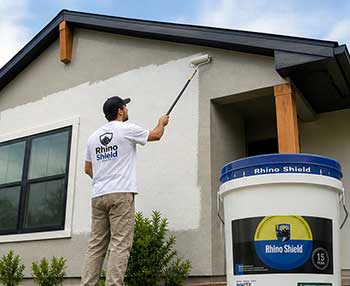
When I first heard about Rhino Shield, I’ll admit I was skeptical.
A “ceramic coating” that lasts decades instead of a few years?
It sounded more like marketing than reality.
But after dealing with peeling paint, constant touch-ups, and rising maintenance costs on my home, I decided to give it a serious look—and eventually, I went for it.
From the start, the process felt different. This wasn’t a quick weekend paint job. The preparation alone was intense. The crew pressure-washed every inch of my exterior, repaired damaged areas, sealed cracks, and made sure the surface was completely ready.
It took longer than I expected, but looking back, I understand why. The longevity of Rhino Shield depends heavily on that prep work.
Once the coating was applied, I immediately noticed the thickness. It didn’t look like traditional paint—it had a more solid, almost protective-shell appearance. Over time, what stood out most wasn’t just the look, but the performance.
Rain didn’t seem to affect it, dirt didn’t cling the same way, and temperature changes didn’t cause the usual expansion cracks I was used to seeing.
Months turned into years, and I realized something surprising: I wasn’t thinking about repainting anymore. That alone felt like a win. You know how exterior maintenance always sits in the back of your mind?
With Rhino Shield, that constant worry faded.
What really convinced me was how it handled weather extremes. From intense sun exposure to heavy storms, the coating held up without fading or chipping. And if you’re like me—someone who doesn’t want to keep investing time and money into repainting every few years—that reliability matters.
Still, it’s not perfect, and I’ll get into that. But from a real-user standpoint, the experience felt less like buying paint and more like investing in a long-term solution.
Also Read: Is Wagner Flexio 3500 Worth It?
Understanding Rhino Shield: What Makes It Different
Rhino Shield isn’t just paint—it’s a ceramic-based coating designed to outperform traditional exterior paints. While standard paint sits on the surface, Rhino Shield forms a thicker, more durable layer that bonds tightly to your home.
The key difference lies in elasticity and durability. Regular paint can crack when your home expands and contracts due to weather changes. Rhino Shield, on the other hand, is built to flex with those movements, which helps prevent cracking and peeling over time.
Another factor is longevity. Traditional paint might last 5–10 years, depending on conditions. Rhino Shield is marketed as a 25-year solution. That’s a big claim, and while results can vary, my experience suggests it does hold up significantly longer than standard options.
Pros of Rhino Shield Paint
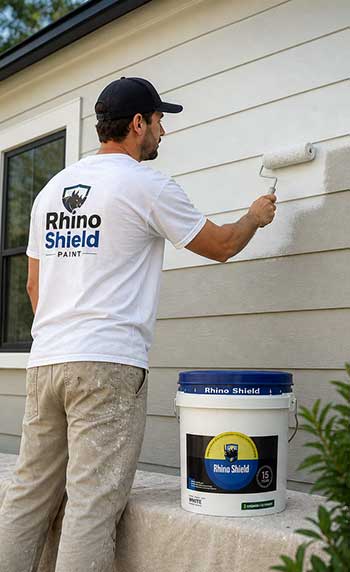
- LONG-LASTING PERFORMANCE THAT REDUCES REPAINTING STRESS: The biggest benefit is longevity. Regular exterior paint can start fading, cracking, or peeling after a few seasons, especially in harsh weather. Rhino Shield is designed to last much longer, so you’re not constantly planning another repainting project. For me, that’s a huge quality-of-life benefit because home maintenance already comes with enough surprise expenses.
- STRONG WEATHER PROTECTION FOR DIFFERENT CLIMATES: Rhino Shield performs well against rain, sun, humidity, wind, and temperature changes. The coating creates a durable barrier that helps protect siding from everyday exposure. If your home gets blasted by afternoon sun or heavy storms, this added layer can make a noticeable difference.
- FLEXIBLE FINISH THAT HELPS PREVENT CRACKING: Unlike standard paint, Rhino Shield has flexibility built into it. That matters because homes naturally expand and contract as temperatures change. A rigid paint layer can crack under that movement, while a flexible coating has a better chance of staying intact.
- LOW MAINTENANCE APPEAL FOR BUSY HOMEOWNERS: You still need to clean and inspect it, but the maintenance burden is much lighter than traditional paint. You’re not chasing peeling spots every year or worrying about whether the color is fading too quickly. A gentle wash can usually keep it looking fresh.
- BETTER LONG-TERM VALUE IF YOU PLAN TO STAY: The upfront price can sting, but the long-term math may work in your favor. If you plan to stay in your home for many years, avoiding multiple repainting cycles can make Rhino Shield feel more practical than it first appears.
Also Read: Is Rethunk Junk Paint Worth It?
Cons of Rhino Shield Paint
- HIGH UPFRONT COST CAN BE HARD TO JUSTIFY: Rhino Shield costs more than regular paint, and that’s usually the first drawback people notice. You’re paying for specialized materials, prep work, and professional installation. If your budget is tight, the price may feel like a wall rather than a speed bump.
- NOT A TRUE DIY-FRIENDLY PRODUCT: If you enjoy handling your own home projects, Rhino Shield may frustrate you. It’s generally applied by trained installers, not sold like regular paint at a hardware store. That professional process helps quality control, but it also removes the DIY savings option.
- RESULTS DEPEND HEAVILY ON INSTALLATION QUALITY: The product itself matters, but the installer matters just as much. Poor prep, rushed repairs, thin application, or careless spraying can all affect performance. I’d spend real time checking reviews of the local installer before signing anything.
- MAY BE OVERKILL FOR SHORT-TERM HOMEOWNERS: If you plan to sell soon, you may not personally enjoy the full long-term value. Rhino Shield makes more sense when you’re thinking in decades, not months.
- LIMITED COLOR OR FINISH Flexibility Compared With Regular Paint: Traditional paint gives you endless color options and easy future changes. Rhino Shield is more permanent by design, so you’ll want to be confident in your color choice before application.
Comparison of Rhino Shield Paint With Other Brands
- Rhino Shield Vs Traditional Exterior Paint
Traditional paint is cheaper upfront and widely available, but it requires frequent maintenance. Rhino Shield, in contrast, focuses on longevity and durability. If you’re tired of repainting every few years, Rhino Shield offers a more permanent solution.
- Rhino Shield Vs Behr Premium Paint
Behr is a popular choice for homeowners who want a balance between cost and quality. It performs well, but it still behaves like standard paint. Rhino Shield goes beyond that with its ceramic composition, offering stronger resistance to cracking and weather damage.
- Rhino Shield Vs Sherwin-Williams Exterior Coatings
Sherwin-Williams produces high-quality paints that can last longer than budget brands. However, they still don’t match the lifespan or thickness of Rhino Shield. If you’re comparing durability alone, Rhino Shield tends to come out ahead.
- Rhino Shield Vs Elastomeric Paints
Elastomeric paints are closer to Rhino Shield in terms of flexibility. They expand and contract with surfaces, which helps prevent cracking. However, Rhino Shield typically offers better longevity and a more robust finish.
Is Rhino Shield Worth It?
From where I stand, it depends on your goals. If you want a low-maintenance, long-term solution and you’re willing to invest upfront, Rhino Shield makes a lot of sense. But if you’re looking for a quick, budget-friendly refresh, traditional paint might still be the better option.
For me, the biggest value came from peace of mind. I’m not constantly worrying about repainting or dealing with peeling surfaces. That alone made the investment feel worthwhile.
Step-By-Step Rhino Shield Application Process
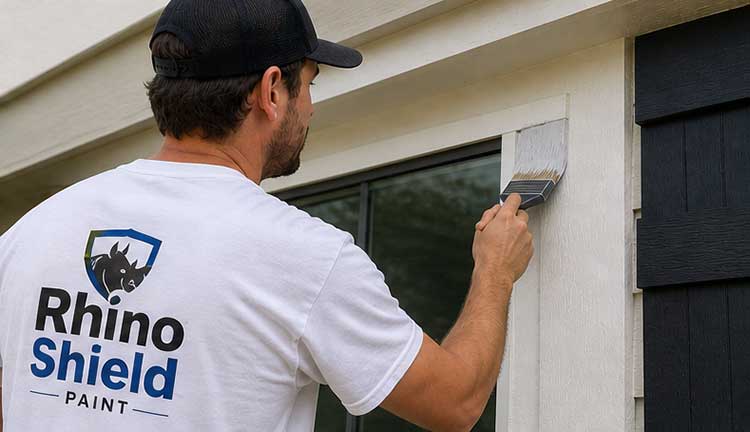
- Home Inspection And Estimate: The process usually starts with a professional inspection. I’d expect the installer to walk around the home, check the siding, trim, cracks, peeling areas, moisture spots, and previous paint condition. This is where they decide how much prep work your house needs and give you a project estimate.
- Surface Cleaning: Next, the exterior gets thoroughly cleaned, usually with pressure washing. This removes dirt, mildew, chalky paint residue, and loose debris. I see this as one of the most important steps because even the best coating won’t perform well on a dirty surface.
- Scraping And Sanding Loose Paint: After cleaning, loose or peeling paint is scraped away. Rough edges may be sanded so the surface feels more even. This helps Rhino Shield bond properly instead of sitting over weak old paint that could fail later.
- Repairs And Caulking: Damaged wood, cracks, gaps, and problem areas are repaired before coating begins. The crew may use elastomeric caulk around windows, doors, joints, and trim. I like this step because it helps seal the home before the protective finish goes on.
- Primer Application: A bonding primer is applied to prepare the surface. This helps the ceramic coating grip better and gives the final layer a stronger foundation. Skipping or rushing primer can affect long-term results.
- Rhino Shield Ceramic Coating Application: Once the primer is ready, the Rhino Shield coating is sprayed or rolled onto the exterior. It goes on thicker than regular paint, which is part of why it feels more protective. This is where the home starts to show that clean, finished look.
- Final Inspection And Touch-Ups: After the coating dries, the crew checks the finish for consistency, coverage, and missed spots. Any touch-ups are handled before the job is wrapped up. I’d always walk the property with the installer at this stage.
Also Read: Is Hemway Glitter Paint Additive Worth It?
Frequently Asked Questions (FAQ)
It’s typically installed by certified professionals, so DIY options are very limited.
Costs vary, but it’s generally higher than traditional paint due to materials and professional installation.
Elastomeric coatings are the closest in terms of flexibility and durability.
It can be, especially for long-term durability and reduced maintenance.
Final Thoughts
Rhino Shield isn’t just another paint—it’s a long-term investment in your home’s protection and appearance. If you’re serious about reducing maintenance and avoiding frequent repainting, it’s worth considering.
You can typically purchase it through authorized dealers or professional installers, which ensures proper application and long-lasting results.