
I’ve spent weeks comparing skylights and sun tunnels while planning better natural light for my home office and hallway. The choice kept coming up because both promise brighter rooms, yet they work in completely different ways.
After talking with installers, measuring my roof, and looking at long-term performance, I put together this side-by-side breakdown so you can see which option actually fits your space, budget, and lifestyle without the usual sales talk.
| Feature | Skylight | Sun Tunnel |
| Roof Opening Size | Large (often 2×2 ft or bigger) | Small (10–14 inches diameter) |
| Installation Invasiveness | High – structural framing changes needed | Low – minimal roof cut and flexible tube |
| Light Type | Direct sunlight with possible outdoor views | Bright, diffused light through reflective tube |
| Heat Transfer | Noticeable gain in summer, loss in winter | Very little heat movement |
| Cost Range (installed) | $1,500–$4,000+ per unit | $500–$1,500 per unit |
| Best Room Types | Living rooms, kitchens wanting sky views | Hallways, bathrooms, closets, interior rooms |
| Maintenance Level | Higher – glass cleaning, seal checks | Lower – occasional diffuser wipe |
| Aesthetic Impact | Visible glass panel on ceiling | Flush or slightly raised ceiling diffuser |
| Airflow Option | Available with operable models | Almost never |
| Longevity Concerns | Seal failures, condensation risk | Reflective surface wear over decades |
Key Differences Between Skylight And Sun Tunnel
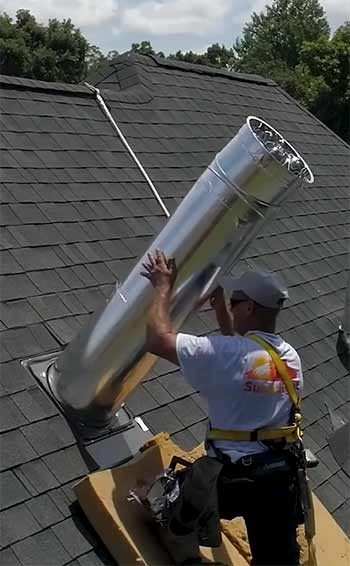
- Opening Size and Structural Impact A traditional skylight needs a sizable hole cut into the roof deck and often requires new framing or reinforcement of the rafters so the glass unit sits securely. I watched installers measure twice and still remove a noticeable section of sheathing when they put one in a neighbor’s kitchen. That larger opening means more potential for water intrusion if the flashing is not perfect. A sun tunnel, by contrast, uses a small circular cut just big enough for the tube. The roof structure stays mostly intact, which made the process feel far less disruptive when I had one added above my hallway. The difference in how much of the roof is altered is one of the first things that jumped out at me during research.
- Light Delivery Method Skylights let sunlight pour straight through glass, giving you actual sky views and strong directional beams that move across the floor as the day progresses. That direct path can feel dramatic, almost like adding another window. Sun tunnels gather light at the roof dome, bounce it down a highly reflective tube, and spread it through a ceiling diffuser. The result is softer, more even illumination without the sharp shadows or glare I sometimes noticed under a full skylight. In rooms where I just wanted brightness rather than a view, the tunnel approach worked better.
- Thermal Performance Because a skylight is essentially a glass panel in the roof, it transfers heat in both directions. On hot summer days the room under mine warmed faster than the rest of the house; in winter the same unit cooled the space and raised my heating bill. Sun tunnels move very little heat because the tube is insulated and the light is reflected rather than transmitted through large glass. That single difference changed how I thought about energy costs over a full year of use.
- Visual Presence Inside the Room A skylight becomes a design feature. You see the glass, the frame, and sometimes the sky itself. Some people love that architectural statement. A sun tunnel ends in a white or clear diffuser that looks more like a light fixture. Once the installers finished, most visitors never realized a tube was bringing daylight into my hallway. If you want the room to feel open to the outdoors, the skylight wins. If you prefer the light without the visual hardware, the tunnel is quieter.
- Flexibility of Placement Skylights usually need a clear run from roof to ceiling with no major obstacles. Sun tunnels can bend around pipes, wires, and attic bracing with flexible or rigid tubing. That flexibility let me place light in a closet that had no direct roof access. The ability to snake the tube around existing structure is a practical edge I kept coming back to.
Key Features of Skylights
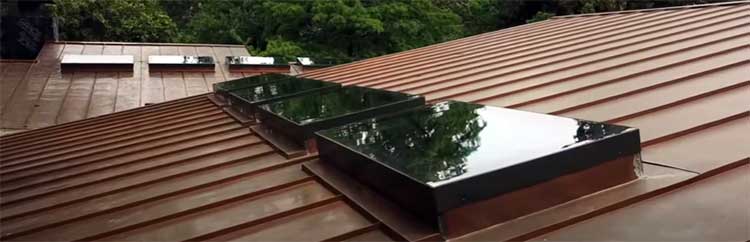
- Direct Outdoor Connection The glass panel gives you real sky, clouds, and sometimes stars. When I sat under one during a rainstorm, the sound and sight of water hitting the glass created a connection to the weather that no artificial light can match. Operable models even open for fresh air, turning the unit into a ventilation source as well as a light source.
- Larger Light Volume Because the opening is bigger, a single skylight can flood an entire living area. In open-plan spaces the volume of daylight feels substantial. I measured foot-candle levels under a 2-by-4-foot unit and found they stayed high even on cloudy days compared with smaller alternatives.
- Custom Shapes and Sizes Manufacturers offer fixed, venting, triangular, and even custom-shaped units. You can match the skylight to roof pitch and interior style. That range of options lets you treat the skylight as part of the architecture rather than an afterthought.
- Integrated Blinds and Coatings Many modern skylights come with built-in shades, low-E coatings, and tempered glass. These features help control glare and UV damage. I appreciated the remote-controlled shade on one model because it let me darken the room for screen work without climbing a ladder.
- Potential for Solar Heat Gain in Winter In colder climates the same glass that loses heat can also collect free solar warmth on sunny winter days. Oriented correctly, a south-facing skylight can offset some heating needs, something I noticed in a friend’s well-designed home.
Pros of Skylights
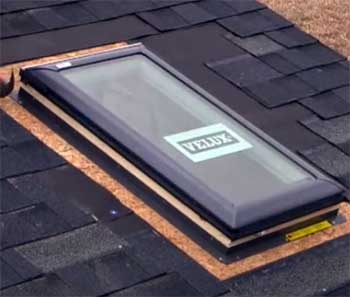
- Dramatic Natural Light and Views Nothing matches the feeling of looking up through glass at the actual sky. In a living room or master bedroom that view becomes a daily pleasure. The changing light patterns throughout the day give the space a dynamic quality that static lighting cannot copy.
- Possible Ventilation Operable skylights open to release hot air that rises to the ceiling. On mild days I used one as a passive exhaust, improving air quality without running the HVAC system. That dual function of light plus airflow is hard to beat in certain rooms.
- Architectural Statement A well-placed skylight can become a focal point. Designers often use them to highlight vaulted ceilings or create a sense of height. If your goal is to make a room feel more expensive and open, the visual impact of glass in the roof helps.
- Higher Resale Appeal in Some Markets Certain buyers specifically look for skylights when touring homes. In neighborhoods where natural light is prized, the presence of one or two units can support a stronger asking price, provided they are leak-free and properly installed.
- Wide Range of Styles From traditional framed units to modern frameless designs, you can match almost any interior aesthetic. The ability to choose tinted glass, blinds, or even solar-powered operators gives you control over both function and appearance.
Cons of Skylights
- Higher Installation Cost and Complexity Cutting a large hole, framing it, flashing it, and finishing the interior trim takes skilled labor and more materials. Quotes I received were consistently two to three times higher than sun-tunnel estimates for similar light output. Unexpected structural surprises can push the price even further.
- Greater Risk of Leaks More seams and a larger perimeter mean more places for water to enter if flashing fails or settles over time. I heard multiple stories of homeowners dealing with stained ceilings years after installation. Regular inspection of the seals becomes part of home maintenance.
- Heat Gain and Loss The glass acts like a thermal bridge. Summer rooms can overheat; winter rooms can feel drafty. Even with low-E coatings the energy penalty is measurable on utility bills. In extreme climates that penalty can outweigh the lighting benefit.
- Condensation and Cleaning Challenges Temperature differences often produce moisture on the interior glass. Cleaning the exterior usually requires roof access or special poles. Over years the glass can collect dirt, pollen, and bird droppings that reduce light transmission until cleaned.
- Limited Placement Flexibility Obstacles in the attic or complex roof geometry can rule out a skylight entirely. You need a clear vertical path, which is not always available in older homes or those with finished attics.
Key Features of Sun Tunnels
- Compact Roof Dome The clear acrylic or polycarbonate dome sits low on the roof and captures light from a wide angle. Even on overcast days the dome gathers enough light to keep interior spaces usable. The small profile also means less wind resistance and fewer visual interruptions on the roofline.
- Highly Reflective Tube Whether rigid or flexible, the interior surface is lined with reflective material that channels light with minimal loss. I was surprised how bright a 10-foot run still felt at the diffuser end. Some tubes include elbows that turn 90 degrees without killing the light output.
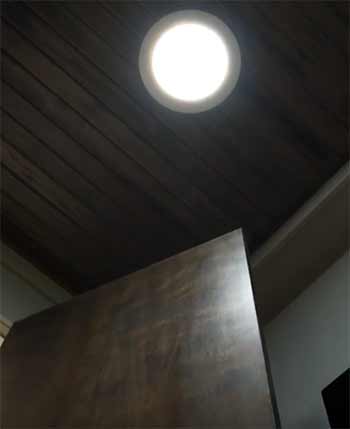
- Ceiling Diffuser Options Diffusers come in frosted, prismatic, or decorative styles. They spread light evenly and can look like ordinary light fixtures. In my hallway the diffuser blended so well that people assumed it was an electric fixture until I pointed out the daylight.
- Minimal Attic Disruption Because the tube diameter is small, installers can often work around existing insulation and wiring. The process felt closer to adding a recessed light than opening a large roof section. That reduced mess and shorter install time mattered when I was living in the house during the work.
- Optional Electric Hybrid Kits Some sun tunnels include a small LED or fluorescent lamp that switches on automatically when daylight drops. This hybrid feature keeps the space lit after sunset without a separate fixture. I tested one and found the transition from natural to electric almost seamless.
Pros of Sun Tunnels
- Lower Cost and Faster Install Most installations finish in a few hours with less disruption. Material and labor totals stay well below typical skylight prices. For budget-conscious projects the savings free up money for other improvements.
- Excellent Light with Minimal Heat Transfer You get bright daylight without the temperature swings. In my experience the rooms stayed closer to the rest of the house’s temperature, which made the HVAC system work less hard.
- Easy Fit in Tight or Awkward Spaces Hallways, bathrooms, and interior closets that never had windows suddenly receive useful light. The flexible tubing option solves problems that would stop a skylight project cold.
- Lower Long-Term Maintenance No large glass surface to clean from the outside, fewer seals to monitor, and less chance of major water damage. A quick wipe of the diffuser every few months is usually enough.
- Discreet Appearance The ceiling diffuser can disappear into the design. If you dislike the look of a big glass panel overhead, the tunnel keeps the focus on the light rather than the hardware.
Cons of Sun Tunnels
- No Direct Views or Ventilation You get light but not the sky itself and almost never any operable airflow. If the emotional connection to outdoors matters, the tunnel feels incomplete.
- Light Quality Is Diffused Rather Than Directional Some people prefer the sharp, moving beams of a true skylight. The even glow of a diffuser can feel flatter, more like a light fixture than a window.
- Potential Light Loss Over Long Runs Very long or heavily angled tubes lose more light. In a two-story home with a deep attic the output at the diffuser can disappoint compared with a short, straight run.
- Reflective Surface Degradation Over Decades Although modern coatings last a long time, eventually the tube’s reflectivity can dull. Replacement of the tube is possible but not as simple as wiping glass.
- Limited Size Options Most tunnels max out around 14 inches in diameter. You cannot scale them up the way you can order a large skylight, so multiple units may be needed for bigger rooms.
Installation Realities From a Homeowner’s View
When the crew arrived for my sun tunnel, they were in and out before lunch. The roof cut was small, the tube dropped through the attic, and the diffuser snapped into a ceiling hole the size of a standard light fixture. Dust was minimal.
The skylight install next door took two full days, required temporary weather protection, and left a larger mess inside.
Both projects needed permits in my area, but the tunnel paperwork felt simpler because the structural change was minor. Weather timing also mattered more for the skylight; a sudden rain during the open-roof stage would have been a bigger problem.
Also Read: Differences Between Velux And Andersen Skylights.
Frequently Asked Questions (FAQ)
Many homeowners have shifted away from them because of recurring leak concerns, higher energy costs, and the availability of simpler tubular options that deliver comparable brightness with fewer drawbacks.
Installed skylights commonly run $1,500 to $4,000 or more depending on size and features. Sun tunnels typically cost $500 to $1,500 installed, making them the lower-priced route for most projects.
They can, especially when they bring natural light into previously dark spaces that buyers notice during showings. The improvement feels practical rather than flashy, yet it still supports a stronger overall impression of the house.
The main drawbacks are the lack of outdoor views, the diffused rather than directional light quality, possible brightness drop on long or angled runs, and the fact that you cannot open them for ventilation.
Final Thoughts
After living with both options and comparing the numbers, I favor sun tunnels for most everyday rooms because they deliver reliable light with less hassle and lower ongoing cost. You may still choose a skylight when the view and the architectural statement matter more than anything else.
Measure your attic space, think about how you actually use each room, and decide which set of trade-offs feels manageable for the years ahead. The right choice is the one that keeps your home brighter without creating new problems you have to solve later.