
I’ve spent countless weekends transforming plain walls and ceilings in my home, and one question kept popping up: shiplap or tongue and groove?
Both options give wood a warm, textured look that instantly adds character, but they differ in how they fit together, how they perform, and how they feel in a space. In this article, I compare shiplap versus tongue and groove so you can decide which one suits your next project better.
I break down their real differences, share honest pros and cons from hands-on experience, and help you picture how each would look and work in your own home or shed.
| Feature | Shiplap | Tongue and Groove |
| Joint Style | Overlapping rabbet edges | Interlocking tongue & groove |
| Gap Appearance | Deliberate small gaps | Tight, seamless fit |
| Installation Difficulty | Easier for beginners | Requires more precision |
| Weather Resistance | Good with proper sealing | Excellent when installed correctly |
| Cost | Usually lower | Often higher |
| Best For | Rustic, casual walls | Ceilings, floors, formal looks |
| Expansion/Contraction | Handles movement well | Can buckle if not spaced properly |
Key Differences Between Shiplap And Tongue and Groove
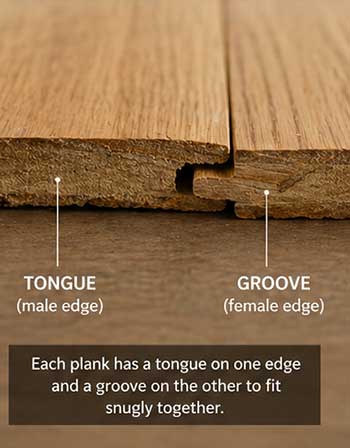
When I compare shiplap and tongue and groove side by side, several practical distinctions stand out that go way beyond simple appearance. These differences can make or break your project depending on your space, skill level, and expectations.
- Joint Style and How They Connect: Shiplap relies on a rabbeted overlap where one board sits slightly over the edge of the next, creating a small intentional gap. Tongue and groove uses a precise interlocking system where a protruding tongue on one board slides into a matching groove on the neighboring piece. This mechanical connection makes tongue and groove feel much more solid and locked in place once installed.
- Visual Texture and Shadow Lines: Shiplap produces noticeable shadow lines between each board because of the overlap and gap. This gives walls a distinct, board-by-board rhythm that emphasizes the individual pieces and creates a casual, textured look. Tongue and groove, especially with square edges, creates a nearly seamless surface where joints are subtle or almost invisible. Beveled tongue and groove still shows lines but they appear cleaner and more refined.
- Installation Ease and Forgiveness: Shiplap is noticeably more beginner-friendly. The overlapping design hides small mistakes in leveling or spacing, making it easier when working alone or on imperfect walls. Tongue and groove demands greater accuracy — if the tongue gets damaged or the alignment is slightly off, the next board may not fit properly, which can slow you down and cause frustration.
- Handling of Wood Movement: Wood expands and contracts with changes in humidity and temperature. Shiplap’s overlapping joints naturally allow each board some room to move without buckling or creating large unsightly gaps. Tongue and groove fits much tighter, so you have to be careful about leaving expansion space at the perimeter. Without proper planning, seasonal movement can cause boards to push against each other and warp or crack.
- Moisture and Weather Performance: Because of the tighter interlocking fit, tongue and groove generally resists moisture intrusion better than shiplap. The overlap in shiplap can allow water or humid air to get behind the boards more easily unless you apply excellent sealing and flashing. This makes tongue and groove a stronger choice for bathrooms, laundry rooms, covered porches, or outdoor sheds.
- Structural Strength and Versatility: Tongue and groove boards lock together to form a more rigid plane, which gives them better spanning capability and makes them suitable for ceilings, floors, and even structural sheathing in some cases. Shiplap is primarily used for decorative wall cladding and doesn’t offer the same level of structural contribution.
- Maintenance and Long-Term Care: The small gaps in shiplap can collect dust, spider webs, and dirt over the years, especially on horizontal installations. You may find yourself dusting or vacuuming the lines more often. Tongue and groove’s tight joints mean less accumulation of debris, making routine cleaning simpler and less frequent.
- Repair Difficulty: Replacing a single damaged board in shiplap is relatively straightforward — you can often pry or slide out the affected piece without disturbing too many neighbors. With tongue and groove, removing one board usually requires carefully disassembling several surrounding pieces because they are mechanically locked together, turning a small repair into a bigger job.
- Cost and Material Quality: Shiplap is often milled from lower-cost lumber or even MDF and requires simpler machining, keeping the price per square foot lower. Tongue and groove typically uses higher-grade clear or select lumber because any defects become more visible on the tighter surface, driving up material costs.
- Aesthetic Formality: Shiplap leans toward relaxed, rustic, farmhouse, or coastal styles where the pronounced lines add charm. Tongue and groove can adapt to both casual and more formal or traditional spaces, giving a polished look that feels intentional and high-end.
Pros of Shiplap
From my own multiple installations, shiplap consistently delivers several advantages that make it appealing for many homeowners and DIYers.
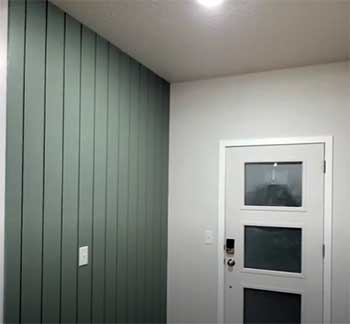
- Easier and faster installation, especially if you’re working solo or tackling your first major wood project. The overlapping edges give you wiggle room to adjust alignment without ruining the look.
- Generally more budget-friendly because the milling process is simpler and you can often use less expensive grades of pine or even pre-primed MDF versions.
- Creates that instantly recognizable rustic or modern farmhouse character with very little effort thanks to the built-in shadow gaps that add depth and visual interest.
- Highly forgiving on imperfect or slightly out-of-plumb walls and framing. The overlap helps mask minor irregularities that would be obvious with tighter joints.
- Excellent choice for large accent walls where you want strong texture and personality without spending a fortune or investing weeks of work.
- Looks particularly striking when painted in crisp white, soft greys, or light pastels, instantly brightening a room and making it feel more spacious.
- Allows for relatively quick repairs or future modifications since individual boards are easier to remove and replace without affecting the entire wall.
- Handles seasonal humidity swings better in many climates because the overlap gives each board space to expand and contract naturally.
- Pairs beautifully with a wide range of decorating styles including cottage, beach house, industrial, and casual contemporary.
- Lightweight boards are easier to lift and maneuver, especially when working on tall walls or ceilings.
- You can install shiplap either horizontally or vertically and still achieve a pleasing, balanced result without complicated planning.
- The visible lines create a rhythmic pattern that draws the eye and adds movement to otherwise plain surfaces.
Cons of Shiplap
Even though I enjoy working with shiplap, I’ve encountered several real drawbacks during and after installation that you should consider.
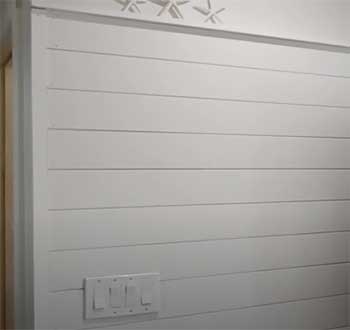
- The intentional gaps between boards tend to collect dust, cobwebs, pet hair, and airborne particles over time, especially in kitchens, bedrooms, or areas with less foot traffic. Regular cleaning of those lines can become tedious.
- Performs less effectively in consistently humid environments like full bathrooms, basements, or outdoor structures unless you invest significant time in sealing every edge and gap.
- The pronounced board-by-board look can start to feel dated if design trends move away from the rustic aesthetic toward smoother, more minimal surfaces.
- May allow slightly more air leakage compared to a tightly interlocked system, which could affect energy efficiency in poorly insulated spaces.
- Not suitable for flooring applications because the overlapping edges would create an uneven walking surface and potential tripping hazards.
- Softer wood species used in many shiplap products can dent or show wear more easily along the exposed edges if the wall gets bumped by furniture or kids.
- Achieving a perfectly even paint finish requires extra care around the grooves and overlaps to prevent drips, pooling, or missed spots that stand out once dry.
- In very formal dining rooms, home offices, or upscale living areas, shiplap can sometimes feel too casual or “trend-driven” rather than timeless.
- Horizontal installations can emphasize any slight variations in board width or color, making consistent appearance harder to achieve across large surfaces.
Also Read: Comparison of Wainscoting Beadboard And Shiplap.
Pros of Tongue and Groove
After using tongue and groove in several different applications, I’ve come to appreciate how well it performs when you want quality and longevity.
- Delivers a much cleaner, more refined, and professional-looking finished surface that works equally well in casual family rooms or more elegant spaces.
- The interlocking joints create a stronger, more stable plane once all the pieces are installed, reducing flex and squeaks over time.
- Superior moisture resistance thanks to the tight mechanical fit, making it a smarter choice for bathrooms, laundry rooms, mudrooms, and covered outdoor areas.
- Provides noticeable sound-dampening benefits when used on ceilings, helping to reduce echo and make large or open-plan rooms feel quieter and more comfortable.
- Extremely versatile — you can confidently use it for walls, ceilings, and even flooring, giving you consistent material options across multiple surfaces in one project.
- Carries higher perceived value; visitors often comment on how “finished,” polished, and custom the space looks compared to simpler cladding.
- Shows off natural wood grain beautifully when stained or clear-coated, allowing you to highlight beautiful patterns in oak, cypress, or pine.
- Tight joints significantly reduce dust and debris accumulation, making long-term maintenance easier and less time-consuming.
- Handles more complex installation patterns like diagonal, herringbone, or chevron layouts with cleaner results and better structural integrity.
- Offers better thermal insulation properties in some applications because the snug fit minimizes air gaps behind the surface.
- Available in thicker profiles that provide more substantial feel and durability for high-traffic or high-use areas.
Cons of Tongue and Groove
Tongue and groove isn’t without its challenges, and I’ve run into several of them during actual projects.
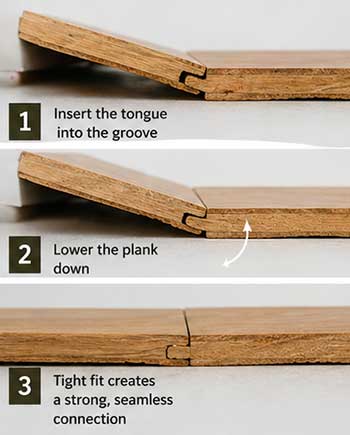
- Installation requires more patience, precision, and sometimes two people because misalignment can damage the fragile tongue edges and ruin multiple boards.
- Typically costs more per square foot due to the complex milling process and the need for higher-grade, clearer lumber to ensure tight, attractive joints.
- Much less forgiving on uneven walls or framing; you’ll often need to install furring strips or spend extra time leveling the substrate before starting.
- Wood movement becomes a bigger concern — without properly calculated expansion gaps around the perimeter, boards can push against each other, leading to buckling, cupping, or visible cracks.
- Replacing a single damaged board turns into a major undertaking because you usually have to disassemble several adjacent pieces to free the affected one.
- Heavier and sometimes thicker material can make overhead ceiling work more physically demanding and tiring, especially on large surfaces.
- Cutting and fitting around electrical outlets, light fixtures, windows, and corners demands greater accuracy to maintain the clean interlocking lines.
- Can appear too formal or uniform in strongly rustic or industrial-style spaces where a more relaxed, textured appearance is desired.
- Painting the narrow grooves and tight joints can be tricky, often requiring thin brushes, multiple coats, or even spraying to achieve even coverage without brush marks.
- The higher material cost can add up quickly on large walls or entire rooms, potentially pushing the project budget beyond initial expectations.
Which One Should You Choose?
After trying both in different rooms, I’ve learned that the best choice usually depends on your specific space and goals.
If you want an easy, affordable project that brings instant charm and character, shiplap often wins. But if you’re after a polished, durable finish that can handle moisture or serve multiple purposes including flooring, tongue and groove frequently feels worth the extra effort and cost.
I personally lean toward shiplap for quick accent walls in living areas and tongue and groove for ceilings or any space where I expect higher humidity or want a more seamless look.
You might even combine both in one home — I’ve seen beautiful results using shiplap on walls and tongue and groove on the ceiling above.
Also Read: Comparison of Board and Batten And Shiplap.
Frequently Asked Questions (FAQ)
It depends on your style. Shiplap gives a relaxed, rustic charm with visible lines, while tongue and groove offers a cleaner, more elegant and unified appearance. Neither is universally better — choose based on the vibe you want.
Tongue and groove usually costs more because of the more complex milling process and often higher quality wood required for tight fits. Shiplap tends to be the more budget-friendly option.
Board and batten, vertical plank walls with wider spacing, and textured plaster or wallpaper alternatives are gaining popularity as fresh options that provide similar warmth without the exact shiplap look.
Tongue and groove is generally better for sheds because its tighter interlocking joints offer superior weather resistance and structural strength, especially in outdoor or unheated environments.
Wrapping It Up
You now have a clear picture of how shiplap and tongue and groove compare in real-life use. Both materials bring beautiful wood texture and warmth to your spaces, but they solve different problems and create different feelings.
I encourage you to consider your budget, skill level, the room’s conditions, and the overall style you’re going for before deciding.
If you love easy installation and that casual, welcoming look, start with shiplap. If you want durability, a refined finish, and versatility across walls, ceilings, and even floors, tongue and groove might be your better match.
Either way, you’re adding real character that painted drywall simply can’t match.
Take your time measuring the space, testing samples against your lighting, and imagining how the finished room will feel every day. You’ve got this — your next wood project is going to look amazing.