
I have rearranged living rooms more times than I can count, and the decision between a sectional and a sofa paired with a loveseat always changes how the space feels and functions.
You will see clear advantages and drawbacks for each setup here so you can match seating to your room size, daily habits, and long-term plans without guesswork.
| Feature | Sectional | Sofa + Loveseat |
| Space efficiency | Uses corners and walls tightly | Leaves open floor in center |
| Seating capacity | Higher continuous seating | Flexible split groups |
| Reconfiguration | Modular pieces often move | Separate pieces easy to rearrange |
| Visual weight | Can dominate smaller rooms | Lighter, more open look |
| Entry-level cost | Often higher upfront | Lower starting price |
| Cleaning access | Tighter under-cushion gaps | Easier to reach between pieces |
| Conversation flow | Encourages facing groups | Allows multiple facing angles |
| Storage options | Some include hidden drawers | Rarely built-in |
| Longevity of layout | Fixed once placed | Easy to adapt over years |
| Delivery complexity | Large single or multi-piece | Two lighter items |
Key Differences Between Sectional and Sofa with Loveseat
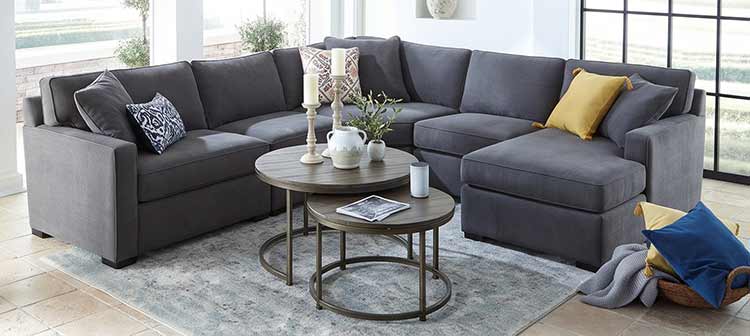
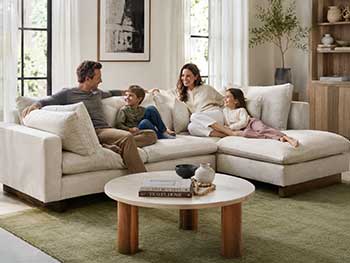
- Corner utilization and footprint shape: Sectionals wrap around corners and turn walls into seating zones. A sofa and loveseat sit as independent islands, so the middle of the room stays freer for walking paths or a coffee table centered without obstruction.
- Continuous versus segmented seating: On a sectional everyone sits along one connected surface. With a sofa and loveseat you can place people opposite each other or at angles that suit different activities at the same time.
- Weight distribution and floor pressure: Sectionals concentrate weight along longer runs and corners. Separate sofa and loveseat pieces spread load points, which can matter on older floors or raised platforms.
- Traffic flow around the furniture: Sectionals often force a single path around the outer edge. Sofa and loveseat combinations let you create two or three walking routes depending on how you angle them.
- Scalability when household size changes: You can add or remove a chaise or corner from many sectionals. Sofa and loveseat setups grow by simply moving one piece to another room or adding a chair later.
- Aesthetic balance in open plans: Sectionals create a strong visual anchor that defines the seating zone. Separate pieces allow you to balance visual weight across different parts of a large room.
Also Read: Is West Elm Haven Sectional Worth It?
Key Features of Sectionals
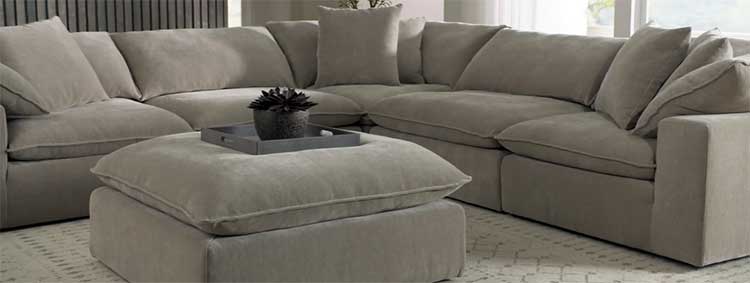
- Modular or fixed construction: Many modern sectionals use connectors that let you rearrange L, U, or straight configurations. Fixed models lock the shape permanently for a seamless look.
- Chaise and ottoman integration: A built-in chaise gives full-body recline without a separate piece. Some include pull-out beds or storage under the chaise for blankets and remote controls.
- Deep seats and plush cushions: Standard seat depths often run 20–24 inches with high-density foam or down-blend cushions that stay comfortable during long movie nights.
- Fabric and frame durability options: Performance fabrics resist stains and pet hair. Hardwood or engineered wood frames with sinuous springs support repeated use without sagging as quickly as cheaper spring systems.
- Arm styles and height variations: Track arms, rolled arms, or low modern arms change both the look and the usable width. Lower arms make the piece feel less bulky in tight rooms.
- Power and USB options: Select models embed outlets in the arms so phones and laptops stay charged without extension cords across the floor.
- Scale and proportion choices: Small-scale sectionals fit apartments under 400 square feet. Large-scale versions seat six to eight people comfortably in open-concept living areas.
Pros of Sectionals
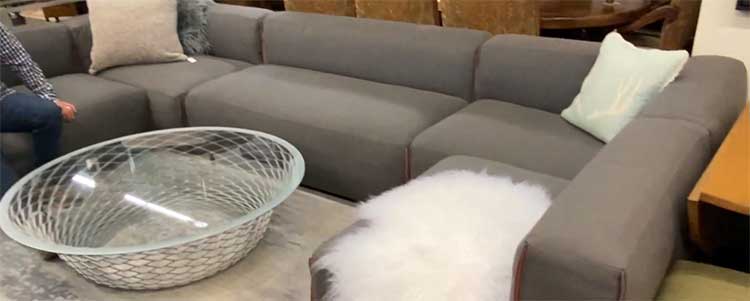
- Maximized seating in corners: You turn otherwise wasted corner space into two or three extra seats. In an L-shaped room this often adds capacity without expanding the overall footprint.
- Built-in lounging zones: The chaise section becomes the default spot for feet-up relaxation. No need to drag an ottoman across the room every evening.
- Cohesive visual statement: One large piece creates a polished, intentional look that ties the living room together. Guests immediately understand where to sit.
- Better for large groups and movie nights: Everyone faces the same direction or sits within easy conversation distance. No one ends up isolated on a separate loveseat.
- Storage solutions in select models: Lift-up seats or under-chaise drawers hide throws, board games, and extra pillows so the room stays tidy.
- Reduced need for additional accent seating: In many homes a well-sized sectional replaces both the main sofa and a separate loveseat, simplifying the overall furniture plan.
- Comfort continuity across the piece: Cushion firmness and back height stay consistent, so every seat feels the same rather than one firm sofa and one softer loveseat.
Cons of Sectionals
- Difficult to move through narrow hallways: Large fixed sections or even modular pieces with long arms can require removal of doors or temporary disassembly. Apartment dwellers often face extra delivery fees.
- Limited rearrangement options once placed: Even modular models have practical limits. You rarely flip the entire configuration without buying new connecting pieces.
- Higher replacement cost if one section fails: A damaged corner unit may require replacing a large portion of the set rather than a single cushion or arm.
- Can overwhelm smaller rooms visually: The continuous mass of fabric and frame makes ceilings feel lower and walls closer when the piece fills more than half the floor area.
- Cleaning under and between sections: Tight junctions collect crumbs and pet hair that are harder to reach with a standard vacuum attachment.
- Weight that complicates future moves: Fully assembled sectionals can exceed 300–400 pounds, requiring multiple people or professional movers every time you relocate.
Also Read: Is Coddle Aria Sleeper Sectional Worth It?
Key Features of Sofas and Loveseats
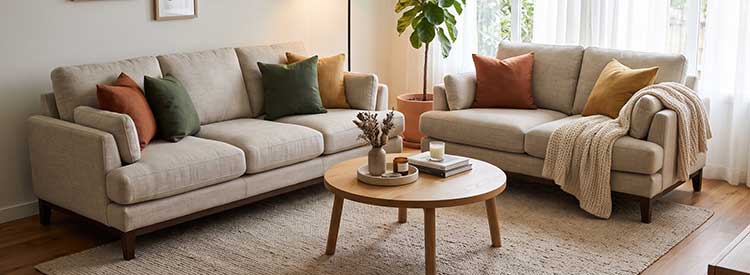
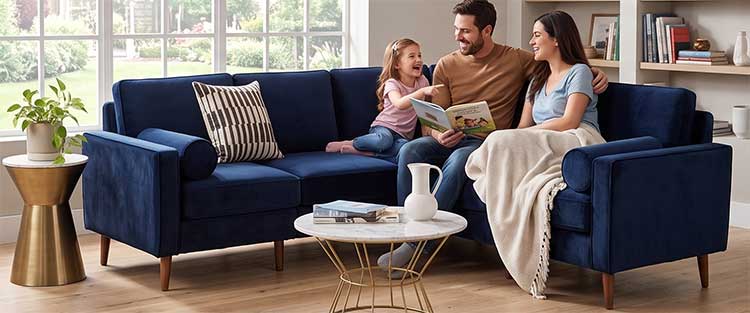
- Classic two- and three-seat proportions: A standard sofa seats three adults; a loveseat seats two. These sizes fit most doorways and elevators without special delivery crews.
- Independent placement flexibility: You can float the sofa in the middle of the room or push both pieces against different walls to create conversation nooks.
- Wide range of back heights and firmness: Low-profile sofas suit contemporary rooms; higher backs give more lumbar support for reading. Firmness levels range from sink-in plush to supportive medium.
- Material variety from leather to performance textiles: Leather develops a patina over years. Microfiber and performance weaves clean with soap and water and hold up to kids and pets.
- Leg styles that affect height and cleaning: Tapered wooden legs raise the piece for easy vacuuming underneath. Skirted bases hide the frame but collect dust along the floor line.
- Slipcover and removable cushion designs: Many sofas and loveseats accept machine-washable covers. This feature keeps the set looking fresh after spills without professional cleaning.
- Pairing with matching chairs or recliners: The same fabric and frame style lets you add a single chair later without visual mismatch.
Pros of Sofas and Loveseats
- Easy entry through standard doorways: Most sofas and loveseats pass through 30-inch openings without tilting or removing hardware. This simplifies apartment living and multi-story homes.
- Simple reconfiguration for different activities: Push the loveseat against the wall for a reading corner, then pull it forward for game night. The change takes minutes and needs no tools.
- Lower initial purchase price: You can start with a quality sofa and add a matching loveseat later, spreading cost over time instead of paying for a full sectional at once.
- Better airflow and light in the room: Separate pieces leave more open floor, so natural light reaches farther and the space feels less crowded.
- Independent replacement and refresh: If the loveseat wears out first, you replace only that piece. You can also recover one item in a new fabric without touching the other.
- Versatile pairing with other furniture: A sofa and loveseat work well with a pair of armchairs, a bench, or even floor cushions for flexible guest seating.
- Easier to clean thoroughly: You can pull the pieces apart, vacuum underneath, and wipe the backs and sides without navigating a continuous frame.
Cons of Sofas and Loveseats
- Less efficient use of corner space: The open corner often becomes a walkway or holds a plant stand instead of extra seats. You lose potential capacity compared with an L-shaped sectional.
- Need for careful spacing to maintain conversation: If the pieces sit too far apart, people raise their voices. Too close and traffic feels blocked. Finding the balance takes trial and error.
- Visual fragmentation in some layouts: Two separate pieces can look disconnected if the styles or scales do not match perfectly. Mismatched wear levels become more noticeable over years.
- Extra floor space required for pathways: You must leave walking room around both items, which can reduce the usable seating area in compact rooms.
- Higher cumulative cost for equivalent capacity: A quality three-seat sofa plus a two-seat loveseat often costs more than a five-seat sectional once you factor in matching fabrics and frames.
- Limited full-body lounging without extras: You usually need a separate ottoman or chaise chair to achieve the same feet-up comfort a sectional chaise provides by default.
Also Read: Is Albany Park Sectional Worth It?
How Room Size and Shape Influence the Choice?
Small rooms under 200 square feet usually feel more open with a sofa and loveseat placed against opposite walls. The open center keeps walking paths clear and prevents the furniture from dominating the visual field.
In medium rooms of 200–350 square feet an L-shaped sectional often fits neatly into one corner and still leaves room for a media console and coffee table.
Larger open-concept spaces over 400 square feet can support either option; sectionals define a clear seating island while sofa-and-loveseat pairs can create multiple smaller conversation zones.
Ceiling height also matters. Low ceilings pair better with low-back sofas and loveseats that do not add visual bulk. High ceilings give sectionals room to breathe so the large piece does not feel top-heavy.
Measure your longest wall and the diagonal of the room before deciding. Leave at least 30 inches of clearance for main walkways and 18 inches between the coffee table and the front edge of the seating.
Comfort and Daily Use Patterns
If your household spends evenings stretched out watching shows, the continuous surface and chaise of a sectional reduce the need to fight over the best seat. Each person can claim a section and stay comfortable for hours.
Sofa and loveseat setups work better when people split between reading, laptop work, and conversation. One person can occupy the loveseat with a tray while others use the sofa, and neither group blocks the other.
Cushion construction affects long-term comfort more than the overall form. High-resilience foam keeps its shape longer than basic polyurethane.
Down-blend cushions feel luxurious at first but require regular fluffing. Test both styles in person if possible; sit for at least ten minutes and notice whether your knees and lower back feel supported.
Style, Fabric, and Maintenance Considerations
Neutral performance fabrics in charcoal, oatmeal, or soft blue hide wear and coordinate with changing décor. Bold patterns or leather make stronger statements but show scratches and fading more clearly.
Sectionals in lighter colors can brighten a room, yet they demand more frequent cleaning because the large surface area collects dust and crumbs across a continuous plane.
Sofa and loveseat sets let you mix textures more easily. A leather sofa with a fabric loveseat adds visual interest without committing the entire seating area to one material.
Both options benefit from regular vacuuming and prompt spot cleaning. Sectionals with tight back cushions hide less debris than loose-pillow styles, while skirted sofas trap more dust along the floor.
Cost, Longevity, and Resale Factors
Entry-level sectionals start higher because of the extra framing and connectors. Mid-range models from established makers often last 7–12 years with normal use.
Sofas and loveseats in the same quality tier usually cost less individually, so the combined price can still undercut a comparable sectional. Replacement cushions and slipcovers extend the life of either choice.
Resale value depends more on condition and brand than on form. Well-maintained leather pieces of either type hold value better than fabric.
Modular sectionals sometimes sell faster because buyers can adapt them to new rooms, while classic sofa-and-loveseat pairs appeal to people who prefer traditional layouts.
Also Read: Is West Elm Harmony Sectional Worth It?
Frequently Asked Questions (FAQ)
They can if the piece fills more than half the floor area or uses dark, bulky fabrics. Lighter colors, lower backs, and open legs reduce the visual weight.
The sofa should span roughly two-thirds the length of the wall it sits against. This proportion keeps the piece balanced without overwhelming the wall or leaving awkward empty space.
No. Clean-lined modular and low-profile designs remain popular in contemporary homes. Traditional rolled-arm styles also continue to sell well for classic interiors.
They suit corner-heavy rooms and households that want maximum continuous seating. Sofas with loveseats suit people who prefer flexible layouts and easier moving. Neither is universally better.
Wrapping Up
I have tested both arrangements in apartments, houses, and open living areas, and the better choice always comes down to how you actually use the room rather than a single rule.
You now have the side-by-side details on space, comfort, flexibility, and cost so you can weigh the continuous seating of a sectional against the adaptable placement of a sofa and loveseat.
Measure your space, list your daily habits, and select the option that supports the way you live.