
If you’re tired of patchy, embarrassing lawns and want a product that actually does what it promises, Schultz Grass Seed deserves a serious spot on your radar — and honestly, I’d tell you to grab a bag before you finish reading this article.
My Experience With Schultz Grass Seed
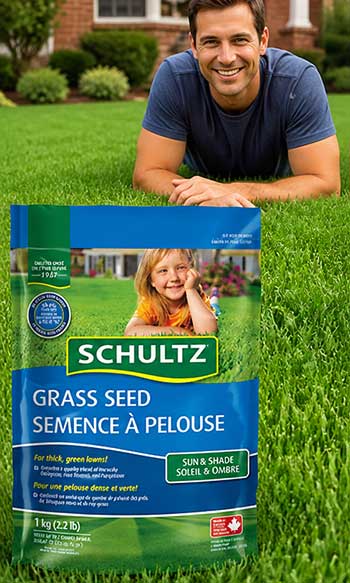
Let me take you back to last spring.
My backyard looked like something had gone to war with it — bare patches near the fence line, thinning grass along the walkway, and a general look of defeat that no amount of watering seemed to fix.
I’d tried a couple of other brands over the years, invested weekends and real money into them, and still found myself staring at disappointment every time I walked outside.
A neighbor of mine — someone whose lawn always looked magazine-ready — mentioned Schultz Grass Seed almost casually, the way you’d mention a good restaurant.
He wasn’t evangelizing. He just said it worked.
That kind of low-key confidence from someone who clearly knew their lawn?
That got my attention more than any ad ever could.
I picked up Schultz Sun & Shade Mix from my local garden center. The packaging is no-frills, which I actually appreciated. It didn’t make grand promises about growing overnight or surviving a nuclear winter.
It just laid out what the seed was, what conditions it thrived in, and what you needed to do. Clear. Honest. That felt like a good sign.
I prepped the soil the way the bag suggested — raked it lightly, cleared out the dead matter, and made sure the ground wasn’t compacted like concrete. I broadcast the seed by hand across the problem areas, pressed it lightly into the soil with my foot, and watered it consistently for the first two weeks.
And then I waited.
By day nine, I noticed something happening near the fence line. Tiny green shoots, barely visible, but absolutely there. By day fourteen, the coverage was building in a way I hadn’t seen with other products I’d used.
By week four, those bare patches were filling in with lush, dense grass that matched the surrounding lawn almost seamlessly.
What surprised me most wasn’t just the germination speed — it was the texture. The grass that grew from Schultz seed felt thick and healthy underfoot, not wispy or fragile like some fast-germinating seeds can produce.
It had real density to it, and when it was mowed for the first time, it responded beautifully, thickening further rather than thinning out.
I also used it in a shaded corner near my shed — an area where nothing seemed to want to grow — and even there, I got respectable coverage. Not perfect, but significantly better than the bare dirt I’d been staring at for two seasons. That versatility honestly won me over more than anything else.
What Schultz Grass Seed Actually Is?
Before we get into the full breakdown, it’s worth understanding what Schultz actually brings to the table as a product line.
Schultz Grass Seed is part of a broader line of lawn and garden products that has been around for decades. The brand positions itself as a practical, accessible option for everyday homeowners rather than professional landscapers — which is exactly why it appeals to people like you and me who just want a good lawn without a horticulture degree.
The seed mixes available under the Schultz name include options for full sun, shade, and combination sun-and-shade environments. This range means you’re not stuck buying a one-size-fits-all product that underperforms in your specific yard conditions.
The mixes typically include a blend of Kentucky Bluegrass, Perennial Ryegrass, and Fine Fescue varieties, giving you a combination of fast germination and long-term durability.
The Pros of Using Schultz Grass Seed
- Fast And Visible Germination
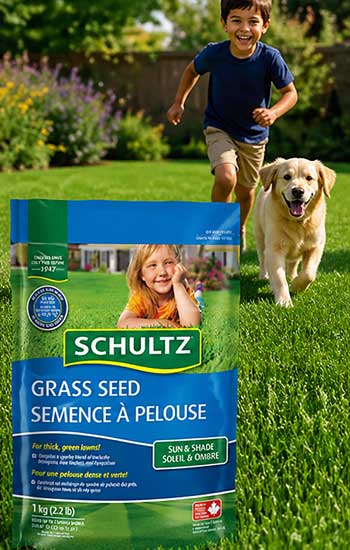
One of the first things you notice with Schultz is how quickly it gets moving.
Most users, myself included, start seeing results within seven to fourteen days under normal conditions.
That’s not just marketing language — it’s genuinely consistent performance.
For anyone who’s waited weeks with other seeds and seen nothing, this kind of responsiveness feels like a breakthrough.
The Perennial Ryegrass component in most Schultz blends is a big reason for this speed; it’s a fast-establishing variety that gives the lawn visible progress quickly while the slower-growing bluegrass fills in behind it.
- Excellent Blend Composition For Mixed Conditions
The combination of grass species in Schultz mixes isn’t random. Kentucky Bluegrass brings self-repair ability and a rich, dark green color that makes lawns look premium. Fine Fescue brings shade tolerance and drought resistance.
Perennial Ryegrass brings that fast establishment. When these three work together, you get a lawn that doesn’t just look good in one season — it builds resilience for the long haul. If you have a yard with both sunny and shaded areas like mine, this kind of blend is genuinely valuable.
- Accessible And Widely Available
You don’t need to order Schultz online and wait a week. It’s sold at most major garden centers, hardware stores, and home improvement retailers. That accessibility matters when you’re trying to seed in a narrow weather window.
You can decide on a Saturday morning and have seed in the ground by afternoon. That kind of convenience keeps your lawn on your schedule, not a shipping carrier’s.
- Suitable For Overseeding And New Lawns
Whether you’re starting from scratch or just trying to fill in thin areas, Schultz performs well in both scenarios. I used it exclusively for overseeding, but I’ve spoken to people who used it for new lawn establishment and reported strong, even coverage.
This versatility means you’re not buying a specialized product that only works in one situation. One bag, multiple use cases.
- Reasonable Price Point For The Quality Delivered
When you compare what Schultz costs per square foot of coverage versus what you actually get in terms of germination rate, grass density, and seasonal performance, the value math works out well.
You’re not paying premium boutique prices, but you’re also not getting bargain-bin results. It sits in that satisfying sweet spot where quality and affordability actually meet.
The Cons of Schultz Grass Seed
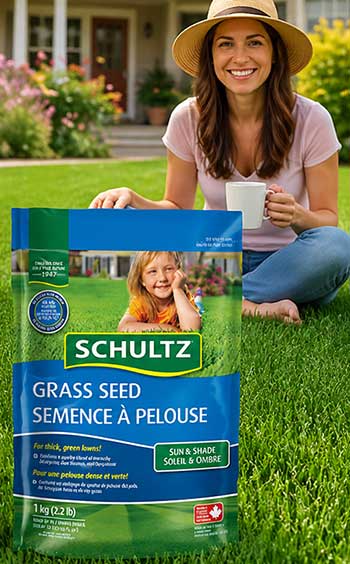
- Coverage Claims Can Be Optimistic: Like many grass seed brands, the square footage listed on Schultz packaging assumes ideal conditions — perfect soil prep, consistent watering, optimal temperatures. In real-world yards with compacted soil, uneven terrain, or variable shade, you’ll often need more seed than the bag suggests. Budget for about twenty to thirty percent more than the recommended amount to get genuinely full coverage, especially in difficult areas.
- Not Ideal For Extreme Shade: While the Sun & Shade mix does better than many competitors in partial shade, it still struggles in deep, dense shade — think under a thick canopy of mature trees where sunlight barely filters through. For those extreme conditions, you’d be better served by a specialty shade mix or by considering alternative ground covers entirely. Schultz doesn’t claim miracles here, to be fair, but it’s worth setting realistic expectations.
- Requires Consistent Moisture Management: Schultz seed needs regular, consistent moisture during the germination phase. If you live somewhere with unpredictable spring weather or you tend to travel or forget watering schedules, you may find germination uneven. This isn’t unique to Schultz — all grass seed needs this — but it’s worth flagging because some users expect the seed to be more forgiving than it is during those critical first two weeks.
- Limited Warm-Season Options: Schultz’s lineup leans heavily toward cool-season grass varieties. If you’re in the deep South or a warm, humid climate where Bermuda, Zoysia, or St. Augustine grass are the norm, Schultz’s selection doesn’t serve you as well. The brand is clearly optimized for cool-season regions, which means a portion of the country simply won’t find their ideal product here.
Maintenance Tips For Getting The Most Out Of Schultz Grass Seed
- Prepare Your Soil Before Anything Else: The single biggest factor in whether your Schultz seed succeeds isn’t the seed itself — it’s what you do before you open the bag. Compacted, nutrient-poor soil will undermine even the best seed mix. Rake the area, loosen the top quarter inch of soil, remove any thatch or dead debris, and consider a light application of starter fertilizer before seeding. Think of soil prep as setting the table — you can bring the best food in the world, but if the table is a mess, dinner still goes wrong.
- Water Smart, Not Just Often: During germination, the goal is to keep the top inch of soil consistently moist without waterlogging it. Short, frequent watering sessions — two to three times daily in dry conditions — beat one long daily soak. Once the grass establishes and reaches about three inches, you can transition to deeper, less frequent watering to encourage the roots to grow downward. Deep roots mean drought resistance. This watering shift is something a lot of people skip, and it’s one of the main reasons lawns look great in spring but struggle by August.
- Mow At The Right Height And Right Time: Resist the urge to mow your new Schultz lawn too early. Wait until the grass reaches at least three to three-and-a-half inches before the first cut, and never remove more than one-third of the blade length in a single mowing session. Cutting too low stresses the plant, exposes the soil to weeds, and undoes weeks of good work. Keep your mower blade sharp — a dull blade tears grass rather than cutting it cleanly, leaving the plant vulnerable to disease.
- Overseed In Fall For Year-Round Density: If you used Schultz in spring and love the results, plan a fall overseeding session as well. Late August through early October is the sweet spot for cool-season grasses to establish before winter. A fall application thickens the lawn, fills in any summer stress damage, and sets you up for a phenomenal spring green-up. Treating lawn care as a two-season effort rather than a once-a-year task makes a dramatic difference in long-term lawn quality.
- Feed After Establishment, Not Before Germination: Wait until your Schultz grass has gone through two to three mowings before applying a full lawn fertilizer. Applying high-nitrogen fertilizer too early can burn tender seedlings or push leafy growth at the expense of root development. A starter fertilizer at seeding time is fine, but your main feeding schedule should begin once the lawn is genuinely established. Your patience here pays off with deeper, more resilient growth that holds up through summer heat and foot traffic.
How Schultz Compares To Other Grass Seed Brands?
- Schultz Vs. Pennington Grass Seed
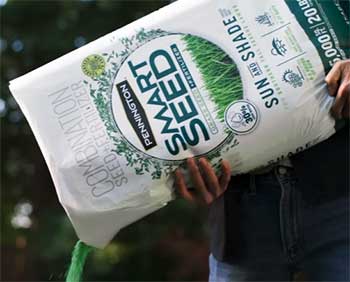
Pennington is one of the most recognized grass seed names on the market, and for good reason — they produce reliable, widely available products with strong brand backing.
When you put Pennington’s Smart Seed line next to Schultz, the most notable difference is the technology behind Pennington’s coating system, which claims to improve water retention around the seed during germination.
In testing and real-world use, Pennington does perform well in areas prone to dry conditions.
However, Schultz competes effectively on price. You typically get more seed for your dollar with Schultz, and the germination rates are comparable under standard conditions. Where Pennington edges ahead is in specialty mixes and the sheer variety of regional blends available.
If you have very specific regional needs, Pennington’s broader catalog gives you more targeted options. But if you want dependable performance at a more accessible price for general cool-season applications, Schultz holds its own confidently.
- Schultz Vs. Pearl’s Premium Grass Seed
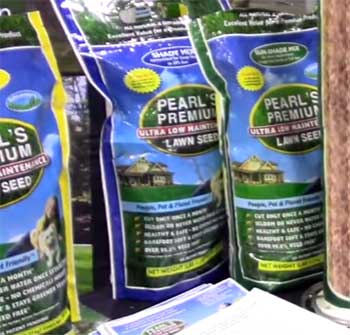
Pearl’s Premium is the premium, eco-conscious option in the grass seed space, and it markets itself aggressively on environmental credentials — low water requirement, slow growth to reduce mowing frequency, and organic-compatible practices.
If those things matter deeply to you, Pearl’s Premium is a genuinely compelling product.
It grows a beautiful, fine-textured lawn that requires minimal intervention once established.
The trade-off is cost. Pearl’s Premium is significantly more expensive than Schultz, sometimes two to three times the price per square foot of coverage. For budget-conscious homeowners or those seeding large areas, that cost difference is hard to overlook.
Schultz doesn’t claim to be the eco-warrior of grass seeds, but it delivers solid, practical results without asking you to restructure your lawn care budget.
- Schultz Vs. Jonathan Green Grass Seed
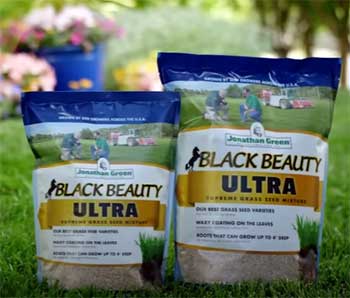
Jonathan Green is a family-owned brand with a loyal following, particularly in the Northeast United States.
Their Black Beauty line has a cult reputation for producing thick, dark, lush lawns — and the reputation is fairly earned.
The seed varieties Jonathan Green selects tend to produce a slightly richer visual appearance, and their product packaging is exceptionally educational, which experienced lawn enthusiasts appreciate.
Where Schultz has an advantage is availability and ease of entry.
Jonathan Green products can be harder to find outside their core regional markets, and their product system — which often recommends specific companion products like their Mag-I-Cal soil conditioner — can make it feel like a bigger commitment than just buying grass seed.
Schultz is a simpler proposition: buy the bag, follow the instructions, get results. For first-time lawn improvers or people who don’t want to build a whole lawn care system around a single brand, that simplicity has real value.
Frequently Asked Questions (FAQ)
Yes. Schultz offers reliable germination, decent blend composition, and strong value for the price, making it a solid choice for most cool-season lawn applications.
Schultz is produced under the Spectrum Brands umbrella, a large consumer products company that also manages several other lawn, garden, and home care brands.
Ratings vary by region and use case, but brands like Jonathan Green’s Black Beauty, Pennington Smart Seed, and Pearl’s Premium consistently rank among the highest-rated based on consumer reviews and performance testing.
In most cool-season regions, early October is still workable, but late October pushes the limits. Seed needs soil temperatures above 50°F to germinate, so timing depends on your specific climate zone.
Wrapping It Up
If you’re looking for a dependable, no-nonsense grass seed that delivers real results without draining your wallet, Schultz Grass Seed earns your consideration and your purchase — go grab a bag and give your lawn the reset it deserves.