
I’ve spent a serious amount of time looking at washing machines — talking to real users, reading through spec sheets, and comparing load after load of data — and the Electrolux vs. LG debate keeps coming up.
Both brands make genuinely impressive machines, but they’re built around very different philosophies. In this article, I’m going to break down everything you need to know: performance, features, reliability, price, and which type of buyer each brand actually suits best.
| Feature | Electrolux | LG |
| Brand Origin | Sweden | South Korea |
| Price Range | Mid to Premium ($700–$1,800+) | Mid to Premium ($600–$2,000+) |
| Washing Technology | Perfect Steam, UltraMix | TurboWash, 6Motion DD |
| Motor Type | Standard Motor | Direct Drive Motor (inverter) |
| Noise Level | Quiet (varies by model) | Very Quiet (Direct Drive) |
| Smart Home Integration | Limited | Extensive (ThinQ AI) |
| Energy Efficiency | ENERGY STAR certified | ENERGY STAR certified |
| Drum Capacity | Up to 5.2 cu. ft. | Up to 6.0 cu. ft. |
| Warranty (Motor) | 1–2 years | 10 years (Direct Drive) |
| Wash Cycle Variety | Moderate | Extensive |
| Steam Function | Yes | Yes |
| Self-Cleaning | Yes | Yes |
| App Control | Limited | Yes (ThinQ App) |
| Best For | Fabric care, gentle washing | Large families, tech lovers |
| Reliability Reputation | Good | Excellent |
Key Differences Between Electrolux And LG Washing Machines
Understanding where these two brands diverge is really where the decision-making starts. Let me walk you through the most meaningful differences.
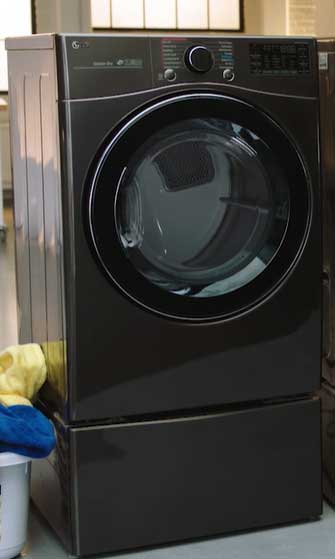
- Motor Technology: LG uses its proprietary Direct Drive motor, which connects directly to the drum without belts or pulleys. This reduces friction, noise, and points of mechanical failure. Electrolux uses more conventional motor configurations in most of its lineup, which isn’t bad by any measure, but it doesn’t carry the same long-term mechanical advantage that a Direct Drive system does.
- Smart Home Ecosystem: LG is in a completely different league here. The ThinQ app gives you real-time notifications, remote start, cycle monitoring, and even AI-driven wash recommendations based on what’s in the drum. Electrolux offers some smart features in its higher-end models, but it doesn’t have the same depth or polish in its app ecosystem.
- Drum Capacity: LG tends to offer larger drum options, with some front-load models reaching up to 6.0 cubic feet. For a family doing frequent, heavy loads, that extra capacity isn’t trivial. Electrolux tops out around 5.2 cubic feet in most of its residential lineup.
- Fabric Care vs. Raw Performance: Electrolux leans hard into fabric preservation. Its UltraMix technology pre-mixes detergent and water before introducing it to clothes, which prevents detergent residue and reduces fabric stress. The Perfect Steam feature uses steam to remove wrinkles and allergens without harsh mechanical action. LG’s 6Motion DD technology moves the drum in six different directions during a wash cycle, which is highly effective at removing stains — but the emphasis is on cleaning power rather than gentleness per se.
- Motor Warranty: This is a big one. LG offers a 10-year warranty on its Direct Drive motor. Electrolux offers a 1 to 2-year general warranty depending on the model. From a pure risk management standpoint, LG’s warranty tells you something important about how confident the company is in its own engineering.
- Wash Cycle Variety: LG offers an extensive list of preset cycles, including specific settings for activewear, steam-sanitize, and even AI-powered cycle selection. Electrolux covers the basics well but offers fewer specialized cycles across its mainstream lineup.
- Noise and Vibration: Both brands are reasonably quiet, but LG’s Direct Drive motor gives it a measurable edge here. Without belts or pulleys creating friction, the mechanical noise profile is lower, which matters if your laundry room is near a bedroom or living area.
- Design and Aesthetics: Electrolux machines often have a more European, understated look — clean lines, matte finishes in some cases, and a less flashy interface. LG machines tend toward a more modern, tech-forward aesthetic with digital displays and touchscreen controls on premium models.
Electrolux Washing Machines: Key Features
Electrolux builds machines for people who treat laundry as a deliberate process rather than a chore to rush through. Here’s what the brand genuinely does well:
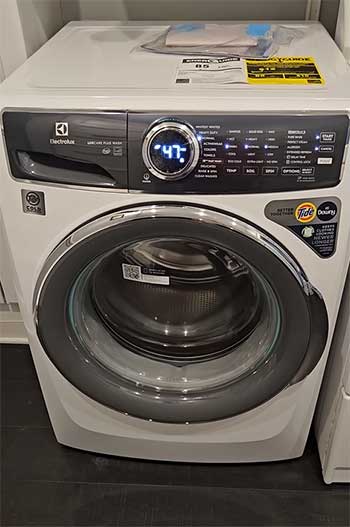
- UltraMix Technology: This is one of Electrolux’s standout innovations. The machine pre-dissolves detergent in water before the water ever touches your clothes. The practical result is that you get more even cleaning, zero detergent residue on fabrics, and a gentler wash experience overall. If you’ve ever pulled clothes out of the washer and found dried detergent caked into a seam, you’ll immediately understand why this matters.
- Perfect Steam: Available on mid-range and premium Electrolux models, the steam function penetrates fabric fibers to loosen dirt, kill bacteria, and remove wrinkles with very little mechanical agitation. This is particularly valuable for dress shirts, delicate knitwear, and anything labeled “gentle wash” on the care tag.
- LuxCare Wash System: Electrolux markets this as its premium fabric-care platform. It combines the spray and soak functions to ensure even cleaning without excessive tumbling. The system is designed to preserve elasticity in sportswear and prevent color fading in cotton garments over repeated washes.
- SmartBoost Technology: Found in select Electrolux front-loaders, SmartBoost pre-mixes detergent with water before entering the drum. This ensures the detergent works at full effectiveness even in cooler water temperatures — which is important for energy efficiency without sacrificing cleaning quality.
- ENERGY STAR Certification: Almost all current Electrolux front-load washers carry ENERGY STAR certification, meaning they meet or exceed federal energy efficiency guidelines. Over a decade of use, this translates to real savings on your utility bills.
- Tub-Clean Cycle: Electrolux includes an automated drum-cleaning cycle in its machines, which prevents mold and mildew buildup inside the drum — a common problem with front-load washers if they’re not maintained properly.
- Balanced Load Detection: Electrolux machines use sensors to detect uneven loads and automatically redistribute before the spin cycle begins. This prevents that violent banging and walking that poorly loaded machines are notorious for.
- Sanitize Cycle: Higher-end Electrolux models include a sanitize setting that heats water to a temperature sufficient to kill the vast majority of household bacteria and allergens. This is especially relevant for households with allergy sufferers or young children.
Electrolux Washing Machines: Pros and Cons
Pros
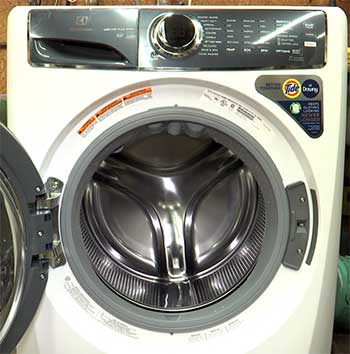
- Exceptional fabric care: The combination of UltraMix, LuxCare, and steam functions makes Electrolux one of the gentlest washers on the market without sacrificing cleaning effectiveness. Clothes genuinely come out looking better over time.
- European design heritage: Electrolux machines are built around efficiency and durability principles that are standard in European appliance engineering. They tend to run efficiently and are built with quality materials.
- Good energy and water efficiency: Electrolux front-loaders consistently post strong numbers on energy and water usage, making them a sound long-term investment from an operating cost perspective.
- Steam cleaning capability: The Perfect Steam feature is not a gimmick — it genuinely reduces the need for ironing and handles allergens effectively, which is something families with asthma or allergy sensitivities will genuinely appreciate.
- Solid build quality: Electrolux machines tend to feel substantial and well-made. The drum finish is typically stainless steel, and the control panel is usually intuitive and well-organized.
- Effective stain removal: Despite the emphasis on gentle washing, Electrolux machines are genuinely effective at removing everyday stains. The pre-soak and spray functions are well-calibrated.
- Quieter-than-average operation: While not as quiet as LG’s Direct Drive units, Electrolux machines are notably quiet by industry standards, making them suitable for open-plan home layouts.
Cons
- Shorter warranty coverage: The motor warranty on most Electrolux machines is 1 to 2 years, which falls well short of LG’s 10-year Direct Drive warranty. This is a meaningful difference when comparing long-term ownership risk.
- Limited smart home integration: If you’re invested in a Google Home or Amazon Alexa ecosystem and want your washer to be part of it, Electrolux’s options are limited compared to what LG offers.
- Smaller maximum drum capacity: With a cap of around 5.2 cubic feet in most models, Electrolux isn’t the best choice for very large households doing bulky loads regularly.
- Fewer specialized wash cycles: Electrolux covers the most common wash scenarios well, but it doesn’t offer the breadth of specialized cycles that LG provides — things like dedicated activewear cycles with specific drum motion patterns, or AI-recommended settings.
- Higher price-to-feature ratio in some tiers: At certain price points, competing brands — including LG — offer more features for the same dollar amount.
- App functionality is inconsistent: The smart features on Electrolux machines that do have app support are not always intuitive, and the app has received mixed reviews from users.
LG Washing Machines: Key Features
LG is, by almost any objective measure, one of the most technologically advanced washing machine manufacturers in the world. Here’s what the brand brings to the table:
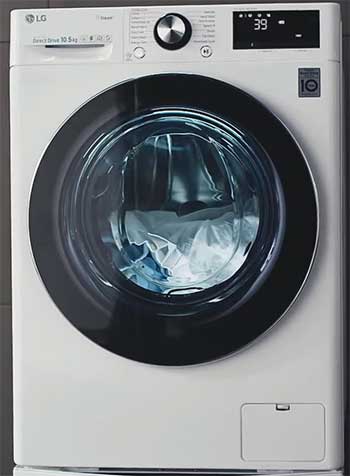
- Direct Drive Motor with 10-Year Warranty: The Direct Drive motor is the centerpiece of LG’s mechanical advantage. By eliminating belts and pulleys, LG reduces mechanical complexity, lowers noise, decreases vibration, and extends the operational lifespan of the motor significantly. The 10-year warranty that backs it up is a genuine statement of confidence.
- TurboWash Technology: LG’s TurboWash shortens wash cycles without sacrificing cleaning performance by using a powerful spray jet and optimized drum rotation patterns. Full loads that would take 50–60 minutes in a conventional washer can be done in under 30 minutes with TurboWash. This is a real-world time saver for busy households.
- 6Motion DD Technology: The drum moves in six distinct directions during the wash cycle — rolling, stepping, sweeping, scrubbing, filtration, and tumbling — each designed to tackle different types of soil and fabric. This multi-directional approach is genuinely more effective than a single-direction tumble at loosening embedded dirt.
- ThinQ AI and App Integration: LG’s ThinQ platform is one of the most developed smart home appliance ecosystems available. You can start or pause cycles remotely, receive end-of-cycle notifications, download new wash cycles directly to the machine, and even enable AI-powered fabric care recommendations based on load composition.
- Steam Technology: LG’s steam function penetrates deep into fabric fibers to sanitize, dewrinkle, and refresh clothes without a full wash cycle. The Steam Sanitary setting reaches temperatures high enough to eliminate 99.9% of common household allergens — a meaningful claim backed by Allergy UK certification on many models.
- AI DD (Artificial Intelligence Direct Drive): On LG’s premium front-loaders, sensors detect the weight and softness of the load, then automatically select the optimal wash pattern. This isn’t marketing language — it’s a real system that adjusts drum motion in real time based on fabric behavior during the wash.
- Large Capacity Options: LG offers front-load washers up to 6.0 cubic feet, which is among the largest available in the residential market. For families doing frequent loads of king-size bedding, towels, or bulky winter wear, this capacity is a genuine operational advantage.
- Self-Clean Technology: LG’s tub-clean cycle uses steam and high-temperature water to clean the drum interior without requiring bleach or scrubbing. It also sends reminders through the ThinQ app when a cleaning cycle is due.
- ColdWash Technology: LG’s cold water wash technology uses cold water with enhanced drum action to achieve cleaning results that typically require warm water. This reduces energy consumption without compromising on clean.
LG Washing Machines: Pros and Cons
Pros
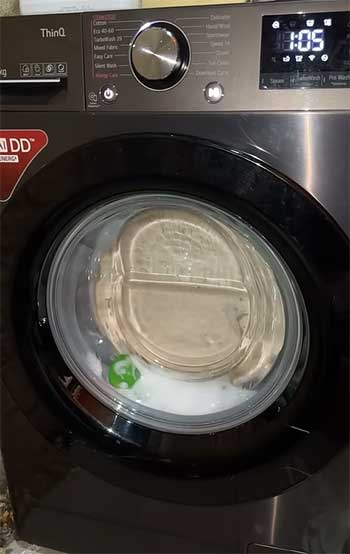
- Industry-leading motor warranty: Ten years on the Direct Drive motor is not something any competitor currently matches in the same price range. This alone is a compelling reason to take LG seriously.
- Superior smart home integration: LG ThinQ is a mature, well-designed ecosystem. If you want a washing machine that fits into a connected home, LG is the strongest option in the mainstream market.
- Exceptional washing performance: LG machines consistently score at the top of independent testing — including Consumer Reports, Good Housekeeping, and similar evaluation bodies — for soil removal, water extraction efficiency, and cycle accuracy.
- TurboWash efficiency: The ability to do a full wash cycle in under 30 minutes without sacrificing cleaning quality is genuinely useful for households that do laundry frequently under time pressure.
- 6Motion drum technology: This multi-directional washing approach is more scientifically sound than simple tumbling. The different motion patterns match different fabric types and soil levels, producing better cleaning outcomes across a wider variety of loads.
- Large capacity options: Up to 6.0 cubic feet means families can do fewer loads with more in each one — which saves time, water, and energy over the course of a year.
- Quiet operation: The Direct Drive motor is legitimately quiet. LG front-loaders are among the quietest machines you can buy, which matters in open-plan homes or multi-story houses.
- Strong long-term reliability reputation: LG’s reliability ratings from owner surveys are consistently strong. The Direct Drive motor’s reduced mechanical complexity is a meaningful contributor to this.
Cons
- Higher complexity can mean higher repair costs: The advanced features and electronics in LG machines, while impressive, can be expensive to repair when something goes wrong. Replacement control boards and specific sensors aren’t cheap.
- Front-load models can develop odor issues: Like all front-load washers, LG machines require diligent door-seal maintenance to prevent mildew. The gasket around the door can trap moisture, and if it’s not wiped down regularly, odor problems develop. This isn’t unique to LG, but it’s worth being aware of.
- Premium models have steep price tags: LG’s top-tier front-loaders with AI DD and ThinQ integration can cost $1,500 to $2,000 or more. That’s a serious investment, and the premium features may be more than some households actually need.
- App dependency can be frustrating: While ThinQ is impressive, some users report inconsistencies with connectivity and cycle syncing. When the app has issues, features you’ve come to rely on become unavailable.
- Less emphasis on fabric gentleness vs. cleaning power: LG’s machines are built to clean effectively, and they do. But if your priority is preserving delicate fabrics across hundreds of washes, Electrolux’s gentler approach may serve your wardrobe better over time.
- Top-load models are less innovative: LG’s impressive technology is concentrated in its front-load lineup. The top-load options, while reliable, are more conventional and offer fewer of the features that make LG’s front-loaders stand out.
Which One Should You Choose?
If you’re someone who has a wardrobe full of clothes you care about — dress shirts, wool sweaters, linen trousers, athleisure with special coatings — and you want a machine that will treat them well over years of use, Electrolux is the right call.
The fabric care engineering is genuinely superior, and the European build philosophy prioritizes longevity and precision.
If you have a large family, do a lot of laundry, want the smartest machine on the market, and value cleaning power and long-term mechanical reliability above all else, LG is the stronger choice.
The 10-year motor warranty, the TurboWash speed advantage, and the ThinQ ecosystem make it hard to argue with from a practical standpoint.
Also Read: Avoid These Worst Washing Machine Brands.
Frequently Asked Questions (FAQ)
Electrolux is gentler on fabrics; LG is a stronger cleaner with better smart features and a superior motor warranty.
LG consistently ranks among the most reliable brands, largely due to its Direct Drive motor and 10-year warranty backing it up.
Yes — it sits in the premium to upper-mid-range tier, above budget brands but below ultra-luxury names like Miele.
No. Electrolux is Swedish, founded in 1919. LG is South Korean, founded in 1947. They are completely separate companies.
Wrapping Up
Both Electrolux and LG make excellent washing machines — they just make them for different people. If fabric care and garment longevity matter most to you, Electrolux is worth every penny.
If you want raw cleaning power, smart home connectivity, and the peace of mind that comes with a 10-year motor warranty, LG is the smarter long-term investment. Think about what your laundry actually demands day to day, and let that answer make the decision for you.