
I’ve tried both pea gravel and mulch across pathways, garden beds, and play areas in my own outdoor space over several seasons.
You face the same decision for your landscaping, and the choice affects drainage, upkeep, appearance, and how the area holds up over time.
My analysis here covers the practical trade-offs so you can match either option to your specific conditions and preferences.
| Aspect | Pea Gravel | Mulch |
| Material Type | Small rounded stones | Organic chips, bark, or shredded material |
| Initial Cost | Higher per square foot | Lower per square foot |
| Longevity | Lasts indefinitely if contained | Needs replenishing every 1–3 years |
| Weed Control | Moderate with proper base | Strong initially, fades as it breaks down |
| Drainage | Excellent, water passes through | Good but can hold moisture |
| Soil Interaction | Inert, no nutrient addition | Adds organic matter as it decomposes |
| Heat Retention | Can get warm in full sun | Stays cooler, insulates roots |
| Maintenance | Occasional raking and edging | Regular top-ups and turning |
| Aesthetic | Clean, modern, uniform look | Natural, varied texture and color |
| Best For | Paths, dry areas, low-water zones | Plant beds, moisture retention zones |
Also Read: Comparison of Paver And Concrete Patio.
Key Differences Between Pea Gravel and Mulch
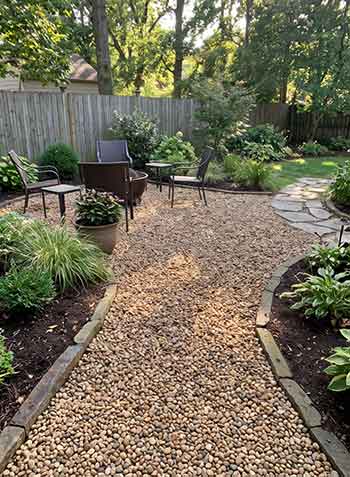
- Drainage behavior: Pea gravel lets water move through quickly without pooling, which I noticed kept my walkway dry even after heavy rain. Mulch absorbs and holds moisture longer, which benefits plants but can leave surfaces damp underfoot in shaded spots.
- Decomposition rate: Gravel stays the same size and shape year after year in my experience. Organic mulch breaks down and feeds the soil, requiring fresh layers to maintain coverage and appearance.
- Temperature effects: Stones heat up noticeably on sunny afternoons, something I felt when walking barefoot on a gravel path. Mulch keeps the ground cooler and protects plant roots from temperature swings.
- Installation weight and effort: Gravel is heavier to move and spread, and I needed a solid border to keep it in place. Mulch is lighter, easier to wheelbarrow, and settles without as much edging.
- Weed emergence patterns: Both can allow some weeds, but gravel tends to let seeds root in the gaps if no fabric sits underneath. Mulch suppresses growth better at first because it blocks light, though it thins out.
- Long-term soil impact: Gravel remains separate from the soil and does not alter pH or nutrients. Mulch gradually improves soil structure and fertility as microorganisms break it down.
- Visual uniformity over time: Gravel keeps its consistent pebble look with minimal change. Mulch color fades and the layer compresses, so the bed looks thinner after a season or two.
- Cost trajectory: You pay more upfront for gravel, then almost nothing later. Mulch costs less to start but adds up with repeated purchases and labor.
These distinctions showed up clearly when I compared a gravel path next to a mulched flower bed side by side for two full growing seasons.
Key Features of Pea Gravel
- Size and shape: The stones are typically 1/8 to 3/8 inch and rounded from water tumbling, so they feel smooth underfoot and do not have sharp edges that could hurt bare feet or paws.
- Color range: Natural tones run from tan and gray to mixed earth colors, giving a clean finished look that pairs with modern or rustic hardscaping.
- Permeability: Water drains freely through the layer, reducing puddles and erosion on slopes or high-traffic routes I have used it on.
- Stability when contained: Once edged with metal, stone, or plastic borders, it stays put and does not migrate as much as loose organic material.
- Low organic content: It does not break down or attract the same insects and fungi that decompose wood products.
- Load-bearing capacity: It supports foot traffic and light wheeled equipment without compacting into mud.
- Reflective quality: Light-colored gravel brightens darker areas and can reduce the need for additional lighting along paths.
- Recyclability: At the end of a project you can scoop it up and reuse it elsewhere or return it to a supplier in some cases.
I used these traits when I replaced a muddy path with gravel and watched how quickly rain disappeared into the base.
Also Read: Try Our Mulch Installation Cost Calculator.
Pros of Pea Gravel
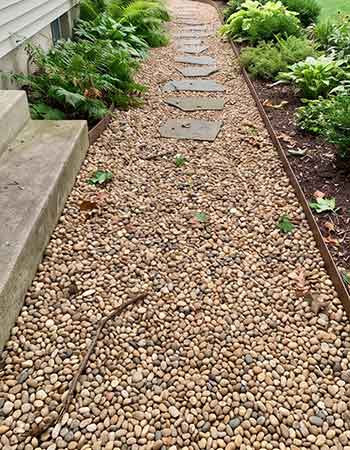
- Minimal ongoing maintenance: After the initial install and edging, I only rake it smooth a few times a year and pull the occasional weed. No seasonal top-ups are required.
- Excellent drainage: Water never sits on the surface of my gravel paths, which prevents icy patches in winter and mosquito breeding spots in summer.
- Long lifespan: The material does not rot, compress, or wash away when properly contained, so one purchase lasts for decades.
- Clean appearance: It looks tidy and intentional year-round without fading or developing a patchy look.
- Fire resistance: Stones do not burn, which matters near grills or in dry climates where I have seen mulch smolder.
- Pest deterrence: Unlike organic mulch, gravel does not harbor termites, carpenter ants, or fungal growth that can spread to nearby structures.
- Versatility in design: You can combine it with pavers, create dry creek beds, or use it under outdoor furniture without worrying about decay.
- Low water use: Because it does not hold moisture against plant stems, it suits drought-tolerant landscaping and reduces irrigation needs around the edges.
In my side yard the gravel path has stayed functional and attractive with almost no intervention beyond occasional leaf blowing.
Cons of Pea Gravel
- Higher upfront expense: Buying and delivering the volume needed for even a modest path costs more than an equivalent area of mulch, and professional installation adds further cost.
- Heat buildup: Dark or medium stones absorb solar radiation and become uncomfortably warm, which I measured with a surface thermometer on summer afternoons.
- Weed growth in gaps: Seeds that land between stones can germinate if sunlight reaches the soil, requiring hand-pulling or a fabric barrier underneath.
- Migration without borders: On slopes or high-traffic edges the stones shift and need containment, otherwise they scatter into lawns or beds.
- Difficult to remove later: If you change your mind, scooping and hauling away dense stone is labor-intensive compared with raking out mulch.
- Limited soil benefit: It adds nothing to soil fertility or structure, so plants nearby rely entirely on existing conditions or amendments.
- Noise underfoot: The stones crunch when walked on, which some people find pleasant and others find noisy near bedroom windows.
- Potential for tracking: Small stones can stick to shoes or pet paws and get carried indoors, though the rounded shape reduces this compared with angular gravel.
I learned the heat and tracking issues the hard way when I used gravel right next to a patio door.
Also Read: Comparison of Nicolock And Unilock Pavers.
Key Features of Mulch
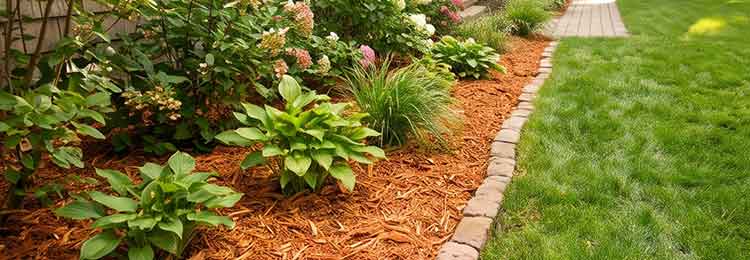
- Organic composition: Wood chips, bark nuggets, or shredded hardwood come from trees and add carbon-rich material that microorganisms turn into humus.
- Moisture retention: A two- to three-inch layer slows evaporation and keeps soil damp longer between waterings, which helped my shrubs during dry spells.
- Insulation layer: It buffers soil temperature so roots experience less extreme heat or cold.
- Weed barrier effect: Fresh mulch shades the soil surface and physically covers emerging seedlings until it thins.
- Aesthetic variety: Available in natural brown, dyed black, or red tones, and the texture ranges from fine shreds to chunky nuggets.
- Soil improvement: As it decays it increases organic matter, improves water-holding capacity, and supports earthworm activity.
- pH influence: Most wood mulches are slightly acidic, which can benefit acid-loving plants such as azaleas or blueberries.
- Ease of application: Bags or bulk deliveries spread quickly with a rake, and you can adjust depth on the spot.
These properties made mulch my default for new planting beds where I wanted both cover and gradual soil building.
Pros of Mulch
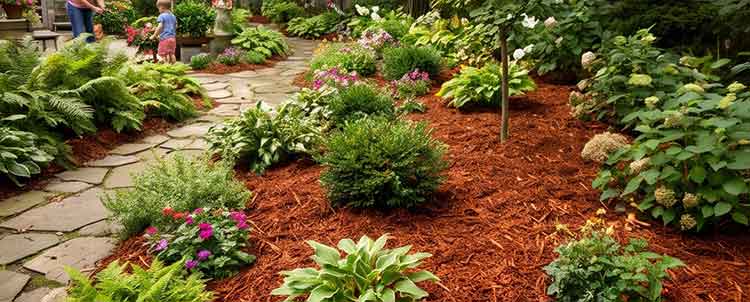
- Improves soil health: Decomposition adds organic matter that I have seen increase earthworm counts and make the soil easier to dig in subsequent years.
- Conserves water: The layer cuts evaporation so I water less often, especially around established shrubs and trees.
- Suppresses weeds effectively at first: A fresh three-inch layer blocks light and reduces the number of weeds I pull in the first season.
- Temperature moderation: Roots stay cooler in summer and warmer in winter, which protected my perennials during late frosts.
- Attractive natural look: It blends with plantings and can be chosen in colors that complement house siding or existing hardscape.
- Lower initial cost: Bulk mulch is inexpensive per cubic yard, making large bed coverage affordable even on a tight budget.
- Easy to adjust: You can add more in spring or fall without specialized tools, and it is forgiving if depths vary slightly.
- Supports beneficial organisms: Fungi and insects that break down the mulch also contribute to a living soil food web.
My vegetable garden borders stayed moister and produced better with consistent mulch coverage.
Also Read: Comparison of Unilock And Cambridge Pavers.
Cons of Mulch

- Regular replacement needed: After one to two seasons the layer thins and fades, so I budget time and money for fresh deliveries every year or two.
- Can attract pests: Termites, rodents, and certain fungi sometimes move into thick organic layers, especially if mulch touches wood siding or foundations.
- Nitrogen tie-up: Fresh wood mulch can temporarily pull nitrogen from the soil as it decomposes, which I countered with a light fertilizer application.
- Slides on slopes: Without additional netting or terracing, heavy rain can wash mulch downhill and leave bare patches.
- Moisture against stems: Piling mulch against tree trunks or plant crowns encourages rot, so I keep a small gap around every plant.
- Color fading and compaction: Dyed mulches lose their hue, and foot traffic packs the material down so it no longer looks full.
- Fire risk in dry regions: Dry mulch can ignite from sparks or cigarettes, a concern I considered when placing it near outdoor cooking areas.
- Variable quality: Some bulk loads contain weed seeds or disease, which forced me to inspect deliveries and sometimes return contaminated material.
These drawbacks became obvious when I had to re-mulch the same bed twice in eighteen months.
Choosing Based on Your Specific Conditions
Pathways and high-traffic zones favor pea gravel because it stays put and drains fast. I switched my main walkway to gravel after mulch turned to mud under repeated use.
Garden beds and around trees benefit more from mulch because the organic matter supports root growth and reduces watering. Play areas can go either way: gravel avoids splinters and stays clean, while mulch feels softer underfoot but needs more frequent refresh.
Climate matters too. In wet regions the drainage of gravel prevents soggy spots; in arid zones mulch stretches limited irrigation water. Budget timelines also differ. If you can spend more now and want decades of low effort, gravel wins.
If you prefer lower entry cost and soil-building benefits, mulch makes sense. I have used both in the same yard by matching each to the function of the space.
Installation and Long-Term Observations
For gravel I excavated a few inches, laid landscape fabric in some sections, added a compacted base, then spread the pea gravel and locked it with metal edging.
The fabric reduced weeds but was not perfect; some still appeared at the edges. Mulch went down over existing soil after I pulled major weeds, at a consistent two- to three-inch depth, kept away from stems.
Over three years the gravel path required almost no added material while the mulched beds needed two full replenishments. Leaves and debris are easier to blow off gravel than to rake out of mulch.
Both options look best when the surrounding hardscape and plantings are considered together rather than treated as afterthoughts.
Also Read: Comparison of Pavers And Stamped Concrete.
Frequently Asked Questions (FAQ)
It costs more at the start, can heat up in sun, allows some weeds between stones, and is hard to remove if you change plans later.
Yes for pathways or around plants that prefer dry feet, but it will not improve soil the way organic mulch does and may need a barrier underneath.
A layer of landscape fabric or a compacted base helps control weeds and keeps stones from sinking into soft soil.
Some will if seeds reach the soil below, especially without fabric; regular pulling or a solid base keeps them manageable.
Wrapping Up
You now have a clear side-by-side view of how pea gravel and mulch perform in real conditions. I matched each material to different zones in my yard and saw lasting results from that approach.
You can do the same by weighing drainage needs, maintenance time, budget, and the look you want, then installing the better fit for each area so the finished space stays practical and attractive for years.