
I spent months weighing oak against maple for my own floors after living with both in different places, and the choice always came down to how each handles daily life rather than just looking pretty in photos.
This comparison breaks down the real differences in hardness, grain, staining, and long-term wear so you can match the wood to your traffic, style, and maintenance habits without guessing later.
| Feature | Oak Flooring | Maple Flooring |
| Janka Hardness | Red oak ~1290, white oak ~1360 | Hard maple ~1450 |
| Grain | Open, pronounced, textured | Tight, fine, smooth and uniform |
| Color | Warm golden to reddish-brown | Pale cream to light blonde |
| Stain Performance | Excellent, even absorption | Challenging, often blotchy |
| Wear Visibility | Hides minor scratches well | Shows marks more clearly |
| Best Style Fit | Traditional, rustic, transitional | Modern, minimalist, light interiors |
| Typical Cost Range | Often more affordable (esp. red oak) | Comparable to slightly higher |
| Dimensional Stability | Strong in humidity swings (white oak) | Slightly more movement |
Key Features of Oak and Maple Flooring

- Oak brings open pores and bold growth rings that create natural texture and visual interest across every board. Red oak leans warmer with pinkish undertones while white oak stays more neutral and beige, both offering plenty of character that photographs well and ages with personality. The wood takes finish readily, so you can shift from light natural tones to deep espresso without fighting the material. Density sits in a practical range that supports high traffic once sealed, and white oak in particular handles moisture better than many other domestics because of its tighter cellular structure in the right grades.
- Maple delivers a closed-grain surface that sands and finishes to an almost glassy smoothness. Hard maple (the common flooring grade from sugar maple) stays consistently pale, which brightens rooms and makes smaller spaces feel larger. That same density that resists dents also limits how deeply color can penetrate, so the natural look or very light finishes usually win. It shows up in gyms and sports floors for a reason: the surface holds up under repeated impact. Color stays relatively stable indoors, though sunlight can warm it toward amber over years.
Also Read: Is Proximity Mills Flooring Worth It?
Key Differences Between Oak and Maple Flooring
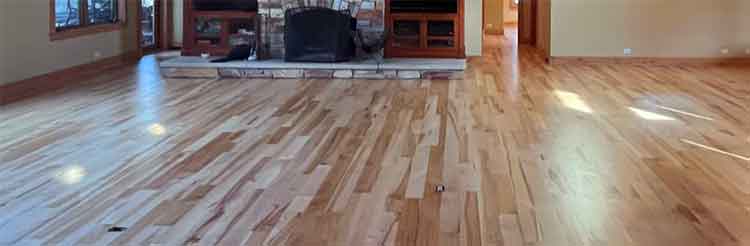
- Hardness and dent resistance separate them more than most people expect. Maple scores higher on the Janka scale, so dropped pans, high heels, or heavy furniture leave fewer deep marks. Oak sits close enough for most homes and its open grain distributes some force, but you will see more indentations if traffic is constant. In practice I noticed maple surviving toddler toy drops better while oak still looked fine after years of regular living.
- Grain and how wear shows up matter just as much as the number. Oak’s pronounced texture camouflages fine scratches, dust, and scuffs so the floor keeps looking lived-in rather than damaged. Maple’s smooth face makes the same marks stand out against the uniform background, even when the wood itself is harder. Cleaning habits change because of this: maple rewards frequent sweeping while oak forgives a missed day.
- Staining and color flexibility create the biggest practical gap. Oak drinks stain evenly across a wide palette, letting you match cabinets, trim, or change direction later. Maple resists even absorption, so dark or medium stains often blotch unless a conditioner and experienced finisher are used. Many people end up keeping maple closer to its natural pale tone for that reason.
- Style and light interaction also diverge. Oak reads warmer and more traditional or transitional, pairing easily with varied furniture. Maple stays cooler and cleaner, amplifying modern, Scandinavian, or minimalist rooms and reflecting light differently. Over large open plans the uniformity of maple can feel serene or slightly plain depending on the rest of the design.
- Stability and moisture response differ in humid climates. White oak generally moves less with seasonal humidity swings. Maple can expand and contract a bit more, so consistent indoor humidity control becomes more important to avoid gaps or cupping.
Pros of Oak Flooring

- Oak accepts stain and color changes better than almost any other common hardwood, giving real design flexibility if tastes shift or you want to coordinate with existing elements. I have seen the same boards go from light to rich brown with predictable results, something maple rarely delivers without extra work.
- The open grain hides everyday wear effectively, so hallways, kitchens, and homes with kids or pets stay looking decent between cleanings. Minor scratches blend into the texture instead of standing out as bright lines.
- Availability and cost often favor oak, especially red oak, which keeps material and installed prices competitive for larger areas. White oak costs more but still lands in a workable range for many projects while adding moisture resistance.
- Character and warmth come built-in. The variation in grain and color across boards adds depth that feels less manufactured, supporting both classic and updated traditional looks without extra design effort.
- Refinishing options stay broad because the wood takes new finishes well, and the material has a long track record in residential settings that supports multi-decade use when maintained.
Also Read: Is Republic Flooring Worth It?
Cons of Oak Flooring
- It sits slightly softer than hard maple, so sharp impacts or concentrated weight can leave more visible dents over time. In very high-traffic zones those marks accumulate faster than on maple even if the grain softens their appearance.
- Open pores can collect more fine dirt if the finish is not kept up, and some people find the texture less sleek underfoot compared with maple’s smoother surface.
- Red oak can lean pinkish in certain lights, which does not suit every palette and may require more careful stain selection to neutralize.
- While durable, it is not the absolute hardest option, so homes with heavy furniture sliding or constant grit from outside benefit from good entrance mats and finish quality.
Pros of Maple Flooring
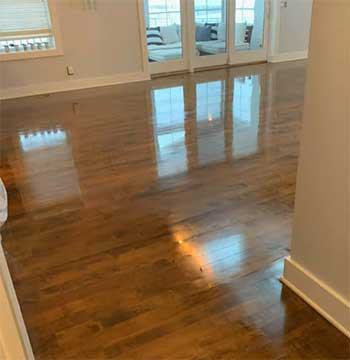
- Higher hardness gives better resistance to denting from drops and traffic, which is why it appears in commercial and sports applications. In my experience the surface stayed flatter longer under chairs and toys.
- The pale, uniform color and tight grain create a bright, clean canvas that works especially well in modern and light-filled spaces. Rooms feel more open and less busy.
- Smooth finish feels pleasant underfoot and can look more contemporary once installed. It also pairs cleanly with painted cabinets or simple furnishings without competing for attention.
- When left natural or lightly finished it avoids the blotching risk and keeps a consistent appearance across boards.
- Cost often sits in a similar band to oak, and the durability can reduce the need for early refinishing in busy households.
Cons of Maple Flooring
- Staining is difficult and frequently produces uneven results without proper prep, limiting color options if you want anything beyond light or natural tones. Darker goals usually require dyes or professional work that adds cost.
- Scratches and dirt show more readily against the smooth, light surface even though the wood is harder. Pet claws or grit can create visible paths that need more proactive cleaning and protection.
- Sunlight can warm the color toward yellow or amber over time, shifting the original pale look. UV exposure management helps but does not eliminate the change entirely.
- The uniform appearance can feel plain or monotonous across very large areas if the rest of the design does not add interest. Some find it less forgiving of installation imperfections because there is less grain to disguise them.
- Humidity swings demand attention; greater movement than white oak means consistent climate control matters more to prevent gaps.
Also Read: Comparison of Pergo Flooring And Vinyl.
How These Differences Play Out in Daily Use?

I have watched both floors under the same kinds of use and the practical gaps appear quickly.
In a busy kitchen oak’s texture kept the floor from looking worn even after months of spills and foot traffic, while maple needed more frequent attention to stay bright and mark-free.
Maple’s hardness paid off when something heavy dropped; the dent was shallower.
Staining decisions locked in early: once I committed to oak I could adjust tone later, but maple projects stayed closer to the wood’s natural shade.
Cost differences rarely swung the decision alone because installation and finish quality mattered more, yet red oak often left more budget for better underlayment or wider planks. Maintenance routines also shifted.
Maple rewarded regular dry mopping to keep the light surface clean; oak tolerated occasional deeper cleans because the grain absorbed visual noise.
Pets and kids amplified the contrast—oak forgave claw marks better visually, maple resisted deeper gouges better structurally.
Over five to ten years both held up when humidity stayed reasonable and finishes were maintained, but the one that matched the household’s actual habits looked better with less effort.
Matching the Floor to Your Home and Priorities
Homes with high traffic, kids, or pets often favor oak because the grain conceals the evidence of daily life and staining options leave room for future changes.
Modern or light-oriented interiors lean toward maple when the clean, bright surface supports the rest of the design and the extra hardness offsets the visibility of marks. If you plan to stain dark or want maximum color flexibility, oak reduces risk and rework.
If the priority is dent resistance and a pale, uniform look that brightens the space, maple fits more cleanly. Climate and humidity control tip the scale toward white oak in variable conditions. Budget conversations usually start with red oak for value, then move to white oak or maple depending on the desired aesthetic.
Installation quality, finish hardness, and ongoing care affect both more than the small Janka difference once the floor is down. I have recommended oak to people who value character and forgiveness, and maple to those who want a sleek modern surface and are willing to manage visibility of wear.
Neither is universally better; the better floor is the one that aligns with how you actually live and what you want the space to feel like over years.
Also Read: Comparison of Click Lock And Tongue and Groove.
Frequently Asked Questions (FAQ)
Many regret materials that fail under real moisture or traffic, such as bamboo in kitchens and wet areas that warps, or high-gloss surfaces that show every scratch and demand constant cleaning. Cheap laminates that chip or peel and dark floors that highlight dust also appear often. Matching the material to the room’s use and your cleaning habits avoids most of those outcomes.
Beauty stays subjective, yet maple frequently earns praise for its clean, bright, uniform surface that feels modern and open. Oak often wins for people who prefer visible grain and warmth that add character. The prettiest floor is the one whose color and texture support the rest of the room without fighting the light or furniture.
Staining often turns blotchy without special prep, scratches and dirt show more clearly on the smooth light surface, the color can yellow with sunlight, and the wood moves more with humidity changes than white oak. The uniform look can also feel plain across large areas.
Yes for contemporary, Scandinavian, and minimalist interiors where light, clean surfaces dominate. They remain a solid, timeless choice in modern homes even if rustic or heavily textured styles currently favor oak’s grain. Style cycles shift, but maple’s hardness and brightness keep it relevant for light-filled spaces.
Wrapping Up
I walked through both materials in real homes and the pattern stayed consistent: maple gives you hardness and a clean modern surface while oak delivers stain flexibility, grain that hides wear, and warmer character.
You should weigh your traffic level, desired color range, and how much daily cleaning you want to do before you order samples. The floor that matches those practical factors will look better and last longer with less frustration, and either can serve well once the finish and installation are solid.