
I spent months comparing flooring for my own home remodel and landed on Pergo versus vinyl as the real decision point.
After living with samples in high-traffic spots and tracking how each held up day after day, I put together this breakdown so you can see exactly where each one wins and loses before you spend a dime.
| Feature | Pergo Flooring | Vinyl Flooring |
| Core Material | High-density fiberboard with photo layer | PVC layers, often rigid or flexible core |
| Water Resistance | Strong resistance; some lines claim waterproof but edges can swell with standing water | Fully waterproof, including edges |
| Underfoot Feel | Firm, hard, slight hollow sound | Softer, warmer, quieter |
| Scratch Resistance | Excellent, especially high AC ratings | Very good; can show scuffs on softer grades |
| Installation | Click-lock floating system | Click-lock or glue-down options |
| Typical Cost per sq ft | Lower to mid-range | Mid to higher range |
| Noise Level | Louder when walked on | Quieter, absorbs more sound |
| Best Moisture Areas | Dry living spaces preferred | Kitchens, baths, basements, mudrooms |
| Refinishing Potential | None; replace damaged planks | None; replace damaged planks |
| Realistic Wood Look | Good, can appear slightly shiny | Often more matte and authentic |
Key Differences Between Pergo Flooring and Vinyl
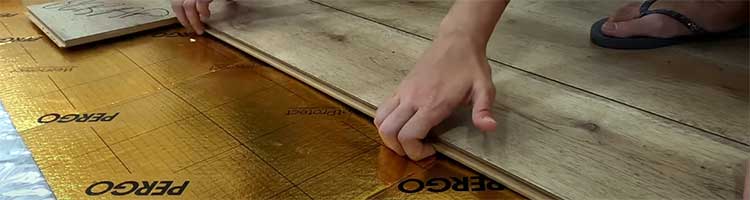
- Material makeup sets the foundation for everything else. Pergo starts with a dense fiberboard core topped by a high-resolution image of wood or stone and sealed under a tough melamine wear layer. That construction gives it a solid, almost rigid feel underfoot. Vinyl, by contrast, builds from multiple layers of polyvinyl chloride. Some versions stay flexible while newer rigid-core styles add a stone-plastic or wood-plastic composite for stability. The difference shows up the moment you step on them: one feels more like a traditional hard surface, the other gives a subtle cushion.
- Moisture behavior creates the biggest practical gap. Modern Pergo lines advertise strong water resistance and some even carry waterproof ratings for limited exposure. In real kitchens and entryways, though, water that sits too long can still creep into the seams and cause the fiberboard edges to swell or cup. Vinyl shrugs off floods, pet accidents, and wet shoes without drama because the entire plank is plastic-based. I tested both by leaving damp towels overnight; the vinyl showed no change while the Pergo needed careful drying to avoid long-term issues.
- Sound and comfort underfoot diverge more than most people expect. Walking across Pergo produces a crisp, slightly hollow click that travels through the house. Vinyl dampens that sound and feels warmer on bare feet, especially in colder months. If you spend a lot of time standing in the kitchen or have bedrooms upstairs, the quieter vinyl makes a noticeable difference in daily living.
- Temperature response also separates them. Pergo stays closer to room temperature but can feel chilly in winter without underfloor heating. Vinyl retains a bit more warmth and never feels as cold against the skin. That small comfort factor matters when kids play on the floor or when you walk around first thing in the morning.
- Expansion and contraction patterns differ with humidity swings. The fiberboard core in Pergo reacts more to seasonal moisture changes in the air, so proper expansion gaps around the perimeter become critical. Rigid vinyl cores stay more dimensionally stable, reducing the risk of buckling in rooms that see big temperature swings.
- Repair approach stays similar yet feels different in practice. Both require replacing individual planks rather than sanding or refinishing. With Pergo the damaged piece usually lifts cleanly from a floating floor if you work carefully from the edge. Vinyl can be trickier if it was glued down, though click-lock versions behave much like laminate once you get the hang of unlocking the joints.
- Visual consistency over large areas shows subtle distinctions. Pergo patterns sometimes repeat every few planks, which becomes visible in long hallways if you look closely. Vinyl manufacturers have pushed harder on randomized grain and matte finishes that hide those repeats better, giving a closer imitation of real hardwood across wide open spaces.
- Weight and transport ease favor vinyl in many cases. Laminate planks feel denser and heavier to carry up stairs, while many vinyl options stay lighter without sacrificing strength. That difference adds up during a full-house install when you are moving boxes yourself.
Also Read: Is Cali Bamboo Flooring Worth It?
Key Features of Pergo Flooring
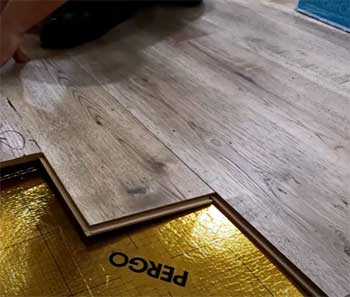
- The wear layer carries an AC rating that measures how well the surface resists abrasion. Higher ratings handle heavy foot traffic, pets, and rolling chairs without showing wear for years. I watched a high-rated Pergo hold up under two dogs and constant kid traffic with only minor surface marks after eighteen months.
- Click-lock edges allow floating installation over most existing floors with minimal prep. The tight joints create a stable surface that stays flat when the subfloor is reasonably level. Alignment stays straightforward once you get the first few rows locked in place.
- Photo-realistic top layers capture wood grain, knots, and color variation with surprising accuracy. Many collections include embossed textures that match the printed image so the floor feels as good as it looks under hand.
- Built-in underlayment appears on some premium lines, cutting the need for a separate foam pad. That feature speeds installation and improves the sound profile slightly compared with basic laminate that requires extra underlayment.
- Warranty coverage often stretches to lifetime residential use on the wear layer when installation follows the guidelines. Real-world claims can get complicated if moisture damage appears, so keeping records of proper installation becomes important.
- Color and style range covers classic oaks, darker walnuts, lighter grays, and even some stone looks. Widths vary from narrow traditional planks to wider modern boards that open up a room visually.
- Surface hardness resists most everyday scratches from furniture legs and pet claws better than many softer materials. Felt pads still help, but the melamine layer takes more abuse than people expect.
- Cleaning stays simple with a dry microfiber mop or a damp mop using manufacturer-approved cleaners. Avoid soaking the floor; light moisture is fine, standing water is not.
Pros of Pergo Flooring
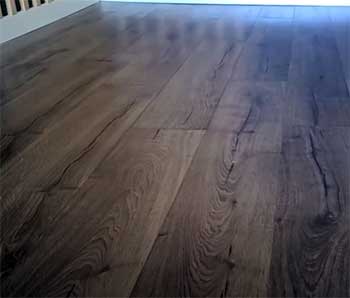
- Lower upfront cost makes covering large areas more affordable without sacrificing a wood-look appearance. When I priced out an entire main floor, the Pergo option came in noticeably under comparable vinyl while still delivering strong performance in dry rooms.
- Superior scratch resistance on higher-rated products handles active households with dogs and kids better than many mid-grade vinyls. Furniture slides and claw marks stay minimal when the wear layer is properly specified.
- Familiar installation process for anyone who has worked with laminate before. The click system feels predictable, and most DIYers finish a room in a weekend once the first rows are square.
- Wide availability in big-box stores means you can see and touch samples in person before ordering. Matching additional planks years later stays easier because popular collections remain in stock longer.
- Solid visual impact in living rooms and bedrooms where moisture is low. The crisp grain patterns and consistent color create a polished look that elevates the space without the price of real hardwood.
- Good thermal conductivity when paired with radiant heat systems. The denser core transfers warmth efficiently compared with some thicker vinyl constructions.
- Environmental certifications appear on many lines, giving peace of mind about indoor air quality and responsible manufacturing for families concerned about those factors.
- Longevity in controlled environments often reaches twenty to twenty-five years with proper care. Dry climate homes see the best results because the fiberboard core stays stable.
Also Read: Is Eco Forest Bamboo Flooring Worth It?
Cons of Pergo Flooring
- Vulnerability to prolonged moisture remains the biggest practical drawback. Standing water from spills, pet bowls, or wet shoes left overnight can cause edge swelling that never fully recovers. Replacement of affected planks becomes the only real fix.
- Harder surface transmits more sound and feels less forgiving underfoot during long periods of standing. Kitchens and home offices highlight this difference quickly.
- Pattern repeats can become noticeable in open floor plans or long corridors if the same grain sequence appears too often. Careful mixing of boxes during installation helps but does not eliminate the issue entirely.
- Limited repair options mean damaged sections require full plank replacement rather than simple refinishing. Matching the exact shade years later can prove challenging if the collection has been discontinued.
- Slightly shinier finish on some collections gives away the laminate nature under bright light. Matte vinyl options often look more natural in the same lighting conditions.
- Expansion requirements demand careful attention to perimeter gaps and transitions. Skipping those details leads to buckling when humidity rises in summer.
- Heavier weight of the planks increases physical effort during a full install, especially when carrying boxes up stairs or across long distances.
- Warranty claims sometimes face pushback if any moisture exposure is suspected, even when the product is marketed as highly water resistant. Documentation of installation and maintenance becomes essential.
Key Features of Vinyl Flooring
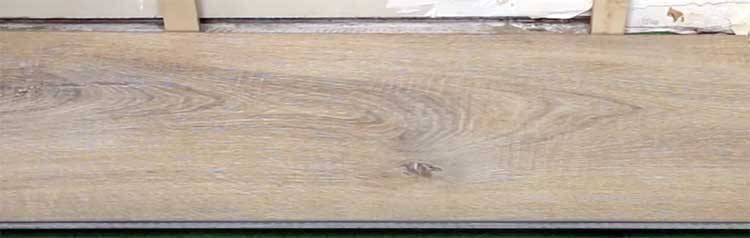
- Full waterproof construction lets the planks sit in wet areas without swelling or delaminating. Spills, tracked-in rain, and even minor flooding leave no lasting mark as long as the water does not sit for weeks under baseboards.
- Soft underfoot response comes from the flexible PVC layers or the slight give in rigid-core versions. Standing for long periods feels less tiring than on harder laminate, and the surface stays warmer in winter.
- Sound absorption reduces the click-clack noise that travels through multi-story homes. Neighbors downstairs notice less foot traffic, and the overall house feels quieter during everyday movement.
- Rigid-core technology in newer lines resists dents from heavy furniture and high heels better than older flexible vinyl. The added density keeps planks from telegraphing every subfloor imperfection.
- Installation flexibility includes both floating click-lock and full glue-down methods. Glue-down versions work well over concrete slabs in basements where extra stability matters.
- Realistic finishes lean toward matte and low-gloss surfaces that mimic aged wood or natural stone without the plastic shine some older products showed. Embossing adds depth that catches light the way real materials do.
- Thickness options range from thin flexible sheets to substantial 5–8 mm rigid planks. Thicker choices feel more substantial underfoot and hide minor subfloor unevenness more effectively.
- Stain resistance handles common household messes like wine, pet accidents, and tracked-in dirt with a quick wipe. The non-porous surface prevents liquids from soaking in and leaving permanent marks.
Also Read: Is Proximity Mills Flooring Worth It?
Pros of Vinyl Flooring
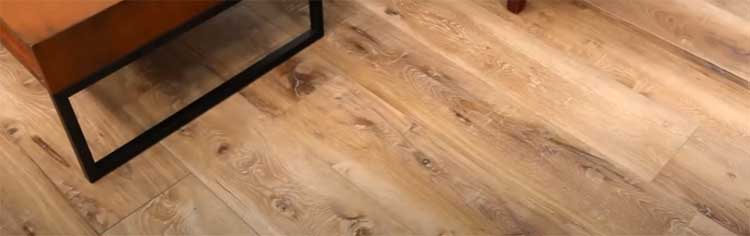
- Complete waterproof performance opens up every room in the house, including bathrooms, laundry rooms, and basements. Accidents stop being emergencies and turn into simple cleanup jobs.
- Comfortable walking surface reduces fatigue and stays warmer in cooler weather. Barefoot mornings feel better, and the slight cushioning helps in homes with older residents or young children.
- Quieter operation improves the overall living experience in multi-level houses. Footsteps and dropped items produce less noise that carries through floors and walls.
- Strong dent resistance on rigid-core versions handles heavy furniture, rolling office chairs, and high-heel traffic without permanent marks. The surface recovers better than many expect.
- Realistic matte finishes and deep embossing create a closer match to actual wood or stone. Guests often need a second look to realize the floor is not hardwood.
- Flexible installation choices adapt to almost any subfloor condition. Floating systems work over existing tile or wood, while glue-down options lock everything tightly on concrete.
- Easy maintenance with everyday cleaners keeps the floor looking new. No special sealers or periodic refinishing ever enter the picture.
- Consistent performance across temperature and humidity swings reduces the risk of gaps or buckling that can appear with other materials.
Cons of Vinyl Flooring
- Higher average cost per square foot can stretch the budget on larger projects. Premium rigid-core lines with the best realism sit above basic laminate pricing.
- Softer surface grades can show scuffs and scratches more readily under heavy pet traffic or dragged furniture. Choosing a higher-quality wear layer becomes important for active households.
- Some older flexible vinyl products can feel plasticky underfoot or show indentation from heavy static loads left in place for months. Rigid-core versions largely solve this but cost more.
- Glue-down installations demand careful subfloor preparation and can become permanent, complicating future changes. Floating versions avoid that permanence but may feel slightly less solid.
- Heat sensitivity appears in certain budget lines left in direct sun or near heat registers. Quality products handle normal residential conditions without issue, yet the risk exists with cheaper options.
- Limited ability to repair beyond plank replacement means any deep damage still requires cutting out and fitting a new piece. Color matching after several years can require ordering extra stock at the start.
- Environmental concerns around PVC production and eventual disposal surface for some buyers. Recycling options remain limited in many areas compared with natural materials.
- Thickness variations mean thinner products may telegraph imperfections in the subfloor more than thicker laminate alternatives, requiring extra leveling work.
How Installation Feels in Real Life?
I started with a bedroom using Pergo to get comfortable with the click system. The planks locked firmly once I learned to angle them correctly, and the floor felt solid within a few hours.
Cutting around door frames took patience because the denser material dulled saw blades faster than expected. Moving to the kitchen with vinyl felt smoother; the lighter weight and more forgiving edges made long rows go quicker.
Both systems reward careful first rows and consistent tapping, yet vinyl forgave small subfloor dips better than the laminate did.
Also Read: Differences Between Click Lock And Tongue and Groove.
Frequently Asked Questions (FAQ)
Moisture sensitivity that can cause edge swelling, harder feel underfoot, more sound transmission, and no refinishing option.
Luxury vinyl plank leads in most residential projects because of its waterproof performance and realistic appearance.
Both can last twenty to thirty years with care; vinyl often outlasts laminate in areas that see regular moisture.
Wrapping Up
After living with both floors through seasons of heavy use, I see clear strengths on each side. Pergo delivers solid value, strong scratch resistance, and a clean wood look in dry spaces. Vinyl brings full waterproof confidence, quieter comfort, and broader room suitability.
Your choice depends on where the floor will live, how much moisture it will face, and what your budget allows. Measure the rooms, test samples under your actual lighting, and match the product to the real demands of the space.
When the decision lines up with daily life, either floor can serve you well for years.