
When I first started comparing protein powders to support my own training and recovery, Muscle Milk and Optimum Nutrition stood out as two heavy hitters that keep showing up in gyms, stores, and online discussions.
Both deliver solid protein, but they approach it differently—one leans into a fuller, more sustained profile while the other stays lean and focused.
This comparison walks through the real differences in nutrition, how they feel in daily use, taste and mixing, value, and which situations each one handles best so you can match the right one to your goals, whether that’s adding size, staying lean, or just hitting protein targets without hassle.
| Aspect | Muscle Milk Genuine Protein Powder | Optimum Nutrition Gold Standard 100% Whey |
| Protein per serving | 32g | 24g |
| Serving size | 70g (2 scoops) | 30-32g (1 scoop) |
| Calories | 270-310 | 110-120 |
| Total Carbs | 20-21g | 3g |
| Sugars | 2g (low in many flavors) | 1-2g |
| Fat | 9g | 1-1.5g |
| Protein type | Blend: whey concentrate + milk protein isolate + calcium/sodium caseinate | Whey isolate (primary) + concentrate + peptides |
| Digestion | Mix of fast and slower-releasing proteins | Fast whey blend with added digestive enzymes |
| Added perks | Vitamins A, C, D, calcium, magnesium, fiber in some | BCAAs (5.5g), glutamine, lactase & Aminogen enzymes |
| Mixability & texture | Thicker, creamier, can feel substantial | Very smooth, dissolves quickly with minimal grit |
| Flavor variety | Solid but fewer options (chocolate, vanilla, strawberry common) | Extensive (20+ including dessert-style) |
| Approx. price per serving | $1.00–$1.60 (varies by tub size) | $0.80–$1.10 (better in larger tubs) |
| Best suited for | Bulking phases, feeling full longer, added nutrients | Cutting, precise low-calorie protein hits, post-workout |
Key Differences Between Muscle Milk And Optimum Nutrition
- Protein Composition and How It Releases in Your Body

Muscle Milk uses a multi-source blend that combines quicker whey with slower-digesting milk proteins and caseinates.
This creates a staggered amino acid release that can keep muscle repair ticking over for longer periods.
If you train hard and want something that bridges meals or supports overnight recovery without needing another shake right away, that sustained element stands out.
Optimum Nutrition sticks to a whey-focused trio—isolate first for purity and speed, then concentrate and peptides.
The result hits your system faster, which pairs well right after training when your body is primed to soak up amino acids quickly.
Both deliver leucine in meaningful amounts, but the whey-heavy approach in Optimum Nutrition edges closer to the threshold many people target for triggering muscle protein synthesis in a single serving.
You feel the difference in timing: one spreads support across hours, the other delivers a sharp, efficient boost.
- Calorie Load and Macro Impact on Your Daily Numbers
This is where the two diverge most noticeably for people tracking intake closely.
Muscle Milk packs substantially more calories, carbs, and fat per serving because of its larger scoop and added components.
That makes it function almost like a mini meal replacement or bulking aid—you get protein plus enough energy to curb hunger and support weight gain if that is your current phase.
Optimum Nutrition keeps everything minimal so you can drop it into a shake or smoothie without shifting your calorie or carb targets much.
During a cut or maintenance phase where every gram counts, the leaner profile avoids accidental surplus.
If you are already eating big and need convenient calories alongside protein, the higher numbers in Muscle Milk become an advantage rather than a drawback.
- Digestibility and How Your Stomach Handles Them
Optimum Nutrition adds digestive enzymes like lactase and Aminogen, which many users report helps reduce bloating even if they have mild lactose sensitivity.
The whey blend breaks down efficiently for most people. Muscle Milk’s inclusion of milk-derived proteins can feel heavier for some, especially if dairy bothers them, though the overall formulation has improved over time.
Both sit well for the majority of users when mixed properly, but if you have tested sensitive to thicker or milk-based products before, starting with smaller amounts of either is smart.
Real-world feedback shows Optimum Nutrition wins more often on “no stomach issues” notes, while Muscle Milk users often mention it keeps them satisfied longer precisely because it digests more gradually.
Also Read: Comparison of Muscle Milk And Fairlife.
- Taste, Texture, and Daily Enjoyment Factor
Taste remains subjective, yet patterns emerge from consistent user reports and my own side-by-side trials.
Optimum Nutrition’s chocolate and vanilla options taste clean with good depth—many describe Double Rich Chocolate as legitimately enjoyable rather than overly artificial. It mixes into water or milk with almost no clumps and a smooth mouthfeel.
Muscle Milk leans creamier and thicker, which some people love because it feels more like a milkshake or dessert. Others find certain flavors carry a slight artificial edge or require extra liquid to avoid chalkiness.
If you value variety and a light, quick-drinking shake, Optimum Nutrition usually delivers more consistent wins. If you want something that feels substantial and satisfying on its own, Muscle Milk’s texture can make the routine more pleasant.
- Value, Scoop Economics, and Long-Term Cost

Price per serving fluctuates with sales and tub size, but the math favors different choices depending on volume.
Muscle Milk gives you more protein per actual scoop, yet the larger serving size means you go through tubs faster if you use full recommended amounts.
Optimum Nutrition’s smaller scoops stretch further for people who only need 20-25g at a time.
In larger containers both become more economical, though Optimum Nutrition often lands at a slightly lower cost per gram of protein when bought in 5 lb or bigger sizes.
Neither breaks the bank compared to premium isolates, but Optimum Nutrition tends to win on pure protein efficiency while Muscle Milk offers more “extras” baked into each serving.
- Added Nutrients and Overall Formulation Philosophy
Muscle Milk includes a meaningful dose of vitamins and minerals—think calcium, vitamin D, and others—which can help if your diet runs low on micronutrients from whole foods. It positions itself as more than just isolated protein.
Optimum Nutrition keeps the focus narrow and deep: high-quality whey with enzymes and naturally occurring BCAAs and glutamine. There are fewer “bonus” nutrients, but what is there is optimized for absorption and muscle support.
One approach adds breadth; the other refines depth. Neither is wrong—it simply depends whether you want a fortified all-in-one style product or a targeted protein tool.
Key Features of Muscle Milk And Optimum Nutrition
- Muscle Milk’s Sustained-Release Blend and Satiety The combination of whey and milk proteins creates a thicker shake that many people find genuinely filling. During busy days or longer gaps between meals, that extra staying power reduces the urge to graze. The added fats and carbs contribute to that effect without feeling heavy like a full meal. It works especially well as a post-training or mid-afternoon option when you want recovery plus some energy buffer.
- Optimum Nutrition’s Enzyme Support and Clean Absorption The inclusion of lactase and protein-digesting enzymes sets it apart for users who want fast uptake without digestive drag. This feature shines during high-frequency training blocks or when stacking multiple protein sources throughout the day. The low lactose residue also makes it more approachable for people who normally avoid dairy-heavy products.
- Flavor Range and Mixing Reliability Optimum Nutrition offers far more flavor experiments—everything from classic chocolate to limited dessert profiles—while maintaining reliable mixability across the board. Muscle Milk stays more traditional but delivers a richer mouthfeel that feels premium in chocolate and vanilla crème. Both brands have improved formulations recently, reducing grit complaints compared to older versions.
- Third-Party Testing and Brand Consistency Optimum Nutrition carries strong Informed Choice or Sport certifications on many batches, giving extra peace of mind around label accuracy and banned substances. Muscle Milk maintains solid manufacturing standards as well, though independent heavy-metal spot checks have occasionally flagged higher levels in certain protein powders across the category. Checking recent batch testing remains worthwhile for any brand you use daily.
Also Read: Comparison of Body Fortress And Optimum Nutrition.
Pros of Muscle Milk

- Higher Protein Delivery in One Go Thirty-two grams per serving means fewer scoops to reach higher daily targets. For bigger athletes or those in aggressive bulking phases, that efficiency adds up over weeks. You cover more ground with each shake without needing multiple smaller ones.
- Built-In Staying Power from the Protein Blend The slower-digesting components help maintain amino acid levels longer than pure whey alone. Many users notice they feel less hungry and more stable energy-wise between meals, which supports adherence during demanding schedules.
- Extra Vitamins, Minerals, and Overall Fortification The added micronutrients turn the shake into a small nutritional boost rather than pure protein. If your diet sometimes lacks variety in fruits, vegetables, or dairy, this can quietly help fill gaps without extra pills or planning.
- Creamy, Dessert-Like Texture That Feels Indulgent For people who struggle with “chalky” protein drinks, Muscle Milk’s thicker consistency often wins on enjoyment. It mixes into something closer to a milkshake, which makes the habit easier to keep long-term.
- Good Option When You Want Calories and Protein Together During mass-building phases or for hardgainers who need surplus energy, the higher calorie count works in your favor. You hit protein and calorie goals in one convenient step instead of forcing extra food.
- Often Competitive Pricing for the Macros Delivered You get a substantial serving with added nutrients at a cost that frequently undercuts more specialized products. For budget-conscious users who still want quality, it offers strong everyday value.
Cons of Muscle Milk
- Higher Overall Calories and Macros Can Work Against Cutting Goals If you are trying to stay lean or in a deficit, the extra carbs and fat require careful accounting. It is easy to overshoot daily targets if you treat it like a standard whey scoop.
- Lower Protein Density Means More Powder Volume Because the serving is larger and includes other ingredients, you consume more total powder to get the protein compared with leaner options. Storage and scooping feel bulkier over time.
- Potential for Heavier Feel or Mild Digestive Notes in Sensitive Users The milk protein components and higher fat content can sit heavier for some people, especially on an empty stomach or during high-volume training days.
- Fewer Flavor Options and Occasional Artificial Aftertaste Reports While the core flavors satisfy many, the lineup stays narrower than competitors, and some users detect a processed note that lingers compared with cleaner-tasting alternatives.
Pros of Optimum Nutrition Gold Standard
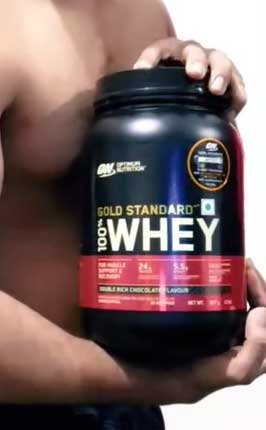
- Lean Profile Lets You Control Calories Precisely The low carb and fat numbers make it simple to add exactly the protein you need without affecting the rest of your daily math. This flexibility shines during recomp or cutting phases.
- Fast Absorption Supported by Enzymes The added digestive aids and whey peptide component help many people process it quickly and comfortably, reducing common complaints about bloating or sluggishness.
- Excellent Mixability and Wide Flavor Selection It disappears into water or milk almost instantly with a smooth result. The extensive flavor range keeps things interesting across months of daily use without flavor fatigue.
- Strong Reputation for Consistency and Testing High review volume and frequent top rankings reflect reliable quality control. Many athletes trust it because batches often carry third-party verification for purity and label accuracy.
- Efficient Protein per Gram and Strong Value in Bulk Smaller scoops stretch further, and larger tubs bring the per-serving cost down nicely. It remains one of the better-priced options when measured strictly by protein delivered.
- Naturally Occurring BCAAs and Glutamine in Solid Amounts You get meaningful branched-chain amino acids and glutamine without needing separate products. This built-in support aids recovery between sessions.
Cons of Optimum Nutrition Gold Standard
- Lower Protein per Individual Scoop Twenty-four grams is plenty for most, but bigger athletes or those aiming for very high daily intakes may need two scoops more often, which changes the economics slightly.
- Can Feel Less Filling on Its Own The light profile means it does not curb hunger as effectively as higher-calorie options. Some users pair it with food or add-ins to increase satisfaction.
- Artificial Sweeteners May Bother Sensitive Stomachs Sucralose and acesulfame potassium appear in many flavors. While most tolerate them fine, a minority report aftertaste or mild digestive response.
- Taste Can Vary More Across Flavors While chocolate and vanilla rate highly, some of the more adventurous flavors land average or inconsistent according to long-term users.
Also Read: Is Momentous Protein Powder Worth It?
Frequently Asked Questions (FAQ)
It provides quality protein plus vitamins and minerals and can fit well into a balanced diet as a supplement. Like any processed product, it works best when it supports—not replaces—whole-food meals. Account for its calories and macros in your overall plan.
No single brand claims the title for everyone. Look for transparent labeling, third-party testing for contaminants, and a formula that matches your digestive tolerance and goals. Optimum Nutrition frequently ranks high for consistent quality and certifications.
It depends on what “better” means to you. It stands out for sustained release and satiety with added nutrients. For pure lean protein density and fast absorption, other whey-focused options can be preferable.
Optimum Nutrition Gold Standard 100% Whey regularly tops sales charts, review volume, and expert roundups for its balance of taste, mixability, value, and reliability, though personal preference always plays a role.
Final Thoughts
When you line up your specific goals—bulking or leaning out, taste priorities, budget, and how the shake fits your daily rhythm—the clearer path appears. Muscle Milk offers a heartier, more nutrient-dense experience that many appreciate during growth phases or when they want something that actually feels like food.
Optimum Nutrition delivers a refined, efficient protein hit that slips easily into almost any routine without shifting the rest of your numbers.
Try both if you can, or start with the one that matches your current phase most closely. Pay attention to how you feel, how it mixes into your schedule, and whether it helps you stay consistent. That real-world feedback will tell you more than any spec sheet.
Over time you might rotate between them or settle on one as your daily driver. Either way, both brands have earned their places by delivering results for thousands of users who simply want convenient, effective protein support.