
I have spent years figuring out what actually works for staying strong, recovering well, and keeping things simple in a busy life.
When it comes to ready-to-drink protein shakes, Muscle Milk and Fairlife stand out as popular choices that I have tried myself.
In this article, I compare them head-to-head so you can decide which one aligns with your needs—whether you are building muscle, managing weight, or just looking for a convenient boost. I cover nutrition, taste, ingredients, pros, cons, and real-world use to help you choose wisely.
| Feature | Muscle Milk (Typical Protein Shake) | Fairlife (Core Power / Nutrition Plan) |
| Protein per serving | 25-42g | 26-42g |
| Calories | 170-260 | 150-230 |
| Carbs | 8-11g | 3-8g |
| Sugars | Low to 0 added | 5-8g natural |
| Fat | 4-9g | 2.5-4.5g |
| Key Protein Source | Milk protein concentrate/isolate | Ultra-filtered milk |
| Sweeteners | Often artificial | Mix of natural & artificial |
| Taste & Texture | Creamy but can be chalky | Smooth, milk-like |
| Best For | Higher calorie needs, muscle gain | Lower carb, everyday recovery |
Key Differences Between Muscle Milk And Fairlife
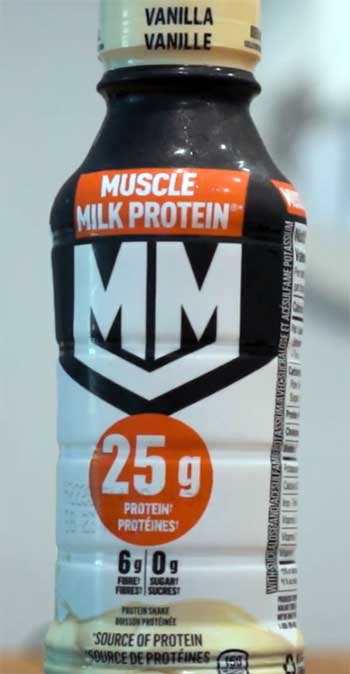
- Protein Source and Processing: I notice Muscle Milk uses concentrated milk proteins that come from isolates and concentrates, providing a solid amino acid profile designed for muscle repair. Fairlife relies on its signature ultra-filtered real milk process that gently concentrates the natural proteins while removing much of the lactose and sugar, resulting in a product that feels closer to drinking actual milk rather than a mixed supplement. This difference shows up in how each one digests and how satisfied I feel afterward.
- Carb and Sugar Profile: Fairlife usually comes in lower on carbs thanks to the filtration that strips away excess sugars, which helps me stay in a calorie deficit or maintain steady energy without spikes when I am watching my intake closely. Muscle Milk offers a bit more carbs in some formulas, which can provide quick energy during intense training days but might not suit everyone aiming for minimal carbs throughout the day.
- Calorie Density: Muscle Milk versions can pack more calories from a balanced mix of proteins and fats, making them particularly useful during bulking phases where I need extra fuel to support heavier lifts and overall mass gains. Fairlife keeps calories more controlled, allowing me to hit protein targets without overshooting daily totals, which proves handy when leaning out or maintaining weight.
- Taste Experience: Fairlife tastes closer to real chocolate milk or vanilla milk with its smooth, creamy consistency that avoids that artificial aftertaste many shakes have, making it something I actually crave rather than force down. Muscle Milk delivers a rich, creamy profile too but sometimes carries a slight chalkiness or thicker mouthfeel that requires good shaking or chilling to optimize.
- Ingredient Simplicity: Newer Muscle Milk formulas have cut back significantly on extras, focusing on cleaner labels with fewer artificial additions, yet Fairlife often feels lighter overall because of its milk-based foundation and minimal processing beyond filtration, appealing to those who prefer fewer added ingredients in their routine.
- Availability and Price: Both are widely available in grocery stores and online, but Fairlife sometimes costs a bit more per bottle due to the premium ultra-filtration technology, while Muscle Milk frequently goes on sale and offers better bulk value for consistent users watching their budget.
- Digestibility: Fairlife’s lactose-free approach works better for sensitive stomachs I have heard from others and experienced myself during periods of higher dairy intake, reducing bloating risks. Muscle Milk has improved but may still challenge those with specific sensitivities to certain milk derivatives or additives in some batches.
Key Features of Muscle Milk
- High-quality complete proteins that support muscle repair after tough sessions by delivering a full spectrum of essential amino acids, including leucine that triggers muscle protein synthesis effectively.
- Variety of flavors and protein levels, from standard 25g options ideal for lighter days to pro series with 40g+ that cater to serious athletes pushing heavy volume in the gym.
- Good source of calcium and vitamins A and D for bone support, which becomes important when training consistently and putting stress on the skeletal system over months and years.
- Convenient ready-to-drink bottles perfect for gym bags or post-workout because they require zero prep and stay stable even when tossed around during commutes.
- Reformulated options with no artificial colors or flavors in newer versions that address past feedback and make them more approachable for regular consumption.
- Higher fiber in some shakes that helps with satiety, keeping hunger at bay for several hours and preventing unnecessary snacking between meals.
- Trusted brand history for athletes looking for sustained energy thanks to the blend of proteins that release amino acids over time rather than all at once.
- Electrolytes in some formulas for hydration during recovery, helping replenish what gets lost in sweat and supporting better overall performance in subsequent workouts.
- Options suitable for different goals, whether gaining size through higher calorie variants or maintaining muscle during maintenance phases with lighter choices.
- NSF certifications on select products for sport safety, giving confidence when competing or training at high levels where purity matters.
I remember grabbing a Muscle Milk after leg day—it gave me that satisfied feeling and helped curb hunger until dinner. The creamy texture mixes well and does not separate easily, which is a win when you are on the go.
Also Read: Is Atkins Strong Protein Shakes Really Healthy?
Pros of Muscle Milk

- Delivers solid protein amounts that help me feel recovered faster by providing the building blocks muscles need right when they are most receptive after training.
- Affordable and easy to find in most stores, making it realistic to keep stocked without disrupting my budget or requiring special orders.
- Higher calorie versions support muscle-building phases effectively by adding clean energy that complements whole food meals rather than replacing them.
- Tastes decent in chocolate and vanilla, especially when chilled, offering a reliable fallback that does not disappoint on busy days.
- Provides a good mix of proteins for longer-lasting amino acid release, which sustains energy and fullness better than fast-digesting options alone.
- Fiber content in some shakes keeps me full longer than other options, reducing the urge to overeat later and supporting consistent calorie control.
- Versatile for mixing into smoothies if you want to customize with fruits, nut butters, or greens for a more complete mini-meal on the run.
- Brand has improved formulas recently with cleaner labels that respond to consumer demands for transparency and fewer questionable additives.
- Great for people needing extra calories without eating more food, especially hardgainers or those with high activity levels who struggle to consume enough through solids.
- Consistent quality across batches in my experience, so I know what to expect each time without surprises in taste or texture.
Cons of Muscle Milk
- Some older formulas had more artificial ingredients that I prefer to avoid now because they can leave a lingering taste or raise personal concerns about long-term use.
- Can taste slightly chalky compared to milk-based options if not shaken well, requiring extra effort to get the best experience every single time.
- Higher fat and calorie counts may not suit everyone cutting weight, as they can add up quickly if multiple shakes become part of the daily routine.
- Potential for digestive discomfort if you are sensitive to certain additives or milk derivatives, leading to occasional bloating that interrupts comfort during the day.
- Not fully lactose-free in all versions, which matters for some users who experience issues even with moderate dairy exposure.
- Sweetness level can feel overpowering after regular use, causing flavor fatigue that makes me rotate to other options periodically.
- Less emphasis on ultra-clean processing compared to competitors, which might matter if you prioritize minimal intervention in your nutrition.
- Heavier texture that some find too thick for everyday sipping, especially in warmer weather when lighter drinks feel more refreshing.
- Mixed reviews on long-term heavy metal concerns in protein products generally, prompting me to vary sources and not rely on any single brand exclusively.
- May not be ideal for very low-carb diets due to carb content that, while moderate, still impacts strict macros more than ultra-low options.
Key Features of Fairlife

- Ultra-filtered milk process that concentrates protein while cutting sugar, creating a product with impressive protein density from real dairy sources.
- Smooth, milk-like texture that feels premium and enjoyable, avoiding the powdery or artificial feel common in many ready-to-drink competitors.
- Lactose-free, making it gentler on the stomach for many people who otherwise limit dairy but still want the benefits of milk proteins.
- High protein with essential amino acids for muscle support, providing what the body needs for repair without unnecessary fillers.
- Lower overall carbs perfect for balanced daily nutrition, allowing flexibility to pair with other carb sources throughout the day.
- Added vitamins and minerals like calcium and vitamin D that contribute to overall health beyond just muscle goals.
- Convenient grab-and-go bottles in appealing flavors that fit easily into busy schedules without preparation.
- Options like Core Power Elite with 42g protein for serious needs when I want maximum recovery support after demanding sessions.
- Clean taste without heavy aftertaste in most reviews I align with, encouraging higher adherence over weeks and months.
- Electrolytes in Core Power for post-workout recovery, aiding rehydration and reducing fatigue effectively.
- Multiple protein levels to match different lifestyles, from moderate daily use to high-performance demands.
- Widely praised for taste among protein shake users, turning supplementation into something I look forward to rather than tolerate.
Fairlife became my go-to when I wanted something that did not feel like a supplement. The chocolate version reminds me of real milk, and I actually look forward to drinking it.
Also Read: Differences Between Atkins And Premier Protein Shakes.
Pros of Fairlife
- Excellent taste that makes hitting protein goals feel easy and enjoyable, removing the mental resistance that comes with less palatable options.
- Lower sugar and carbs support weight management better for me by minimizing insulin responses and helping maintain steady energy levels.
- Higher protein efficiency per calorie in many variants, meaning I get more of what I need without excess energy that could hinder fat loss.
- Ultra-filtered for better digestibility and nutrient absorption, so my body utilizes the protein more effectively with less waste.
- Feels more like real food than a typical shake, bridging the gap between whole milk and supplements in a satisfying way.
- Good micronutrient profile with calcium and vitamins that supports bone health and immunity alongside muscle goals.
- Lactose-free formula works well for sensitive systems, letting me enjoy dairy benefits without common side effects.
- Convenient sizes for quick consumption anytime, whether between meetings, after workouts, or as a bedtime snack.
- Strong user feedback on smoothness and lack of grittiness that translates to a consistently positive drinking experience.
- Versatile for pre- or post-workout without heaviness, fitting seamlessly into different timing strategies.
- Premium quality from a trusted milk brand background that inspires confidence in sourcing and standards.
- Helps with hydration and recovery when including electrolytes, addressing multiple needs in one convenient package.
Cons of Fairlife

- Higher price point per bottle compared to some alternatives, which can add up when using daily and strain budgets over time.
- Thicker consistency that takes getting used to for some, feeling almost like a light smoothie rather than a thin drink.
- Availability can vary by store, though improving, occasionally forcing me to plan ahead or stock up when I find it.
- Natural sugars still present, which may matter for strict keto or very low-sugar approaches despite overall low totals.
- Smaller bottle sizes in some lines mean less volume, requiring an extra shake on high-protein days to meet targets.
- Sweeteners used might not appeal to everyone avoiding them entirely, even if the blend is relatively balanced.
- Can be harder on the wallet for daily use over time, pushing me to compare unit prices carefully against other options.
- Limited flavor variety compared to broader brands, which might lead to boredom if you drink them frequently.
- Higher protein elite versions pack more calories, potentially exceeding needs if not accounted for in overall intake.
- Not ideal if you prefer very low-fat options exclusively, as the creaminess comes from a balanced fat profile.
My Experience Comparing Them Side by Side
I have gone through periods where I rotated both. Muscle Milk gave me more flexibility during bulking when I needed extra calories and did not mind the richer profile.
Fairlife, on the other hand, became my daily driver when focusing on leanness because the taste and lower carbs kept me consistent without boredom.
Taste-wise, Fairlife wins for me personally—it feels refreshing rather than heavy.
But Muscle Milk holds its own in convenience and value when budgets are tight. Both deliver on protein, but the source and processing make a noticeable difference in how they sit in my stomach and how motivated I stay to drink them regularly.
From an analytical view, Fairlife edges ahead for most everyday users due to its cleaner processing and better palatability. Muscle Milk shines when you need higher calorie support or find a flavor you love on sale. Neither is perfect, but both beat skipping protein altogether.
How To Choose Between Muscle Milk and Fairlife?
Consider your goals first. If muscle gain and higher calories are priorities, lean toward Muscle Milk’s pro options. For taste, lower carbs, and everyday recovery, Fairlife often feels like the better daily fit.
I always check labels because formulations update, and test small batches to see what works with my body.
Budget plays a role too—calculate cost per gram of protein. Convenience matters when life gets hectic; both deliver there. Experiment with flavors because enjoyment drives consistency more than anything.
Also Read: Is Lunar Lifts Protein Really Healthy?
Frequently Asked Questions (FAQ)
It provides quality protein and nutrients but includes additives in some versions, so it is a decent option in moderation rather than a daily superfood.
Ratings vary, but Fairlife often tops taste and overall satisfaction lists for many users.
Yes, mainly higher cost and thicker texture; some prefer even lower sugar options.
People with certain milk protein allergies, severe kidney issues, or those strictly avoiding artificial ingredients should consult a doctor first.
Final Thoughts
After trying both extensively and weighing everything, I lean toward Fairlife for its smooth taste and efficient nutrition in most scenarios, but Muscle Milk remains a strong contender when I need more calories or find a great deal.
You know your body and goals best—pick the one that helps you stay consistent and feel good. Give them both a fair shot, listen to how you respond, and build habits that last. You have got this—better protein choices lead to better results over time.