
I’ve spent years chasing better workouts and recovery, and protein powder has been a staple in my routine.
When I first started, I grabbed whatever was affordable, but over time I compared options like Body Fortress and Optimum Nutrition side by side.
In this article, I share my real experiences with both, breaking down how they stack up on protein quality, taste, value, and more so you can figure out what works best for your goals.
Whether you’re bulking, cutting, or just staying consistent, I’ll help you decide without the hype.
| Aspect | Body Fortress | Optimum Nutrition Gold Standard |
| Protein per serving | 30g (per scoop) / 60g (2 scoops) | 24g |
| Calories | ~180-200 | ~120-130 |
| Carbs/Fat | Higher (more maltodextrin, fats) | Lower (leaner profile) |
| Key Add-ins | Creatine, Glutamine, Vitamins C/D/Zinc | Digestive enzymes, BCAAs emphasis |
| Price per serving | Often cheaper, big value | Higher upfront, better per gram value |
| Taste/Mixability | Decent, sometimes chalky | Excellent, smooth |
| Best For | Budget bulking, high volume | Lean gains, everyday use |
Key Differences Between Body Fortress And Optimum Nutrition

- Protein Blend and Quality: Body Fortress uses a super whey protein blend of concentrate and isolate, delivering a solid 30 grams per scoop. I noticed it gives a hefty hit of protein, which felt great after heavy lifting sessions when I wanted maximum grams. Optimum Nutrition goes with a premium blend of isolate as the primary, plus concentrate and hydrolyzed peptides. This makes it faster-absorbing in my experience, and I recovered quicker on days I used it. The isolate focus in ON means less lactose and potentially better digestibility for sensitive stomachs like mine after trying both.
- Macro Profile: One big thing I tracked was calories and extras. Body Fortress packs more calories per serving with added carbs from maltodextrin, which helped when I was in a surplus trying to gain size. It felt more filling. Optimum Nutrition keeps things leaner with lower carbs and fats, making it my go-to during cuts when I didn’t want extra calories sneaking in. This difference really showed in how my energy and body composition responded over weeks of consistent use.
- Added Ingredients: Body Fortress stands out with creatine and glutamine built in, plus immune-supporting vitamins like C, D, and zinc. I appreciated that during cold seasons or intense training blocks—it felt like extra support without buying separate supplements. ON focuses on enzymes for better digestion and a cleaner amino profile. No creatine boost there, but the purity meant fewer stomach issues for me personally.
- Serving Size and Value Perception: Body Fortress encourages bigger scoops for those massive 60g protein servings, which appealed to my “more is better” phase. ON sticks to a standard scoop that’s efficient. Price-wise, Body Fortress often wins on shelf cost, but when I calculated per gram of protein over months, ON sometimes edged it out due to quality and fewer fillers.
- Taste and Texture: I’ve mixed both in water, milk, and smoothies. Body Fortress chocolate was okay but could get thick or slightly artificial. ON flavors, especially double rich chocolate, mixed smoother and tasted more natural to me. This mattered a lot because consistency in drinking it daily kept me on track.
- Target User: If you’re a beginner on a tight budget or bulking hard, Body Fortress matched my early days perfectly. For someone more advanced chasing optimized recovery and leanness, I leaned toward Optimum Nutrition. The choice shifted as my goals evolved, and that’s what I want you to consider too.
- Availability and Loyalty: Both are easy to find, but Body Fortress feels like the everyday Walmart staple I grabbed when money was tight. ON has a loyal following in gyms I’ve visited, with that reputation for reliability that made me trust it more for long-term use.
These differences aren’t night and day, but they add up based on how you train and eat. I rotated them at times and learned what fit my lifestyle.
Key Features of Body Fortress
- High Protein Punch: That 30g per scoop (60g for two) is impressive. I could hit my daily targets easier on busy days without multiple shakes. It supported my muscle repair noticeably when paired with good food.
- Built-in Creatine and Glutamine: This combo helped with strength gains and reduced soreness in my workouts. I didn’t need to add extra creatine powder, which saved hassle and money.
- Immune Support Blend: Vitamins C, D, and zinc felt practical during winter training. I stayed healthier overall compared to plain proteins.
- Gluten-Free and No Aspartame: This mattered for my digestive comfort. It avoided some common irritants.
- Big Scoop Value: The generous servings made it feel like a bang-for-buck product. I stretched containers longer than expected during bulking phases.
- Flavor Variety: Chocolate and vanilla were my staples. They blended into oats or yogurt well for meal prep.
- Affordable Accessibility: Easily available at major stores, which meant no waiting for deliveries when I ran out.
- Muscle Building Focus: Marketed for strength development, and I felt it delivered on helping me push heavier weights over time with consistent use.
- Added BCAAs: Naturally occurring ones supported recovery, and I noticed better endurance in longer sessions.
- Simple Mixing: Though not the smoothest, it worked fine in a shaker bottle with water for quick post-workout needs.
I used Body Fortress when I wanted volume and extras without complexity. It became a reliable budget player in my supplement rotation.
Also Read: Is RSP TrueFit A Quality Protein Powder?
Pros of Body Fortress
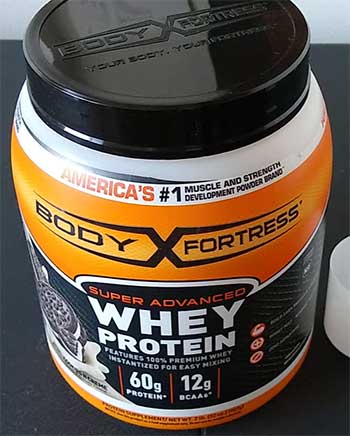
- Budget-Friendly Pricing: I saved significantly per container, often paying noticeably less than premium brands, which allowed me to buy more frequently or allocate funds toward other gym essentials like new shoes or equipment. It made consistent supplementation realistic even during lean financial months without sacrificing my training progress.
- High Protein Yield: Those big servings meant I could reach high daily protein goals with fewer shakes overall. This was particularly useful on high-volume training days or when meal prepping felt overwhelming, helping me maintain muscle and recover steadily.
- Added Performance Boosters: The included creatine provided tangible strength improvements in my compound lifts, while glutamine helped ease post-workout soreness. This all-in-one approach reduced the need for multiple products and simplified my supplement cabinet considerably.
- Immune Support Benefits: During periods of heavy training or seasonal changes, the vitamins and zinc helped me avoid minor setbacks. I felt more resilient and missed fewer sessions, which kept my momentum going strong over months.
- Filling for Bulking Phases: The higher calorie and carb content acted as a convenient meal enhancer. It kept me satisfied longer, supporting surplus eating without constant snacking and making mass gains more sustainable in my experience.
- Easy Local Availability: Stocked widely in everyday stores, it meant spontaneous restocks were simple. No relying solely on online orders or dealing with shipping delays when life got busy.
- Decent Everyday Taste: While not gourmet, the flavors mixed acceptably and worked well in various recipes. This encouraged regular consumption rather than letting the tub sit unused.
- Strong Recovery Support: BCAAs and other elements noticeably reduced fatigue between sessions, allowing me to train harder more often without prolonged downtime.
- Ideal Starter Option: As a beginner-friendly choice, it built my habits around supplementation effectively. Results came steadily, boosting my confidence to explore further.
- Generous Container Sizes: Bulk options lasted longer than anticipated, stretching my budget and reducing purchase frequency for better long-term planning.
- Dietary Compatibility: Gluten-free formulation fit seamlessly into my preferences, avoiding unnecessary complications.
- Motivational Branding: The strong name and packaging gave a psychological edge, reminding me of building resilience with every shake.
I’ve relied on these strengths during cost-conscious periods and saw real, measurable benefits in my training logs and how I felt day to day.
Cons of Body Fortress
- Higher Carbs and Fats: These extras could accumulate quickly during calorie-restricted periods, requiring tighter control elsewhere in my diet. It sometimes made precise macro tracking a bit more challenging than with leaner alternatives.
- Mixability Challenges: It occasionally required extra effort or a blender for smoothness, which was inconvenient during rushed mornings or travel when I preferred quick prep.
- Taste Inconsistencies: Certain flavors leaned too sweet or left a slight aftertaste, leading to occasional boredom or the need to experiment with mix-ins more often than I’d like.
- Potential for Mild Digestive Issues: For those with sensitivities, the denser profile sometimes caused minor discomfort, though I adjusted by timing intakes carefully.
- Less Refined Purity: More additives meant it didn’t feel as clean-label as higher-end options, which bothered me when focusing on minimal ingredients.
- Large Serving Demands: Handling bigger scoops could feel cumbersome at times, especially if portioning inaccurately affected consistency.
- Mixed Market Perception: Some skepticism around value brands initially made me question long-term efficacy until personal results proved otherwise.
- Limited Detailed Testing Transparency: Fewer public independent verifications compared to top competitors left a small gap in full assurance.
- Narrower Flavor Excitement: Options were functional but lacked the variety that keeps motivation high over extended periods.
- Less Optimal for Cutting: The macro density demanded more discipline in other meals to stay in deficit, adding mental effort during leaning phases.
These drawbacks appeared more prominently in specific training cycles, prompting thoughtful switches to maintain balance.
Also Read: Is Legion Protein Powder A Quality Protein Powder?
Key Features of Optimum Nutrition Gold Standard

- Premium Whey Blend: Isolate leading the way meant higher purity. I experienced faster absorption and less bloating, which was a game-changer after big meals.
- High BCAA Content: Around 5.5g per serving fueled my muscle protein synthesis. I recovered better between training days.
- Low Carb and Fat: Perfect for maintaining leanness. My body comp stayed on point without extra calories derailing progress.
- Excellent Mixability: This was huge—no clumps, even in cold water. Shakes were enjoyable and quick to prepare.
- Wide Flavor Selection: Dozens of options kept things interesting. I never got bored, which helped adherence.
- Third-Party Testing Reputation: Knowing it’s checked for quality gave me peace of mind as someone analytical about what I consume.
- Digestive Enzymes: These helped my stomach tolerate it daily without issues, unlike some other brands I’ve tried.
- Versatile Use: Worked great pre, post, or between meals. I used it in recipes too, like protein pancakes.
- Proven Track Record: As a longtime user, I saw consistent results in strength and muscle maintenance across years.
- Balanced Nutrition: 24g protein with minimal extras made it efficient for my calorie tracking apps.
Optimum Nutrition felt like the refined choice that elevated my routine when I was ready for premium performance.
Pros of Optimum Nutrition
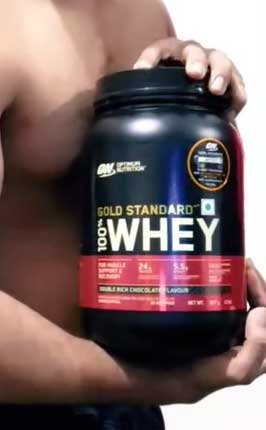
- Superior Digestibility: The enzyme inclusion and isolate-heavy formula sat comfortably even after large meals or on sensitive days. This minimized interruptions and supported daily consistency without complaints.
- Lean Macro Alignment: Low carbs and fats aligned perfectly with cutting or maintenance goals. My body composition improvements were steadier and more visible in the mirror and measurements.
- Outstanding Palatability: Flavors delivered reliably enjoyable experiences that made post-workout routines something to look forward to rather than a chore.
- Effortless Mixing: Near-perfect dissolution every single time, even in basic shakers, saved time and frustration across hundreds of preparations.
- Established Quality Assurance: The brand’s testing standards and reputation provided ongoing confidence, especially important when prioritizing long-term health alongside fitness.
- Efficient Nutrient Delivery: High bioavailability translated to noticeable recovery and performance edges that compounded over weeks of use.
- True Versatility: It adapted effortlessly across different phases—whether fueling intense lifts, supporting rest days, or enhancing recipes—without needing adjustments.
- Extensive Flavor Options: Rotating through many choices prevented palate fatigue and sustained enthusiasm for months on end.
- Effective BCAA Support: Levels helped preserve muscle during demanding schedules or caloric dips, contributing to sustained strength.
- Community Endorsement: Seeing its popularity reinforced my choice and sparked useful gym conversations about progress.
- Dependable Consistency: Every tub performed similarly, building reliability into my routine.
- Premium User Experience: From packaging to results, it created a sense of investing wisely in my physical development.
These advantages elevated my overall supplementation strategy when I prioritized performance and enjoyment.
Cons of Optimum Nutrition
- Elevated Price Point: The premium positioning meant higher costs per container, which occasionally strained budgets and required planning around sales or smaller purchases.
- Moderate Protein per Scoop: Reaching very high daily totals sometimes needed additional servings or food sources compared to higher-dose alternatives.
- Absence of Certain Additives: Lacking built-in creatine meant coordinating extra supplements, adding a minor layer of complexity.
- Sweetener Considerations: Artificial elements, while effective, could bother highly sensitive individuals, necessitating flavor trials.
- Reduced Satiety: The leaner makeup occasionally required pairing with solids for fullness, especially in early adaptation periods.
- Slightly Premium Availability: It trended more expensive or less immediately accessible in basic retail compared to mass-market options.
- High Expectations Management: Strong reputation set a high bar, where even minor variations felt noticeable at first.
- Flavor-Specific Adjustments: Carb differences across varieties called for occasional tracking tweaks.
These were reasonable trade-offs that I navigated successfully with experience.
Also Read: Is KOS A Quality Protein Powder?
Frequently Asked Questions (FAQ)
Not necessarily better overall. It excels in value and added ingredients for some, while Optimum Nutrition wins on purity and taste for others. Depends on your priorities.
Yes, it’s a solid, affordable option with good protein content and extras. Quality for the price, though not the most premium.
It varies by needs—some prefer competitors like higher-end isolates for specific goals, but ON sets a high bar for balance and reliability.
Larger servings, different sourcing, and positioning as a budget brand keep costs down while maintaining decent quality.
Final Thoughts
Switching between these taught me flexibility matters. Body Fortress powered my early bulking with its volume and extras. Optimum Nutrition refined my cutting phases with cleanliness and taste. Neither is perfect, but both deliver protein effectively.
Consider your budget, goals, and digestion. Start with Body Fortress if saving money is key, or ON for optimized daily use. Track how you feel and adjust. You’ve got this—experiment and own your progress.