
I’ve been using protein shakes as part of my training routine for a while now, grabbing whatever fits my schedule after lifts or on rushed mornings.
Muscle Milk and Core Power keep showing up as solid ready-to-drink choices when I want something quick that actually delivers on protein without extra prep.
This piece walks through how the two compare on nutrition, taste, ingredients, and real-world use so you can decide what works for your own goals like recovery, staying full, or keeping calories in check.
| Feature | Muscle Milk | Core Power |
| Protein per standard bottle (approx 11-14 oz) | 26g (Pro lines reach 33-42g) | 26g (Elite reaches 42g) |
| Calories | 160-230 depending on line | 170 (Elite around 230) |
| Fat | 2-8g | 3-4.5g |
| Carbohydrates | 10-21g | 6-9g |
| Sugars | Low to moderate, varies | 5-7g (mostly natural from milk) |
| Calcium | Good levels, varies by product | 650mg (50% DV) |
| Potassium | Solid in many versions | 780-860mg |
| Protein source | Ultra-filtered milk blend | Ultra-filtered low-fat milk |
| Key additives | Minimal post-reformulation | Carrageenan, some sweeteners in certain versions |
| Typical price per bottle | Often $2-3 | $3-5 |
| Best for | Higher satiety, bulking phases | Lean recovery, clean daily use |
Key Differences Between Muscle Milk and Core Power
- Protein source and how it breaks down in your body

Both now rely on ultra-filtered milk proteins that give you a complete amino acid profile with fast and slower digesting parts.
Muscle Milk blends isolates and concentrates in a way that supports quick uptake right after training while still offering some staying power.
Core Power sticks closer to the natural whey-plus-casein ratio straight from the filtered milk, which many people find digests smoothly without much bloat.
If you train hard several times a week, the steady release from either can help with overnight recovery when taken in the evening, but the slight edge in simplicity for Core Power often means less stomach discomfort for sensitive users.
- Overall calorie and macro balance
Muscle Milk versions frequently land higher in calories and fat, which makes them more filling and useful when you need extra energy for muscle repair or a busy day.
Core Power keeps things lighter on fat and total calories in the standard bottle while still hitting solid protein numbers.
This difference shows up clearly if you track macros closely.
Someone in a cutting phase might prefer the lower calorie load from Core Power to stay in deficit without sacrificing protein, whereas someone trying to add size could lean toward Muscle Milk for the extra fuel without needing a second snack.
- Carbs, sugars, and how they affect energy
Core Power carries a bit more natural sugar from the milk base, which can give a small quick energy bump post-workout without spiking you too hard.
Muscle Milk tends to keep carbs lower in many current formulas, especially after recent changes, and uses fiber in some cases to help with fullness.
If you notice blood sugar swings or just want tighter control, the lower carb approach in Muscle Milk can feel steadier throughout the afternoon.
On the flip side, the natural sugars in Core Power pair well with the high potassium content for better hydration and muscle function during longer sessions.
- Taste, texture, and daily drinkability
Core Power consistently gets described as closer to real chocolate milk or a light shake, with a smooth mouthfeel that makes it easy to finish even when you’re not super hungry.
Muscle Milk offers more flavor variety in some lines and a creamier, thicker texture that feels more like a treat or mini meal.
After trying both back to back on training days, the natural milk taste in Core Power won me over for regular use, but Muscle Milk’s bolder options kept things interesting when I wanted something different.
Texture matters a lot when you’re downing one fast between meetings or right after the gym.
- Price, convenience, and availability

Muscle Milk generally costs less per bottle and shows up in more places at lower price points, making it easier to stock up without thinking twice.
Core Power sits at a premium but often justifies it with the cleaner everyday profile and strong mineral content.
Both come in grab-and-go bottles that need no mixing, which beats powder on hectic mornings.
If budget plays a big role in your choices, Muscle Milk gives more servings for the money while still delivering reliable protein.
- Ingredient cleanliness and recent updates
Muscle Milk underwent a noticeable cleanup with its reformulation, moving to ultra-filtered milk and removing artificial sweeteners, flavors, and colors in many products.
Core Power has long leaned on fewer processed elements overall, though some versions include stabilizers like carrageenan that certain people watch for digestive reasons.
The shift in Muscle Milk narrowed the gap, but Core Power still feels more minimalist to many users focused on whole-food style nutrition.
Also Read: Differences Between Optimum Nutrition And Body Fortress.
Key Features of Muscle Milk
- High protein options across lines: The standard and Pro versions give you flexible protein loads, with some bottles pushing 40g plus. This makes it straightforward to hit higher daily targets without multiple servings, especially useful on heavy lifting days when recovery demands more.
- Added vitamins and minerals in many formulas: You often get solid hits of calcium, vitamin D, and others that support bone health and overall energy alongside the protein. It turns the shake into more than just protein delivery.
- Satiety from fat and fiber content: The higher fat in several options helps you feel full longer, which works well if you use it as a meal replacement or late afternoon bridge to dinner.
- Wide flavor range and creamy texture: Options like chocolate, vanilla, cookies and cream, and strawberry keep things from getting boring. The thickness makes it feel substantial rather than watery.
- Convenient ready-to-drink format with good shelf options: No scooping or shaking needed. Many versions hold up well without constant refrigeration until opened, fitting busy lifestyles.
Pros of Muscle Milk
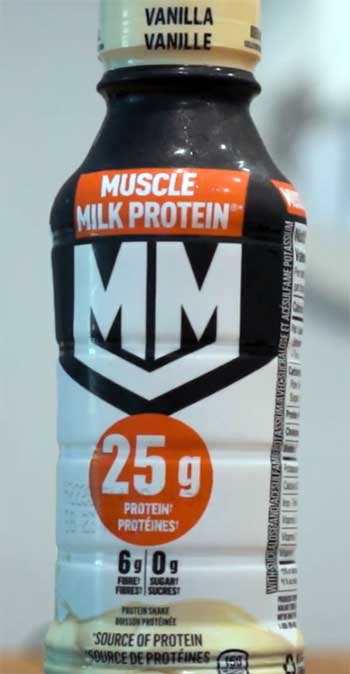
- Excellent for building or maintaining muscle mass: The higher protein loads in Pro versions combined with decent calories give your body plenty of building blocks plus energy to support growth phases without needing extra food right away.
- Keeps you satisfied between meals: The fat content and thickness turn it into a legitimate snack or partial meal, which helps if you deal with constant hunger during busy workdays or cutting cycles.
- More budget-friendly for regular use: Lower price per bottle means you can keep a steady supply on hand without it eating into your grocery budget as fast.
- Good variety to prevent flavor fatigue: Multiple taste options let you rotate so you actually look forward to drinking it instead of forcing it down.
- Fortified to cover common gaps: The vitamins and minerals add a layer of support for energy and recovery that pure protein sources sometimes miss.
- Works well as a post-workout or anytime top-up: You can grab one right after training or as a quick breakfast when time is short, and the protein hits quickly enough to start the repair process.
Cons of Muscle Milk
- Can feel heavier if you’re watching calories closely: The extra fat and calories that help with satiety might push you over your target if you’re in a strict deficit or prefer lighter options throughout the day.
- Past reputation for artificial aftertaste: Even with recent cleanups, some older formulas or specific flavors still carry a processed note that doesn’t sit as well as simpler options for everyone.
- Higher sodium in certain products: If you monitor salt intake for blood pressure or other reasons, some versions require checking the label more carefully.
- Less emphasis on natural mineral density: While it has good fortification, it doesn’t always match the standout potassium and calcium levels found in competitors focused on filtered milk.
- Texture can be too thick for some: The creaminess that makes it filling might feel heavy or slow to drink if you prefer something lighter and quicker to finish.
Also Read: Is Momentous Protein Powder Worth It?
Key Features of Core Power
- Ultra-filtered milk base for smooth digestion: The filtration process reduces lactose while keeping the natural protein structure intact, leading to better tolerance for a lot of people who struggle with regular dairy.
- Strong electrolyte and mineral profile: High potassium and calcium levels support muscle contractions, hydration, and bone strength, which adds value beyond just hitting protein numbers after sweaty workouts.
- Light, milkshake-like consistency: It pours and drinks easily without feeling heavy, making it pleasant even on days when appetite is low but you still need nutrients.
- Focus on complete milk protein: You get both fast and slow proteins in one bottle from a single source, giving balanced absorption that works for immediate recovery and longer-term repair.
- Lactose-free and straightforward ingredient approach: The lactase enzyme treatment plus minimal extras makes it a reliable pick when you want something that sits well without extra digestive load.
Pros of Core Power

- Superior everyday taste that feels natural: The milk-like flavor and smooth finish make it enjoyable rather than something you tolerate, which increases the chances you’ll actually drink it consistently.
- Supports recovery with balanced minerals: The high potassium helps with muscle function and fluid balance after training, while calcium contributes to long-term bone and muscle health.
- Easier on digestion for many users: The ultra-filtered, lactose-free base plus complete protein structure often leads to less bloating or discomfort compared to more complex blends.
- Cleaner daily profile with fewer extras: It aligns well with preferences for straightforward ingredients when you’re drinking something several times a week.
- Light enough to fit into most routines: Lower fat and calories in the standard version make it versatile whether you’re maintaining, leaning out, or just adding protein without extra bulk.
- Strong brand focus on quality milk sourcing: The attention to filtration and ethical practices gives peace of mind for those who care about where their protein comes from.
Cons of Core Power
- Higher cost can add up quickly: The premium pricing makes stocking up or daily use more expensive than alternatives, which matters if you’re on a tighter budget.
- Fewer flavor choices overall: While the available ones taste great, you have less variety to rotate through if you get tired of the core options.
- Some versions include stabilizers: Ingredients like carrageenan show up in certain bottles and can cause issues for people with sensitive stomachs, even if many tolerate them fine.
- Less filling for bigger appetites: The lighter macro profile works great for lean goals but might leave you wanting more if you need serious satiety after intense sessions.
- Elite versions get pricey fast: Jumping to the higher protein bottles increases cost significantly, which can limit how often you reach for the max option.
When To Choose One Over The Other?
After comparing both in my own routine, I lean toward Core Power for most regular days because the taste keeps me consistent and the mineral support helps with how I feel during and after training.
You might go the same route if clean ingredients and easy digestion sit at the top of your list.
Muscle Milk makes more sense when you want bigger protein hits in one bottle or need something that doubles as a meal replacement on packed schedules. Test both if you can grab singles first. Your body and goals will tell you which one feels better over a couple weeks of use.
Also Read: Differences Between Monster And Alani Energy Drinks.
Frequently Asked Questions (FAQ)
Optimum Nutrition gives you a high-quality whey powder you mix yourself at a lower cost per serving with good customization. Muscle Milk offers ready-to-drink convenience and added nutrients in some lines. Choose based on whether you value mixing control and savings or grab-and-go ease.
Most people can include it daily as part of balanced eating and training. Pay attention to how your body responds, vary protein sources when possible, and check with a healthcare provider if you have kidney concerns or other specific conditions.
Protein powder usually costs less and lets you control portions and mix-ins exactly. Muscle Milk wins on pure convenience since there’s no preparation. Many people use both depending on the day.
No single brand claims the title for everyone. Options built around ultra-filtered milk with minimal additives, solid third-party testing, and good tolerance for your digestion tend to rank high. Core Power and similar clean dairy-based choices often appeal to those prioritizing straightforward ingredients.
Wrapping Up
After looking at the nutrition, taste, and how each one fits into real life, you now have a clearer picture of where Muscle Milk and Core Power stand.
Think about what matters most to you right now, whether that’s staying full longer, keeping things light, or hitting protein without extra effort.
Try a bottle or two of each and see which one you actually reach for again. Your routine and results will guide the best pick for you.