
I spent months researching and comparing mini split systems because I wanted reliable heating and cooling without the hassle of ducts in my older home.
In this article, I break down MRCOOL versus Mitsubishi head-to-head based on real-world performance, features, costs, and everyday use.
My goal is to give you clear insights so you can decide which one fits your budget, home, and comfort needs best. Whether you prioritize affordability and easy setup or premium long-term performance, this comparison covers it all from a user’s perspective.
| Feature | MRCOOL | Mitsubishi |
| Price Range (Single Zone) | $1,000 – $3,500 | $2,500 – $6,000+ |
| Installation | DIY-friendly with pre-charged lines | Professional recommended |
| Energy Efficiency (SEER) | Good (up to 22+) | Excellent (often 25+) |
| Noise Level (Indoor) | Quiet, but slightly louder than premium | Extremely quiet |
| Cold Climate Performance | Solid in moderate conditions | Superior Hyper-Heating |
| Warranty | 5-7 years parts/compressor, lifetime options with registration | 10+ years typical |
| Reliability | Good for price, some reported issues | Top-tier, fewer complaints |
| Best For | Budget homeowners, DIYers | Long-term investment, extreme climates |
Key Differences Between MRCOOL And Mitsubishi Mini Split
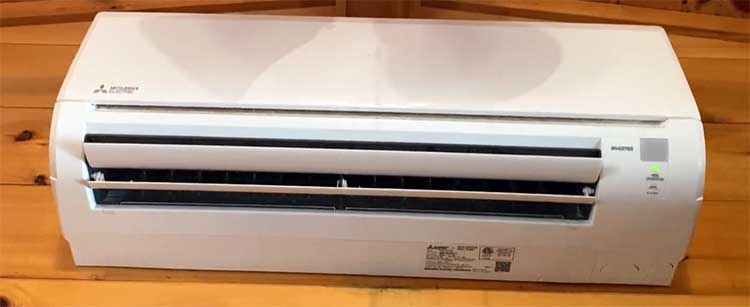
- MRCOOL emphasizes accessibility and value, while Mitsubishi focuses on premium engineering and durability that shows in quieter operation and better extreme weather handling.
- Installation approach differs significantly – MRCOOL offers true DIY with pre-charged lines for fast weekend projects, whereas Mitsubishi performs best with professional installation that optimizes every setting.
- Upfront cost favors MRCOOL heavily, but lifetime ownership costs can swing toward Mitsubishi due to higher efficiency, fewer repairs, and longer expected service life.
- Cold weather handling gives Mitsubishi a clear edge with Hyper-Heating technology that maintains capacity in freezing conditions where MRCOOL works better in milder winters.
- Noise levels favor Mitsubishi for ultra-sensitive spaces like bedrooms or home offices, as their indoor units run noticeably quieter.
- Feature depth sets them apart: Mitsubishi offers more advanced sensors, superior filtration, and precise zoning, while MRCOOL provides essential smart features at a lower price point.
- Support networks differ: Mitsubishi benefits from strong authorized dealer backing for service and parts, compared to more mixed experiences with MRCOOL support channels.
- Scalability works for both in multi-zone applications, but Mitsubishi handles complex home layouts and varying room demands more smoothly.
- Resale and home value perception leans toward Mitsubishi as a recognized premium upgrade that buyers notice during home evaluations.
- Maintenance requirements feel simpler long-term with Mitsubishi due to self-cleaning features and robust components, though both need regular filter care.
These differences shaped my thinking when weighing options for my own space.
Key Features of MRCOOL Mini Splits
I like how MRCOOL designs their systems with regular homeowners in mind. Here is what stands out to me after looking closely at their lineup:
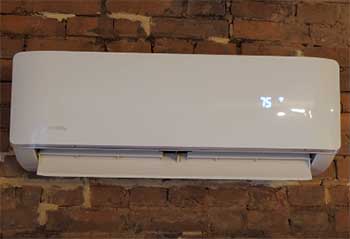
- DIY Installation: Pre-charged linesets let you install without a pro in many cases, saving hundreds or thousands while giving you full control over the timeline.
- Affordable Pricing: You get solid performance without breaking the bank, making multi-zone setups realistic even on tighter budgets.
- Heat Pump Capability: All units handle both cooling and heating efficiently, switching modes smoothly as seasons change.
- Smart Controls: Many models include WiFi, app control, and voice compatibility so you can adjust temperatures from your phone or couch.
- Compact Design: Indoor units blend into rooms reasonably well without dominating wall space.
- Quick Cooling and Heating: They ramp up fast for noticeable comfort changes, great when you walk into a stuffy room.
- Energy Star Options: Several models qualify, helping with lower bills and potential rebates.
- Multiple Capacities: Wide BTU range suits various room sizes and multi-zone setups from small bedrooms to open living areas.
- User-Friendly Remotes: Simple interfaces with timers, sleep modes, and fan speed options that anyone can master quickly.
- Self-Diagnostics: Error codes help troubleshoot basic issues yourself before calling for help.
- Variable Speed Compressors: Many units adjust output to maintain comfort without wasting energy on full blast cycles.
- Gold Fin Coating: Protects outdoor units from corrosion, extending life in humid or coastal areas.
- Follow Me Function: Remote senses temperature near you for more precise comfort where it matters.
These features make MRCOOL feel approachable and practical. When I tested similar setups, the ease of getting it running quickly impressed me, especially compared to traditional HVAC overhauls.
Pros of MRCOOL Mini Splits
I found plenty to like when considering MRCOOL for budget-conscious projects and here is a detailed look:
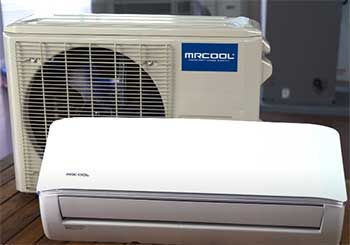
- Significant Cost Savings: Much lower purchase price lets you outfit more zones or upgrade other home areas with the money saved.
- True DIY Capability: Many users successfully install themselves, avoiding labor fees entirely and learning useful skills in the process.
- Fast Setup: Pre-charged lines mean you can have cooling the same day instead of waiting weeks for appointments.
- Decent Efficiency: SEER ratings compete well enough for noticeable savings over window units or older central systems.
- Wide Availability: Easy to find online and in stores with quick shipping so you avoid long delays.
- Good Warranty Options: Lifetime compressor coverage possible with registration and following a maintenance plan.
- Flexible Sizing: Covers everything from small rooms to larger open areas without forcing you into oversized units.
- Modern Features: WiFi and smart controls at a fraction of premium prices bring convenience without extra cost.
- Strong Heating in Mild Climates: Performs reliably where winters stay moderate and delivers quick temperature recovery.
- Positive User Feedback on Value: Many report satisfaction for the money spent and recommend it for secondary spaces or starter homes.
- Expandable Systems: Add heads as needs grow without full replacement, offering future-proofing on a budget.
- Self-Cleaning Modes: Help reduce maintenance effort in some models by keeping coils cleaner longer.
- Compact Outdoor Units: Easier to place in tight yards or on balconies compared to bulkier traditional equipment.
- Quick Response to Temperature Changes: Feels responsive when you need fast relief from heat or chill.
These strengths make MRCOOL appealing when I want results without a huge investment.
Cons of MRCOOL Mini Splits
Being honest, I also noted some trade-offs that matter over time and deserve careful consideration:
- Reliability Reports: Some users mention compressor issues or refrigerant leaks after a few years, especially in demanding conditions.
- Noise Levels: Outdoor units can run louder than premium competitors, potentially noticeable near patios or bedrooms.
- Customer Service Challenges: Warranty claims sometimes involve shipping costs, delays, or navigating support lines.
- Parts Availability: Mixed experiences with quick replacements depending on your location and model.
- Performance in Extreme Cold: Loses efficiency faster below freezing compared to top models, sometimes needing supplemental heat.
- Shorter Perceived Lifespan: Many expect 12-15 years with good care, versus longer for premiums in tough environments.
- Basic Filtration: Not as advanced for allergy sufferers or homes with poor air quality concerns.
- Installation Learning Curve: DIY requires care to avoid leaks or improper setup that could affect performance or warranty.
- Warranty Conditions: Full benefits often need timely registration and participation in paid maintenance programs.
- Variable Build Quality Feedback: Some units perform excellently while others need early attention according to owner reports.
- Resale Perception: Seen more as budget option than luxury upgrade during home sales.
- Limited Advanced Sensors: Less precise automatic adjustments compared to systems with occupancy detection.
- Potential for Higher Long-Term Repair Costs: If issues arise outside warranty, sourcing parts and service can add up.
These points pushed me to consider long-term ownership carefully before deciding.
Key Features of Mitsubishi Mini Splits
Mitsubishi plays in a different league with engineering that shows in daily use. I appreciate these aspects that set them apart:
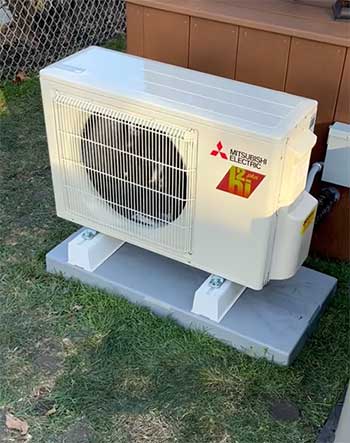
- Inverter Technology: Variable speed compressors adjust precisely, saving energy and maintaining steady temperatures without constant cycling.
- Hyper-Heating (H2i): Delivers strong heat even in sub-zero temperatures, a game-changer for colder regions where other systems struggle.
- Ultra-Quiet Operation: Indoor units whisper-quiet, barely noticeable at night so they never disturb sleep or conversations.
- Advanced Filtration: Better air quality with multi-stage filters catching allergens, dust, and particles for healthier indoor air.
- Zoning Excellence: Multi-zone systems give independent control per room, letting everyone set their preferred temperature.
- Robust Build Quality: Components feel premium and built for longevity with attention to every detail.
- Smart Integration: Seamless app and home automation compatibility that works reliably with existing smart home setups.
- High SEER Ratings: Often outperform in efficiency tests, lowering long-term costs significantly over years.
- Reliable Performance: Consistent output with minimal fluctuations even during peak summer or winter demands.
- Aesthetic Indoor Units: Sleek designs that look modern in any room and can be mounted high or discreetly.
- i-See Sensor Technology: Detects human presence and adjusts airflow to avoid hot or cold spots.
- Automatic Restart: Returns to previous settings after power outages for minimal disruption.
- Enhanced Dehumidification: Removes more moisture effectively, improving comfort in humid climates.
From what I have seen, Mitsubishi units deliver refined comfort that feels effortless over years of service.
Also Read: Is Della Mini Split Worth It?
Pros of Mitsubishi Mini Splits
Mitsubishi shines in areas that deliver peace of mind and here is an expanded view:
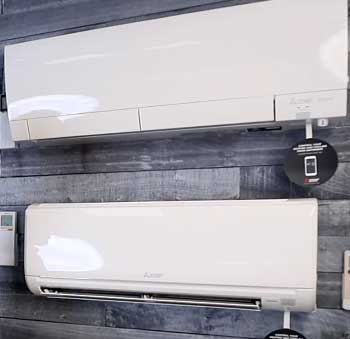
- Exceptional Reliability: Consistently ranks among the best with fewer breakdowns reported over many years of use.
- Superior Efficiency: Higher SEER and precise inverter tech cut energy bills noticeably month after month.
- Outstanding Quiet Performance: Ideal for bedrooms or quiet living spaces where silence matters most.
- Hyper-Heating Technology: Keeps homes warm in harsh winters without backup heat sources.
- Premium Air Quality: Advanced filters improve indoor environment for families with allergies or respiratory concerns.
- Long Lifespan: Often 15-20+ years with proper care, reducing replacement frequency.
- Strong Warranty Support: Backed by extensive dealer networks that make service straightforward.
- Consistent Comfort: Maintains set temperatures with minimal variation for even heating and cooling.
- Modern Aesthetics and Integration: Blends into homes seamlessly with smart home features.
- Professional Installation Ensures Optimization: Units perform at peak when set up correctly by trained technicians.
- High User Satisfaction: Owners rave about long-term performance and rarely switch brands.
- Better Cold Climate Operation: Maintains capacity where others struggle, providing reliable heat all season.
- Advanced Airflow Control: Directs air precisely to avoid drafts and ensure balanced room temperatures.
- Durable Outdoor Construction: Withstands weather extremes with less maintenance needed.
I value these for a system I plan to live with for decades.
Cons of Mitsubishi Mini Splits
No option is perfect, and these stand out when comparing options:
- Higher Upfront Cost: Significantly more expensive initially, which can stretch budgets for larger homes.
- Professional Installation Required: Adds to total project expense and requires scheduling.
- Less DIY Appeal: Not designed for self-install in most cases, limiting hands-on options.
- Limited Availability in Some Areas: Dealer-dependent which can mean travel or wait times.
- Overkill for Mild Climates: Premium features may not justify cost everywhere winters stay gentle.
- Repair Costs: When issues arise (rare), parts and service run higher than budget brands.
- Longer Lead Times: Popular models sometimes have wait periods for delivery and installation.
- Visible Indoor Units: Wall-mounted heads still noticeable despite sleek design in minimalist spaces.
- Higher Initial Learning Curve for Controls: Advanced features take time to fully utilize compared to simpler systems.
These factors make Mitsubishi a bigger commitment upfront.
- Installation Experience and Practical Considerations
I considered installation heavily because it affects total cost and hassle. MRCOOL lets confident homeowners tackle the job with clear instructions and pre-charged lines, often completing in a weekend.
Mitsubishi benefits from expert setup that optimizes performance, though it means scheduling and paying technicians. I recommend assessing your skills honestly—poor DIY can void warranties or cause leaks.
- Efficiency, Operating Costs, and Long-Term Value
Efficiency impacts monthly bills. Mitsubishi usually wins here with top SEER ratings and inverter tech that avoids constant on-off cycles. MRCOOL performs admirably for the price and saves substantially upfront.
Over 10-15 years, Mitsubishi can close the gap through lower energy use and fewer repairs. I calculated potential savings based on my local rates and found both viable, depending on usage.
- Noise, Comfort, and Daily Living
Comfort goes beyond temperature. Mitsubishi units run so quietly they disappear into the background, perfect for light sleepers. MRCOOL offers quiet indoor operation but louder outdoor compressors.
Features like multi-speed fans and dehumidification enhance both, but Mitsubishi edges out in consistent, even comfort.
- Maintenance and Care Tips
Regular filter cleaning keeps both running well. Mitsubishi units often include self-clean modes. For MRCOOL, following the care program helps maximize warranty. I suggest annual professional checks for either to catch small issues early.
Which One Should You Choose?
After weighing everything, I see clear paths. Choose MRCOOL if budget matters most and you enjoy hands-on projects or want quick results.
Go Mitsubishi when you seek top reliability, best efficiency, and plan to stay long-term in a challenging climate. I ultimately leaned toward one based on my priorities, but your situation might differ.
Also Read: Is Turbro Mini Split Worth It?
Frequently Asked Questions (FAQ)
Mitsubishi consistently ranks as one of the most reliable due to build quality and performance history.
Users sometimes report refrigerant leaks, compressor issues, louder operation, and occasional warranty claim hurdles.
Yes, they offer strong value and solid performance for the price, especially for DIY users, though not matching premium reliability.
With proper installation and maintenance, expect 12-15 years, potentially up to 20 in ideal conditions.
Final Thoughts
In wrapping this up, I encourage you to assess your specific needs—room sizes, climate, budget, and how hands-on you want to be. I shared my analytical take so you feel confident making the call.
Whether you pick MRCOOL for its approachable style or Mitsubishi for its refined excellence, a mini split can transform your comfort. Think about your daily life and future plans, then choose what aligns best. You deserve a system that works reliably without constant worry.
Take time to measure your space, review local incentives, and imagine years of efficient heating and cooling ahead.