
I’ve been growing plants for over a decade, and one decision that always matters is the medium I choose.
Coco coir and coco peat both come from coconut husks, yet they behave differently in the pot.
I wrote this to show you the real differences, the practical pros and cons I have seen, and how each performs so you can match them to your plants and watering habits without guesswork.
| Feature | Coco Coir | Coco Peat |
| Texture | Coarse, fibrous strands | Fine, powdery, peat-like |
| Water Retention | Holds well but drains freely | Absorbs up to 8 times its weight |
| Aeration | Excellent air pockets | Good initially, can compact |
| Drainage | Fast and consistent | Slower, retains more moisture |
| pH Range | 6.0–6.8 (near neutral) | 5.5–6.5 (mildly acidic) |
| Nutrient Content | Very low, some natural hormones | Slightly higher N, P, K |
| Compaction Risk | Low, holds structure | Moderate over time |
| Best Uses | Hydroponics, containers, orchids | Seed starting, moisture-loving plants |
| Rewetting | Easy even after drying | Easy, similar to coir |
Key Differences between Coco Coir and Coco Peat
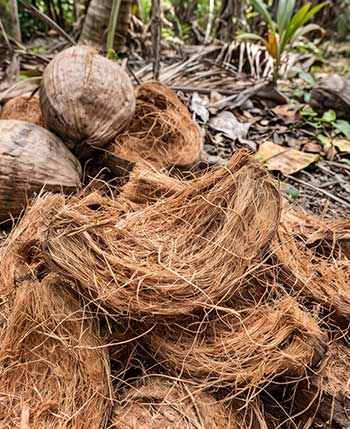
- Texture and physical structure: I can tell them apart instantly by feel. Coco coir has visible strands that resist breaking down. Those fibers create lasting channels for air and water. Coco peat is almost flour-like when dry and turns into a soft, uniform crumb when wet. The fine particles fill spaces more completely, which boosts water holding but reduces large air gaps over time. In a pot I reused for three seasons, the coir version stayed fluffy while the peat version had settled and needed fluffing.
- Water retention and drainage behavior: Coco peat soaks up and holds a large volume of water. I have measured it retaining moisture longer between waterings, which helps in hot weather or with plants that dislike drying out. Coco coir still holds plenty, yet excess water moves through more quickly. After heavy rain or an over-watered container, the coir mix dried faster at the bottom and I saw fewer root rot issues. You will notice the difference if you grow both side by side: peat stays darker and heavier longer after watering.
- Aeration and root environment: Roots need oxygen as much as water. The fibrous nature of coco coir keeps more open pores even when saturated. I have grown peppers and tomatoes in pure coir with excellent root systems that stayed white and healthy. Coco peat provides good initial aeration, but the fine particles can pack closer together as organic matter breaks down or under the weight of water. Mixing peat with a coarser amendment fixes this for me.
- pH and nutrient interaction: Both sit in a plant-friendly range, yet coco peat tends to run a bit lower. Most of my leafy greens tolerate either. Coco coir’s slightly higher pH pairs well with many vegetables without extra lime. Nutrient-wise, peat carries a touch more residual potassium and phosphorus from the processing, while coir is leaner but sometimes includes natural compounds that encourage rooting. I still feed both the same way because the difference is small compared with what I add in fertilizer.
- Longevity and reuse: Coir fibers break down slowly. I have rinsed and reused the same batch for multiple crops with only minor volume loss. Coco peat decomposes a little faster and can become denser, so I refresh it more often or blend it into garden beds after one or two seasons. Both beat traditional peat moss for durability in containers.
Key Features of Coco Coir and Coco Peat
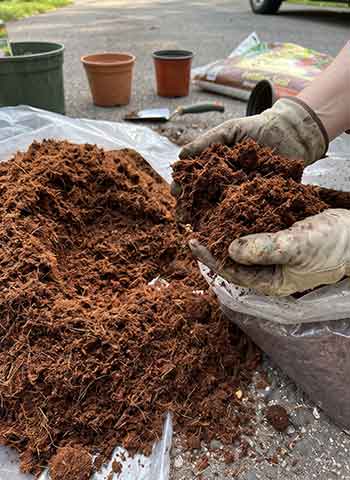
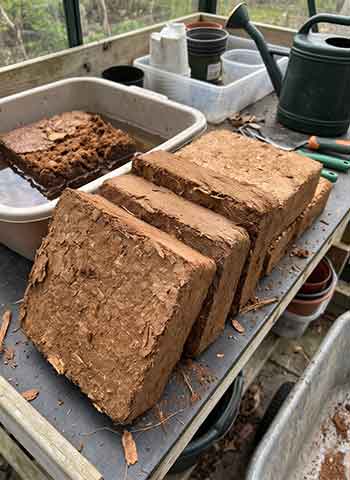
- Renewable origin and availability: I like that both come from an annual agricultural byproduct rather than ancient bogs. Coconut trees produce husks every year in tropical regions, so the supply renews continuously. You can buy either as compressed bricks that expand many times their dry volume, which makes shipping and storage simple. I store a few bricks in a dry shed and expand only what I need.
- Consistent moisture management: Both materials wet easily even after sitting dry for months. Unlike some traditional media that turn water-repellent, a quick soak brings them back to full capacity. Coco peat’s higher holding capacity means fewer daily checks for thirsty plants. Coco coir’s faster drainage means I can water more freely without worrying about standing water at the base of the pot.
- Neutral to mild pH for broad plant use: Most vegetables, herbs, and houseplants prefer a range near 6.0. Both products land close to that zone out of the bag, so I rarely adjust pH before planting. This saves steps compared with more acidic options. I still test runoff now and then because fertilizer and water quality can shift the numbers over a season.
- Lightweight and easy handling when dry: A single brick fits in a small box yet yields several gallons of medium once expanded. That lightness matters when I fill large containers or move pots around. Wet weight is higher with peat because it holds more water, so I account for that on shelves or hanging baskets.
- Disease and weed free starting point: Processed coconut husk products arrive clean. I have started hundreds of seeds in both without the weed seedlings or fungal issues I sometimes see in garden soil or unsterilized compost. This clean slate lets me control exactly what enters the root zone.
Pros of Coco Coir
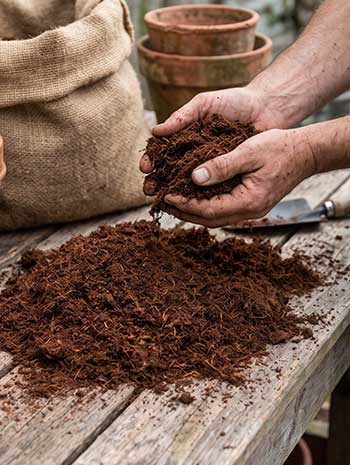
- Superior long-term aeration for root health: The open fibrous structure keeps oxygen available even after repeated waterings. My hydroponic and container tomatoes developed thick, white root mats that filled the medium without becoming waterlogged. You will see faster recovery after transplant shock because roots can breathe while they establish.
- Excellent drainage that reduces rot risk: Excess moisture leaves quickly. I water thoroughly until it runs out the bottom, then let the surface dry slightly before the next cycle. This rhythm works well for succulents, orchids, and any plant that suffers in soggy conditions. In rainy seasons the coir mix prevented the bottom-rot problems I used to fight with heavier media.
- Resists compaction and holds structure: Fibers do not collapse under their own weight or plant roots. After a full growing season the volume loss stayed minimal. I fluffed the surface once or twice and the rest stayed usable. This stability makes coir practical for permanent planters I do not want to empty every year.
- Easy rewetting and forgiving moisture control: Even if a pot dries completely, a normal watering brings the whole volume back. I no longer spend time soaking hydrophobic dry spots. The material also releases water steadily to roots, so plants stay hydrated longer between thorough waterings.
- Contains mild natural rooting support: Some batches include compounds that encourage early root growth. Seedlings in pure coir established quickly for me, and cuttings rooted with fewer failures. Combined with a light nutrient solution, this gives a strong start without relying on synthetic rooting hormones.
Cons of Coco Coir
- Very low inherent nutrients: You must supply almost everything the plant needs. I feed more frequently or at slightly higher rates than in richer mixes, especially during peak growth. Skipping fertilizer shows up quickly as pale leaves. The lean nature is actually useful in hydroponics because you control the feed precisely, yet it demands attention in traditional pots.
- Possible residual salts in lower-grade batches: Unwashed coir can carry sodium or potassium from coastal processing. I have seen leaf tip burn on sensitive seedlings when I used cheap bricks without rinsing. Buying buffered or pre-washed product, or rinsing thoroughly myself, solves it. The extra step is minor once you know to check the label or EC of the runoff.
- Slightly higher cost and shipping footprint: Quality coir often travels from tropical producers. Price per expanded gallon can exceed local alternatives, and the transport distance adds environmental cost. I still choose it for performance, but I buy in bulk bricks to reduce packaging and per-unit expense.
- Can dry at the surface faster than expected: The open structure lets the top layer lose moisture while the lower roots stay damp. I check by weight or a finger probe rather than surface color alone. A thin mulch or more frequent light top-ups helps in very dry indoor air.
Also Read: Differences Between Scotts Lawn Soil And Topsoil.
Pros of Coco Peat
- Outstanding water-holding capacity: It can retain a large volume of moisture while still allowing some air movement. In summer heat my moisture-loving herbs and leafy greens needed less frequent watering when grown in peat-heavy mixes. The material releases water gradually, which reduces stress during busy weeks when I cannot water on a perfect schedule.
- Finer texture ideal for seed starting: Tiny seeds make good contact with the uniform particles. Germination rates stayed high for me with lettuce, basil, and many flowers. The soft medium lets delicate roots push through easily without the resistance coarser fibers sometimes create. I often fill seed trays with pure peat or a light blend and see uniform emergence.
- Mild nutrient contribution and good cation exchange: While still not a complete fertilizer, peat holds and releases a bit more of the minerals already present. Some growers notice slightly stronger early growth before supplemental feeding begins. The particle size also supports decent nutrient retention once you start fertilizing, so less is lost to rapid leaching.
- Mixes smoothly with other amendments: Because it is fine, it blends evenly with compost, worm castings, or perlite. I create custom recipes without lumps or separation. This makes peat convenient when I want a hybrid medium that combines water retention with extra organic matter.
- Stable pH that suits a wide range of crops: The mildly acidic to neutral range works for most vegetables and ornamentals right away. I have grown strawberries, peppers, and houseplants without initial pH correction. Minor shifts from fertilizer are easy to manage with routine monitoring.
Cons of Coco Peat
- Tendency to compact and reduce aeration over time: Fine particles settle and can pack tighter after months of watering and root growth. Oxygen levels drop if you do not mix in a coarser material or refresh the medium. I learned to check drainage speed halfway through the season and add perlite if water began to sit longer than usual.
- Can hold too much water for some plants: Succulents, cacti, and certain Mediterranean herbs prefer faster drying. Pure peat kept those pots wetter than ideal and I saw occasional soft stems until I cut the peat percentage and increased drainage amendments. Matching the medium to the plant’s natural preference avoids this.
- Slightly faster breakdown than pure fiber coir: Volume shrinks a bit more over a long season. For permanent outdoor containers I top up or replace sooner. Indoor plants under controlled conditions last longer, yet I still plan a refresh every couple of years for best structure.
- Availability and labeling confusion: True fine coco peat is sometimes harder to find labeled clearly. Many products sold as “coco coir” are actually blends or the pith fraction. I read descriptions and look at photos or feel samples when possible so I know whether I am getting the finer material I want for seeds.
Use and Real-Garden Observations
I expand bricks by soaking them in a tub of water for 15–30 minutes. One standard brick usually yields 8–10 liters once fully hydrated.
I squeeze out excess water for seed starting so the medium is moist but not dripping. For established plants I leave it wetter.
For seed trays I prefer coco peat or a 70/30 peat-to-coir blend. The fine texture gives excellent seed-to-medium contact and holds the steady moisture tiny seedlings need. Once true leaves appear I pot up into a coir-dominant mix so drainage improves as roots grow.
Container vegetables do well in coco coir mixed 50/50 with compost or with added perlite. The structure supports heavy fruiting plants without collapsing.
I feed with a balanced liquid fertilizer every other watering once plants are established. Runoff testing every few weeks tells me whether salts are building; a plain-water flush fixes most issues.
Hydroponic and semi-hydro setups favor pure or high-percentage coco coir. The reliable drainage and aeration keep roots healthy under constant or frequent nutrient solution. Coco peat works in some flood-and-drain systems but needs closer monitoring to avoid saturation.
Houseplants vary. Moisture lovers such as ferns and calatheas appreciate peat’s holding power. Aroids and plants that like to dry between waterings prefer coir or a coir-heavy blend. I adjust the ratio based on how quickly the pot loses weight after watering.
Which Medium Fits Your Situation?
Choose coco coir when you want reliable drainage, long-lasting structure, and easy oxygen supply. It suits hydroponics, large containers, orchids, and any plant that suffers from wet feet. You will water a bit more often, yet root problems stay rare.
Choose coco peat when water retention and seed contact matter most. It shines for starting trays, moisture-loving crops, and blends where you want to stretch the time between waterings. Mix it with something coarser if you plan to keep the same pot for many months.
Many of my best results come from combining them. A base of coir for structure plus peat for moisture gives a balanced medium I can fine-tune with compost or perlite.
Test small batches with your specific plants and watering style; both materials respond predictably once you learn their rhythms.
Also Read: Differences Between FoxFarm Ocean Forest And Happy Frog.
Frequently Asked Questions (FAQ)
It can compact over time and reduce air space, holds more water than some plants prefer, breaks down a little faster than coir fiber, and is sometimes harder to source in pure form. Residual salts are possible in unwashed batches.
Yes. Coco coir is a common, more renewable substitute. It offers similar water-holding ability, better rewetting, and a friendlier pH for most plants, though you will still need to fertilize and may adjust drainage amendments.
Coco coir is the coarser fibrous fraction of coconut husk with stronger drainage and structure. Coco peat is the finer pith fraction with higher water retention and a softer texture. Both come from the same husks but behave differently in pots.
Yes, especially for seeds and many container plants. It works as a standalone medium if you supply nutrients and monitor moisture. For longer-term growth or plants that need more air, blend it with coir, perlite, or compost.
Final Thoughts
After seasons of side-by-side trials I rely on both materials for different jobs. Coco coir gives me the drainage and lasting structure that keep roots healthy in containers and hydro systems.
Coco peat delivers the steady moisture and fine texture that help seeds and thirsty plants thrive.
You can match either one—or a simple blend—to your plants, climate, and how often you water. Pay attention to drainage speed and feeding, and both will support strong growth without the drawbacks of less sustainable options.