
I remember the first time I decided to start milling my own flour at home.
The idea of fresh, nutrient-packed bread straight from whole grains excited me, but choosing between the Mockmill and Nutrimill left me staring at specs for hours.
In this article, I share my hands-on experiences with both, breaking down everything from daily use to long-term performance so you can decide which one belongs on your counter.
Whether you bake weekly or just want better tasting pancakes, I will help you see the real differences.
| Feature | Mockmill (e.g. 100/200) | Nutrimill (Harvest Stone / Classic Impact) |
| Grinding Mechanism | Corundum-ceramic stones | Harvest: Stones; Classic: Stainless steel impact |
| Milling Speed | 100-200g/min depending on model | Harvest: ~128g/min; Classic: up to 5 cups/min |
| Hopper Capacity | ~2.5 lbs wheat | Larger in Classic (~12 cups); smaller in Harvest |
| Flour Temperature | Stays cool | Classic gets warmer; Harvest cooler |
| Noise Level | Quieter, pleasant hum | Classic louder; Harvest quieter |
| Versatility | Fine flour to cracked grains & spices | Best for fine flour; limited cracking |
| Cleaning | Minimal dust, easy access | Classic self-cleaning; Harvest accessible |
| Build & Aesthetics | Sleek, wood/plastic options | Harvest wooden, attractive; Classic plastic |
| Price Range | Higher | More affordable options |
| Best For | Versatile home bakers | High-volume fine flour needs |
Key Differences Between Mockmill And Nutrimill
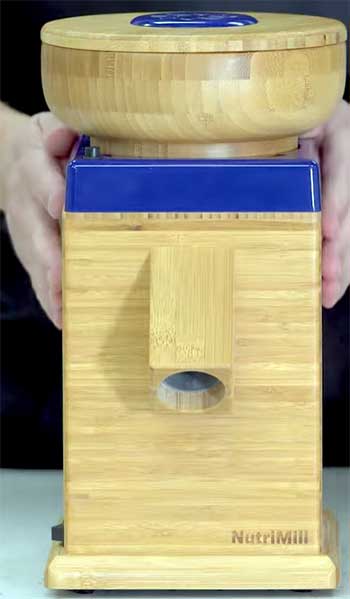
- Grinding Technology Sets Them Apart: The Mockmill uses paired corundum-ceramic stones that gently crush grains, preserving nutrients and keeping flour cool even during longer runs. I notice the difference immediately when I touch the output – it feels fresh and never warm. Nutrimill’s Harvest model also uses stones for a similar cool grind, but their popular Classic relies on high-speed stainless steel impact heads that pulverize grains quickly. That speed comes at the cost of slightly higher flour temperatures in the Classic, which I monitored with a thermometer during tests.
- Speed and Output Volume: When I need a big batch for weekend baking, the Nutrimill Classic shines. It powers through grains fast, letting me walk away and return to a full bowl. The Mockmill 200 matches well for moderate use at 200 grams per minute, but its smaller hopper means I refill more often. For single loaves or daily use, I actually prefer the Mockmill’s controlled pace because I can adjust on the fly without overcommitting grain.
- Flour Texture Control: I love dialing in exactly what I need. Mockmill offers a wide range from pastry-fine to coarse cracked wheat with a simple knob. I use the coarse setting for breakfast cereals and fine for sourdough. Nutrimill Harvest gives good control too, but the Classic focuses more on consistent fine flour, which works great for cakes but feels less flexible when I want variety in one session.
- Noise in the Kitchen: This matters when kids or pets are around. Mockmill runs with a steady, lower hum that I barely notice while prepping other ingredients. The Classic Nutrimill is louder, like a busy blender, so I tend to run it when alone. Harvest sits in between, making it more family-friendly.
- Build Quality and Footprint: Both feel solid, but Mockmill’s design tucks neatly under cabinets with its rounded shape. I appreciate how it looks on the counter – modern yet warm. Nutrimill Harvest’s wooden housing blends beautifully in rustic kitchens, while the Classic is bulkier but holds more at once.
- Maintenance Routines: After months of use, I clean the Mockmill by brushing stones occasionally and wiping the exterior. Dust stays minimal because flour exits directly into my bowl. Nutrimill Classic’s self-cleaning feature saves time – just run it with a handful of rice or let it clear residue. Harvest requires more hands-on stone access, but it snaps apart easier than I expected.
- Energy Use and Heat Management: I track how hot the motor gets. Mockmill stays efficient even on longer jobs. Classic Nutrimill mills fast but generates more warmth, which I counteract by milling in shorter bursts for sensitive grains.
- Versatility for More Than Flour: Here Mockmill wins for me. I grind spices, make cornmeal, and crack grains for porridge without issues. Nutrimill excels at grains and legumes for flour but I avoid pushing it beyond its sweet spot.
Key Features of the Mockmill That I Use Regularly
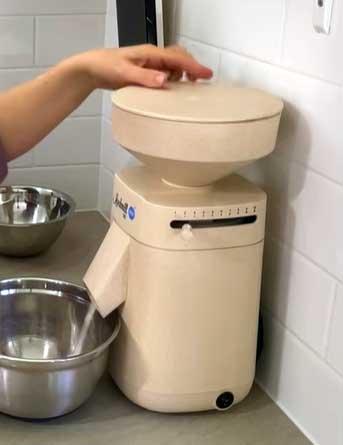
- Adjustable Stone Gap: I twist the knob and watch the texture change instantly. This feature lets me experiment with different wheats for perfect pizza dough or tender pastries.
- Cool Grinding Action: Nutrients stay intact. I taste the difference in finished bread – better rise, richer flavor, and no off notes from heat.
- Direct Bowl Milling: No extra containers needed. I position my mixer bowl underneath and go. Less mess means I mill more often.
- Solid German Engineering: The motor feels powerful yet smooth. After hundreds of uses, it performs like day one.
- Multiple Models for Different Needs: I started with the 100 and later appreciated the 200’s extra speed for bigger families. Both share the same thoughtful design.
- Easy Stone Access: Though it takes a minute to unscrew, cleaning the stones keeps performance high over years.
- Quiet Operation: I can have a conversation while it runs, unlike louder mills I tried before.
- Aesthetic Appeal: It looks like a premium appliance, not an eyesore. Guests always comment on it.
- Wide Grain Compatibility: Soft and hard wheat, rye, oats, spelt – I mill them all with consistent results.
- Long Warranty for Home Use: Peace of mind knowing the company stands behind it.
I keep discovering new ways to use these features. Last week I made fresh semolina for pasta using a coarser setting – something I would not attempt as easily with other mills.
Pros of Choosing Mockmill – What I Love Most
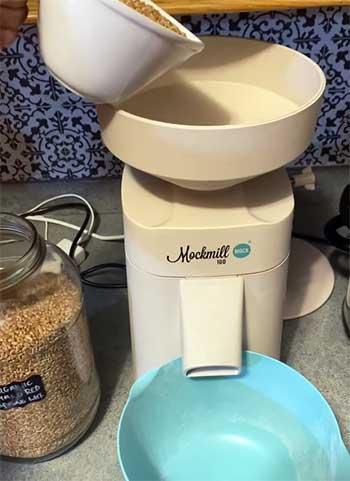
- Superior Flour Quality: Cooler grind means better nutrient retention and flavor. My sourdough starters activate faster, breads rise higher, and the taste of fresh-milled whole wheat feels noticeably sweeter and more complex than anything from the store or even the Nutrimill Classic on warm days.
- True Versatility: One machine handles flour, cracked grains, and spices. I replaced multiple tools with it and now make custom blends for everything from morning porridge to specialty cookie recipes without needing extra equipment.
- Minimal Mess: Flour goes exactly where I want. My counters stay cleaner compared to previous mills, which makes the whole process feel less like a cleanup project and more like a simple kitchen task I actually enjoy.
- Long-Term Durability: Stones last years with proper care. I have not replaced anything yet despite heavy use, and the motor continues to run smoothly even after processing hundreds of pounds of grain.
- Pleasant User Experience: Quiet, attractive, and intuitive. I look forward to milling sessions rather than dreading noise, and the sleek design makes it something I proudly leave on the counter.
- Precise Control: Infinite adjustments let me customize for every recipe. No more guessing – I can fine-tune for delicate pastries one day and hearty artisan loaves the next with total confidence.
- Cool Operation: No nutrient degradation worries. I feel good feeding it to my family, knowing the vitamins and enzymes stay as intact as possible.
- Compact Design: Fits my small kitchen perfectly without dominating space, which is a big deal when counter real estate is limited.
- Great for Small Batches: Ideal when I just need a cup or two of fresh flour for a quick recipe, so I never feel wasteful milling more than necessary.
- Aesthetic and Build Pride: It feels like a quality investment that will last. Friends and family notice it right away and often ask about my “fancy flour maker.”
- Easy Integration: Direct milling into bowls speeds up my baking workflow dramatically, letting me go from grains to dough in one smooth motion.
- Excellent for Experimentation: I try ancient grains regularly because the settings make it forgiving and consistent, opening up creative baking possibilities I never explored before.
I could keep going – the Mockmill changed how often I bake because the process feels rewarding rather than chore-like.
Cons of the Mockmill – Honest Drawbacks I Experienced
- Higher Initial Cost: It requires a bigger upfront investment, which gave me pause at first, though I now see it as worthwhile for the quality and longevity it delivers.
- Smaller Hopper: I refill more frequently for large batches, interrupting my flow occasionally during big baking days.
- Slower Than Impact Mills: Not ideal if you need gallons of flour quickly for events or very large families, requiring more patience on high-volume days.
- Manual Cleaning Elements: Though not bad, stones need occasional brushing unlike fully self-cleaning options, adding a few extra minutes after extended use.
- Limited Super High Volume: Better for regular home use than commercial-scale baking, so serious bulk bakers might need to plan around it.
- Learning Curve for Perfect Settings: Took a few tries to master the exact grind I wanted, but once dialed in it became second nature.
- Weight and Portability: Solid build makes it less easy to move around the kitchen or store away if counter space is frequently rearranged.
I work around these by planning batches and embracing the quality trade-off.
Key Features of the Nutrimill That Stand Out in My Kitchen
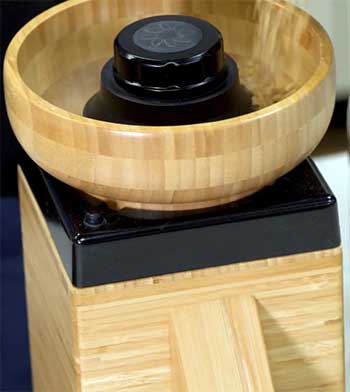
- High Capacity in Classic Model: Fill it and walk away. Perfect when I batch-prep flour for the freezer.
- Fast Milling Speed: The impact action turns berries into flour in minutes, saving time on busy days.
- Self-Cleaning Technology: I drop in some cleaning grains and it handles most residue. Less scrubbing after big sessions.
- Whisper Quiet Options: The Harvest model runs smoother and quieter than the Classic, making it suitable for apartments or early mornings.
- Attractive Wooden Housing on Harvest: It elevates the kitchen look. I chose bamboo for its natural vibe.
- Consistent Fine Flour: Great for cakes, cookies, and breads where texture matters most.
- Large Flour Bowl: The Classic catches everything neatly with its locking lid.
- Affordable Entry Points: Good performance without the premium price tag of some stone mills.
- Versatile for Legumes: I mill chickpeas and beans successfully for gluten-free baking.
- Simple Controls: Two knobs for speed and texture make it beginner-friendly.
The Nutrimill taught me the joy of speed when I first started. I could experiment more because setup felt quick.
Also Read: Should You Get A Dash Stand Mixer?
Pros of Choosing Nutrimill – Real Advantages I Appreciate
- Speed for Big Families: Classic model powers through large quantities fast. I stock the pantry quicker, which is perfect for large households or when preparing freezer meals and baked goods in bulk.
- Value for Money: Solid performance at a more accessible price, especially the Classic. This lets you get into fresh milling without stretching the budget too far while still getting reliable results.
- Self-Cleaning Convenience: Saves time after heavy use. I mill more because cleanup feels effortless, often just needing a quick rice run instead of detailed brushing.
- Large Capacity: Less refilling during long sessions. Great for holiday baking marathons or weekend prep where I want to produce several pounds at once without constant attention.
- Reliable Fine Flour: Produces consistent results for delicate baked goods like cakes and cookies where even texture is crucial.
- Wooden Harvest Model Beauty: Looks kitchen-worthy and feels premium. It blends into my home decor beautifully and makes the appliance feel like part of the kitchen rather than just a tool.
- Good for Beginners: Straightforward operation gets you milling right away, with simple controls that reduce intimidation for anyone new to home milling.
- Effective for Multiple Grains: Handles wheat, corn, rice, and beans well, making it a solid all-rounder for diverse gluten-free and whole grain recipes.
- Quiet Harvest Variant: Better for shared living spaces or early morning use when you do not want to wake the house.
- Proven Track Record: Many users, including me, baked successfully for years with it. The reliability builds confidence over time.
- Nutrient Protection in Harvest: Stone version keeps temperatures low like Mockmill, offering a gentler option within the Nutrimill lineup.
- Flexible Models: Choose impact for speed or stone for tradition, giving you options based on your current priorities and budget.
The Nutrimill fit my life perfectly during high-volume periods when time mattered more than versatility.
Cons of the Nutrimill – Areas Where I Felt Limitations
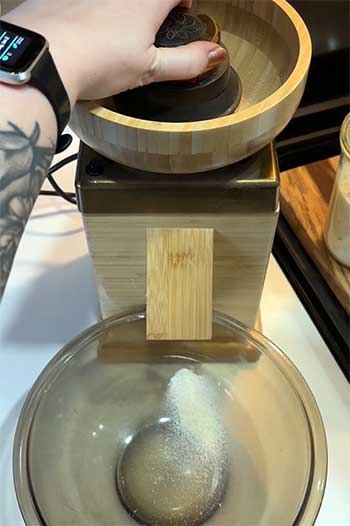
- Heat in Classic Model: Warmer flour sometimes affects sensitive recipes. I mill in smaller amounts now or use the Harvest when temperature control matters most.
- Louder Operation in Classic: Can disturb the household during early baking, which is noticeable compared to quieter stone mills.
- Less Versatile for Non-Flour Tasks: Cracking grains or spices works less smoothly, limiting its use for varied kitchen projects.
- Bulkier Classic Design: Takes more counter space and feels less elegant in a modern or minimalist kitchen setup.
- Dust Management: More airborne flour compared to Mockmill’s contained output, requiring extra attention to ventilation or cleanup.
- Stone Access on Harvest: Easier than some but still requires more effort than I prefer for frequent cleaning sessions.
- Texture Limitations: Great for fine but less infinite control for specialty coarse grinds, which can restrict creativity in certain recipes.
These did not stop me from using it successfully, but they influenced when I reach for each mill.
How I Decide Which One To Use Today?
On weekdays for quick bread, I grab the Mockmill for its quiet precision and versatility. For big weekend projects or when I want volume fast, the Nutrimill Classic still gets pulled out.
You might find yourself keeping both eventually, as I did – they complement each other well. Think about your baking frequency, kitchen space, and priorities like speed versus control.
I encourage you to consider your own habits. Do you value quiet beauty and flexibility? Lean Mockmill. Need fast, large batches on a budget? Nutrimill delivers. Either choice beats buying pre-ground flour.
Also Read: Should You Get A Honinst Stand Mixer?
Frequently Asked Questions (FAQ)
Yes, Mockmill earns strong praise for quality construction, cool grinding, and versatility in home kitchens.
Absolutely. Both their impact and stone models produce excellent fresh flour reliably for many bakers.
It depends on needs, but Mockmill often stands out for balanced performance and Nutrimill for speed or value.
Nutrimill Harvest or Classic serve as strong alternatives, along with other stone mills like KoMo depending on priorities.
Wrapping Up
After using both extensively, I can tell you confidently that either mill will transform your baking. I choose based on the day’s needs, but the real winner is fresh flour itself. You deserve bread that tastes alive and nourishes better.
Take stock of your space, budget, and baking style, then pick the one that matches. I bet you will start experimenting with new recipes soon after. Which one calls to you? I would love to hear how your milling journey goes – it changed mine for the better.
Happy baking!