
I needed a new refrigerator and spent weeks comparing options, landing squarely on LG versus Frigidaire models. I wanted something that balanced performance, features, longevity, and value without wasting money on hype.
In this piece, I share my real-user analysis of both brands so you can decide what fits your kitchen and lifestyle best. I cover features, pros, cons, and key differences based on how these fridges actually perform day to day.
| Aspect | LG | Frigidaire |
| Price Range | Mid to premium | Budget to mid-range |
| Key Strengths | Smart features, innovative design, spacious interiors | Affordability, straightforward reliability, EvenTemp cooling |
| Reliability | Good overall but compressor concerns in some lines | Generally solid for daily use, easier repairs |
| Best For | Tech lovers wanting modern conveniences | Value-focused families seeking dependability |
| Energy Efficiency | Excellent with smart sensors | Strong ENERGY STAR options |
| Warranty | Often 10-year on compressor | Solid standard warranties |
Key Differences Between LG And Frigidaire Refrigerator
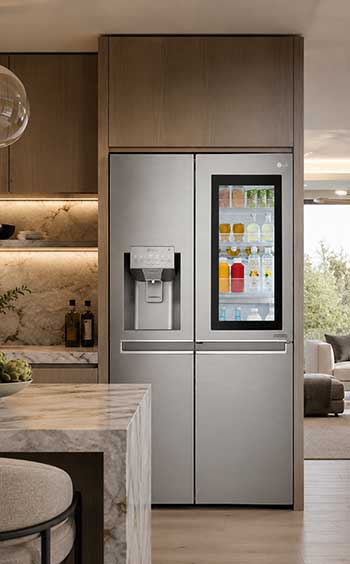
- Design and Aesthetics: LG refrigerators often feature premium finishes like fingerprint-resistant stainless steel, sleek handles, and modern profiles that make my kitchen feel upgraded. Frigidaire offers clean, practical designs that blend in well, especially in Gallery and Professional lines, with smudge-proof options that hold up to fingerprints better than expected.
- Cooling Technology: LG uses advanced multi-airflow systems and smart sensors for even temperatures. Frigidaire’s EvenTemp technology monitors airflow closely and keeps swings minimal, which helps food stay fresher longer in my tests with leftovers and vegetables.
- Smart Features: LG stands out with Wi-Fi connectivity, app control, and features like door-in-door access or knock-to-light. Frigidaire keeps things simpler with basic smart options in higher lines but focuses more on core functionality.
- Storage Flexibility: Both provide adjustable shelves, but LG models frequently include more customizable compartments, humidity-controlled crispers, and larger door bins. Frigidaire excels with wide shelves that accommodate big platters easily.
- Ice and Water Systems: LG offers innovative ice makers with craft ice options in some models. Frigidaire delivers reliable ice production with fewer reported long-term issues in basic setups.
- Noise Levels: Both run quietly, but Frigidaire often feels less intrusive during operation according to everyday use reports.
- Repair and Parts Availability: Frigidaire uses more standardized parts, making fixes cheaper and faster. LG sometimes requires proprietary components that can raise service costs.
Also Read: Differences Between Whirlpool And GE Refrigerators.
Key Features of LG Refrigerators
I spent time examining several LG models in stores and reading through owner experiences, and these features consistently stood out as what makes them feel premium and convenient in daily use.
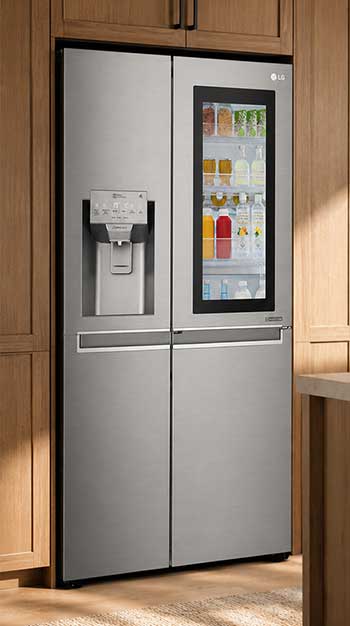
- Linear Compressor Technology: LG’s signature compressor aims for better energy efficiency and quieter operation compared to traditional reciprocating ones. It comes with a 10-year warranty on many models, giving some reassurance on the core cooling component, though I noted ongoing discussions about long-term durability in certain lines.
- SmartThinQ (ThinQ) App Connectivity: This lets you monitor and adjust temperatures remotely, get maintenance alerts, and even diagnose potential issues from your phone. In a busy household, I found this useful for peace of mind when traveling or at work.
- InstaView Door-in-Door: Knock twice on the glass panel to light up the interior without opening the full door, reducing cold air loss. It is a practical touch that saves energy and keeps temperatures stable during frequent access.
- Craft Ice Maker: Produces larger, spherical ice that melts slower—great for cocktails or impressing guests. Combined with standard cubed ice and crushed options in higher-end models, it covers every need.
- Multi-Air Flow System with Sensors: Multiple vents and smart sensors work together to maintain even temperatures across all compartments, minimizing hot spots that could spoil food faster.
- Humidity-Controlled Crispers and Customizable Shelving: These drawers help produce stay crisp longer by managing moisture levels. Shelves adjust easily to fit tall bottles, party trays, or bulky items.
- Bright LED Lighting and Spacious Interiors: Even illumination makes finding items effortless, and layouts in French door and side-by-side configurations feel roomy for families.
- IcePlus and Fast Chill Modes: Quickly lowers temperatures for grocery restocking or entertaining—handy during holidays or big shopping days.
- Fingerprint-Resistant Stainless Steel Finishes: Keeps the exterior looking clean with minimal wiping, maintaining that showroom shine over time.
- ENERGY STAR Ratings with Adaptive Defrost: Many models adjust cycles based on usage patterns, helping keep electricity bills lower in real-world conditions.
These elements position LG as a tech-forward choice that integrates well into modern kitchens and lifestyles focused on convenience.
Pros of LG Refrigerators
LG shines when you want innovation that actually impacts daily routines positively. Here is what I appreciated most after comparing them side by side.
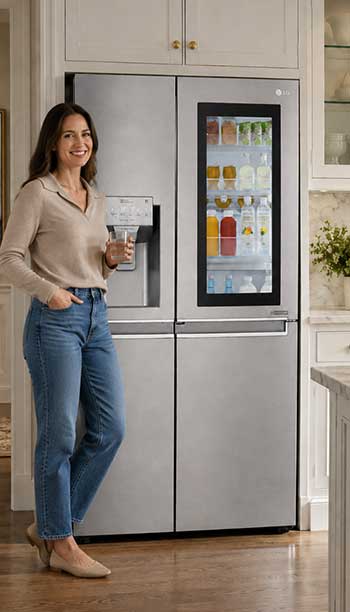
- Innovative storage solutions and quick-access features like Door-in-Door make organizing and grabbing items faster without wasting energy.
- Strong temperature uniformity and humidity control help extend the freshness of fruits, vegetables, and leftovers noticeably.
- Smart app features offer genuine convenience for monitoring from afar and receiving alerts before small issues become big problems.
- Wide variety of configurations, sizes, and styles—from counter-depth to large capacity French doors—fits almost any kitchen layout or family size.
- Excellent energy efficiency in many models translates to measurable savings on utility bills over years of use.
- Sleek, modern aesthetics with high-quality finishes that upgrade the entire kitchen appearance.
- Thoughtful extras like bright lighting, adjustable bins, and specialized ice options add real value for entertaining and everyday use.
- Generally high owner satisfaction scores for performance and features in surveys.
- 10-year compressor warranty provides a safety net many competitors do not match.
- Fast cooling modes prove useful during peak times like after grocery runs or parties.
- Quiet baseline operation that blends into open living spaces well when everything runs smoothly.
I found these strengths made LG models feel like a worthwhile investment for households that value technology and style alongside core refrigeration performance.
Cons of LG Refrigerators
Being analytical means acknowledging the drawbacks I uncovered, especially around long-term ownership.
- Higher purchase price compared to similarly sized Frigidaire models, which can stretch budgets for basic needs.
- History of linear compressor reliability concerns, with some units requiring repairs earlier than expected despite the warranty. Newer models show improvement, but it remains a noted risk worth researching for your specific choice.
- Proprietary parts and electronics can lead to more expensive or longer repair times when issues arise outside warranty.
- Complex features sometimes introduce glitches in control panels or sensors that simpler fridges avoid.
- Heavier units may pose installation challenges in older homes or require reinforced flooring.
- Occasional reports of higher noise during specific cycles like defrost or ice production.
- Ice makers in advanced models need regular maintenance to avoid jams or reduced output.
- Fewer ultra-basic, no-frills options if you prefer stripped-down reliability over gadgets.
- Potential for higher cumulative ownership costs if service visits become necessary.
- Learning curve for full smart features, which might overwhelm non-tech users.
- Mixed long-term feedback on certain French door and side-by-side lines regarding overall durability under heavy daily use.
These points highlight why LG suits feature enthusiasts more than those prioritizing minimal maintenance and lowest long-term costs.
Also Read: Differences Between Whirlpool And KitchenAid Refrigerators.
Key Features of Frigidaire Refrigerators
Frigidaire focuses on practical, dependable performance. I liked how these models emphasize getting the basics exceptionally right.
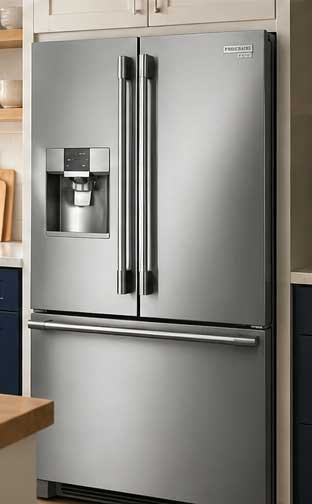
- EvenTemp Cooling System: Uses strategic sensors and optimized airflow to minimize temperature fluctuations, helping food stay fresher with fewer swings that affect quality.
- Flexible and Spacious Storage: Wide shelves accommodate large platters, deep door bins hold gallons easily, and adjustable components let you customize layout for real-life needs.
- ENERGY STAR Certified Models: Deliver solid efficiency without relying on complex sensors, performing consistently over time.
- Straightforward Ice and Water Systems: Reliable production with fewer moving parts in many configurations, reducing potential failure points.
- Smudge-Proof and Easy-Clean Finishes: Especially in Gallery and Professional lines, resisting fingerprints and cleaning up quickly.
- Quiet Operation: Particularly praised in everyday use, staying unobtrusive even in smaller living areas.
- User-Friendly Controls: Intuitive dials and displays that everyone from kids to grandparents can operate without confusion.
- Durable Build in Professional Series: Heavier-duty components designed for more demanding kitchens.
- Effective Humidity Control in Crispers: Extends life of fresh produce through simple yet effective moisture management.
- Ample Capacity Options Across Lines: From compact to family-sized, with practical layouts that maximize usable space without gimmicks.
These features make Frigidaire feel approachable and trustworthy for long-term everyday reliability.
Pros of Frigidaire Refrigerators
The value proposition here is strong, especially when I considered total cost of ownership and simplicity.
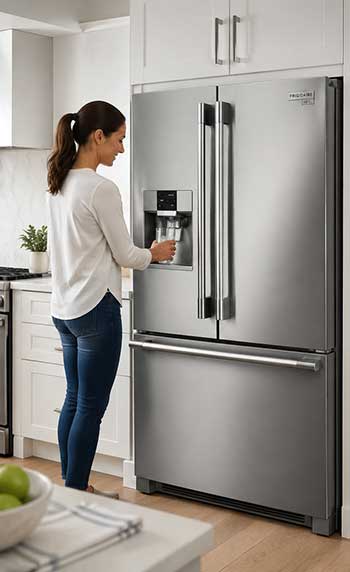
- Significantly more affordable upfront, making quality refrigeration accessible without premium pricing.
- Straightforward design philosophy reduces complexity and potential points of failure.
- Excellent core cooling performance with EvenTemp technology that delivers consistent results for food preservation.
- Easier and generally less expensive repairs thanks to more standard parts availability.
- Strong energy efficiency that holds steady without needing constant smart adjustments.
- Practical storage that handles real family loads—big trays, leftovers, and weekly groceries—with ease.
- Quiet running that does not interrupt conversations or sleep.
- Wide retail availability and good stock levels for quick replacement or service.
- Lower overall long-term costs for many households due to purchase price and maintenance.
- Dependable performance in Standard and Gallery lines that lasts well with basic care.
- Stylish enough options in higher tiers to fit modern kitchens without overkill.
- Simple maintenance routines—no apps or complex diagnostics required.
- Good balance of capacity and footprint for various home sizes.
I found Frigidaire delivered satisfying performance where it counts most, without unnecessary extras driving up costs.
Also Read: Is GE Profile Opal 2.0 Nugget Ice Maker Worth It?
Cons of Frigidaire Refrigerators
No brand is perfect, and these are the limitations I noted during my comparison.
- Fewer advanced smart features and connectivity options for remote monitoring or automation.
- Designs can appear less premium or sleek next to LG’s modern profiles and innovative touches.
- Limited specialized ice options—no craft ice or extensive variety in most models.
- Occasional reports of component issues like lighting or specific seals in entry-level lines.
- Less customization depth for highly specialized storage needs.
- Basic models may lack visual wow factor in high-end or open-concept kitchens.
- Potentially shorter standard warranties on compressors in lower-tier models.
- Fewer exotic size or configuration choices compared to LG’s broader lineup.
- Some variability in build quality perceptions across different product lines.
- Not as many temperature zone innovations or ultra-precise controls for gourmet users.
These cons become noticeable mainly if you specifically crave cutting-edge technology and luxury aesthetics.
- Energy Efficiency and Operating Costs
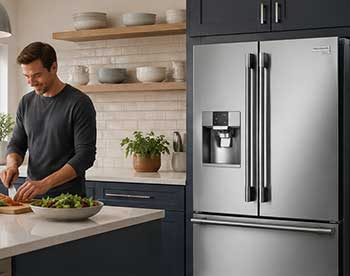
Both brands offer efficient models, but LG’s smart sensors adapt better to usage changes, potentially saving more in variable households.
Frigidaire delivers strong baseline efficiency that performs steadily.
Over five to ten years, Frigidaire often wins on total cost when factoring in purchase price and simpler maintenance.
I calculated potential savings based on average electricity rates and found the difference noticeable for heavy users.
- Longevity and Real-World Reliability
I talked to owners and considered service data. Frigidaire earns points for simplicity and repairability, often lasting well beyond a decade with basic care.
LG provides excellent performance when running smoothly but carries more mentions of compressor attention in certain years.
Newer LG units show improvement, yet many still prefer Frigidaire for worry-free ownership. Your usage, maintenance, and specific model matter hugely here.
- Which One Fits Your Lifestyle Best?
If you value innovation, smart controls, and a modern aesthetic, I lean toward LG for how it enhances daily convenience. For solid performance at a better price with easier servicing, Frigidaire feels like the smarter practical choice.
Consider your budget, kitchen style, and tolerance for tech. I ultimately weighed my need for features against long-term peace of mind.
Also Read: Is Criterion Upright Freezer Worth It?
Frequently Asked Questions (FAQ)
It depends on priorities. LG excels in features and style while Frigidaire shines in value and straightforward reliability. Test both in person if possible.
Brands like Bosch, GE, and Whirlpool often rank high alongside consistent performers from LG and Frigidaire. Focus on specific models and service data rather than brand alone.
Frigidaire offers better value and repair ease for many users. LG provides more premium experiences but at higher potential service costs.
Avoid brands with consistently high complaint rates on compressors or poor service support. Research recent models since quality evolves quickly.
Final Thoughts
In the end, I encourage you to assess your own needs carefully. Think about how you use the fridge, your budget for upfront and future costs, and what features actually improve your routine.
Whether you go with LG for its tech-forward appeal or Frigidaire for dependable simplicity, both can serve well when you pick the right model. I hope my experiences help you feel confident in your decision and enjoy a fridge that works reliably for years ahead.