
I have spent weeks researching, reading user experiences, and thinking about what really matters when picking a new refrigerator.
In this article, I share my personal comparison of Whirlpool and KitchenAid models so you can decide which one fits your kitchen, budget, and daily routine best. I focus on real-world performance, not just specs on paper.
| Aspect | Whirlpool | KitchenAid |
| Price Range | More affordable, great value | Premium pricing |
| Design & Finish | Practical, fingerprint-resistant options | Sleek, stylish with PrintShield finish |
| Key Features | Flexible storage, reliable cooling | Advanced preservation systems, customizable zones |
| Reliability | Strong everyday performance | Solid but occasional premium-part issues |
| Energy Efficiency | Often excellent, simpler models | Good but can vary with features |
| Best For | Families, budget-conscious buyers | Home chefs, design-focused kitchens |
| Capacity Options | Wide variety, including large | High-end configurations |
| Warranty & Support | Standard, reliable service | Similar backing, premium feel |
Key Differences Between Whirlpool And KitchenAid Refrigerator
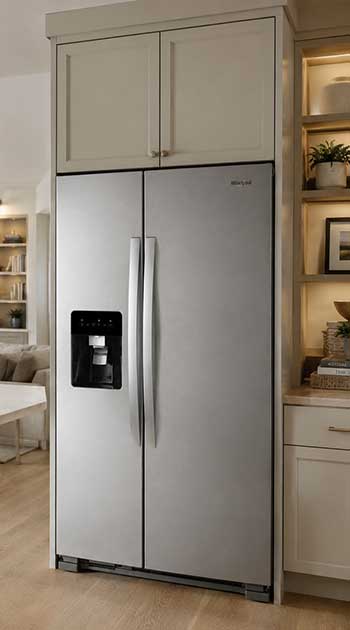
- Pricing and Value Proposition: Whirlpool refrigerators usually cost less upfront, which appealed to me immediately. You get solid performance without stretching your budget. KitchenAid models sit higher in price because they emphasize premium aesthetics and extra conveniences that make daily life feel a bit more luxurious.
- Build Quality and Materials: KitchenAid often uses higher-end finishes and components that give a polished, professional look. Whirlpool focuses on durable, practical construction that stands up to family use. Both feel sturdy, but you notice the refinement difference in handles, shelves, and interiors with KitchenAid.
- Aesthetic Appeal: If your kitchen is a showpiece, KitchenAid edges ahead with sleeker lines and fingerprint-resistant surfaces that stay cleaner-looking longer. Whirlpool offers clean designs too, but they lean more functional than statement-making.
- Target Audience: Whirlpool works well for busy households that need reliable storage without fuss. KitchenAid attracts those who cook often and want appliances that match their culinary passion.
- Innovation Level: KitchenAid incorporates more advanced preservation tech and customizable options. Whirlpool delivers smart, effective features at a lower entry point.
- Noise and Operation: Many users report both brands run quietly, but simpler Whirlpool models sometimes feel less intrusive during daily routines.
- Repair and Longevity: Both have decent track records, though expectations differ. Whirlpool earns praise for straightforward repairs and everyday durability. KitchenAid benefits from premium parts but can carry higher repair costs if issues arise.
Also Read: Differences Between Bosch And KitchenAid Refrigerators.
Key Features of Whirlpool Refrigerators
When I looked closely at what Whirlpool brings to the table, I saw a brand that focuses on practical solutions for real families. These refrigerators do not overcomplicate things, yet they deliver features that make daily life smoother.
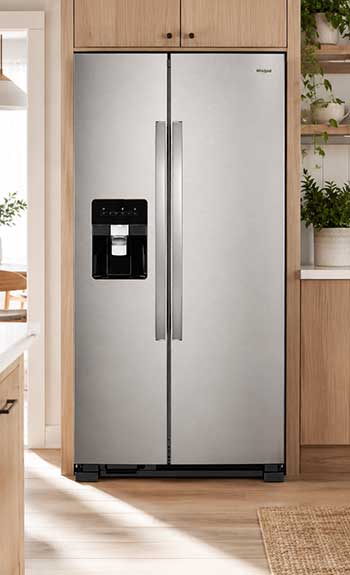
- Flexible Storage Options: Models often include adjustable gallon door bins that hold large containers easily, infinity slide shelves that let you adjust space for tall items like wine bottles or party platters without removing everything, and elevated deli drawers that keep cheeses and meats at the perfect height and temperature. I love how these let you reorganize quickly after a big grocery run.
- Effective Cooling Systems: Accu-Chill temperature management or similar sensors monitor conditions and activate the compressor only when needed, maintaining steady temperatures. This helps prevent warm spots and keeps food fresher without wasting energy. Many units also feature humidity-controlled crispers that you can set specifically for fruits or vegetables.
- Convenient Ice and Water Solutions: In-door ice makers with maximum ice capacity options free up freezer space while providing plenty of cubes. Interior water dispensers with filtration systems give clean, great-tasting water without taking up exterior real estate. Some models even offer measured-fill options for recipes.
- Spill-Proof and Easy-Clean Design: SpillGuard glass shelves contain messes to just one level, and fingerprint-resistant stainless finishes mean fewer wipes throughout the day. LED lighting illuminates every corner brightly without adding heat.
- Energy Efficiency and Practicality: Many Whirlpool models earn strong Energy Star ratings, which translates to noticeable savings on your monthly bills. Adaptive defrost runs only when necessary, and full-depth or counter-depth configurations fit various kitchen layouts.
- Variety Across Styles: From top-freezer basics to spacious French door and side-by-side options, Whirlpool covers almost every need. Larger capacities up to 29+ cubic feet work great for big families, while compact models suit smaller spaces or apartments.
- User-Friendly Extras: Pizza pockets in the freezer, triple crisper systems, and intuitive electronic controls that are simple enough for anyone in the household to use round out the experience. These refrigerators feel built for everyday chaos rather than showroom perfection.
These features make Whirlpool feel approachable and hardworking. You open the door and everything has a logical place without needing to study a manual.
Also Read: Differences Between Whirlpool And Frigidaire Refrigerators.
Pros And Cons of Whirlpool Refrigerators
Pros:
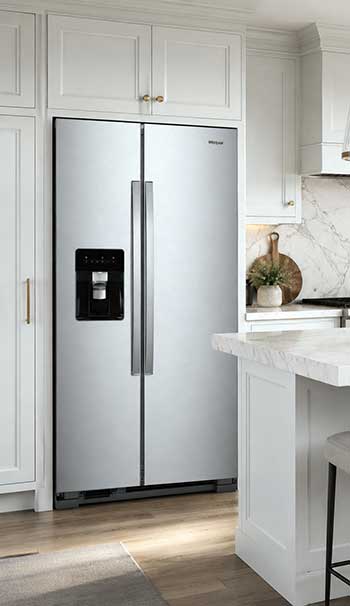
- Strong Value for Money: You get substantial capacity and useful features at a price that feels fair. This leaves budget for other kitchen upgrades or simply eases the strain of a big purchase.
- Reliable Everyday Performance: Consistent cooling, solid organization tools, and straightforward operation that rarely leaves you frustrated. Many users report these units handling family life for years with minimal drama.
- Wide Selection: No matter your kitchen size, layout preference, or style (French door, side-by-side, etc.), Whirlpool has practical options that fit.
- Energy Savings: Lower consumption in many models helps keep long-term ownership costs down, which adds up nicely over a decade.
- Easy Maintenance and Repairs: Parts are generally affordable and widely available. Technicians know these units well, so fixes tend to be quicker and cheaper compared to more complex premium brands.
- Family-Friendly Design: Features like spill-proof shelves, large door bins, and flexible freezers handle real-life messes and bulky items without complaint.
- Proven Durability for Daily Use: They stand up well to frequent opening and closing, kid traffic, and heavy loading while maintaining performance.
Cons:
- Less Luxurious Aesthetics: While functional and clean-looking, they do not always deliver the wow factor or refined details that make a kitchen feel custom.
- Fewer Advanced Preservation Techs: Basic humidity control exists, but you miss out on dual evaporators and precision sensor systems that excel at extending freshness for specialty foods.
- Occasional Component Quirks: Some owners mention ice maker slowdowns or minor electronic glitches, though these often appear across many modern refrigerator brands.
- Simpler Interior Finishes: Shelving and lighting work well but lack the polished, high-end look and feel of premium competitors.
- Limited Counter-Depth Appeal: Standard-depth models can protrude more, which might bother those seeking a built-in seamless appearance.
Whirlpool shines when you prioritize dependability and smart spending over luxury touches.
Key Features of KitchenAid Refrigerators
KitchenAid steps things up with a more refined, chef-inspired approach. I noticed they invest heavily in technologies that preserve food better and add luxury touches that elevate the whole kitchen.

- Preserva Food Care System: This dual-evaporator setup creates independent cooling environments for the refrigerator and freezer sections. It minimizes odor transfer, reduces freezer burn, and maintains ideal humidity levels so produce stays crisp longer and meats retain flavor.
- ExtendFresh Temperature Management: Sensors continuously monitor and adjust temperatures with precision. This system reacts quickly to changes, like when you add room-temperature groceries, helping everything stay at optimal conditions without big fluctuations.
- PrintShield Finish: One of my favorite details— this special coating resists fingerprints, smudges, and even minor scratches far better than standard stainless steel. Your fridge looks pristine with minimal effort, which matters if it sits in a high-traffic kitchen.
- Customizable and Premium Storage: Under-shelf prep zones, slide-away shelves, soft-close drawers, and temperature-controlled compartments let you organize like a pro. Platinum interiors with edge-to-edge glass shelves look stunning and maximize usable space.
- Advanced Ice and Water Systems: Higher-capacity ice makers integrate cleanly, often with filtered water and measured-fill dispensers. Some models include dedicated beverage zones or extra chillers perfect for entertaining.
- Quiet Operation and Build Quality: KitchenAid models tend to run noticeably smooth and quiet thanks to better insulation and components. Soft-close features on doors and drawers add that satisfying premium feel every time you use them.
- Stylish Configurations: Counter-depth options blend seamlessly with cabinetry, while multi-door and 4-door designs offer maximum flexibility. These fridges often come with artistic hardware choices that complement high-end kitchen designs.
KitchenAid refrigerators speak to people who see cooking as more than just feeding the family—they treat ingredients with care and want appliances that match their passion.
Also Read: Why Jennair Refrigerator Is My Favorite?
Pros And Cons of KitchenAid Refrigerators
Pros:

- Stunning Visual Impact: PrintShield finishes, elegant hardware, and sleek lines turn the refrigerator into a design feature rather than just an appliance. It genuinely enhances your kitchen’s look.
- Superior Food Preservation: The combination of Preserva and ExtendFresh systems keeps produce vibrant, meats fresh, and flavors intact noticeably longer than standard setups. This reduces waste and improves meal quality.
- Thoughtful Premium Details: Soft-close everything, customizable zones, beautiful interiors, and quiet performance make daily interactions feel satisfying and effortless.
- Great for Home Chefs and Entertainers: Specialized drawers, larger ice capacity, and flexible prep spaces support serious cooking and hosting without compromise.
- Higher Perceived Quality and Resale: These models often hold value better in upscale homes and feel built with attention to refinement that lasts.
- Innovative Organization: Features like slide-away shelves and dedicated temperature zones help maximize every inch while keeping things accessible and neat.
- Quiet and Efficient in Many Cases: Advanced engineering results in smooth, low-noise operation that does not disrupt conversation or sleep.
Cons:
- Higher Upfront Cost: The premium pricing can feel steep, especially if you do not use all the advanced features regularly. You pay noticeably more for the style and extras.
- Potentially Higher Repair Expenses: When issues occur with complex components, parts and service can cost more than on simpler Whirlpool models.
- Ice Maker Reliability Concerns: Multiple users across reviews report slower production or occasional failures, a common pain point in feature-heavy refrigerators.
- Slightly Higher Energy Use: Some loaded premium models consume more electricity due to extra sensors, lights, and systems, though this varies.
- Overkill for Basic Needs: If you mainly need reliable cooling and storage without culinary bells and whistles, the added cost may not deliver proportional benefits.
- Occasional Temperature or Electronic Issues: A subset of owners note minor fluctuations or control panel quirks that require service visits.
KitchenAid delivers when you want an appliance that inspires and performs at a higher level, but the investment needs to match your actual usage.
Perspectives I Considered

Talking to friends and reading experiences, many choose Whirlpool when practicality rules.
One neighbor loves their large French door Whirlpool for its space and simple reliability after two years.
Others who upgraded to KitchenAid rave about the looks and how the crisper drawers keep herbs fresh for weeks.
A few mentioned minor ice maker hiccups across both brands, which seems common in modern refrigerators.
I noticed Whirlpool often wins for families with kids due to budget and durability.
KitchenAid appeals more to homeowners renovating or those who see the fridge as kitchen furniture.
Which One Should You Choose?
After weighing everything, I lean toward Whirlpool if you want solid performance without overspending. Go with KitchenAid if design, advanced features, and a premium feel matter more than initial cost. Your lifestyle decides this one—busy household or culinary haven?
Both brands share corporate roots, so quality foundations exist across the lineup. Test models in person, measure your space, and consider what you store most often.
Also Read: Why Big Chill Refrigerator Is My Favorite?
Frequently Asked Questions (FAQ)
It depends on your priorities. Whirlpool offers better value and reliability for everyday use, while KitchenAid excels in style and premium features. Choose based on budget and kitchen aesthetics.
Avoid brands with consistently poor reliability reports and high repair frequency. Research current models carefully, as performance varies by type and year. Focus on established names with good service networks.
Yes, KitchenAid operates as a premium brand under the Whirlpool Corporation, sharing manufacturing and some technology while maintaining distinct positioning.
Maytag and Amana serve as sister brands within the same corporate family, offering different balances of features and pricing.
Final Thoughts
In the end, I encourage you to evaluate your own needs carefully. Think about how you use your current fridge, what frustrates you, and what would make life easier. Measure twice, read reviews, and visit showrooms if possible.
Whether you pick Whirlpool for its sensible approach or KitchenAid for its elevated style, both can serve your home well when matched to your expectations.
You deserve a refrigerator that fits seamlessly into your routine and brings peace of mind every time you open the door. Take your time with this decision—you will live with it for years.