
I compared both options side by side while planning replacements for an older house, and you should do the same before committing.
This article lays out how each type performs in daily use so you can match the window to your climate, room layout, and long-term costs.
| Aspect | Casement Window | Sliding Window |
| Opening Style | Cranks outward on side hinges | Slides horizontally on a track |
| Ventilation | Full opening for strong airflow | Partial opening, limited by panel size |
| Seal Quality | Tight compression seal when closed | Brush or fin seals that can wear |
| Cleaning Access | Often reachable from inside | Exterior glass harder to reach |
| Space Required | Needs clear exterior swing area | Minimal interior or exterior clearance |
| Typical Cost | Higher upfront | Usually lower purchase price |
| Energy Performance | Generally stronger in independent tests | Varies more with age and seal condition |
| Security | Multi-point locking common | Basic latches on many models |
Key Differences between Casement and Sliding Windows
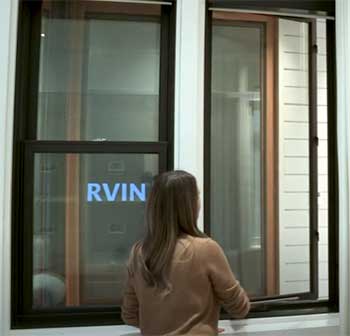
- Airflow and Fresh Air Volume: A fully open casement creates a large, unobstructed opening. Air moves freely through the entire sash area. Sliding windows only open half the width at most, so the free area is smaller. In a kitchen where I cook frequently, the casement cleared steam faster. In a bedroom used mainly at night, the sliding unit supplied enough air without the sash projecting into the room.
- Sealing and Weather Resistance: Casement hardware pulls the sash firmly into the frame, creating a compression seal that resists wind pressure. Sliding windows depend on the track and the vertical meeting rail. Over time the bottom track collects debris, and the seals compress less evenly. After five years the sliding window in my utility room let more air past the closed position than the casement next to it.
- Cleaning and Maintenance Reach: Many casements tilt or swing so both sides of the glass can be wiped from inside the house. Sliding sashes usually stay in their tracks; cleaning the exterior face means reaching outside or removing the sash. I spent less time on ladders with the casements. The sliding units required a step stool and careful handling of the removable panel.
- Hardware and Operating Effort: Casements use a crank and often a multi-point lock. The mechanism multiplies force, so even larger sashes open with modest effort. Sliding windows rely on rollers. When the rollers stay clean they glide easily, but grit or worn wheels increase the force needed. My older sliding window now needs a firm push; the casement still turns smoothly.
- Projection and Site Constraints: An open casement extends outward. Paths, decks, or tight side yards can interfere. Sliding windows stay within the plane of the wall. In a narrow alley beside my garage I could only use a sliding unit. On the open street side the casement worked without issue.
- Long-Term Wear Points: Casement hinges and the operator arm see repeated stress. Sliding tracks and rollers see abrasion from dirt. Both need occasional adjustment, but the failure modes differ. Hinges can be replaced; rollers can be swapped more cheaply in many cases.
Also Read: Free Window Replacement Cost Estimator.
How These Windows Actually Operate?
Casement windows hinge on one vertical side and swing outward when you turn a crank handle. The sash moves as a single unit, pressing against a continuous weatherstrip when fully closed.
Sliding windows, by contrast, ride on a bottom track. One or both sashes move sideways, and the meeting point between panels relies on a vertical interlock plus the track seals.
I tested both in a coastal location where wind-driven rain is common. The casement stayed dry around the edges after a storm. The sliding unit needed the track cleared of grit before the seal felt consistent again.
You will notice the same difference if your site gets heavy weather.
Key Features of Casement Windows

- Crank Operator and Multi-Point Locks: The handle turns a worm gear that drives the sash open or closed. Most current models include locks at the top, middle, and bottom. The locks engage automatically or with a single lever. I appreciate the positive feel when the sash seats fully; there is little doubt it is secure.
- Continuous Compression Weatherstrip: The sash compresses against a bulb or fin seal around the entire perimeter. The seal is not interrupted by a sliding path. Independent lab data consistently show lower air leakage rates for properly installed casements compared with average sliding units of the same age.
- Egress and Emergency Exit Options: When sized correctly a casement can meet egress requirements for bedrooms. The full opening provides a clear rectangle. Sliding windows can also qualify, but the net clear opening is smaller for the same frame size, so the unit must be larger overall.
- Screen Placement: Screens sit inside the frame and stay in place while the sash opens outward. Insects are kept out even when the window is fully open. The screen does not have to be removed for daily ventilation.
Pros of Casement Windows
- Superior Airtightness When Closed The compression seal and multi-point locks reduce drafts. In heating-dominated climates this translates to lower energy use. My winter utility bills dropped after I replaced three leaky sliding units with casements of similar glass packages.
- Better Cross-Ventilation Because the sash opens fully and can be angled, it can catch side breezes and direct them into the room. Sliding windows only offer a straight-on opening. On calm summer evenings the casement moves more air with less reliance on fans.
- Easier Interior Cleaning for Many Models The ability to reach both glass surfaces from inside reduces the need for exterior access. This is valuable on upper floors or where landscaping blocks the outside.
- Strong Security Hardware Multiple locking points and the difficulty of forcing a compression-sealed sash make forced entry harder. Insurance adjusters have noted this difference in some coastal and urban areas.
- Consistent Operation Over Time When the operator and hinges are maintained, the window continues to seal tightly for many years. The mechanism does not rely on a track that can fill with debris.
Also Read: Is Marvin Essential Windows Worth Your Money?
Cons of Casement Windows
- Higher Initial Purchase and Installation Cost The hardware is more complex and the sash must be precisely aligned. Quotes I received ran 15–30 percent above comparable sliding windows of the same size and glass type.
- Exterior Projection Limits Placement An open sash can block a walkway, interfere with exterior shutters, or catch wind in exposed locations. You must plan the swing direction carefully.
- Operator Mechanism Can Fail The crank gear or linkage can wear or strip if forced. Replacement parts exist, but the repair is more involved than swapping a sliding-window roller.
- Screen Must Stay in Place You cannot easily open the window without the screen if insects are a concern. Some users find the screen reduces the clear view slightly.
- Not Ideal for Very Large Openings Extremely wide casements become heavy and place more stress on the hinges. Sliding or other styles are often preferred for panoramic walls.
Key Features of Sliding Windows

- Horizontal Track and Rollers: Nylon or steel rollers ride on a raised or recessed track. The design keeps the sash level and allows the window to open with a sideways push. Newer models use ball-bearing rollers that reduce friction. Older tracks can develop low spots that make the sash bind.
- Removable or Lift-Out Sashes: Many sliding windows let you lift the sash out of the track for cleaning or replacement. The process is straightforward once you learn the clips or tilt-in latches. I remove the sash twice a year to wash both sides on the ground.
- Compact Profile When Open: Nothing projects beyond the exterior wall. This matters on balconies, next to walkways, or under deep overhangs. The open window does not obstruct passage or collect wind like a protruding casement.
- Simple Latches: Most use a cam lock or lever at the meeting rail. Higher-end versions add secondary locks or keyed options. The hardware is lighter and less complex than a casement operator, which keeps the purchase price lower.
Pros of Sliding Windows
- Lower Upfront Cost Simpler hardware and fewer moving parts keep the price down. For a whole-house replacement this difference adds up quickly. My contractor priced a sliding package noticeably below the casement alternative.
- No Exterior Swing Interference The window stays inside its frame line. This works in tight side yards, on balconies, and where exterior features sit close to the wall.
- Straightforward Operation A simple push or pull opens the sash. Children and older adults often find the motion intuitive. No crank to turn.
- Good for Wide, Low Openings Sliding units can span large widths without the weight issues that affect tall casements. They suit horizontal window walls or basement light wells.
- Easy Sash Removal for Cleaning Once you know the release, the sash comes out and can be washed at ground level. This is safer than leaning out an upper-story casement.
Also Read: Is EcoView Windows Worth Your Money?
Cons of Sliding Windows
- Weaker Seals Over Time Track debris and worn rollers allow the sash to sit slightly off the weatherstrip. Air and water leakage increase sooner than with a compression-sealed casement. I have replaced rollers and cleaned tracks more often on sliding units.
- Limited Ventilation Area Only half the window opens. In rooms that need rapid air exchange the reduced free area is noticeable. Fans become more necessary.
- Track Maintenance Required Dirt, leaves, and insects collect in the bottom track. Regular cleaning is needed to keep the sash moving freely and sealing well. Neglect leads to sticking and drafts.
- Exterior Cleaning Challenges Reaching the outside glass usually means going outside or removing the sash. On second stories this is less convenient than an inward-tilting casement.
- Basic Security on Entry-Level Models Many rely on a single meeting-rail lock. While adequate for most homes, the lock is simpler to defeat than multi-point casement hardware.
Energy Use and Comfort in Real Conditions

Glass packages matter more than frame style for insulation value, yet the frame seal still influences overall performance.
Casements with low-e glass and argon fill consistently show lower air-leakage numbers in published ratings.
Sliding windows can match them when new and well-maintained, but the advantage narrows as the track seals age.
In a mixed climate I saw the biggest comfort difference on windy winter days; the casements kept rooms steadier without constant thermostat adjustment.
Summer cooling loads depend more on how much you open the windows.
The larger free area of a casement can reduce air-conditioning runtime if outdoor air is cooler than indoor air. Sliding windows still help, just less aggressively.
Installation and Long-Term Ownership
Both types install in similar rough openings, but casements demand tighter tolerances so the sash closes evenly. A slightly out-of-square frame can prevent a full seal. Sliding windows tolerate minor irregularities better because the sash can still travel.
Once installed, casements need occasional hinge and operator lubrication. Sliding units need track cleaning and roller checks. Over a ten-year span the maintenance hours I logged were similar, just different tasks.
Replacement parts remain available for major brands of both styles. Casement operators and hinges cost more than sliding rollers, yet they last longer between replacements when kept clean.
Choosing Based on Your Specific Needs
If your priority is maximum ventilation, tight sealing, and you have clear exterior space, casements usually deliver better day-to-day performance.
If budget is tight, the opening must stay within the wall plane, or you want the simplest possible operation, sliding windows remain practical.
I used casements on the main living level and sliding units in the basement and a narrow side addition. The mix matched each location without forcing one style everywhere.
You should measure the available swing or track clearance, check local egress rules if the window serves a bedroom, and compare whole-window U-factor and air-leakage ratings rather than glass alone. Those numbers, plus the site constraints, decide which type fits.
Also Read: Complaints Against Champion Windows.
Frequently Asked Questions (FAQ)
They cost more upfront, the open sash projects outward and can interfere with paths or landscaping, and the crank mechanism can eventually wear or fail.
No. Casement windows typically carry a higher purchase price because of more complex hardware and tighter manufacturing tolerances.
Seals and tracks wear faster, ventilation is limited to half the opening, exterior cleaning is harder, and entry-level locks are simpler.
No. Modern casements use improved operators, better seals, and low-e glass. They remain a current, high-performance choice rather than a legacy style.
Final Thoughts
I weighed both options against real weather, cleaning routines, and energy bills, and you can apply the same checks to your own rooms.
Matching the window type to the specific wall, climate, and budget produces better comfort and fewer surprises than choosing by appearance alone.