
If you’re trying to boost your protein while managing your weight or supporting muscle gains without overcomplicating your routine, the choice between Lean Body and Muscle Milk shakes often comes up.
I compared these two popular options because both promise convenience and solid nutrition, yet they target slightly different needs around leanness, recovery, and daily use.
This breakdown gives you the practical details on their nutrition profiles, ingredients, and how they perform in real scenarios so you can match one to your specific goals.
| Aspect | Lean Body (typical RTD serving) | Muscle Milk (typical serving) |
| Protein | 40g | 32g |
| Calories | 270 | 220-280 |
| Total Fat | 8g | 5-9g |
| Carbohydrates | 9g | 6-21g |
| Fiber | 5g | 2-5g |
| Sugar | 0g | 1-3g |
| Key Protein Sources | Milk protein isolate, calcium caseinate, whey protein concentrate | Milk protein isolate, calcium/sodium caseinate, whey blend (concentrate, isolate, hydrolysate) |
| Added Benefits | 22 vitamins & minerals, higher fiber for fullness | Sustained-release proteins, NSF certification on some lines |
| Best Suited For | Lean muscle support, meal replacement, calorie-conscious users | Post-workout recovery, creamy texture preference, general muscle maintenance |
Key Differences Between Lean Body And Muscle Milk
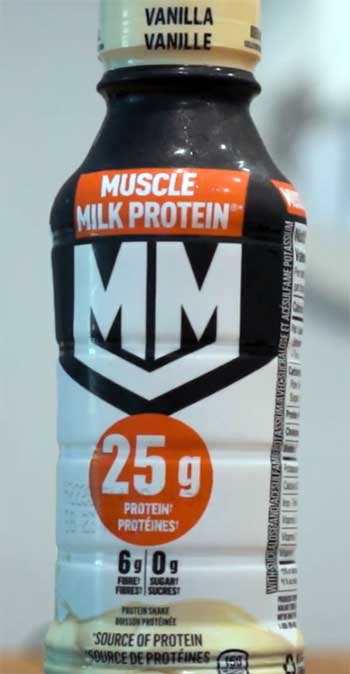
- Protein amount per serving tends to favor Lean Body in its ready-to-drink high-protein bottles, often hitting 40 grams versus Muscle Milk’s more common 32-gram mark in comparable formats. If your priority is maximizing protein with fewer bottles or scoops, this difference adds up over a week. However, Muscle Milk’s broader whey hydrolysate inclusion in some powders can offer slightly faster absorption for immediate post-training needs, so the “better” amount depends on whether you value total grams or speed of delivery.
- Calorie and macronutrient density creates a clear split for different goals. Lean Body generally runs lower in calories and carbs while packing more fiber, making it easier to fit into fat-loss or maintenance phases without feeling like you’re drinking a full meal’s worth of energy. Muscle Milk’s higher fat and sometimes carb content from its blend gives it more staying power and a creamier consistency, which suits bulking phases or days when you want something more substantial to curb hunger longer.
- Fiber and sugar profiles highlight Lean Body’s edge for satiety and blood-sugar management. The added fiber helps slow digestion and keeps you full, which many users report reduces snacking later in the day. Muscle Milk keeps sugar low too but usually includes less fiber, so it may not suppress appetite as effectively if that’s a key part of your strategy.
- Ingredient lists overlap on dairy proteins and artificial sweeteners, yet differ in emphasis and extras. Both rely on milk-derived proteins and often use sucralose or acesulfame potassium for sweetness, plus thickeners like carrageenan or cellulose. Lean Body leans heavier into the vitamin-mineral blend and fiber additives, while Muscle Milk sometimes incorporates more varied whey fractions and occasional medium-chain triglycerides for texture and quick energy. If you react to specific additives, checking the exact bottle or tub remains essential since formulas evolve.
- Target use and positioning separate them in practice. Lean Body markets itself strongly around lean muscle and meal-replacement convenience with balanced macros that support weight management. Muscle Milk positions more around muscle recovery and sustained nourishment, with its protein matrix aimed at extended release. Your choice often comes down to whether you see the shake as a lean-support tool or a recovery-focused addition to an already solid diet.
- Price and format practicality vary by how you buy. Ready-to-drink versions of both command a premium for convenience, though per-gram protein costs can be higher than powders. Muscle Milk powders sometimes offer better value for larger tubs if you mix your own, while Lean Body’s ready-to-drink bottles win for grab-and-go scenarios. Taste tests in reviews frequently split opinions, with some preferring Lean Body’s cleaner aftertaste and others loving Muscle Milk’s dessert-like richness.
Also Read: Differences Between Muscle Milk And Fairlife.
Key Features of Lean Body
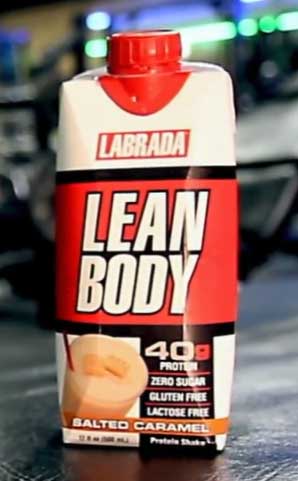
- Lean Body stands out with its high protein load in a ready-to-drink format that many users appreciate for on-the-go convenience. A standard bottle delivers around 40 grams of protein from a blend of milk protein isolate, calcium caseinate, and whey protein concentrate. This mix gives you both quicker-absorbing whey elements and slower casein components, which can help with muscle repair after training and keep you satisfied longer between meals. If you struggle to hit daily protein targets through food alone, this feature makes it easier to close the gap without cooking or prepping extra meals.
- The macronutrient balance leans toward supporting a leaner physique. With roughly 270 calories, 8 grams of fat, and only 9 grams of carbs alongside 5 grams of fiber and zero sugar in many versions, it avoids the heavier carb load some shakes carry. The fiber, often from inulin, adds bulk and promotes a feeling of fullness that can help you stay on track with portion control or calorie deficits. People focused on body recomposition often notice this helps them feel less deprived compared to lower-fiber options.
- Added vitamins and minerals set it apart as more than just a protein source. Formulations commonly include a broad spectrum covering vitamins A, C, D, E, several B vitamins, and minerals like calcium, magnesium, zinc, and potassium. This built-in micronutrient support can be useful if your regular diet falls short in these areas due to busy schedules or restricted eating patterns. It turns the shake into a partial meal replacement that contributes to overall nutritional coverage rather than just topping up protein.
- Low or zero sugar content appeals to those monitoring blood sugar or following lower-carb approaches. By using artificial sweeteners like sucralose and acesulfame potassium instead of added sugars, Lean Body keeps the sweetness without spiking calories or carbs. This can make it a practical choice during cutting phases where every gram counts, though it does mean accepting those sweeteners if you prefer fully natural options.
- Gluten-free status and options without soy protein in some varieties broaden its accessibility. Many people with common sensitivities find this easier to tolerate than shakes that rely heavily on soy or wheat-based thickeners. The texture in ready-to-drink bottles tends to be smooth and milk-like, which encourages consistent use rather than forcing down something chalky or unpleasant.
Pros of Lean Body
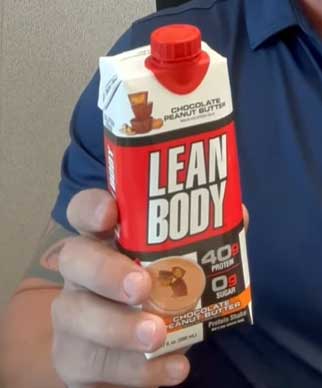
- High protein combined with fiber creates strong satiety that supports weight management efforts without constant hunger. The 40-gram hit plus several grams of fiber slows gastric emptying, so you stay satisfied for hours after drinking one. This can translate to fewer unplanned calories later, especially useful during busy workdays or when cutting.
- Zero or very low sugar keeps it compatible with lower-carb or ketogenic-leaning approaches while still tasting sweet. You avoid blood sugar spikes that some higher-sugar shakes trigger, and the artificial sweeteners deliver flavor without adding meaningful carbs or calories. Many people in fat-loss phases report this helps them stay consistent longer.
- Built-in vitamin and mineral package reduces the need for separate supplementation in some cases. Covering a wide range means the shake contributes to daily requirements for immune support, energy metabolism, and bone health. It functions almost like a fortified meal rather than isolated protein.
- Gluten-free and often soy-protein-free formulations improve tolerability for people with sensitivities. This broadens who can use it regularly without digestive discomfort or allergen concerns that plague other brands.
- Convenient ready-to-drink format removes barriers to consistent protein intake. No mixing, no clumps, just open and drink. For anyone who travels, works long shifts, or simply dislikes prep work, this reliability helps turn good intentions into daily habits.
Cons of Lean Body
- Artificial sweeteners and thickeners like carrageenan appear in most versions, which some users prefer to avoid for gut health or personal preference reasons. While generally recognized as safe, ongoing discussions around these additives lead certain people to seek stevia-only or minimal-ingredient alternatives instead.
- Ready-to-drink pricing sits at a premium compared to buying powder and mixing yourself. If budget matters and you consume multiple servings weekly, the per-bottle cost adds up faster than equivalent protein from a tub you portion out over time.
- Texture can feel thicker or heavier than lighter whey isolates for some drinkers. While many appreciate the milk-like body, others find it almost too filling or slow to finish, especially if they prefer quick, thin shakes post-workout.
- Not ideal as a pure low-calorie snack because the calorie count still registers as a solid meal component. If your goal is minimal calories with maximum protein, you might need to compare it against even leaner options on the market.
Also Read: Differences Between Soylent And Ensure Nutrition Shake.
Key Features of Muscle Milk
- Muscle Milk delivers a robust protein blend designed for both quick and extended amino acid release. Typical servings provide 32 grams from sources including milk protein isolate, calcium and sodium caseinate, plus whey concentrate, isolate, and hydrolysate in various formulas. The casein component digests more slowly, which can support recovery over several hours, while the whey elements kick in faster post-workout. This timed release profile makes it a solid pick if you train hard and want coverage that lasts beyond the immediate post-exercise window.
- Creamy texture and flavor variety often get mentioned in user feedback as standout qualities. The inclusion of fats like sunflower oil or medium-chain triglycerides contributes to a richer mouthfeel that feels more like a treat than a standard protein drink. Popular flavors such as chocolate, vanilla crème, and cookies and crème come across as indulgent, which can improve adherence if you find plainer shakes boring or hard to finish consistently.
- Some lines carry third-party testing certifications, such as NSF Certified for Sport, which verifies the product is free from banned substances. This adds reassurance for competitive athletes or anyone concerned about supplement purity and label accuracy. It positions Muscle Milk as a more vetted option in environments where testing matters for compliance or peace of mind.
- Moderate calorie and macro profile suits general fitness maintenance or mild surpluses. With calories ranging 220-280 depending on the exact product and format, plus balanced carbs and fats, it works as either a snack or light meal addition. The fat content provides a bit more sustained energy compared to very low-fat isolates, which can be beneficial on active days when you need staying power without a full meal.
- Fortification with select vitamins and minerals appears in many versions, though not always as extensive as competing meal-replacement style shakes. You still get contributions toward daily needs for calcium, vitamin D, and a few others, which supports bone health and general recovery alongside the protein. This makes it a convenient way to layer in extras without taking separate pills.
Pros of Muscle Milk

- The multi-source protein blend supplies both fast and slow-digesting amino acids in one serving. This can support immediate recovery needs while providing a steady trickle of building blocks for hours afterward, which aligns well with intense training schedules or overnight muscle repair.
- Creamy, enjoyable flavors boost compliance because the shake feels like a reward rather than a chore. When something tastes good enough that you look forward to it, you’re more likely to use it consistently instead of skipping days or falling back on less optimal food choices.
- Third-party testing on select products offers extra confidence around purity and label claims. For athletes subject to testing or anyone wary of supplement industry inconsistencies, this verification reduces one layer of uncertainty.
- Moderate fat inclusion from sources like sunflower oil adds a layer of sustained energy and improved texture. This makes the shake more satisfying as a standalone item and can help bridge longer gaps between meals without rapid hunger return.
Cons of Muscle Milk
- Higher calorie density from fats and carbs in many formulas makes it less optimal during strict fat-loss phases. You get quality protein, but the extra energy can work against a deficit if you’re not carefully accounting for the full serving in your daily totals.
- Reliance on artificial flavors, sweeteners, and additives mirrors concerns with many commercial shakes. Some users report aftertastes or prefer avoiding these for long-term daily consumption, especially if gut sensitivity is an issue.
- Casein-heavy elements may cause digestive discomfort for people with lactose intolerance or sensitivity to milk proteins. Even though processing reduces lactose, the remaining casein can still trigger bloating or heaviness in certain individuals.
- Less emphasis on extensive vitamin and mineral fortification compared to dedicated meal-replacement competitors. You still get protein and some micronutrients, but it functions more as a targeted recovery drink than a broad nutritional bridge.
How To Decide Which One Fits Your Goals?
If your main aim is leaning out while preserving muscle and staying full between meals, Lean Body’s combination of higher protein per calorie, added fiber, and zero sugar often gives it the practical edge.
The vitamin boost and convenience of ready-to-drink bottles also help when life gets hectic and whole-food meals slip through the cracks.
On the flip side, if you prioritize creamy taste, sustained protein release for recovery, and don’t mind a few extra calories for better texture and enjoyment, Muscle Milk tends to deliver on those fronts.
Taste remains subjective, so trying small packs or single bottles of both lets you see which one you’ll actually finish consistently.
Budget, dairy tolerance, and whether you prefer powder flexibility or grab-and-go simplicity further tilt the scale. Track how each affects your energy, hunger, and progress over a couple of weeks rather than deciding solely on paper macros.
Also Read: Differences Between Ensure Max Protein And Premier Protein.
Frequently Asked Questions (FAQ)
It can support weight loss as part of a calorie deficit because the high protein and fiber promote fullness and help preserve muscle, but success still depends on your total daily calories, activity level, and consistency with the rest of your diet.
It depends on your priorities. Lean Body offers more added vitamins and minerals plus a meal-replacement style profile with fiber, while Fairlife emphasizes ultra-filtered milk protein for high protein and low sugar in a different texture. Compare the exact nutrition labels and taste both to see which aligns better with your macros and preferences.
Yes, it supplies a quality blend of fast- and slow-digesting dairy proteins that effectively supports muscle repair and growth when paired with training. The overall product includes more calories and additives than pure isolates, so evaluate it as a complete shake rather than isolated protein alone.
No single shake is universally healthiest because individual needs vary by goals, tolerances, and diet style. Prioritize options with high-quality protein sources, minimal unnecessary additives, third-party testing where possible, and macros that fit your calorie and macro targets. Both Lean Body and Muscle Milk have strengths but contain artificial sweeteners in most versions; cleaner minimal-ingredient alternatives may suit those seeking fewer processed components.
Wrapping Up
After looking at the details side by side, you can see that Lean Body tends to edge out for calorie-conscious or fiber-focused users while Muscle Milk shines when creamy recovery and flavor drive your choices.
The better option for you comes down to tasting them in your own routine and noticing how they support your energy, hunger levels, and progress toward whatever body or performance goals you’re chasing right now.
Experiment, adjust, and keep what actually works in your life.