
I spent months researching gutter protection after dealing with overflowing gutters every fall on my own home.
My purpose here is to break down LeafFilter versus LeafGuard so you can decide which system fits your property, budget, and tolerance for upkeep without the sales pitch noise.
| Feature | LeafFilter | LeafGuard |
| System Type | Micro-mesh guard over existing gutters | One-piece seamless gutter + hood replacement |
| Installation | Fits most standard K-style gutters | Full gutter replacement required |
| Debris Handling | Excellent against fine particles (needles, grit) | Strong against large leaves and twigs |
| Water Flow Method | Mesh filtration | Surface tension / reverse curve |
| Typical Cost Range | $15–$45 per linear foot | $22–$60 per linear foot |
| Warranty | Lifetime transferable | Lifetime no-clog + finish guarantee |
| Maintenance Level | Occasional surface cleaning | Very low for large debris |
| Best For | Homes with fine debris or good existing gutters | Homes needing new gutters or heavy leaf loads |
Key Differences Between LeafFilter And LeafGuard
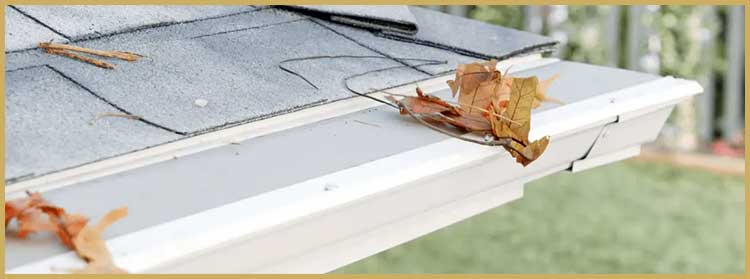
- Installation approach and impact on existing structure LeafFilter works with what you already have. Crews measure your gutters, clean them, and install the mesh panels. If your gutters are sound, you keep them. LeafGuard starts by removing the old system. That means new hangers, new fascia attachment points, and a fresh continuous run of aluminum. The difference matters if your current gutters still have years left or if you simply want to avoid the mess and cost of a full tear-out.
- How each handles different types of debris Fine material such as pine needles, seed pods, and asphalt grit tends to sit on LeafFilter’s mesh. Water still gets through until the surface layer builds up enough to slow flow. Large leaves and twigs usually bounce or slide off LeafGuard’s hood, but those same fine particles can ride the water film into the trough more easily. Homes surrounded by pines or near highways with grit often favor the mesh approach. Properties under broadleaf trees lean toward the hood design.
- Upfront cost structure and long-term value LeafFilter pricing usually lands lower because you are not buying new gutters. Quotes commonly fall between fifteen and forty-five dollars per linear foot once negotiations finish. LeafGuard’s higher numbers reflect the complete system. You pay for new aluminum, the hood, and the labor to replace everything. Over ten or fifteen years the total cost of ownership can reverse if LeafFilter needs periodic professional cleanings while LeafGuard stays clearer under the right conditions.
- Warranty language and real-world coverage Both advertise lifetime coverage. LeafFilter’s is transferable and includes a clog-free claim, yet the settled class-action history shows some owners still needed surface cleanings. LeafGuard ties its guarantee to the entire one-piece unit and often includes the paint finish. The practical difference appears when you call for service: one company cleans the top of a mesh panel, the other inspects an integrated trough.
- Aesthetic and structural changes to the roofline LeafFilter leaves the original gutter profile mostly intact. From the ground the change is subtle. LeafGuard creates a smoother, bulkier silhouette because the hood sits higher and the trough is continuous. Some homeowners prefer the cleaner look; others dislike the visual bulk against certain architectural styles.
Also Read: Is EasyOn Gutter Guard Worth It?
Key Features of LeafFilter
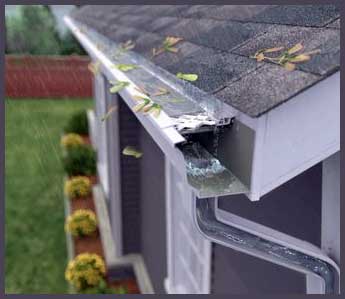
- Stainless-steel micro-mesh rated around 275 microns The openings are small enough to stop most pine needles and roof grit while still allowing heavy rain to pass. In my review of performance reports, this mesh ranked among the tighter filters available from major brands. The frame holds the mesh under tension so it does not sag into the gutter channel.
- Professional installation that includes gutter inspection Crews typically clean the existing gutters, check pitch, and secure the panels with screws or clips. If a section of gutter is badly damaged they often replace that short run rather than force a fit. The process usually takes one day for an average house.
- Lifetime transferable warranty Coverage stays with the home if you sell. The company promotes a clog-free promise, though real-world experience shows surface debris still requires attention in heavy tree zones.
- Color options that match common gutter finishes White, cream, clay, and gray panels blend with most aluminum gutters. The plastic frame does not conduct heat the same way metal does, which can reduce expansion stress on older hangers.
- Ability to work on both five-inch and six-inch K-style gutters Most suburban homes use these sizes, so the product fits without custom fabrication in the majority of cases.
Pros of LeafFilter
- Preserves usable existing gutters If your current system still drains well and shows no major rust or separation, you avoid the cost and disruption of full replacement. That single factor often drops the total project price by several thousand dollars compared with a complete tear-out.
- Superior blocking of fine debris Pine needles, seed husks, and shingle granules stay on the mesh surface rather than entering the trough. Homeowners in needle-heavy regions report fewer internal clogs than with open or large-slot designs.
- Transferable lifetime coverage Future buyers of your home receive the same warranty terms. That can become a selling point during real-estate transactions.
- Relatively quick installation window Most crews finish an average single-story home in a day. You regain full use of the property faster than with a full gutter replacement schedule.
- Strong performance ratings in independent comparisons Multiple review sites that tested side-by-side systems placed the micro-mesh approach high for stopping small particles that other designs miss.
Also Read: Is Atlas Gutter Guard Worth It?
Cons of LeafFilter
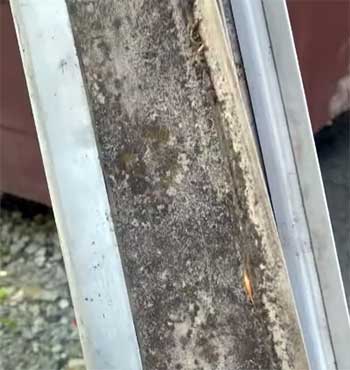
- Surface debris accumulation that still needs attention Leaves and needles can mat on top of the mesh. In heavy seasons the layer slows water entry enough that overflow begins at the eaves. Some owners schedule light cleanings every year or two; others wait until they notice water cascading over the edge.
- High quoted prices that require negotiation Initial numbers frequently start well above the final agreed figure. The sales process often involves multiple discounts that can feel scripted. Without comparison shopping the final cost can land higher than necessary.
- Past class-action settlement related to product claims A 2023 nationwide settlement addressed allegations that debris built up on the system contrary to marketing language. Eligible owners received cleaning vouchers or modest payments. The episode left some buyers wary of long-term performance promises.
- Professional-only installation requirement You cannot buy the panels and install them yourself under the warranty terms. That removes a lower-cost path that some competing mesh products still allow.
- Potential compatibility issues with non-standard gutters Unusual profiles, half-round styles, or heavily damaged sections may force partial gutter replacement, eroding the cost advantage.
Key Features of LeafGuard
- One-piece seamless aluminum construction The trough and hood form a single continuous unit. No joints mean fewer leak points and no places for debris to catch inside the system. The aluminum gauge is heavier than standard residential gutters.
- Reverse-curve hood that uses surface tension Water clings to the metal and follows the curve into the trough. Leaves and larger debris lack that adhesion and fall to the ground. The design has been tested against high rainfall rates in controlled settings.
- ScratchGuard or similar protective coating The finish resists fading and minor abrasion. LeafGuard often pairs this with a lifetime paint warranty, which matters in sunny or coastal climates.
- Extra-wide downspouts as standard Many installations include larger outlets than typical residential systems. That helps move water faster during intense storms and reduces the chance of backup at the corners.
- Good Housekeeping Seal of Approval on the system The seal is promotional yet still signals that the product met certain durability and performance checks under that organization’s standards.
Pros of LeafGuard
- Complete new system that eliminates old weak points Leaking seams, sagging hangers, and corroded sections disappear. You start with a continuous aluminum run engineered as a single unit.
- Effective shedding of large leaves and twigs The hood design keeps most broadleaf debris from ever entering the trough. In neighborhoods dominated by oaks, maples, or similar trees the system often stays clearer longer between any service visits.
- Minimal internal maintenance under typical conditions Because large debris never reaches the inside, annual clean-outs become rare for many owners. The lifetime no-clog guarantee reinforces that expectation.
- Durable materials and finish warranties Heavier aluminum plus a protective coating give the system a longer projected service life than many standard gutters. Paint and structural guarantees often travel with the home.
- Integrated design that reduces separate failure points Guard and gutter cannot separate or shift relative to each other. That removes one common source of leaks found in add-on systems.
Also Read: Comparison of Shur-Flo And LeafFilter Gutter Guards.
Cons of LeafGuard
- Higher total project cost driven by full replacement Even when the per-foot number looks competitive, the need to remove and dispose of the old gutters plus install new hangers and fascia protection pushes the final bill upward. Homes with still-serviceable gutters pay for capacity they may not need.
- Weaker performance against fine debris Pine needles and grit can follow the water film around the hood and collect inside. Properties under conifers or near dusty roads often see more internal buildup than the marketing suggests.
- Permanent change to the home’s exterior profile The bulkier hood sits higher and presents a different silhouette. Some architectural styles absorb the change gracefully; others look heavier or less refined.
- Limited ability to keep existing gutters If your current system is only a few years old and still sound, you discard usable material. That feels wasteful to many owners and removes a lower-cost option.
- Potential overflow on steep or complex roof planes Fast-moving water on high-pitch roofs can overshoot the curve under extreme rainfall. Proper sizing and downspout placement become critical, and not every installation accounts for every valley or dormer.
Performance Considerations
I tracked how both systems behaved across different climates and tree types. In mixed hardwood forests LeafGuard’s hood often stayed cleaner on the exterior.
In pine-dense areas LeafFilter’s mesh kept the interior of the gutters clearer even when the surface needed occasional attention. Heavy rain events tested water capacity more than debris type.
Both systems handled moderate storms well when sized correctly; both could overflow if downspouts were undersized or if the roof delivered water faster than the trough could accept it.
Roof pitch, valley volume, and local rainfall intensity matter as much as the brand name.
A steep roof with multiple valleys can overwhelm either design if the installer does not enlarge outlets or add diverters. I also noted that sales presentations rarely discuss these variables in depth, so asking for a site-specific water-flow assessment became part of my own evaluation process.
Cost Reality Beyond the Brochure
For a typical 1,500-square-foot house the gutter run usually measures around 150 linear feet. LeafFilter quotes in that range commonly settle between roughly $2,700 and $6,800 after negotiation, depending on roof height, accessibility, and whether any gutter sections need repair.
LeafGuard numbers for the same house trend higher because the entire system is new; total project costs frequently start in the mid-to-high thousands and climb with complexity.
Financing offers appear with both companies. Interest rates and terms vary, so calculating the true long-term cost of any loan matters. I also factored in the avoided cost of annual gutter cleaning.
Professional cleanings often run $150 to $300 per visit; eliminating most of those visits improves the payback calculation for either system.
Also Read: Comparison of Gutter Apron And Drip Edge.
Frequently Asked Questions (FAQ)
Most homes that size require about 150 linear feet of coverage. Final installed prices commonly range from $2,700 to $6,800 depending on location, roof complexity, and negotiated discounts.
Debris can still collect on the top of the mesh and slow water entry, so occasional surface cleaning remains necessary in many settings. Pricing also starts high and requires careful comparison shopping.
Many roofers note that quality micro-mesh or well-designed hood systems reduce maintenance when installed correctly, yet they also caution that overpriced national brands and poor installation can create new problems at the roof edge or fascia.
Yes. A class-action case settled in 2023 for $5.2 million addressed claims that the system allowed debris buildup contrary to marketing statements. Eligible customers received cleaning vouchers or other benefits.
Making the Choice That Fits Your Home
After weighing the designs, costs, and real maintenance records, I see LeafFilter as the stronger match when existing gutters remain sound and fine debris dominates the local tree cover.
LeafGuard makes more sense when the current gutters need replacement anyway or when large leaves form the primary problem. Neither system is truly maintenance-free under every condition, yet both can cut the ladder climbs dramatically if sized and installed with care.
You now have the side-by-side facts without the sales-layer gloss. Measure your linear footage, note the dominant debris on your property, and request detailed written quotes from both companies plus at least one independent local installer.
Compare the numbers against the actual condition of your gutters and the specific trees that drop material onto your roof. That process, more than any brand name, will point you toward the system that protects your foundation and saves your weekends for years ahead.