
When I started planning my own kitchen update, I spent weeks weighing IKEA against Home Depot cabinets.
Both offer accessible options that can transform a space without breaking the bank, but they serve different needs.
In this article, I share my detailed analysis based on real features, costs, durability, and user experiences so you can decide what fits your home, budget, and lifestyle best.
| Aspect | IKEA Cabinets | Home Depot Cabinets |
| Price Range | Lower overall (often $100-200/linear ft) | Varies widely; stock ~$75-300+/ft |
| Construction | Particleboard/MDF with strong frames | Mix of particleboard, plywood options |
| Assembly | Flat-pack, DIY required | Stock assembled; custom varies |
| Design/Selection | Modern, modular, limited styles | Broader traditional & custom options |
| Warranty | Up to 25 years on SEKTION system | Varies by brand/line |
| Installation | DIY-friendly or hire help | Easier pro install options |
| Durability | Excellent frames & hardware | Depends on line; higher-end better |
| Best For | Budget modern remodels, DIYers | Quick stock buys, customization |
Key Differences Between IKEA And Home Depot Cabinets
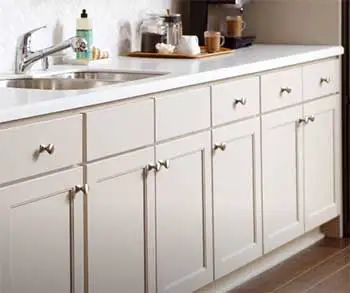
- Modularity and Fit — IKEA cabinets use a highly standardized SEKTION frame system that gives you incredible flexibility to fill odd spaces, create custom-looking islands, or maximize narrow galley kitchens. The predictable sizes and connecting hardware make it easier to reconfigure later if you move. Home Depot stock cabinets follow more conventional sizing, which works great in standard layouts but often requires filler strips, custom cuts, or awkward gaps in non-standard kitchens.
- Materials and Build Quality — IKEA focuses on consistent reinforced particleboard frames paired with strong back panels and metal connectors that create rigid boxes once assembled. Home Depot offers a tiered approach where basic lines use lighter particleboard while upgraded collections include plywood sides and backs for better durability and weight support.
- Aesthetics and Style Range — IKEA pushes clean, contemporary, and minimalist designs with easy-to-swap fronts that let you refresh the look affordably. Home Depot provides broader variety including classic Shaker doors, raised panel traditional styles, farmhouse looks, and modern finishes across many brands.
- Shopping and Availability Experience — IKEA relies on centralized planning tools and big-box store visits with most items coordinated in one system. Home Depot emphasizes local stock availability, in-store displays you can open and test, and the ability to mix different lines or add matching appliances and countertops in a single trip.
Key Features of IKEA Cabinets
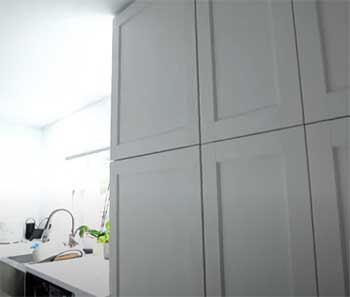
- SEKTION Frame System — Reinforced particleboard construction with steel pins and cam locks that create very stable cabinets when assembled properly. These frames resist sagging even with heavy stone countertops in many installations.
- High-Quality Hardware Integration — Soft-close hinges and drawer runners deliver smooth, quiet operation and hold up through thousands of daily uses without loosening quickly.
- Innovative Storage Solutions — Pull-out trash and recycling bins that hide neatly, corner carousel systems that rotate fully, deep pantry pull-outs with multiple baskets, and slim cabinet organizers designed for maximum accessibility.
- Modular Accessories and Customization — Legs, toe-kick panels, cover panels, and lighting strips all integrate seamlessly. You can add interior lighting, charging drawers, or even child-proof locks without major modifications.
- Sustainability and Warranty — Responsible sourcing for many wood components, flat-pack efficiency that reduces transport emissions, and a generous 25-year limited warranty on the main cabinet system that covers structural integrity.
- Planning and Design Tools — The online kitchen planner lets you test layouts in 3D, generates accurate shopping lists, calculates costs including accessories, and helps avoid common measurement mistakes before you buy a single piece.
Also Read: Comparison of CliqStudios And IKEA Cabinets.
Pros of IKEA Cabinets
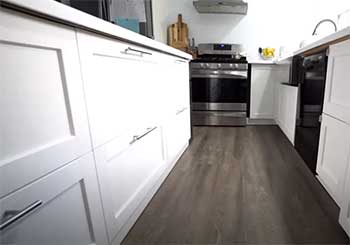
- Exceptional Overall Value — The combination of modern styling, reliable hardware, and thoughtful design delivers far more features per dollar than many expect, freeing up budget for countertops, appliances, or backsplashes that elevate the whole kitchen.
- Surprising Long-Term Durability — Once properly assembled with a bit of glue on the dowels, the frames stay rigid and the soft-close mechanisms continue working smoothly even after years of heavy use by families with kids and frequent cooking.
- Outstanding Space Efficiency — Modular sizing lets you optimize every inch of wall and corner space, creating practical layouts in small apartments, awkward galley kitchens, or open floor plans where standard cabinets leave dead zones.
- Simple Future Refresh Options — Swapping door fronts, handles, or adding new organizers is straightforward and inexpensive, allowing you to update the entire look without replacing the entire cabinet structure.
- Reliable Structural Warranty — The 25-year coverage on the SEKTION frames provides real confidence that the boxes will not warp, sag, or fall apart under normal household conditions.
- Built-In Smart Features — Integrated solutions like pull-out recycling systems, interior lighting compatibility, and hidden charging stations make daily kitchen tasks noticeably smoother and more organized than basic cabinet setups.
- Lower Environmental Footprint — Flat-pack shipping reduces packaging volume and transport emissions while the modular design supports easier repairs or partial replacements instead of full disposal.
Cons of IKEA Cabinets
- Time-Intensive Assembly Process — Each cabinet box requires careful unboxing, part sorting, and step-by-step construction that can take 30 minutes to over an hour per unit, turning into a multi-day project for a full kitchen that demands patience and a clear workspace.
- Restricted Style Variety — Strong on clean modern and minimalist aesthetics but limited when you want ornate traditional, heavily detailed, or highly customized classic looks without sourcing separate fronts from third parties.
- Logistical and Availability Challenges — Fewer store locations often mean travel, potential shipping delays, or limited immediate stock, which can complicate tight renovation schedules or last-minute adjustments.
- Installation Requires Careful Precision — Achieving perfect alignment, leveling, and secure wall attachment takes experience. Small errors in measuring or sequencing can lead to visible gaps or doors that do not close properly.
- Potential Perception Issues for Resale — In some upscale neighborhoods buyers may view the system as more entry-level even though real-world performance is solid, possibly affecting perceived home value.
- Learning Curve for Full Customization — While flexible, maximizing the system benefits requires using the planner tool effectively and sometimes combining accessories creatively, which feels overwhelming for absolute beginners.
Key Features of Home Depot Cabinets
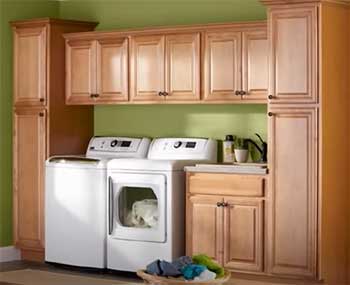
- Tiered Product Lines — Everything from affordable in-stock Hampton Bay options to semi-custom and full custom collections with real wood doors and plywood boxes for those who want to upgrade.
- Pre-Assembled Stock Availability — Many cabinets arrive ready to install, which saves significant time and reduces the risk of assembly errors for busy homeowners.
- Wide Door Style and Finish Selection — Shaker styles in multiple colors, traditional raised panels, modern slab doors, distressed finishes, and stained wood grains that appeal to classic American tastes.
- Integrated Accessory Options — Built-in options like spice racks, utensil dividers, cookie sheet organizers, lazy Susans, and soft-close mechanisms across more collections.
- One-Stop Project Support — Easy coordination with countertops, backsplashes, flooring, and appliances all available in the same store, plus access to installation services and designers.
- Plywood Upgrade Paths — Higher-end lines feature stronger plywood construction that holds screws better and handles moisture more effectively in busy kitchens.
Also Read: Comparison of Barker And IKEA Cabinets.
Pros of Home Depot Cabinets
- Superior Convenience and Speed — Wide local availability of stock items and pre-assembled options means you can pick up cabinets the same day and begin installation quickly, which is perfect when you are living in the home during renovation.
- Extensive Style and Customization Choices — From basic stock to semi-custom and full custom lines, you can match nearly any traditional, farmhouse, or transitional aesthetic with real wood options and precise sizing adjustments.
- Helpful In-Store Experience — Physical displays let you test door swings, drawer slides, and finishes in person while staff or designers provide immediate guidance on measurements and compatible products.
- Strong One-Stop Shopping Ecosystem — Coordinating cabinets with countertops, flooring, paint, appliances, and installation services all under one roof simplifies project management and reduces vendor coordination headaches.
- Flexible Quality Scaling — Start with budget-friendly lines and upgrade specific high-use areas like the sink base or island to plywood construction where extra strength matters most.
- Better Appeal for Traditional Homes — Classic door styles and finishes blend seamlessly with many existing decors and can support stronger resale impressions in markets that favor conventional looks.
- Easier Professional Installation Pathways — Services and recommended installers are readily available, making the process smoother if you prefer minimal personal involvement in the physical work.
Cons of Home Depot Cabinets
- Variable Quality in Entry-Level Options — Basic stock cabinets sometimes use lighter materials and simpler hardware that show wear faster under heavy daily use compared to more consistent engineered systems.
- Price Escalation with Upgrades — Moving beyond basic in-stock selections to custom sizes, better materials, or premium finishes can increase costs significantly, sometimes matching higher-end alternatives without added modular benefits.
- Fewer Integrated Smart Storage Solutions — Standard designs rely more on add-on accessories for organization, which adds expense and does not always achieve the seamless efficiency found in purpose-built systems.
- Occasional Dated Design Choices — Some collections feel behind current clean minimalist and contemporary trends that dominate newer kitchen preferences and social media inspiration.
- Transportation and Handling Difficulties — Pre-assembled cabinets are bulky and heavy, often requiring delivery scheduling or multiple vehicle trips that complicate logistics for DIYers.
- Inconsistent Lead Times and Availability — Popular stock items can sell out and custom orders may face longer waits, with quality varying slightly depending on the specific manufacturer supplying the line at any time.
- Less Modularity for Tricky Spaces — Fixed sizing in many collections makes it harder to optimize irregular walls or corners without visible fillers or design compromises.
Which Should You Choose?
After comparing features side by side, I see IKEA winning for most budget-conscious folks who like modern design and are willing to invest some sweat equity. Their system feels engineered as a whole, with better hardware consistency and planning tools.
Home Depot excels when you need speed, local convenience, or specific traditional styles with pro installation support.
Consider your timeline, DIY comfort, kitchen shape, and long-term plans. For a stylish, functional kitchen on a reasonable budget that lasts 10+ years with care, IKEA often delivers more bang for the buck.
If you prioritize quick turnaround or heavy customization, lean toward Home Depot.
Also Read: Comparison of Lily Ann And IKEA Kitchen Cabinets.
Frequently Asked Questions (FAQ)
Not necessarily. IKEA often edges out in value, modern design, and hardware consistency for the price, while Home Depot can be better for quick stock access and traditional customization.
No, they sit in the affordable to mid-range category. They offer excellent quality for the cost but aren’t luxury custom cabinets.
Premium custom makers using solid wood and top hardware produce the highest quality, though IKEA and better Home Depot lines provide strong value alternatives.
Yes, for many mid-sized kitchens it covers cabinets, counters, appliances, flooring, and labor – especially with IKEA or smart Home Depot choices. Larger or luxury projects may need more.
Final Thoughts
In the end, I believe you should pick based on what matches your daily life and priorities. If you value smart modularity, savings, and contemporary style while putting in some assembly work, go with IKEA – you will likely feel proud of the results for years.
If convenience, variety in classic looks, and easier local support speak to you more, Home Depot cabinets can serve you well without regret. Weigh your space, budget, and patience level, then visit both to see and touch the products.
Your perfect kitchen is the one that works for how you actually live.