
I’ve spent enough time on job sites, in tool cribs, and comparing spec sheets to have a pretty settled opinion on the Hilti and Milwaukee debate, and I want to walk you through everything I’ve learned so you can figure out which brand fits your work, your budget, and your toolbox.
This comparison breaks down features, pricing, durability, and real-world performance so you’re not left guessing.
| Factor | Hilti | Milwaukee |
| Price Range | Premium, higher upfront cost | Mid-to-premium, more affordable |
| Target User | Professional contractors, heavy-duty trades | Tradespeople, DIYers, general contractors |
| Battery Platform | Nuron system | M12 and M18 systems |
| Warranty | 2-year standard, extendable service programs | 5-year standard on most tools |
| Availability | Direct sales, limited retail | Widely available in retail and online |
| Product Range | Narrower, specialized | Broad, hundreds of tool options |
| Build Quality | Extremely rugged, industrial-grade | Rugged, built for daily trade use |
| Innovation Focus | Precision, fastening, concrete/anchoring tech | Cordless versatility, broad ecosystem |
Key Differences Between Hilti and Milwaukee
When you put these two brands side by side, a few differences stand out immediately and shape which one makes more sense for your work.
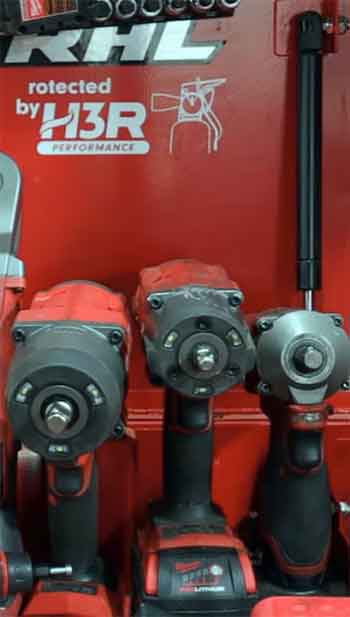
- Hilti focuses on specialized, heavy-duty applications like concrete drilling, anchoring, and fastening systems, and almost everything the company engineers is built around structural and masonry work. Milwaukee, meanwhile, offers a much broader catalog covering everything from woodworking to plumbing to electrical work, which means it’s designed to follow you across nearly every trade rather than just one.
- Hilti sells primarily through direct sales reps and account managers who visit job sites, take orders, and manage accounts in person, which builds a relationship-driven buying process. Milwaukee tools, by contrast, are sold through major retailers, distributors, and online marketplaces, so you can walk into a store or place an order and have a tool in your hands the same day.
- Hilti tools tend to carry a noticeably higher price tag, and that premium is justified by the engineering, testing, and support services baked into every purchase. Milwaukee positions itself as high performance without the premium markup, which is exactly why so many contractors treat it as the value-conscious alternative without feeling like they’re sacrificing capability.
- Hilti’s battery platform, called Nuron, is designed for cross-compatibility across a smaller but highly engineered lineup, so every battery is built to perform predictably across a curated set of tools. Milwaukee’s M12 and M18 platforms span hundreds of tools instead, making it far easier to build out a full cordless ecosystem where nearly every tool you own shares the same batteries and chargers.
- Hilti includes service and repair programs as part of the ownership experience, so when a tool needs attention, there’s often a structured process and a dedicated contact to handle it. Milwaukee relies more on a strong standard warranty paired with a wide service network through retailers, which works well for straightforward repairs but doesn’t come with the same hands-on account management.
- Hilti tools are often chosen by large commercial contractors and specialty trades that need consistency across big crews and multiple job sites. Milwaukee appeals to a wider mix of professionals, remodelers, and serious DIYers, which is part of why you’ll see the brand’s tools in everything from commercial builds to home garages.
Key Features of Hilti Tools
Hilti didn’t earn its reputation by accident. The brand has built a name around a handful of standout features that professionals genuinely rely on.
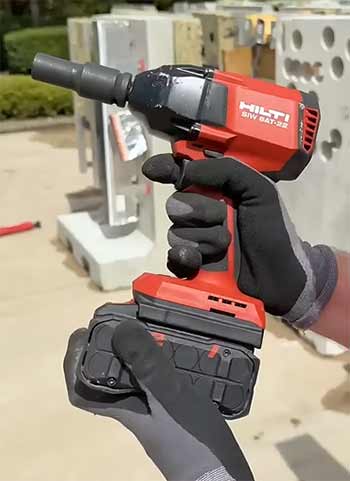
- Nuron battery platform that’s engineered for consistent power output from the first minute of a charge to the last, and it’s specifically designed to reduce downtime on demanding job sites where a dead battery can stall an entire crew.
- Best-in-class rotary hammers and concrete anchoring systems that many contractors consider the gold standard for masonry and structural work, largely because they hold up to constant drilling into concrete and steel without losing power or overheating.
- Onsite fleet management that lets companies track, repair, and replace tools without the usual administrative headache, which becomes especially valuable when you’re coordinating equipment across dozens of workers and multiple active sites at once.
- Extremely durable housings and internal components built to survive drops, dust, and constant abuse on commercial sites, so tools keep functioning even after the kind of treatment that would put lesser equipment out of commission.
- A tool tracking and asset management system called ON!Track that larger crews use to monitor equipment across multiple job sites, cutting down on lost tools, theft, and the guesswork of figuring out who has what.
- Precision-focused engineering, especially in layout tools, measuring systems, and fastening technology used in commercial construction, where even small margins of error can cause costly problems later in a build.
Pros of Hilti
Here’s where Hilti genuinely shines, especially if your work leans toward heavy-duty commercial or industrial tasks.
- Exceptional build quality that holds up under continuous, punishing job site conditions, so you’re not constantly worried about a tool failing in the middle of a critical task.
- Industry-leading performance in concrete drilling, anchoring, and fastening applications, which is exactly the kind of work where cutting corners on equipment simply isn’t an option.
- Strong customer support with direct account management and onsite service, meaning problems tend to get resolved quickly instead of sitting in a repair queue for weeks.
- Reliable battery performance across the Nuron platform, even in demanding, high-drain tools like large rotary hammers that would drain lesser batteries in a fraction of the time.
- Asset tracking tools that make sense for companies managing large fleets of equipment, cutting down on lost gear and giving managers real visibility into what’s actually being used.
- A reputation among tradespeople for tools that simply don’t quit, even after years of daily use, which is the kind of trust that gets passed down from one generation of workers to the next.
Cons of Hilti
As much as I respect the engineering, Hilti isn’t without its drawbacks, and they’re worth knowing before you commit.
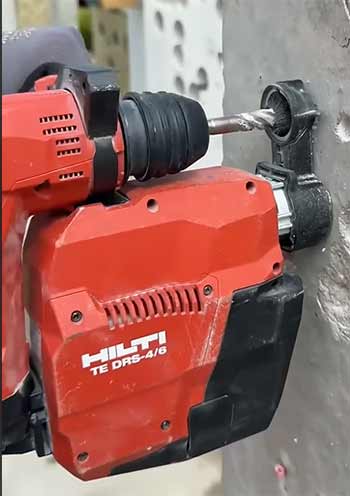
- Significantly higher upfront cost compared to nearly every competitor, including Milwaukee, which can be a tough pill to swallow if you’re outfitting a crew from scratch.
- Limited availability, since you generally need to go through a Hilti representative rather than picking tools up at a local store, so last-minute replacements aren’t always as quick as you’d like.
- A narrower product range, meaning some trades might not find everything they need within the Hilti ecosystem and end up mixing in tools from other brands anyway.
- Repair and service programs, while excellent, often come at an additional recurring cost, so the total cost of ownership can climb higher than the initial price tag suggests.
- Some users find the ecosystem less flexible for smaller businesses or solo contractors who don’t need fleet-level features, making the extra services feel like overkill for a one- or two-person operation.
Key Features of Milwaukee Tools
Milwaukee’s strength comes from sheer range and how aggressively it keeps expanding its cordless lineup.
- The M18 Fuel lineup, which covers everything from drills and impact drivers to saws, blowers, and even outdoor power equipment, essentially letting you replace an entire garage of gas-powered tools with a single cordless battery system.
- M12 lineup for compact, one-handed tools that are ideal for tight spaces like electrical boxes, HVAC work, or anywhere a full-size tool simply won’t fit, giving electricians and technicians a lighter option without sacrificing much power.
- ONE-KEY technology, a tool-tracking and customization system that lets users adjust torque settings, set custom performance modes, and monitor inventory from a smartphone app, which is a genuinely useful feature for crews managing shared equipment.
- REDLITHIUM battery technology that’s widely praised for consistent runtime and resistance to temperature extremes, meaning the batteries hold up whether you’re working in freezing winter conditions or under a blazing summer sun.
- A massive accessory and attachment ecosystem, so one battery platform can power dozens of different tool types, from a simple drill to a full-size chainsaw, without ever needing a second charger or battery format.
- Frequent product releases, meaning the lineup is constantly updated with newer, lighter, or more powerful versions of existing tools, so the technology rarely feels like it’s standing still compared to competitors.
Also Read: Differences Between DeWalt Powerstack And Powerpack.
Pros of Milwaukee
Milwaukee’s appeal comes down to accessibility, versatility, and consistently solid performance across an enormous catalog.
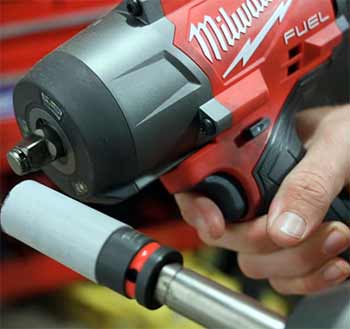
- Wide availability through major retailers, meaning you can replace or add tools almost immediately instead of waiting on a shipment or a sales call.
- A massive selection of tools across nearly every trade, from woodworking to plumbing to landscaping, so you rarely have to look elsewhere to fill a gap in your setup.
- Strong warranty coverage, often five years standard, which builds confidence in long-term ownership and takes some of the risk out of investing in a new tool.
- ONE-KEY smart technology that adds a layer of customization and tracking most competitors don’t offer, letting you fine-tune tool behavior right from your phone.
- More competitive pricing relative to performance, making it accessible for both professionals and serious hobbyists who want commercial-grade capability without a commercial-grade price tag.
- Frequent innovation cycles that keep the lineup current with newer battery tech and ergonomic improvements, so upgrading rarely feels like starting over from scratch.
Cons of Milwaukee
Even with all that going for it, Milwaukee has a few weak points that are worth acknowledging.
- Build quality, while solid, generally doesn’t match Hilti’s industrial-grade toughness for the most extreme job site conditions, especially on projects involving nonstop heavy concrete work.
- The sheer size of the catalog can be overwhelming when trying to figure out which version or generation of a tool to buy, and it’s easy to end up second-guessing whether a newer model is actually worth the upgrade.
- Some specialty tools in categories like concrete anchoring don’t quite match Hilti’s specialized performance, so contractors in that niche sometimes end up owning both brands anyway.
- Battery and charger compatibility can get confusing across older and newer generations of the M12 and M18 platforms, particularly if you’ve been buying tools over several years.
- Popular tools sometimes sell out or get backordered due to high demand, which can be frustrating if you need a specific model right away for an active job.
Price and Value Comparison
Price is usually the first thing people ask about, and it’s also where the two brands diverge the most. Hilti tools routinely cost noticeably more than comparable Milwaukee products, sometimes by a wide margin.
That premium isn’t arbitrary. It reflects the engineering, the onsite support, and the fleet management services bundled into the ownership experience.
Milwaukee, by comparison, gives you strong performance at a price point that’s easier for smaller businesses and individual buyers to justify.
If you’re outfitting a large crew and every dollar counts, Milwaukee often ends up being the more practical choice simply because you can buy more tools for the same budget.
That said, value isn’t only about the sticker price. If a Hilti rotary hammer lasts twice as long under heavy daily use and comes with a service plan that keeps you working instead of waiting on repairs, the higher cost can pay for itself over time.
It really comes down to how hard you’re going to run these tools and how much downtime actually costs you.
Which One Should You Choose?
Choosing between these two really comes down to the kind of work you do and how you buy tools.
If you’re a commercial contractor working heavily with concrete, anchoring, or structural fastening, and you value onsite service and fleet management, Hilti is going to serve you well despite the higher price.
If you’re a tradesperson, remodeler, or serious DIYer who wants a massive selection of reliable tools at a more accessible price point, Milwaukee is going to be the more practical everyday choice.
Neither brand is objectively “better” in every category. It’s about matching the tool to the job, the budget, and how you like to buy and maintain your equipment.
Also Read: Differences Between Bauer And Hercules Power Tools.
Frequently Asked Questions (FAQ)
Milwaukee is widely considered Hilti’s biggest competitor, especially in categories like cordless drills, rotary hammers, and fastening tools, though brands like DeWalt and Bosch also compete closely in certain product lines.
Hilti is often considered the best for heavy-duty, commercial-grade performance thanks to its industrial-strength build quality, specialized concrete and anchoring technology, and strong onsite service programs.
No, Hilti and Milwaukee use separate, incompatible battery and charging systems, so tools and batteries from one brand cannot be used with the other.
Hilti generally outperforms DeWalt in heavy-duty commercial applications like concrete drilling and anchoring, but DeWalt offers a broader, more affordable lineup that works better for general trade and DIY use.
Final Thoughts
By now, you should have a clear picture of how Hilti and Milwaukee stack up against each other, from pricing and durability to battery ecosystems and long-term support.
If your work demands industrial-grade toughness and you don’t mind paying a premium for it, Hilti is worth the investment.
If you want flexibility, wide availability, and strong value across an enormous tool lineup, Milwaukee is likely your better fit. Either way, you’re choosing between two of the most respected names in the industry, so you really can’t go wrong as long as you match the brand to your actual workload.