
I have spent years trying different foods for my dogs, watching how their energy, coat, digestion, and overall happiness change with each switch.
When it came time to compare Hill’s Science Diet and Blue Buffalo, I approached it like any responsible pet parent would – by looking closely at what each brand offers, testing formulas where possible, and weighing real results against marketing claims.
In this article, I share my experiences and analysis to help you decide what might work best for your furry friend. You will walk away with clear insights on ingredients, benefits, drawbacks, and how these two stack up for everyday feeding.
| Aspect | Hill’s Science Diet | Blue Buffalo |
| Main Focus | Science-backed, vet-formulated nutrition | Natural ingredients with real meat first |
| Protein Sources | Often chicken meal, grains common | Real deboned meat, fewer by-products |
| Key Ingredients | Brewers rice, corn, wheat in many formulas | Peas, sweet potatoes, fruits/veggies |
| Price Range | Generally more affordable | Premium pricing |
| Vet Recommendation | Highly recommended by many vets | Mixed, some concerns over certain formulas |
| Best For | Specific health needs, life stages | Owners seeking “natural” feel |
| Recalls History | Strong track record | More frequent in the past |
| Grain Options | Many grain-inclusive formulas | Some grain-free, others with grains |
Key Differences Between Hill’s Science Diet And Blue Buffalo

- Ingredient Philosophy Sets Them Apart: Hill’s Science Diet leans heavily on research and clinical testing. Many formulas include grains like brewers rice or corn as fillers that provide digestible carbs. Blue Buffalo pushes real meat as the top ingredient in most recipes and avoids poultry by-product meals, corn, wheat, and soy in their core lines. I noticed my dogs seemed to enjoy the taste of Blue Buffalo more at first, probably because of that meat-forward approach, which often led to quicker clean plates during mealtime.
- Formulation and Science Backing: Hill’s works with veterinarians to create targeted options for weight management, joint health, or sensitive stomachs. Their antioxidant blends aim to support immunity over time. Blue Buffalo offers lines like Wilderness for high-protein needs or Life Protection for balanced everyday feeding, emphasizing natural fruits and veggies for added nutrients that can make a visible difference in daily vitality.
- Manufacturing and Quality Control: Hill’s maintains strong production standards with fewer reported issues over the years. Blue Buffalo has faced recalls in the past, which made me pause initially, though they have improved transparency. When I checked bags closely, Hill’s felt more consistent in kibble size and texture across batches, reducing any worry about sudden formula shifts.
- Price and Accessibility: I could find Hill’s Science Diet almost anywhere at a lower cost per pound, making it easier for long-term feeding. Blue Buffalo costs more, but I felt like I was paying for perceived premium ingredients. For budget-conscious owners like me during certain months, that difference mattered, especially when feeding multiple dogs year-round.
- Suitability for Different Life Stages and Breeds: Both cover puppies, adults, and seniors, but Hill’s has more breed-specific or size-specific tweaks. Blue Buffalo shines with limited-ingredient options that helped when my dog had mild allergies, allowing smoother adjustments without major diet overhauls.
- Digestibility and Stool Quality: In my trials, Hill’s often produced firmer stools, likely due to the balanced fiber from grains. Blue Buffalo sometimes led to looser stools if the formula had lots of peas or legumes, though their grain-inclusive options performed better and settled my dogs’ systems nicely after an adjustment period.
- Coat and Skin Health: Both include omega fatty acids, but I saw shinier coats on Hill’s during winter months when dry skin is common. Blue Buffalo’s real meat sources provided good results too, especially in active dogs that spent more time outdoors.
Key Features of Hill’s Science Diet
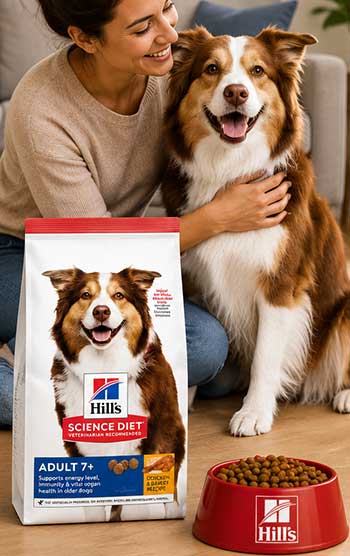
- Clinically Supported Nutrition: I appreciated how their formulas are designed around proven nutrient levels for heart health, kidney support, and more. Reduced phosphorus in senior foods felt reassuring for my aging dog, giving me confidence that I was supporting his long-term wellness without extra supplements.
- Wide Variety of Health-Focused Options: From puppy growth to weight control and oral care, there is something for almost every need. Their indoor formulas helped my less-active pets maintain weight without feeling hungry, which prevented the constant begging that used to drive me crazy.
- Consistent Quality and Safety: Fewer worries about sudden changes or recalls gave me peace of mind. I could buy in bulk knowing the bag would be reliable, which saved time and reduced stress during busy weeks.
- Affordable for Daily Feeding: The price allowed me to feed high-quality food without stretching my budget too thin, which is huge for multi-dog households where costs can add up quickly over the years.
- Prebiotics and Antioxidants: These additions supported steady digestion and immune function, noticeable in fewer vet visits over the years and overall brighter days for my pets.
- Easy Transition: My dogs switched onto Hill’s without much fuss, and stools stayed solid from day one in most cases, making the change far less messy than some other brands I had tried before.
- Vet Endorsements: Many professionals reach for this brand first when recommending everyday or therapeutic diets, which influenced my choices during check-ups and helped me feel more secure in my decisions.
Pros of Hill’s Science Diet
- Proven Results in Health Management: I saw real improvements in my dog’s weight and mobility when using their joint and weight formulas. The science backing made changes predictable, and over several months I could track steady progress in bloodwork and daily activity levels without unexpected setbacks.
- Excellent for Specific Needs: If your dog has kidney concerns or needs precise mineral balance, these formulas deliver without guesswork. This precision helped me manage my senior dog’s conditions effectively, reducing the frequency of additional medications or interventions.
- Reliable Digestion: Grains help many dogs maintain good gut health, reducing gas and loose stools compared to some grain-free alternatives. In my experience, this led to cleaner yards and happier dogs who felt more comfortable after meals.
- Broad Availability: I never struggled to find it at local stores or online, which is convenient for last-minute restocks during holidays or unexpected schedule changes when planning ahead isn’t possible.
- Strong Safety Record: Minimal issues over long-term use built my trust over multiple dogs and years, allowing me to focus more on enjoying time with my pets rather than worrying about food quality.
- Balanced for All Life Stages: From puppies needing DHA for brain development to seniors requiring lower calories, options cover the full spectrum effectively, making it simpler to keep the whole pack on appropriate nutrition as they grow and age.
- Cost-Effective Premium Option: You get veterinary-level formulation without always paying top dollar, which meant I could maintain quality feeding even when household expenses fluctuated.
Cons of Hill’s Science Diet
- Grain-Heavy Formulas: Some dogs with grain sensitivities did not tolerate it well, leading me to try alternatives occasionally and monitor for signs like itching or digestive upset that required quick adjustments.
- Less “Natural” Appeal: Ingredients like chicken meal and brewers rice do not sound as appealing as whole meats, even if they are nutritious, which sometimes made me question the marketing when comparing labels side by side.
- Potential for Lower Protein in Some Recipes: Compared to high-meat options, certain adult formulas felt lighter on animal protein for very active dogs, prompting me to supplement with toppers during high-energy periods.
- Taste Variability: A couple of my pickier eaters needed mixing with wet food at first to accept it fully, extending the transition time and requiring extra patience on my part.
- Limited Novel Protein Choices: Fewer exotic options like duck or venison compared to some competitors, which limited my flexibility when dealing with food sensitivities that called for rotation.
Key Features of Blue Buffalo

- Real Meat First: Every bag starts with deboned chicken or similar, which appealed to my desire for more natural protein. My dogs gobbled it up enthusiastically, often finishing their bowls faster than with other options and showing clear excitement at feeding time.
- Natural Add-Ins Like Fruits and Veggies: Blueberries, cranberries, and sweet potatoes add antioxidants and fiber in a way that feels wholesome. I liked seeing those on labels and noticed how they contributed to better overall nutrient intake without relying solely on synthetic additives.
- No Artificial Stuff: Free from many common additives, colors, and preservatives, aligning with my preference for cleaner eating that matched the way I try to feed my own family as much as possible.
- High-Protein Lines: Options like Wilderness deliver protein levels that suited my energetic breeds, helping maintain muscle during playtime and keeping them lean and strong through active seasons.
- Life Protection Formula: Their flagship line balances everything nicely for most adult dogs, with glucosamine for joints that I noticed benefiting older pups by supporting easier movement on daily walks.
- Variety for Picky Eaters: Wet foods and different textures made mealtimes exciting and helped when my dog went through phases of low appetite, turning reluctant eaters into eager ones with rotation.
- Focus on Whole Ingredients: They avoid certain fillers, which gave me confidence in the overall nutrient density for daily energy and long-term satisfaction.
Also Read: Comparison of Diamond And Victor Dog Foods.
Pros of Blue Buffalo
- Meat-Rich Appeal: The first-ingredient real meat made meals more exciting for my dogs, and I felt good about the protein quality that supported their natural instincts and enthusiasm for eating.
- Natural Ingredient Focus: Fruits, veggies, and no artificial additives aligned with my goal of feeding closer to a whole-food diet, resulting in coats that often looked healthier and more vibrant after consistent use.
- Good for Active or Young Dogs: Higher protein and calorie options supported growth and energy without extra supplements, helping my younger dogs stay playful and maintain ideal body condition through training and adventures.
- Joint and Skin Support: Added glucosamine and omega sources helped keep my Labrador moving comfortably, noticeably improving his ability to keep up on longer hikes as he entered his middle years.
- Exciting Variety: Multiple lines mean you can rotate flavors or try limited-ingredient versions if allergies pop up, keeping mealtimes fresh and reducing the risk of boredom-related pickiness.
- Transparent Marketing: They emphasize what they leave out, which helped me feel informed as a buyer and more confident when explaining my choices to family members who also care about the dogs.
Cons of Blue Buffalo
- Higher Cost: It added up faster, especially for larger breeds, making me budget carefully each month and sometimes forcing trade-offs with other pet supplies.
- Past Recall Concerns: Historical issues made me more cautious, even if recent batches were fine, leading to extra label checks and occasional hesitation before committing to larger bags.
- Digestive Sensitivity in Some Dogs: Pea-heavy grain-free formulas caused occasional loose stools or gas in my trials, requiring careful monitoring and formula switches that disrupted routines temporarily.
- Mixed Vet Feedback: Not every professional recommends it as a first choice, which created doubt during consultations and made me double-check with multiple sources before major changes.
- Inconsistent Results: What worked great for one dog sometimes fell flat for another in the same household, highlighting how individual tolerances can vary and requiring personalized testing.
- Legume Use: Heavy reliance on peas in some recipes raises questions for long-term feeding in certain dogs, prompting me to watch for any subtle changes in energy or health markers over extended periods.?
How These Brands Perform for Everyday Dog Owners Like Me?
Switching between them taught me that your dog’s individual response matters most. I tracked weight, energy, and vet bloodwork across months.
Hill’s often excelled in consistency and health metrics for my senior dog. Blue Buffalo brought more enthusiasm at mealtime and seemed to support muscle tone in younger ones. You will likely need to observe your own pet closely – start with small bags and monitor for a few weeks.
For cats, Hill’s Science Diet edges out in many vet recommendations for urinary and kidney support, while Blue Buffalo offers nice natural options but may not match the clinical precision for certain conditions.
Also Read: Comparison of Royal Canin And Purina Pro Plan Dog Foods.
Frequently Asked Questions (FAQ)
It depends on your dog. Blue Buffalo often wins on ingredient appeal and natural focus, but Hill’s Science Diet provides more consistent, vet-backed results for many health needs.
Popular choices include Hill’s Science Diet for clinical support, Blue Buffalo for natural ingredients, and other premium brands with high meat content and minimal fillers, tailored to individual dogs.
Some express concerns over past recalls, grain-free formulas linked to heart issues in studies, and less clinical evidence compared to science-driven options.
Yes, in many cases. Hill’s offers targeted urinary and kidney formulas with strong vet support, while Blue Buffalo works well for general health but may lack the same precision for medical conditions.
Wrapping Up
After all my trials and close analysis, I see real value in both. You get dependable, research-supported nutrition with Hill’s Science Diet that has helped my dogs stay healthy through various life stages.
Blue Buffalo brings excitement and a natural touch that makes mealtime more enjoyable for many pets. I encourage you to talk with your vet, consider your dog’s specific needs, age, and activity level, and maybe even do a short trial of each.
Your companion deserves food that fits their unique life, and with these insights, you are better equipped to choose wisely. I hope my experiences guide you toward happier, healthier days with your dog.