
When I started researching ductless mini split systems for my home, I narrowed it down to Gree and Mitsubishi.
Both deliver efficient heating and cooling without ducts, but they approach the job differently in cost, performance, and long-term ownership.
In this article, I share my analysis from a real user’s perspective—covering features, real-world performance, pros, cons, and key differences—so you can decide which one fits your needs and budget better.
| Aspect | Gree Mini Splits | Mitsubishi Mini Splits |
| Price Range | More affordable, great value | Premium pricing |
| Efficiency (SEER) | Up to 38 in top models, often 20-26 | Consistently high, 20-28+ |
| Cold Climate Perf. | Good down to -22°F in many models | Excellent, especially Hyper-Heating models to -22°F or lower |
| Noise Levels | Very quiet, often 22-26 dB | Among the quietest, 18-24 dB |
| Warranty | Typically 5-10 years parts | Up to 12 years, strong support |
| Reliability | Solid with maintenance, improving rep | Industry-leading reputation |
| Smart Features | WiFi in many, good app control | Advanced like Kumo Cloud, i-see sensors |
| Best For | Budget-conscious, mild to moderate climates | Long-term investment, extreme conditions |
Key Differences Between Gree And Mitsubishi Mini Splits
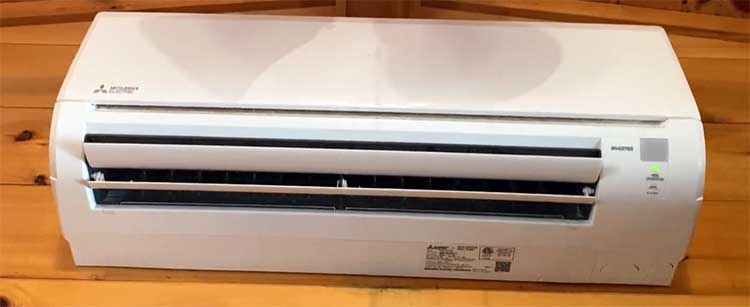
- Build Quality and Durability: Mitsubishi feels noticeably more premium with heavier-duty components, superior corrosion-resistant coatings, and tighter engineering tolerances designed for long-term resilience in harsh conditions like coastal salt air or extreme humidity. Gree offers solid, reliable construction with good acrylic-resin coated coils and sturdy builds, but it leans more toward value engineering that still performs well for most residential uses when properly installed.
- Energy Efficiency Performance: Gree often pushes the boundaries with headline-grabbing SEER ratings, sometimes reaching the high 30s in flagship models like their Sapphire series, which can deliver excellent efficiency on paper and in moderate climates. Mitsubishi maintains consistently high real-world efficiency across SEER and HSPF ratings, with technology that holds up better under varying loads and extreme temperatures.
- Cold Weather Heating Capability: This is one of the clearest gaps. Mitsubishi’s Hyper-Heating Inverter technology excels at delivering full heating capacity down to -22°F and below, making it a favorite for northern winters. Gree handles cold weather respectably in many models down to similar temperatures, but it may lose heating capacity faster in prolonged sub-zero conditions and sometimes needs help from supplemental sources.
- Noise Levels and Comfort: Both brands are impressively quiet, but Mitsubishi frequently edges out with some of the lowest decibel ratings in the industry, especially on indoor units. Their advanced airflow and sensor technology also create more even temperatures with fewer hot or cold spots throughout the room.
- Smart Features and Automation: Mitsubishi pulls ahead with intelligent sensors like 3D i-see technology that detects occupancy, movement, and even floor temperature to adjust automatically. Gree provides reliable WiFi app control and basic scheduling, which works great for most users but lacks that next-level automatic intelligence.
- Service and Support Network: Mitsubishi benefits from a much more established dealer and technician network across North America, leading to faster installations, easier maintenance, and quicker repairs. Gree’s support continues to grow rapidly, but availability of certified pros can still vary significantly depending on your location.
- Warranty Coverage and Claims: Mitsubishi typically offers longer warranties—often up to 12 years on parts with qualified installation—along with smoother claims processing. Gree usually provides strong 5-10 year coverage that delivers good protection, though the process can sometimes feel slower or more paperwork-heavy.
- Aesthetics and Installation Flexibility: Both brands feature sleek indoor units, but Mitsubishi gives you more style choices including wall mounts, floor consoles, and ceiling cassettes that blend into luxury homes. Gree units look modern and clean but have slightly fewer design variations. Outdoor unit footprints are comparable, though Mitsubishi systems often integrate more seamlessly in complex multi-zone setups.
- Long-Term Ownership Costs: Gree wins on lower purchase price and cheaper parts, helping you save money immediately and on basic repairs. Mitsubishi usually costs more upfront but can deliver better efficiency, reliability, and resale value, potentially lowering total ownership costs over 15+ years.
- Target User Fit: Gree appeals strongly to budget-conscious homeowners, first-time mini split buyers, or those in milder climates who want strong performance without overpaying. Mitsubishi attracts users who prioritize proven reliability, extreme weather performance, and are willing to invest more for a set-it-and-forget-it system.
Key Features of Gree Mini Splits
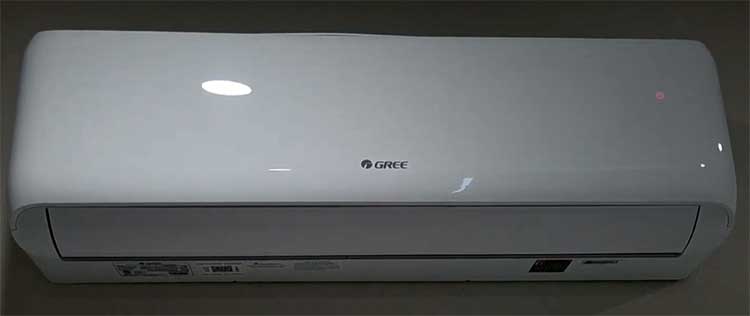
Gree stands as one of the world’s largest HVAC manufacturers, bringing scale that translates to competitive pricing without skimping on tech.
- Inverter-driven compressors for smooth, efficient operation that avoids constant on-off cycling.
- High SEER ratings, with models reaching up to 38, helping cut energy use significantly compared to older systems.
- Quiet performance—many indoor units hum like a refrigerator, perfect for living spaces.
- Multi-layer filtration that improves air quality by catching dust, allergens, and odors.
- Turbo mode for rapid heating or cooling when you need it fast.
- Wide operating range, with some units handling -22°F to 129°F, great for varied climates.
- WiFi-enabled models for smartphone control from anywhere.
- Flexible multi-zone setups up to 5 zones on one outdoor unit.
- Eco-friendly refrigerants in newer lines like R32 models.
- Intelligent defrost that only activates when necessary, saving energy.
- Adjustable louvers for directed airflow exactly where you want it.
- Compact outdoor units that fit tight spaces without dominating your yard.
- Self-diagnostics for easier troubleshooting.
- Affordable replacement parts availability in many areas.
I found Gree’s feature set impressive for the price—solid everyday performance with modern conveniences that make daily life easier.
Pros of Gree Mini Splits
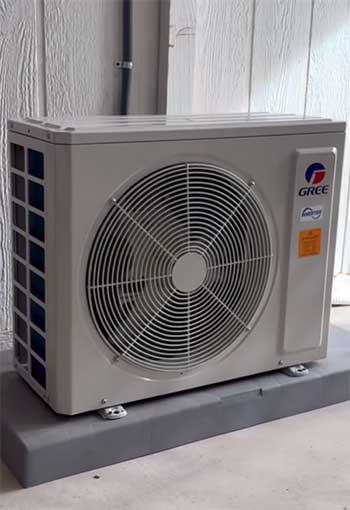
- Significant Cost Savings Upfront: Gree systems typically cost thousands less than equivalent Mitsubishi setups, making premium ductless comfort accessible without stretching your budget. This difference often covers upgraded insulation, better windows, or simply reduces the overall project expense dramatically.
- Strong Energy Efficiency Ratings: Many Gree models achieve high SEER numbers, some reaching the upper 30s, which translates directly into lower monthly utility bills. The inverter technology adjusts output precisely, avoiding wasteful cycling and keeping your energy use efficient year-round.
- Fast Heating and Cooling with Turbo Mode: When you need quick relief on a blistering day or chilly evening, Turbo function ramps up performance immediately. Rooms reach set temperatures faster than many standard systems, improving daily comfort.
- Impressively Quiet Indoor Operation: Most wall units operate between 22-26 dB, barely noticeable even in quiet rooms. This makes Gree excellent for bedrooms, home offices, or open living areas where noise disruption matters.
- Excellent Multi-Zone Flexibility: One outdoor unit can support multiple indoor heads with independent temperature control per room. You avoid heating empty spaces and customize comfort exactly where and when you need it.
- Effective Multi-Layer Air Filtration: Built-in filters capture dust, allergens, pet hair, and odors, leading to noticeably fresher indoor air. Great for families with allergy concerns or pets.
- Wide Operating Temperature Range: Many units perform reliably from -22°F up to 129°F, handling most North American climates without issues and providing consistent year-round performance.
- User-Friendly Smart Controls: WiFi-enabled models let you adjust settings, monitor usage, and schedule operation from your phone, adding modern convenience at no extra premium.
- Compact and Versatile Design: Smaller outdoor units fit into tight spaces, while sleek indoor units blend well with most home decors. Easy to install in various room layouts.
- Affordable Maintenance and Parts: Replacement components are generally less expensive and easier to source, helping keep long-term ownership costs reasonable.
- Solid Build with Modern Refrigerants: Newer models use efficient, lower-impact refrigerants and coated coils that resist corrosion, balancing performance with environmental considerations.
Cons of Gree Mini Splits
- Developing Service Network: In some regions, finding certified technicians takes longer, especially during peak summer or winter demand, potentially leading to extended downtime.
- Slower Warranty Claim Processing: Compared to bigger brands, resolving warranty issues can feel more bureaucratic and time-consuming.
- Slightly Less Effective in Extreme Cold: While capable, performance in prolonged sub-zero temperatures may not match specialized premium systems, requiring supplemental heat in harsh northern winters.
- Fewer Advanced Smart Sensors: Lacks occupancy detection and automatic learning features, so you handle more manual adjustments for optimal efficiency.
- Outdoor Unit Noise Under Load: Can run louder than competitors when working hard, which might be noticeable if placed near bedrooms or patios.
- Perception as Value Brand: Some buyers and future home purchasers still view Gree as less premium, which could subtly affect resale appeal in certain markets.
- Variable Long-Term Reliability: Lifespan depends heavily on installation quality and maintenance; corners cut during setup can lead to earlier issues.
- Limited Indoor Unit Style Options: Fewer aesthetic variations compared to premium competitors, making it harder to perfectly match unique interior designs.
- Regional Parts Availability: Stock levels vary by location, occasionally causing delays for repairs outside major distribution areas.
Also Read: Is Turbro Mini Split Worth It?
Key Features of Mitsubishi Mini Splits
Mitsubishi built its reputation on innovation and reliability that homeowners and pros trust.
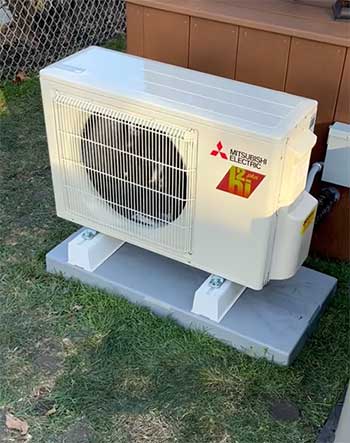
- Hyper-Heating Inverter technology that delivers strong heat even at very low temperatures.
- Advanced 3D i-see sensors that detect people and adjust temperature for optimal comfort and savings.
- Extremely quiet indoor units, often the benchmark others chase.
- High SEER and HSPF ratings for year-round efficiency.
- Robust corrosion protection on coils and components for longer life.
- Kumo Cloud or similar smart controls for detailed app management.
- Excellent multi-zone capability with precise independent room control.
- Wide range of indoor unit styles including wall, floor, ceiling cassettes.
- Self-cleaning functions on some models to reduce maintenance.
- Superior dehumidification that handles humid climates effectively.
- Long warranty coverage, often 12 years on parts with qualified installers.
- Proven cold-climate performance trusted in northern regions.
These features explain why many consider Mitsubishi a top-tier choice for demanding applications.
Pros of Mitsubishi Mini Splits
- Exceptional Long-Term Reliability: Mitsubishi earns top marks from contractors and users for minimal breakdowns and consistent performance over 15+ years with proper care.
- Superior Cold Climate Heating: Hyper-Heating Inverter technology delivers strong, efficient warmth even at -22°F or lower, eliminating the need for backup heat in many cold regions.
- Industry-Leading Quiet Performance: Indoor units often operate as low as 18-24 dB, creating peaceful comfort perfect for light sleepers, nurseries, and noise-sensitive environments.
- Advanced 3D i-see Sensors: These detect people and movement, automatically adjusting temperature and airflow for personalized comfort while saving energy in empty rooms.
- Robust Build Quality and Corrosion Protection: Components withstand harsh weather, coastal salt air, and humidity far better, extending system life significantly.
- Strong Nationwide Service Network: Easier to find experienced, factory-trained installers and quick repair support almost anywhere.
- Generous Extended Warranties: Up to 12 years on parts with qualified installation, offering unmatched peace of mind.
- Excellent Dehumidification: Removes moisture efficiently without over-cooling, ideal for humid summers and preventing mold or discomfort.
- Premium Design Options: Multiple indoor unit styles (wall, floor, cassette) that integrate beautifully into any home aesthetic.
- Consistent Real-World Efficiency: Maintains high SEER and HSPF performance across varying conditions, lowering operating costs over decades.
- Smart Kumo Cloud Controls: Detailed app features, scheduling, and monitoring that feel polished and intuitive for modern homeowners.
Cons of Mitsubishi Mini Splits
- Much Higher Initial Cost: Systems often run 30-50% more than Gree equivalents, significantly increasing the total project investment.
- Potential Overkill for Mild Climates: Advanced features may not provide proportional benefits in areas with moderate temperatures year-round.
- More Expensive Professional Installation: Requires skilled technicians, which raises labor costs compared to simpler systems.
- Limited Entry-Level Options: Fewer budget-friendly models within the lineup if your needs are basic.
- Slightly Steeper Learning Curve for Controls: Advanced features and apps can feel more complex for users who prefer simplicity.
- Refrigerant Service Considerations: Newer types sometimes face temporary availability issues in remote areas during repairs.
- Faster Capacity Drop on Non-Specialized Units: Larger standard models may lose heating efficiency quicker in extreme cold compared to Hyper-Heating versions.
- Higher Perceived Maintenance Expectations: While reliable, the premium positioning sets higher expectations for regular professional servicing to maintain peak performance.
For many users, these cons fade against the long-term benefits.
My Overall Comparison And Perspective
After weighing everything, Gree shines when you want maximum value and solid performance without breaking the bank.
I appreciate its efficiency achievements and feature-packed models that punch above their price. Mitsubishi wins for those prioritizing reliability, superior cold-weather operation, and premium support—you pay more but gain confidence in daily comfort and longevity.
Your choice depends on budget, climate, and how long you plan to stay in the home. I recommend getting quotes from certified installers for both and considering your specific room layouts and usage patterns. Proper sizing and professional installation matter more than brand alone for satisfaction.
Also Read: Is Karl Home Mini Split Worth It?
Frequently Asked Questions (FAQ)
It depends on your priorities. Gree offers better value and strong efficiency for most homes. Mitsubishi edges out in reliability, cold performance, and support for a premium experience.
Mitsubishi consistently ranks among the most reliable due to build quality, service network, and long track record. Many pros trust it for minimal callbacks.
Gree manufactures its own lines and supplies components or rebranded units for some other brands like certain Carrier, Tempstar, or budget models.
With proper maintenance and quality installation, expect 12-20 years. Regular filter cleaning and professional service extend life significantly.
Final Thoughts
In wrapping this up, I hope my comparison helps you feel confident picking the right mini split for your situation. Whether you lean toward Gree for its affordability and capability or Mitsubishi for its proven excellence, both bring efficient, quiet comfort that improves daily living.
Think about your climate, budget, and what matters most in a system—then consult local experts for the best fit. You deserve a solution that works reliably for years ahead.