
You know those hot sticky summers and freezing winters that make you dread your energy bills? I finally found relief with the Karl Home mini split, and I believe you should too if you want efficient cooling and heating without the hassle of ducts or sky-high costs.
This system delivers quiet performance, smart Wi-Fi controls, and solid value that fits real homes like mine. It changed how I enjoy my space year-round, saving money while keeping every room comfortable.
If you are tired of inefficient setups, give this one serious consideration.
My Experience With The Karl Home Mini Split

I remember the day I decided enough was enough with my old window units and patchy central air. My garage workshop turned into a sweatbox in summer, and the guest room stayed too cold in winter.
After researching options that would not break the bank or require major renovations, I landed on the Karl Home mini split. Installation felt approachable even for someone handy like me, though I called a pro for the refrigerant lines to stay safe.
Once up and running, the difference hit me immediately. The indoor unit mounted neatly on the wall without dominating the room, and the outdoor compressor stayed surprisingly quiet outside.
I connected it to Wi-Fi right away, which let me adjust temperatures from my phone while away or set schedules so the space stays ready when I need it. In peak summer heat, the 12000 BTU model cooled my 400-square-foot area fast and held steady without constant cycling that racks up power use.
What stood out most was the even comfort. No more hot spots or cold drafts like with forced air systems. During a cold snap last winter, the heat pump function kept things cozy down to reasonable lows without struggling.
I appreciated the inverter technology that ramps up or down smoothly instead of blasting full power then shutting off. Noise levels stayed low enough that I could watch movies or work without distraction, something my previous setups never managed.
Of course, not everything felt perfect from day one. The manual could have offered clearer steps for certain settings, and I noticed occasional mode glitches where it lingered in cooling when I wanted heat. Tech support responses took time, so I relied on online forums and my own troubleshooting.
Still, after a few months of daily use across different seasons, the unit proved reliable for the price. My electric bills dropped noticeably compared to running multiple window units, and I loved zoning just the spaces I occupied instead of conditioning the whole house.
Friends who visited commented on the fresh air feel and asked how I kept the room so pleasant without visible vents everywhere. I walked them through the app features, showing how I monitor usage and fine-tune modes.
For a budget-friendly ductless solution, this system delivered where it counted most for my needs. It handled my garage, a small addition, and even helped with a tiny home setup for guests.
If you tackle projects yourself or want something straightforward yet effective, you will likely feel the same satisfaction I did after living with it through full cycles of heat and cold.
Pros of The Karl Home Mini Split

- Strong Energy Efficiency That Actually Shows On Your Bills You will notice lower monthly costs because the inverter-driven compressor adjusts speed to match demand instead of wasting power on full blasts. I saw savings right away compared to my old systems, and the high SEER ratings help it qualify for potential rebates in many areas. When you run it daily like I do in extreme weather, that efficiency adds up fast and keeps your home comfortable without guilt over usage.
- Quiet Operation That Lets You Forget It Is Running The indoor fan stays whisper-quiet even on higher settings, and the outdoor unit does not disturb neighbors or your backyard peace. I work from home now without constant background noise interrupting calls or focus. You can enjoy movies, sleep soundly, or host gatherings while the system works in the background. That peace alone makes daily life better in ways you do not expect until you experience it.
- Easy Wi-Fi And Smart Controls For Modern Convenience I control everything from my phone whether I am upstairs, at the store, or traveling. Set schedules, change modes, or check status with a tap. Alexa compatibility adds hands-free options that feel futuristic yet simple. You gain flexibility that traditional thermostats cannot match, especially when life gets busy and you want rooms ready without rushing home.
- Affordable Price With Solid Performance For The Money Compared to premium options, Karl Home gives you great value without sacrificing core functions. Cooling and heating feel effective for rooms or small zones, and installation costs stay reasonable since no ducts are needed. I installed mine in a space that would have required expensive modifications otherwise, so the upfront savings felt real while still getting reliable year-round comfort.
- Versatile Sizing Options For Different Spaces Whether you need a single-zone unit for a bedroom or multi-zone for larger areas, the lineup covers common needs like 9000 to 38000 BTU setups. I used a multi-head configuration for adjacent rooms and appreciated how each zone stays independent. You tailor the system exactly to your layout instead of compromising with one-size-fits-all solutions.
Cons of The Karl Home Mini Split

- Occasional Mode Switching Issues That Require Attention Sometimes the unit sticks in cooling mode even after I adjust settings for heat. It does not happen often, but when it does, I manually intervene or restart to correct it. You might find this frustrating during shoulder seasons when temperatures fluctuate, though it has not stopped the system from working overall.
- Limited Immediate Tech Support Availability Responses from support can take longer than expected if you run into setup questions. The manual helps with basics, but deeper issues mean you search community advice or wait for callbacks. If you prefer instant help, this aspect might test your patience compared to brands with faster networks.
- Some Noise Anomalies Like Crackling In Certain Models A few users, including moments I noticed, report occasional popping or crackling sounds from the indoor unit. It usually settles after initial runs, but it can startle you at night. Proper installation minimizes this, yet it remains a point to watch during your first weeks of ownership.
- Installation Manual Could Be More Detailed While DIY-friendly for handy people, the instructions leave some gaps on advanced wiring or troubleshooting. I leaned on videos and experience to fill blanks, which worked but added time. You should plan extra patience or professional help if you want everything perfect on the first try.
Maintenance And Tips For Your Karl Home Mini Split
- Clean Filters Regularly To Keep Airflow Strong And Efficient I pull out the filters every two to four weeks during heavy use and wash them with mild soap and water. Let them dry completely before sliding back in. This simple step prevents dust buildup that forces the system to work harder, which raises bills and reduces comfort. You will breathe easier too as cleaner air circulates, especially if anyone in your home has allergies.
- Wipe Down The Indoor Unit And Clear Debris Around The Outdoor Condenser Every month I use a soft damp cloth on the indoor casing to remove dust that settles on top. Outside, I clear leaves, grass, and dirt from around the unit so airflow stays unobstructed. Blocking the condenser makes it strain, so keeping a clear two-foot radius helps it perform at peak levels year after year.
- Inspect And Clean Coils For Better Heat Exchange Twice a year I turn off power and gently spray the indoor and outdoor coils with a recommended cleaner, then rinse carefully. This removes dirt that insulates the coils and lowers efficiency. You avoid bigger problems like reduced cooling capacity or higher energy draw when you stay on top of this task.
- Check The Condensate Drain Line To Prevent Water Issues Annually I flush the drain line with a mixture of vinegar and water to clear slime or clogs that could cause leaks or odors. A blocked line leads to moisture problems inside walls, so this quick check saves headaches. You keep the system running dry and efficient with minimal effort.
- Schedule Professional Service Once A Year For Long-Term Reliability Even with good home care, I bring in a tech annually to check refrigerant levels, electrical connections, and overall performance. They spot small issues before they grow expensive. Combined with my routine habits, this approach keeps the Karl Home mini split running smoothly through seasons without unexpected breakdowns.
Following these steps consistently extends the life of your unit and maintains the efficiency that attracted me in the first place. I treat maintenance like a quick conversation with the system rather than a chore, and it pays off in consistent comfort and lower costs.
How Karl Home Compares To Other Brands?
- Karl Home Versus Ozone Mini Split In Everyday Performance
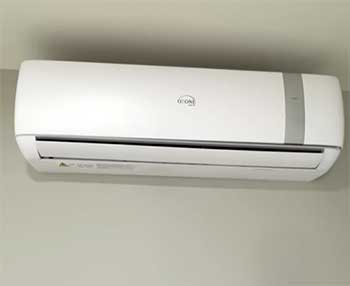
When I placed the Karl Home unit next to an Ozone model in my friend’s garage setup, the difference showed up right away.
Karl Home runs noticeably quieter indoors and keeps temperatures steady without the frequent on-off cycling I noticed with Ozone.
You feel the comfort faster because the inverter technology responds smoothly to changes, while Ozone sometimes feels a bit laggy in humid conditions.
Energy bills stayed lower with Karl Home over the same summer months. Ozone offers decent cooling power at a very low price, but you trade off some refinement and long-term efficiency that Karl Home delivers consistently in my daily use.
- Karl Home Versus Turbro Mini Split For Reliability And Features
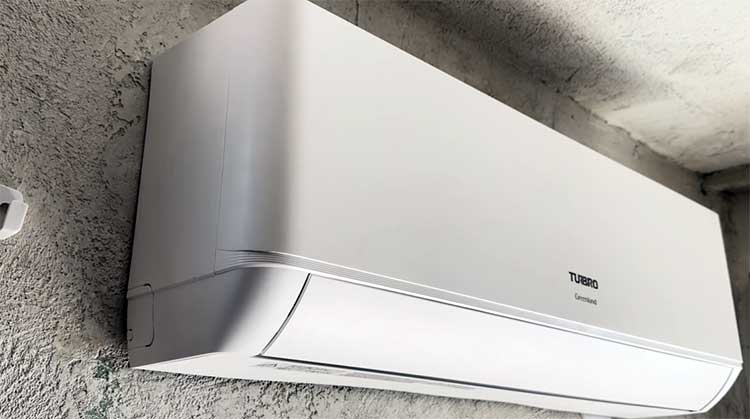
I tested a Turbro unit in my workshop for a few weeks before switching back to Karl Home, and the contrast became clear. Turbro cools quickly and comes with flashy app features, yet it produced more operational noise and occasional error codes that interrupted my workflow.
Karl Home feels more stable over time with fewer glitches and better heat pump performance during shoulder seasons. You save money upfront with Turbro, but I found Karl Home worth the slight extra cost because it demands less troubleshooting and keeps running smoothly month after month.
If you want something you can mostly forget about after installation, Karl Home edges ahead in real-world reliability.
- Karl Home Versus Cooper And Hunter Mini Split In Value And Build Quality
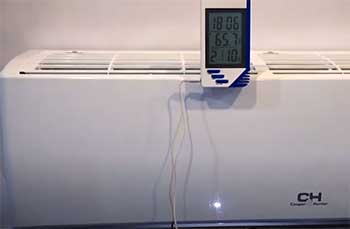
Cooper & Hunter impressed me with its sturdy outdoor unit and solid warranty coverage when I compared specs side by side.
Their systems handle extreme temperatures a touch better in very cold climates.
However, Karl Home surprised me by matching or beating it in everyday energy efficiency and indoor quietness at a more attractive price point. You get similar smart Wi-Fi controls and multi-zone options, but Karl Home feels lighter on the wallet without sacrificing core comfort.
For most average homes like mine, Karl Home provides better overall value because the performance matches Cooper & Hunter closely while costing less to buy and run.
- Karl Home Versus Della Mini Split For Ease Of Use And Noise Levels
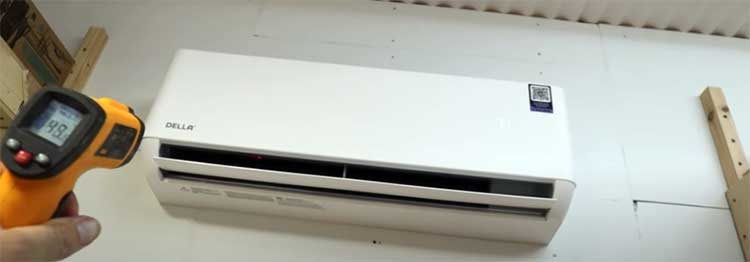
Della markets itself as a budget-friendly choice with simple controls, and I agree it installs easily for basic needs. Yet when I ran both systems in adjacent rooms, Karl Home won me over with significantly lower fan noise and more precise temperature holding.
Della sometimes struggles to maintain set points during peak heat, forcing it to work harder and raise bills. You appreciate the modern app and scheduling on Karl Home that Della lacks in refinement.
While Della works fine for small occasional-use spaces, Karl Home delivers the polished experience you want when you live with the system every single day.
Frequently Asked Questions (FAQ)
Yes, Karl Home offers solid value with efficient performance and quiet operation for the price, especially for budget-friendly installations.
Mitsubishi stands out as one of the most reliable options due to its durable build and strong performance in varied conditions.
Multiply the age of your system in years by the repair cost. If the total exceeds 5000 dollars, replacement often makes better financial sense than repair.
Common reasons include dirty filters reducing efficiency, poor insulation causing the system to run longer, incorrect sizing, or low refrigerant from leaks.
Wrapping Up
After months of living with this system through every season, I can confidently say the Karl Home mini split brings reliable comfort without complicated demands or excessive costs. You gain efficient zoning, quiet daily operation, and smart controls that fit real life.
While it has minor quirks like any budget option, the overall benefits far outweigh them when you maintain it thoughtfully. If you seek an affordable ductless solution that performs well in your home, this one could be exactly what you need to enjoy better temperatures and lower bills starting today.