
I recently faced the big decision of replacing my aging central air system and spent weeks comparing Goodman and Trane options.
You know that moment when your old unit starts acting up and quotes start rolling in? I wanted something reliable that wouldn’t break the bank or leave me sweating through summers.
In this article, I share my real-user experience and analysis of Goodman versus Trane so you can decide what fits your home best. I cover features, costs, performance, and more from an analytical lens based on what actually matters day-to-day.
| Aspect | Goodman | Trane |
| Price Range | More affordable (budget-friendly) | Higher upfront cost (premium) |
| Efficiency (SEER) | Up to 24.5 in top models | Competitive high-end, strong variable-speed |
| Durability/Lifespan | 12-15 years typical | 15-20+ years with proper care |
| Warranty | Strong 10-year parts, lifetime compressor on select | 10-12 years, solid coverage |
| Noise Level | Good, but can be louder | Often quieter operation |
| Best For | Value-focused homeowners | Long-term comfort seekers |
Key Differences Between Goodman And Trane HVAC
I spent time breaking down exactly where these two brands separate themselves in real-world use.
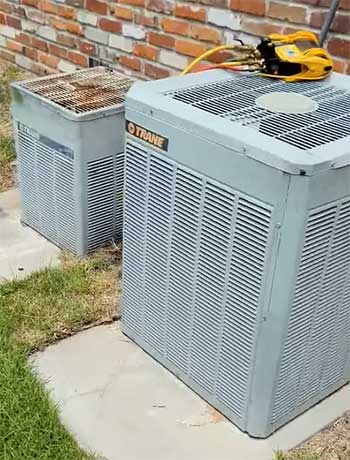
- Build quality and materials: Trane stands out with heavier-gauge steel cabinets, reinforced bases, and components engineered for extreme conditions like high heat, hail, or coastal salt air. Goodman uses solid, powder-coated materials that resist corrosion effectively for the price point, making them practical without unnecessary over-engineering that drives costs up.
- Efficiency and energy savings: Both deliver strong SEER ratings, yet Trane’s advanced variable-speed compressors and communicating systems adjust output in tiny increments for smoother operation and lower electricity use during shoulder seasons. Goodman counters with competitive high-efficiency models that save you noticeably on bills while keeping the purchase price accessible, especially useful if your home has average insulation.
- Comfort features: Trane excels at maintaining even temperatures across rooms and pulling more moisture from the air, which reduces that sticky feeling in humid summers. Goodman provides very capable two-stage and variable options that cut down on temperature swings compared to basic single-stage units, offering comfortable results for families who want reliability without complexity.
- Installation and serviceability: Goodman systems often go in faster because technicians appreciate the straightforward layouts and readily available standard parts. Trane installations can take more time due to their precision requirements but come with dealer networks trained specifically on the brand for optimal setup and troubleshooting.
- Sound levels: Trane units frequently operate at whisper-quiet levels thanks to advanced fan blades and sound blankets, which I noticed makes a real difference when the condenser sits near a patio or bedroom window. Goodman has made big improvements with insulated cabinets and quieter fans, though some mid-range models still produce more audible hum during peak operation.
- Long-term ownership costs: When I calculated total costs over ten years including energy, repairs, and initial outlay, Goodman often comes out ahead for typical households. Trane pulls ahead in very hot climates or larger homes where fewer breakdowns and superior efficiency compound into meaningful savings.
- Brand positioning: Goodman, backed by Daikin, focuses on delivering maximum performance per dollar spent, appealing to practical homeowners who research value carefully. Trane positions itself as the dependable premium option built for homeowners who prioritize consistent comfort and minimal hassle over many years.
- Technology integration: Trane offers more native smart features and communicating controls that talk directly to thermostats for optimized performance. Goodman integrates well with most standard and smart thermostats without requiring proprietary equipment, keeping things simple and future-proof.
- Suitability for home sizes and climates: Goodman handles a wide range of homes effectively, especially medium-sized properties in moderate to warm areas. Trane shows its strength in challenging environments or bigger houses where consistent power and precision matter most.
Key Features of Goodman HVAC Systems
I examined Goodman models closely during my research because I wanted real performance without paying for features I might never use.
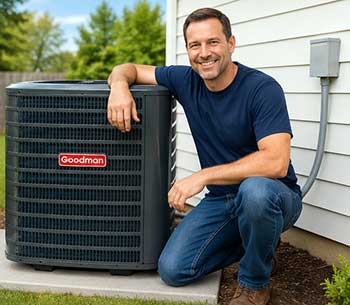
- High-efficiency options: Their top GSXC and DSXC lines reach up to 24.5 SEER2 ratings with variable-speed compressors that ramp up and down smoothly, helping cut monthly energy costs while delivering consistent cooling even on 100-degree days.
- Robust warranties: Most units include a 10-year parts warranty, and many registered installations come with a lifetime limited compressor warranty, giving you confidence that the heart of the system is protected for the long haul.
- Durable construction: Galvanized steel cabinets with powder-coat finishes fight off rust and dents, while smart coil designs improve heat transfer and make cleaning easier during routine maintenance.
- Two-stage and variable-speed technology: These reduce constant on-and-off cycling that wears out systems faster and creates uneven temperatures, so your home stays more stable and comfortable throughout the day.
- Affordable scalability: You can choose from 14 SEER entry-level units perfect for smaller homes or garages up to premium configurations that rival much more expensive brands in efficiency.
- Quiet operation improvements: Newer models incorporate sound-dampening compressors and fan designs that make them suitable for residential neighborhoods without disturbing neighbors or family inside.
- Easy integration: Works seamlessly with most programmable and smart thermostats like Nest or Ecobee, so you avoid extra costs for special controls.
- Strong dehumidification capabilities: Especially in higher-tier models, these units pull moisture effectively, improving indoor air quality and making the air feel cooler at higher thermostat settings.
- U.S. manufacturing standards: Produced under Daikin oversight with quality controls that ensure reliable assembly and good parts availability across the country.
- User-friendly maintenance design: Panels open easily for technicians, and filter locations stay accessible, which means routine service visits go quicker and cost less.
Goodman feels like the brand that respects your budget while still delivering modern performance you can count on season after season.
Pros of Goodman HVAC
- Lower upfront costs open the door for homeowners who need quality cooling without draining savings or taking on big loans.
- Excellent efficiency ratings that actually show up as lower utility bills, especially when paired with good home insulation.
- Reliable day-to-day performance that handles typical summer heat waves and winter cold snaps without drama.
- Widely available replacement parts mean repairs happen faster and usually at lower prices than premium brands.
- Straightforward designs focus on core functions—cooling, heating, and moving air—without complicated extras that could fail later.
- Flexible options for different home sizes, from small ranches to two-story family houses.
- Faster installation timelines that get your home back to comfortable temperatures sooner.
- Good humidity control in mid and high-efficiency models keeps indoor air feeling fresh and prevents mold concerns.
- Backed by a major global company (Daikin) that invests in ongoing improvements and quality standards.
- Strong overall value that lets you allocate money toward other home upgrades like insulation or smart home devices.
These advantages made Goodman a serious contender in my own decision process, especially when I compared total costs.
Cons of Goodman HVAC
- In the most extreme weather conditions over many years, they may not match the ultra-heavy-duty feel of premium competitors.
- Some entry-level and mid-range models still run noticeably louder than the quietest options on the market.
- Fewer built-in advanced diagnostics and proprietary smart features compared to luxury brands.
- Humidity removal can feel average in basic single-stage units during very muggy periods.
- Outdoor cabinets might show cosmetic wear earlier in intense sun or salty coastal environments.
- Less brand cachet if you care about having the recognized premium name when friends ask about your system.
- Variable-speed technology performs well but sometimes lacks the ultra-smooth refinement found in top Trane models.
- Potential for slightly more frequent service calls in very demanding climates or poorly maintained homes.
- Limited color options on some units compared to brands that offer more aesthetic choices.
None of these stopped Goodman from being a practical winner for many situations, including potentially mine.
Key Features of Trane HVAC Systems
Trane caught my attention through its reputation for thoughtful engineering that shows up in daily comfort.
- Variable-speed and TruComfort technology: Models like the XV20i and XR series fine-tune output continuously, maintaining exact temperatures and using less energy during fluctuating conditions.
- Durable materials: Heavy-duty cabinets, corrosion-resistant coatings, and reinforced components stand up to hail, high winds, and temperature swings better than average.
- Quiet performance: Advanced fan designs and compressor blankets keep noise levels low, creating a more peaceful home environment.
- Advanced humidity management: Superior moisture removal keeps relative humidity in the ideal 40-60% range for comfort and health.
- Smart system compatibility: Full integration with communicating thermostats and home automation platforms for optimized schedules and remote control.
- Strong build for longevity: Components designed and tested for extended service life, often reaching 15 to 20 years or beyond with regular care.
- Multi-stage cooling: Smooth transitions between capacity levels prevent temperature spikes and drops that single-stage units cause.
- WeatherGuard protection: Special features shield vital parts from the elements, extending outdoor unit life significantly.
- High-performance coils and compressors: Deliver powerful cooling capacity while maintaining efficiency, even in larger or multi-story homes.
- Diagnostic capabilities: Many models include onboard monitoring that helps technicians identify issues faster during service calls.
Trane systems feel like they were built by engineers who truly understand what consistent home comfort requires.
Pros of Trane HVAC
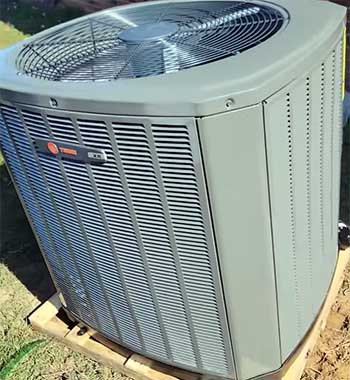
- Exceptional build quality translates into fewer breakdowns and longer overall system life.
- Outstanding energy efficiency, particularly with variable-speed technology, often results in the lowest possible operating costs.
- Very low noise operation improves quality of life and makes the system nearly unnoticeable.
- Precise temperature and humidity control creates a noticeably more comfortable indoor environment.
- Extensive dealer training and support network ensures high-quality installations and prompt service.
- Premium features including advanced airflow management and air quality integration options.
- Performs reliably in challenging climates where other units might struggle.
- Higher property resale value thanks to the respected brand name.
- Comprehensive warranty coverage that reflects confidence in product durability.
- Smoother, more consistent operation that reduces wear on the entire HVAC system over time.
I can see why many homeowners happily pay more for these benefits when they plan to stay put for years.
Cons of Trane HVAC
- Much higher purchase and installation prices can feel shocking compared to solid alternatives.
- Repair costs and parts tend to run higher, and you usually need authorized technicians.
- Can represent overkill for smaller homes, mild climates, or light usage patterns.
- Potential for longer wait times when ordering specialized high-end components.
- More complex installation requirements sometimes increase total project expenses.
- Energy savings alone may take longer to offset the initial investment in some regions.
- Extra features might go underused if your household has simple heating and cooling needs.
- Higher expectations around maintenance to fully realize the longevity potential.
These realities mean Trane works best when your budget and home demands align with premium performance.
Also Read: Differences Between Evcon And Goodman Air Conditioners.
- Efficiency and Energy Savings Comparison
Efficiency matters because those summer electricity bills add up fast. I compared real SEER2 ratings and user reports. Trane often edges ahead with its modulating technology that matches output exactly to demand.
Goodman stays very competitive and frequently offers better dollars-per-SEER value, letting you reach high efficiency without the premium markup.
In my calculations for an average 2,000 square foot home, the difference in yearly savings was noticeable but not always enough to justify Trane’s higher cost unless you live in an area with extreme temperatures or high electricity rates.
- Durability, Reliability, and Longevity
Trane earns its reputation through robust testing and materials that handle punishment. Many owners report systems running strong past 18 years. Goodman provides very good reliability for the price, with most units comfortably reaching 12-15 years.
Proper installation and annual maintenance matter more than the brand name alone. I found both brands receive positive feedback when serviced by competent technicians.
- Cost Considerations and Value
Goodman wins for immediate affordability and strong total value in most average scenarios. Trane justifies its price when you value quiet comfort, longevity, and minimal future headaches.
Always request detailed bids that include full installation, ductwork assessment, and warranty registration steps. Factor in your local rebates and tax credits for high-efficiency units too.
- Installation, Maintenance, and Warranty Insights
Quality installation determines how well any system performs. Goodman benefits from simpler designs that many contractors handle confidently. Trane shines when installed by their authorized Comfort Specialists who understand the communicating technology.
Both brands require annual tune-ups—changing filters regularly and keeping the outdoor unit clean extends life dramatically. Register your warranty immediately and keep records. Goodman parts tend to be stocked locally more often, speeding up repairs.
Which One Should You Choose?
After all my research and comparisons, the answer comes down to your unique situation. I leaned toward a high-efficiency Goodman model for my home because it balanced performance, cost, and features perfectly for how we live.
You might prefer Trane if budget allows and you want the quietest, most refined experience possible. Consider home size, local climate, how long you plan to stay, and your comfort priorities.
Get at least three quotes and ask installers for their honest experiences with both brands in your area.
Also Read: Differences Between ArcoAire And Goodman Air Conditioners.
Frequently Asked Questions (FAQ)
It depends on your priorities. Goodman offers better value and affordability for most homeowners. Trane provides superior premium performance and longevity if budget allows.
Popular top brands include Trane, Carrier, and Lennox for their balance of reliability, efficiency, and features in 2026.
Multiply the age of your current system (in years) by the repair cost. If the result exceeds $5000, replacing usually makes more financial sense than repairing.
Yes, Goodman delivers reliable, efficient systems with strong warranties. It provides excellent quality for the price and suits many homes well.
Final Thoughts
In wrapping this up, I hope my detailed breakdown gives you clarity as you compare Goodman and Trane. You deserve a heating and cooling system that keeps your family comfortable year-round without constant worry or surprise expenses.
Think carefully about your budget, your home’s specific needs, and how you use the space. Whether you choose the practical strength of Goodman or the premium engineering of Trane, make sure you work with experienced local professionals for installation and ongoing care.
I know once you weigh everything, you’ll land on the right choice that serves you well for years ahead.