
If you want a budget-friendly way to make your rooms cooler, reduce glare, protect furniture, and add privacy without replacing your windows, Gila window film is absolutely worth buying.
I like it because it gives you a noticeable upgrade without turning your home into a construction zone. You do need patience during installation, but once it is on the glass properly, the payoff feels real.
For renters, homeowners, and weekend fixers, Gila is one of those practical products that quietly earns its spot.
My Experience With Gila Window Film
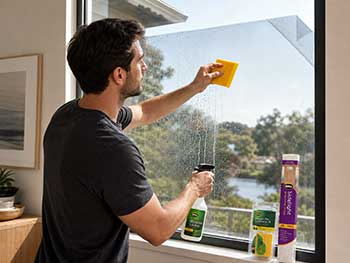
The first thing I noticed with Gila window film was not the film itself.
It was the room.
Before applying it, the sunlight coming through my windows had that rude afternoon attitude: too bright, too hot, and very determined to make the sofa feel like a toaster.
I wanted something that would calm the space down without making the room feel gloomy, because nobody wants a living room that looks like a basement with better curtains.
I used Gila mainly for heat control and glare reduction. The packaging made it look simple enough, but I quickly realized this is one of those “simple, not effortless” home projects.
The film is lightweight, the instructions are easy to follow, and the tools are not complicated, but the glass has to be extremely clean. I mean clean-clean. If you leave dust, lint, tiny hair, or that mystery speck that appears out of nowhere, the film will expose your laziness like a tiny transparent detective.
Once I cleaned the window properly and used enough application solution, the film became much easier to manage. I cut it slightly larger than the pane, sprayed the glass generously, positioned the film, then worked out the bubbles.
The first window took the longest because I was overthinking everything. By the second window, I had a rhythm. By the third, I was basically behaving like a person who should not be trusted with confidence but was enjoying the process anyway.
The result was immediately noticeable. The room felt less harsh during peak sunlight hours, and screen glare dropped enough that I did not have to keep shifting my laptop like I was negotiating with the sun.
The view outside remained usable, though darker depending on the shade and type of film. From the outside, the windows looked cleaner and more polished, almost like the house had put on sunglasses.
Was it perfect?
No. Edges matter. Cutting matters. Bubbles matter. If you rush, it will show. But when applied carefully, Gila window film feels like a smart, affordable improvement.
It does not magically turn single-pane windows into luxury insulated glass, but it makes daily comfort noticeably better. That is the charm: it solves a real problem without demanding a dramatic budget.
Also Read: My Experience With Andersen Replacement Windows.
Pros of Gila Window Film
- Affordable Comfort Upgrade
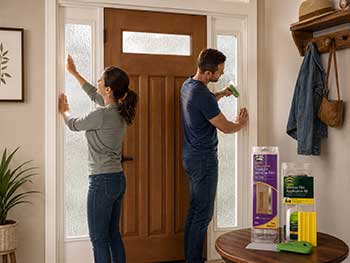
Gila window film gives you a noticeable home comfort upgrade without the wallet drama of new windows, custom shades, or professional tinting.
That is one of the biggest reasons I like it.
You can improve a hot, bright, annoying room with a product that costs far less than most permanent window treatments.
For renters, this is especially attractive because you may not want to invest heavily in a place you do not own. For homeowners, it is a smart test before spending big on larger upgrades.
The value becomes clearer when you compare the price to the daily irritation it solves. If one window blasts sunlight onto your couch, desk, bed, plants, floors, or television, Gila can make that spot more livable. It is not just about saving money. It is about buying back comfort in the room you already use every day.
- Strong Glare Reduction
Glare is one of those problems that sounds minor until you live with it. Then suddenly you are squinting at your laptop, moving chairs around, closing curtains at noon, and wondering why the sun has chosen violence. Gila window film can reduce that harsh brightness while still allowing natural light to come through.
I especially appreciate this in rooms with screens. A living room TV, computer monitor, tablet, or kitchen display becomes easier to see when the light is softened. You still get daylight, but it feels less like a spotlight. This makes Gila useful for home offices, media rooms, bedrooms, and any space where your eyes deserve a tiny vacation.
- Helpful Heat Control
Gila heat-control films can make sunny rooms feel more manageable. You should not expect a miracle where your room suddenly becomes an ice cave, but you can expect a reduction in that heavy, sun-baked feeling near the glass.
In my experience, the room feels calmer during peak sun hours, especially when the film is paired with blinds, curtains, or decent air circulation.
This is useful if you have west-facing or south-facing windows that get punished by afternoon sun. It can also help reduce the workload on cooling systems, though the actual effect depends on your window size, climate, film type, and how much direct sun hits the glass. I see it as a comfort tool first, with possible energy benefits second.
- UV Protection For Furniture And Floors
One underrated benefit of Gila window film is UV protection. Sunlight can fade furniture, rugs, hardwood floors, artwork, curtains, and upholstery over time.
You may not notice it in a week, but after months or years, the difference can be painful. Nothing ruins your mood like moving a rug and discovering your floor has been secretly tanning around it.
Gila film helps reduce UV exposure, which makes it useful for rooms with valuable furniture, bright rugs, wood floors, or decorative pieces near windows. It will not make your belongings immortal, but it can slow down fading and give your interior items a better fighting chance.
- Privacy Options For Street-Facing Windows
If your windows face a sidewalk, driveway, neighbor, parking lot, or busy street, privacy becomes more than a luxury. Gila offers films that can improve daytime privacy, especially reflective options. I like this for rooms where you want sunlight but do not want to feel like you are living inside a display case.
That said, you need to choose the right product. Reflective films work best during the day when outdoor light is stronger. Frosted or decorative films are better if you want privacy regardless of lighting differences, though they usually obscure the view.
This flexibility is useful because not every room needs the same privacy strategy.
- DIY-Friendly For Patient People
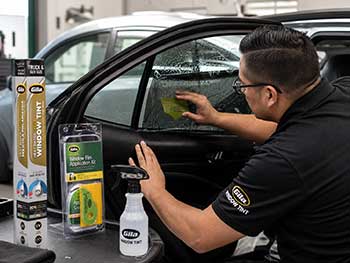
Gila is made for do-it-yourself installation, and that is a big plus.
You do not need a contractor, expensive tools, or advanced home improvement experience.
You do need patience, a clean work area, careful measuring, and a willingness to redo a section if it starts looking messy.
The DIY nature makes the product more approachable. You can apply it to one window first, learn from that attempt, then move on to the rest. I recommend starting with a smaller or less visible window before tackling a large patio door.
Your future self will be grateful, and your first window can take one for the team.
Cons of Gila Window Film
- Installation Can Be Tricky: Gila window film is DIY-friendly, but it is not completely foolproof. If the glass is dusty, the blade is dull, or you rush the smoothing process, bubbles and uneven edges can show up fast. I would not call it hard, but I would call it picky.
- Edges Need Care: The edges can make or break the final look. If you cut too short or leave rough lines, the window may look less polished. A sharp knife and slow trimming help a lot.
- Nighttime Privacy Is Limited: Reflective Gila films can improve daytime privacy, but they do not work the same way at night. When your indoor lights are on, people outside may still see in, so curtains or blinds are still useful.
- Some Films Darken The Room: Heat-control films can reduce brightness along with glare. That is great for sunny rooms, but it may feel too dim in smaller or already-dark spaces.
Also Read: My Experience With Silver Line Windows.
Maintenance Tips For Gila Window Film
- Wait Before Cleaning: After installation, let the film cure before cleaning it. Some haze or small water pockets may appear at first, but they often improve as the film dries.
- Use Gentle Cleaners: Clean the film with mild soapy water and a soft cloth. Avoid ammonia, rough sponges, sharp tools, or harsh sprays because they can damage the surface.
- Protect The Edges: Be careful around the corners and edges when cleaning. Once an edge lifts, dust and moisture can sneak underneath and make the film look worn.
- Fix Small Problems Early: If you notice a bubble or lifting corner during installation, smooth it out before the film fully dries. Small fixes are much easier early on than later.
Gila Window Film Compared With Other Brands
- Gila Window Film Vs. 3M Window Film
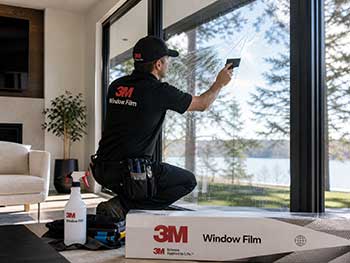
3M window film is often seen as the more premium option.
It has a strong reputation, professional-grade products, and excellent performance in categories like heat rejection, UV protection, clarity, and durability.
If you are looking for a long-term, high-end solution and you are willing to pay more, 3M can be a stronger choice.
Gila, on the other hand, wins on accessibility and price.
You can buy it easily, install it yourself, and get solid results without hiring anyone.
For a simple home project, Gila feels more realistic for many people. I see 3M as the polished professional suit and Gila as the capable weekend hoodie. Both can work, but they serve different moods and budgets.
If you want the cleanest finish and top-tier performance, 3M may be better. If you want a practical DIY upgrade that costs less and still improves comfort, Gila makes a lot of sense.
- Gila Window Film Vs. Llumar Window Film
Llumar is another respected brand, especially in automotive and architectural window films. It is known for performance, durability, and professional installation options. Llumar films can feel more refined, particularly when installed by an experienced technician.
Gila is more of a consumer-friendly pick. You can walk into a store, choose a roll, and handle the job yourself. That independence is part of the appeal. You do not need appointments, quotes, or installation scheduling. You just need a free afternoon and enough patience to not declare war on the bubbles.
Llumar may be better for people who want a premium result and do not mind paying for it. Gila is better for people who want control, affordability, and a noticeable improvement without a professional service call.
- Gila Window Film Vs. Bdf Window Film
BDF window film is popular with online shoppers because it offers many options at competitive prices. Some BDF films are praised for strong privacy and heat control, though installation experiences can vary depending on the product and user skill.
Compared with BDF, Gila feels easier to find in physical stores and more familiar to casual DIY buyers. The instructions and accessory kits also make it approachable. BDF may offer more variety in certain tint levels or specialty finishes, but Gila has the advantage of mainstream availability.
If you are comfortable ordering online and comparing specifications, BDF can be a good alternative. If you want something simple, recognizable, and easy to pick up locally, Gila has the edge.
- Gila Window Film Vs. Rabbitgoo Window Film
Rabbitgoo is especially popular for decorative and privacy films. If you want frosted patterns, stained-glass looks, or stylish privacy for bathrooms and entry doors, Rabbitgoo can be very appealing. Many of its products focus more on appearance and privacy than heavy-duty heat control.
Gila is stronger when your main concern is solar control, glare, heat, and UV protection. It also offers decorative options, but I usually think of Gila first for functional window improvement. Rabbitgoo feels more design-friendly, while Gila feels more performance-focused.
If your window needs personality, Rabbitgoo may be more fun. If your window needs to stop roasting your room like a snack, Gila is probably the better place to start.
Is Gila Window Film Worth It?
Yes, Gila window film is worth it if your expectations are realistic. It is not a luxury replacement window. It is not a professional ceramic film installed by a technician. It is not a force field against summer. What it is, though, is an affordable DIY product that can reduce heat, glare, UV exposure, and privacy issues in a noticeable way.
I think Gila is best for people who enjoy practical fixes. You notice a problem, you buy a roll, you install it carefully, and the room becomes better. That is satisfying. Not fireworks satisfying, maybe, but definitely “I solved that annoying thing” satisfying.
The only people I would warn away are those who hate detail work or expect instant perfection. If you cannot stand measuring, trimming, spraying, smoothing, and waiting for curing, you may prefer a professional brand installed by someone else.
Also Read: My Experience With Marvin Replacement Windows.
Frequently Asked Questions (FAQ)
3M is often considered one of the best premium brands, but Gila is a strong budget-friendly DIY choice.
Gila window film can last several years with proper installation, gentle cleaning, and compatible glass.
Gila Titanium is usually better for stronger heat and glare reduction, while 3 in 1 is better for balanced everyday use.
Yes, solar window film can reduce heat, glare, and UV exposure, though results depend on film type, window direction, and sunlight intensity.
Final Verdict: Should You Buy Gila Window Film?
You should buy Gila window film if you want a practical, affordable way to make sunny rooms more comfortable without replacing windows or hiring an installer. I like it most for heat, glare, UV protection, and daytime privacy. It rewards patience, clean glass, and careful trimming.
It is not perfect, but it works well for the price. If your windows are making your home hotter, brighter, or less private than you want, Gila is a smart buy.