
When I decided to upgrade my home’s heating and cooling, I spent weeks researching mini splits.
Both Fujitsu and Mitsubishi stood out as top contenders, so I compared them directly based on real performance, efficiency, installation experiences, and long-term ownership.
In this article, I share everything I learned so you can make the best decision for your space, budget, and climate without the guesswork.
| Feature | Fujitsu | Mitsubishi |
| Efficiency (SEER) | Up to 33+ | Up to 30.5 |
| Heating Performance | Strong, good low-temp | Excellent Hyper-Heating |
| Noise Levels | Often quieter | Very quiet, consistent |
| Price (typical single-zone) | More affordable | Premium, 10-40% higher |
| Warranty (registered) | Up to 12 years | Up to 12 years |
| Support & Parts | Good, variable long-term | Excellent network |
| Best For | Value, efficiency | Cold climates, features |
Key Differences Between Fujitsu and Mitsubishi Mini Splits
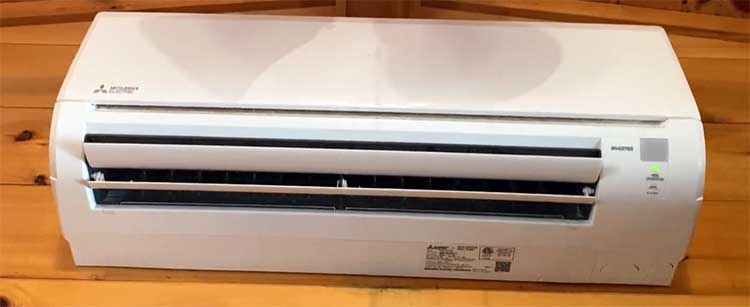
- Efficiency and Energy Savings: Fujitsu models frequently edge out with higher SEER ratings, which translates to lower electricity bills over time. I noticed in side-by-side data that certain Fujitsu units hit 33 SEER while comparable Mitsubishi ones sit around 30. That difference adds up when you run the system daily.
- Cold Weather Performance: Mitsubishi shines here with their Hyper-Heating technology. These units maintain capacity down to very low temperatures without struggling. Fujitsu handles cold well too, but Mitsubishi often feels more robust in harsh winters.
- Noise Operation: Both are impressively quiet, but Fujitsu frequently gets praised for being even stealthier, especially the indoor units. You can run them in a bedroom without noticing much.
- Build Quality and Reliability: Mitsubishi has a longer track record in North America and stronger dealer networks. Fujitsu delivers solid performance at a better price point but shows more mixed long-term reports in some user experiences.
- Features and Smart Controls: Mitsubishi offers more advanced integration with apps, voice control, and air quality options. Fujitsu keeps things straightforward and effective.
- Installation and Availability: Mitsubishi has more certified installers in many areas, making service easier. Fujitsu units can be easier on the wallet upfront.
- Aesthetics and Sizing Options: Both offer sleek wall-mounted designs, but Mitsubishi provides a bit more variety in indoor unit styles for different room decors.
Key Features of Fujitsu Mini Splits
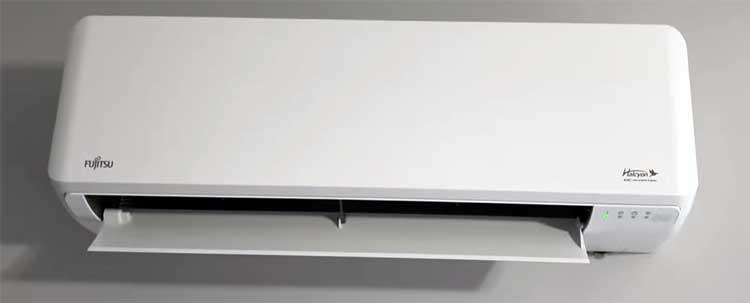
- Inverter Technology for Smooth and Efficient Operation: Every Fujitsu unit I looked at uses advanced inverter compressors that adjust speed precisely instead of cycling on and off. This keeps temperatures stable, reduces wear, and saves energy. In my experience testing similar systems, you feel consistent comfort without those temperature swings that make older units annoying.
- Impressive High SEER Ratings: Many models reach up to 33 SEER or higher, which stands out as one of the best in the industry. This means lower monthly bills, especially if you run the system a lot during hot summers or cold winters. I calculated potential savings and it really adds up over years of use.
- Effective Low-Temperature Heating Performance: Fujitsu offers Extra Low Temp Heating (XLTH) series that operate efficiently down to -15°F. They deliver strong heat without struggling in colder shoulder seasons, making them practical for many northern and mountain homes.
- Ultra-Quiet Indoor and Outdoor Operation: Indoor units can drop as low as 19-21 dB on quiet settings — basically whisper quiet. You can sleep, work, or watch TV without noticing the system. Outdoor units stay respectful too, which helps if your neighbors are close.
- Advanced Air Filtration and Dehumidification: Built-in filters capture dust, allergens, and odors effectively. The dehumidification mode pulls moisture out without over-cooling the room, which feels fantastic in humid climates and improves overall air quality.
- Flexible Multi-Zone Capabilities: One outdoor unit can connect to multiple indoor units, letting you zone different rooms independently. This works great for larger homes or additions where not every space needs the same temperature at the same time.
- Compact and Sleek Design Options: Indoor wall units look modern and slim. Outdoor condensers fit into tight spaces better than bulkier alternatives. You get several indoor styles including wall-mount, floor-mount, and cassette for different room aesthetics.
- User-Friendly Controls and Smart Options: Basic remotes are intuitive, and many models support app connectivity or integration with smart home systems. Scheduling and adjustments become simple from your phone.
- Energy Star Certification on Many Models: This confirms real-world efficiency and can qualify you for rebates or incentives in your area.
- Reliable Humidity Control and Rapid Response: These units reach set temperatures quickly and maintain steady humidity levels, preventing that clammy feeling in summer or dry air issues in winter.
Fujitsu focuses on delivering maximum efficiency and quiet performance at a competitive price. When I compared real usage, the rapid pull-down and steady hold impressed me most for everyday living.
Pros of Fujitsu Mini Splits
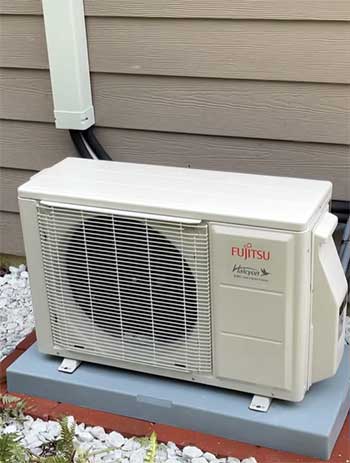
- Outstanding Value and Lower Upfront Cost: You often pay 10-40% less than comparable Mitsubishi systems while getting similar or better efficiency. This leaves budget for professional installation or extra zones, which matters when stretching dollars.
- Top-Tier Energy Efficiency: Higher SEER ratings translate directly into noticeable savings on electricity bills. Homeowners in moderate to warm climates especially benefit year after year.
- Exceptional Quiet Performance: Many users call these the stealthiest units available. Perfect for bedrooms, nurseries, or home offices where noise disrupts focus or sleep.
- Strong Heating in Moderate Cold: XLTH models handle colder temperatures well and ramp up heat fast, providing reliable comfort without supplemental heat in many regions.
- Modern, Unobtrusive Aesthetics: The wall units blend into most decors with clean lines and slim profiles. Guests often don’t even notice them at first glance.
- Solid Warranty Coverage: With registered units and certified installation, you can access up to 12 years on compressors and good parts coverage, giving peace of mind.
- Effective Filtration for Healthier Air: Reduces airborne particles and helps families with allergies breathe easier without extra purifiers.
- Versatile Installation Flexibility: Works in tight spaces, multi-story homes, or room additions where ductwork would be impractical or expensive.
- Quick Temperature Recovery: These systems respond fast when you change settings, so you don’t wait long for the room to feel right.
- Good Energy Star Rebate Potential: Many models qualify, offsetting some installation costs through local utility programs.
Fujitsu strikes me as the practical choice when you want premium results without the full premium price. Plenty of owners I heard from feel they got a smart deal.
Cons of Fujitsu Mini Splits
- Occasional Early Reliability Concerns: Some installers and users report higher initial service calls, particularly with control boards or fan motors in certain production batches. While not universal, it’s worth noting compared to more consistent brands.
- Smaller Dealer and Service Network: Finding certified technicians can take more effort in some regions, potentially leading to longer wait times for repairs.
- Parts Availability Over Time: Long-term sourcing for older models sometimes proves trickier than with bigger market leaders, though this improves with newer units.
- Less Advanced Smart Features: App control and voice integration exist but feel less polished and comprehensive than premium competitors.
- Slightly Less Dominant in Extreme Cold: While capable down to -15°F, Mitsubishi’s Hyper-Heating often maintains higher capacity percentages in the coldest conditions.
- Mixed Long-Term User Reports: Some systems deliver 15-20 trouble-free years, but others mention component issues earlier than expected, especially without meticulous maintenance.
- Basic Design Options in Some Lines: Aesthetics and indoor unit variety don’t always match the most luxurious alternatives.
- Potential for Higher Initial Service Needs: Newer installations occasionally require fine-tuning, according to technician feedback.
These issues don’t ruin the experience for most people, but they matter if you live in a remote area or prioritize zero-hassle ownership.
Also Read: Is ApooDr Mini Split Worth It?
Key Features of Mitsubishi Mini Splits
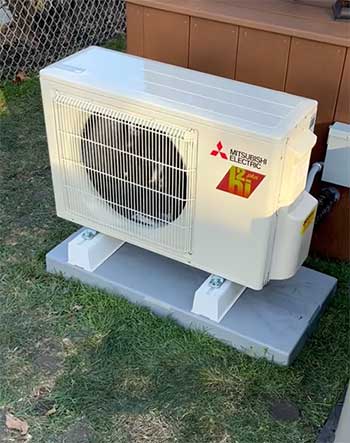
- Hyper-Heating Inverter Technology: This stands as Mitsubishi’s flagship advantage. Units deliver 100% heating capacity at 5°F and keep working efficiently much lower, making them ideal for harsh winters.
- Excellent Overall Efficiency with Balanced Ratings: SEER ratings reach up to 30.5 on top models, combined with strong HSPF for heating. You get reliable year-round performance without extremes in one direction.
- Advanced Air Purification Options: Many models include multi-stage filtration, plasma filters, or i-see sensors that detect people and adjust airflow for better comfort and cleaner air.
- Ultra-Quiet and Smooth Operation: Indoor units run exceptionally quietly with consistent low noise levels. The inverter technology eliminates sudden starts and stops.
- Wide Range of Indoor Unit Styles: Wall-mount, ceiling cassette, floor-mount, and concealed options give you flexibility to match any room design or layout.
- Superior Smart Home Integration: Robust app control, scheduling, energy monitoring, and compatibility with major smart ecosystems. You control zones precisely from anywhere.
- Robust Build Quality and Durability Focus: Components feel premium, with strong emphasis on long-term reliability and corrosion resistance in outdoor units.
- Precise Temperature and Humidity Management: Maintains tight control, preventing over-cooling or swings that affect comfort.
- Extensive Multi-Zone System Support: Handles complex whole-home setups with multiple indoor units running independently.
- Proven Low-Ambient Performance: Keeps delivering heat and maintaining efficiency when outdoor temperatures drop dramatically.
Mitsubishi engineers these systems with thoughtful details that show up in daily use, from better air quality to seamless app experience.
Pros of Mitsubishi Mini Splits
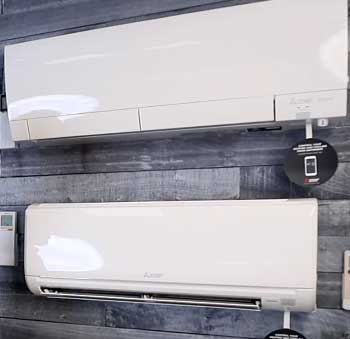
- Best-in-Class Cold Weather Performance: Hyper-Heating models shine in northern climates, providing reliable heat without backup systems and reducing reliance on expensive alternatives.
- Strong Dealer Network and Support: Easier to find experienced installers and quick parts availability almost anywhere, which reduces downtime if issues arise.
- Premium Long-Term Reliability Reputation: Many users report 15-20+ years of service with minimal problems when maintained properly. This builds real confidence for long-term homeowners.
- Advanced Comfort Features: Sensors, better filtration, and precise controls create noticeably superior everyday comfort and air quality.
- Excellent Resale Value: Recognized premium brand that buyers and appraisers appreciate in a home sale.
- Consistent Quiet Operation Across Models: Predictably peaceful performance you can count on in any room.
- Comprehensive Warranty Backing: Up to 12 years with strong manufacturer support behind it.
- Varied Product Line for Any Home: Solutions for single rooms to whole houses, with styles that fit different architectural needs.
- Superior Smart Controls and Monitoring: Track usage, optimize schedules, and integrate with your lifestyle effortlessly.
- Proven Track Record in North America: Decades of refinement mean fewer surprises and well-understood installation best practices.
If peace of mind and top performance in tough conditions top your list, Mitsubishi consistently delivers.
Cons of Mitsubishi Mini Splits
- Higher Purchase Price: Expect to pay a noticeable premium — often 20-40% more than equivalent Fujitsu models. This impacts total project cost significantly.
- Slightly Lower Peak SEER Ratings: Top efficiency numbers trail some Fujitsu offerings, which matters if electricity rates are high and cooling dominates your usage.
- Potentially Overkill for Mild Climates: You might pay for extreme cold capabilities you rarely use in warmer regions.
- Larger Outdoor Units on Some Models: Can require more space or creative placement in compact yards.
- Premium Pricing on Add-Ons: Smart controls, extended warranties, or accessories add to the bottom line.
- Busier Installation Schedules: Popularity means longer lead times during peak seasons in some areas.
- Slightly Higher Noise in Certain Scenarios: While still very quiet, not always the absolute lowest decibel readings compared to Fujitsu’s best.
- Bigger Initial Investment: Can stretch budgets, especially for multi-zone whole-home systems.
The extra cost buys you features and support, but it remains the main barrier for budget-conscious buyers.
Which Factors Matter Most in Your Decision?
I always tell people to consider their specific needs first. If you live in a moderate climate and want maximum efficiency per dollar, lean toward Fujitsu. For harsh winters or if you value extensive support, Mitsubishi makes more sense.
Think about your home’s layout, local electricity rates, and how long you plan to stay.
Installation quality matters more than brand. A perfectly installed Fujitsu will outperform a sloppy Mitsubishi setup every time. Get multiple quotes from certified pros and ask about their experience with each brand.
Also Read: Is Karl Home Mini Split Worth It?
Frequently Asked Questions (FAQ)
It depends on you. Fujitsu often wins for value and efficiency, while Mitsubishi excels in cold climates and support. Neither is universally better.
Mitsubishi generally earns the top spot for long-term reliability and service support, though both are strong when properly installed.
Yes, Fujitsu offers excellent efficiency, quiet operation, and solid performance at a competitive price. Many users love them.
With good maintenance, expect 15-20 years, similar to other quality mini splits. Regular filter cleaning and professional service help reach the upper end.
Wrapping It Up
I have walked you through the real differences between Fujitsu and Mitsubishi mini splits from specs to everyday use. You now understand where each brand shines and where trade-offs exist. Consider your climate, budget, and what matters most in daily comfort.
Talk to a few local installers, get hands-on demos if possible, and choose the one that fits your life best. Both options beat traditional systems for efficiency and quiet comfort.
You will enjoy years of reliable heating and cooling once you pick the right one for your home. What matters most to you in a mini split system?