
I have used a lot of potting soils over the years, but FoxFarm Ocean Forest stands out every single time I open a fresh bag.
You get a ready-to-use mix packed with aged forest products, earthworm castings, bat guano, fish emulsion, and crab meal that feeds your plants right away.
Grab a bag for your next container tomatoes, peppers, or houseplants and you will see faster root growth and greener leaves without mixing anything extra.
Local garden centers and online shops carry it in several sizes, so you can start small or stock up for the whole season.
My Hands-On Experience With FoxFarm Ocean Forest
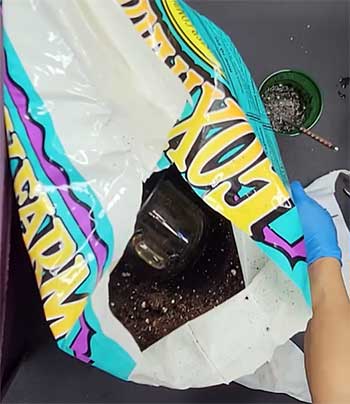
Last spring I filled four large fabric pots with FoxFarm Ocean Forest and transplanted tomato seedlings that already had a few sets of true leaves.
The soil felt light and fluffy when I scooped it out, almost like it had been aerated by hand.
I watered the pots thoroughly after planting and the water drained through quickly without pooling on top.
Within ten days the plants put on new growth that looked thicker and darker green than the same variety I had started in a cheaper mix the year before.
I also repotted two monsteras and a rubber plant indoors with the same soil.
The leaves stayed firm and the stems thickened faster than I expected.
One of the outdoor pepper plants showed a little tip burn on the newest leaves after the first week, so I mixed the remaining soil 50/50 with a plain peat-based mix for the next transplant and the burn stopped.
The smell when you open the bag is earthy with a slight ocean note from the fish and crab meals; it fades after a day or two once the soil is watered and settled.
Over six weeks I watched the tomatoes set fruit earlier than usual and the peppers held more blooms without any supplemental feed.
I did notice that the top inch dried out faster on the hottest afternoons, so I started watering a little deeper and less often.
By week eight the plants still looked vigorous and I only began a light organic feed schedule after that. Friends who visited commented on how full the foliage looked compared with their own containers.
The experience convinced me that the built-in nutrition and balanced texture save time and deliver visible results when you match the soil to plants that can handle a richer start.
Also Read: Comparison of Miracle Gro Potting Mix And Moisture Control Potting Mix.
Pros of FoxFarm Ocean Forest Soil
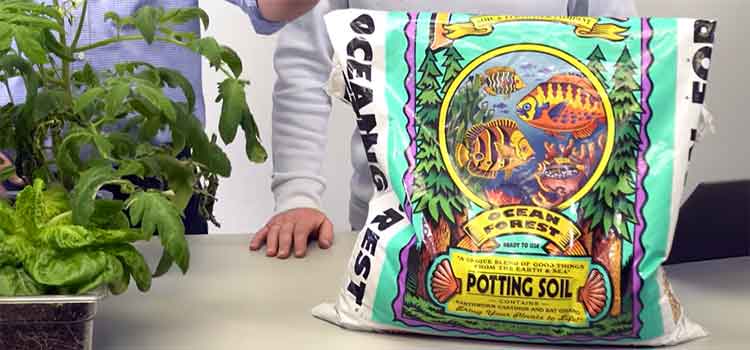
- Ready To Use Straight From The Bag
You open the bag, fill the pot, and plant. No measuring amendments or blending with other media is required for most established plants. The mix already includes sandy loam and peat that keep the structure open, so roots expand without fighting compacted layers. I have started entire container gardens this way and skipped the extra prep steps that slower soils demand. - Rich Organic Nutrient Charge That Lasts Weeks
Earthworm castings, bat guano, fish emulsion, and crab meal supply nitrogen, phosphorus, and calcium in forms plants can use gradually. Most growers report no need for extra fertilizer during the first three to four weeks, and some stretch that window longer with light feeders. Your heavy-feeding tomatoes or flowering annuals draw on this reserve and put energy into fruit and blooms instead of waiting for you to mix a feed. - Balanced Ph That Supports Steady Nutrient Uptake
The soil is adjusted to the 6.3–6.8 range, which matches the sweet spot for the majority of container plants. You avoid the constant pH testing and adjusting that comes with unbuffered mixes. In my own pots the leaves stayed free of the pale or mottled patterns that appear when pH drifts outside that window. - Light Airy Texture That Promotes Healthy Roots
Aged forest products and peat create pore space so oxygen reaches the roots while water still holds long enough between waterings. Plants develop thicker root systems that support larger top growth. When I pulled a tomato at the end of the season the root ball was dense yet not tangled or circling the pot walls. - Natural Ingredients That Add Beneficial Biology
Bat guano and castings introduce microbes that help break down organic matter and can offer mild protection against certain soil-borne issues. You get more than just minerals; the living component supports ongoing nutrient cycling inside the pot. Gardeners who switch from synthetic-only mixes often notice fuller foliage within the first month.
Cons of FoxFarm Ocean Forest Soil
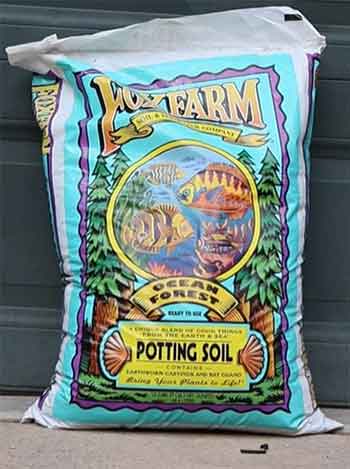
- Can Overwhelm Very Young Seedlings
The nutrient load is high enough that tiny starts sometimes show tip burn or slowed growth if planted directly into pure Ocean Forest. I learned to either wait until seedlings have several true leaves or cut the mix with a lighter starter soil. Once the plants size up, the same richness becomes an advantage. - Dries Faster In Hot Or Windy Conditions
The open texture that helps aeration also lets the surface dry quickly under strong sun. You may need to check pots more often on peak summer days and water a bit deeper to keep the root zone moist. Mulching the top helps slow that evaporation. - Higher Price Than Basic Bagged Soils
A standard 1.5-cubic-foot bag costs more than the common synthetic mixes at big-box stores. For a small patio garden the difference is noticeable, though many users say the reduced fertilizer purchases later offset part of the upfront cost. - Possible Fungus Gnat Attraction If Kept Too Wet
The organic matter can draw fungus gnats when the soil stays soggy for long periods. Careful watering and allowing the top layer to dry between sessions keeps the problem small. Sticky traps handle any stragglers quickly.
Tips And Care Advice For FoxFarm Ocean Forest
- Water Deeply And Let The Top Layer Dry Slightly
Water until liquid runs from the drainage holes, then wait until the upper inch feels dry before the next session. This pattern keeps roots oxygenated and reduces the chance of gnats or root issues. In hot weather you might water every other day; in cooler indoor conditions every three or four days often works. - Amend With Extra Perlite Or Pumice For Better Long-Term Aeration
Even though the mix starts light, some pots settle after several weeks of watering. Stirring in 10–20 percent perlite at planting time keeps the structure open through the season. I do this for any plant that will stay in the same container longer than two months. - Begin Supplemental Feeding After Three To Four Weeks
Watch new growth for signs of slowing or lighter color, then introduce a balanced organic liquid feed at half strength. Many people pair Ocean Forest with FoxFarm’s own liquid nutrients later in the cycle. Feeding earlier than needed can push the already rich soil into excess territory. - Refresh Or Top-Dress Between Seasons
After harvest or at the end of a long indoor cycle, scrape out the top few inches and replace with fresh Ocean Forest or mix in new castings. This restores nutrients and structure without dumping the entire pot. Plants respond quickly to the renewed surface layer. - Monitor For Compaction And Fluff When Needed
Every few weeks gently loosen the top soil with a fork or stick, being careful around roots. This simple step restores airflow and prevents the mix from becoming dense. Outdoor containers exposed to rain benefit most from this quick maintenance. - Store Opened Bags Properly
Keep any leftover soil sealed in the original bag or a covered bin away from direct sun and rain. Moisture and heat can cause the organic ingredients to break down faster or attract pests. A cool garage shelf works well for the remainder of the season.
How FoxFarm Ocean Forest Compares With Other Popular Brands?
- FoxFarm Ocean Forest Vs. Back To The Roots Potting Mix
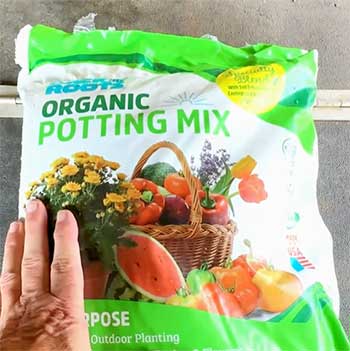
When I set a bag of FoxFarm Ocean Forest next to Back to the Roots Potting Mix, the first difference I notice is how each one feels and what it is made from.
Ocean Forest carries that heavier organic charge from bat guano, fish emulsion, crab meal, and earthworm castings, so it starts plants off with more available nutrition right away.
Back to the Roots takes a peat-free route built on upcycled plant matter and wood fines, then adds yucca extract for better moisture control, dolomitic limestone to hold pH steady, and a lighter dose of organic plant food.
You can often find Back to the Roots for less money, and the peat-free formula appeals if you want to skip sphagnum peat.
In my container tests the Ocean Forest plants usually showed thicker new growth and deeper green color in the first few weeks without any extra feed, while the Back to the Roots plants looked healthy but needed an earlier supplemental feeding to keep the same pace.
Back to the Roots holds moisture well thanks to the yucca and stays relatively light, which helps with indoor pots that you do not want to overwater.
Ocean Forest drains a bit faster and keeps more open structure for outdoor containers, though the surface can dry quicker in hot sun. If you prefer a fully peat-free option that still gives solid results for herbs, flowers, and lighter-feeding plants, Back to the Roots is a practical choice that stretches your budget.
When I want stronger early vigor and a richer built-in nutrient base for tomatoes, peppers, or established houseplants, Ocean Forest has given me clearer results with less immediate intervention.
- FoxFarm Ocean Forest Vs. Sta-Green Potting Soil

Sta-Green Potting Soil is the everyday big-box option I have used for years, and stacking it against Ocean Forest makes the gap in approach obvious.
Sta-Green is inexpensive, widely available, and works for basic annuals or short-season vegetables if you plan to fertilize on a regular schedule.
The mix tends to include more coarse wood pieces and can feel denser once it settles in the pot.
Ocean Forest stays lighter and more aerated from the start because of the aged forest products, peat, and sandy loam, and it carries a higher organic nutrient load that lets many plants coast for three to four weeks before you add anything.
In my side-by-side patio pots the Ocean Forest tomatoes developed thicker stems and set fruit a bit earlier, while the Sta-Green plants stayed smaller until I began feeding.
Sta-Green holds water longer, which can be helpful if your schedule is irregular, but it also compacted more by mid-season and sometimes led to slower drainage.
Ocean Forest required closer attention to surface drying on hot days yet kept better airflow around the roots the whole time.
You save money up front with Sta-Green and it is fine for volume planting of flowers or leafy greens when you do not mind the extra feeding work.
For containers where I want visible early growth and better long-term structure without starting a fertilizer program immediately, I keep choosing Ocean Forest.
- FoxFarm Ocean Forest Vs. Miracle-Gro Potting Mix

Miracle-Gro Potting Mix is the one most gardeners already know, and comparing it directly with Ocean Forest shows two clear paths.
Miracle-Gro uses a peat-and-perlite base loaded with synthetic slow-release fertilizer pellets, so it is cheap, easy to find, and gives many annuals a quick green-up.
The pellets push growth early, yet the mix often breaks down and packs tighter after several weeks of watering, which can reduce oxygen around the roots.
Ocean Forest relies on organic sources—castings, guano, fish and crab meals—so the nutrition releases more gradually and the texture holds its open structure longer in my pots.
My plants in Ocean Forest kept a steadier pace without the early surge and later plateau I sometimes saw with Miracle-Gro, and the leaves stayed evenly colored once the roots settled.
Miracle-Gro works well if you want an inexpensive, no-fuss option for short-term flowers or vegetables and you are fine with synthetic inputs.
When I prefer organic ingredients, better resistance to compaction, and a soil that reduces the need for early feeding, Ocean Forest has been the stronger performer in both outdoor containers and indoor plants.
The higher bag price is noticeable, yet the difference in plant vigor and the simpler early care routine made the switch worthwhile for the crops and houseplants I grow most.
Frequently Asked Questions (FAQ)
Happy Frog is gentler for seedlings and young plants. Ocean Forest suits established plants that can handle a richer mix.
It depends on the stage. Many growers rate Ocean Forest highest for mature containers and Happy Frog best for starting.
It excels with established container plants, heavy feeders such as tomatoes and peppers, and vigorous houseplants.
FoxFarm Ocean Forest uses organic ingredients and holds structure longer. Miracle-Gro is cheaper and easier to find but relies on synthetic pellets.
Final Thoughts On Adding FoxFarm Ocean Forest To Your Garden
I keep a bag of FoxFarm Ocean Forest on hand because it removes guesswork and delivers strong growth in containers. You can plant, water, and watch plants respond without immediate extra feeding.
Pick up a bag at your local shop or order online and use it for your next round of tomatoes, peppers, or houseplants. The results speak for themselves once the roots settle in and the foliage thickens.