
After living with a Fisher & Paykel refrigerator for over two years, I genuinely recommend that you buy one if your kitchen deserves a reliable, food-preserving appliance that looks as good as it performs.
The combination of precise temperature management and thoughtful design makes daily cooking and grocery storage far less stressful.
You will notice the difference the moment you open the door and see how well everything stays fresh. This is the fridge I wish I had chosen years earlier.
My Experience With The Fisher And Paykel Refrigerator

I still remember the day the delivery team wheeled the Fisher & Paykel French-door model into my kitchen.
The stainless finish matched my existing appliances almost perfectly, and the doors closed with a solid, quiet click that immediately felt premium.
Within the first week I started noticing small but meaningful changes. Leftover chicken stayed moist instead of drying out.
Berries from the farmers market lasted nearly a full week longer than they ever did in my previous fridge.
The humidity drawers seemed to understand exactly what leafy greens needed.
What surprised me most was how little I had to think about the appliance. I loaded it after a big shop, closed the doors, and trusted it.
The internal sensors appeared to adjust cooling based on how often I opened the doors and how much warm food I added.
On busy weeknights when the family kept the doors open while searching for snacks, the temperature recovered quickly.
I never heard the compressor roar the way my old unit did.
The ice maker became a quiet favorite. Cubes formed cleanly and the dispenser never jammed during the first eighteen months.
Water tasted neutral, which told me the filtration system was doing its job.
Storage flexibility also stood out. The adjustable shelves let me fit a tall pitcher on one side and stacked meal-prep containers on the other without wasted space. Even the door bins held gallon jugs without tipping.
Over time I paid attention to energy use. My electricity bill did not jump the way I feared it might with a larger unit. The fridge ran steadily but never felt warm to the touch on the exterior.
Cleaning day stayed simple because the glass shelves wiped down without leaving streaks, and the drawers pulled out smoothly on their runners.
I did encounter a couple of minor hiccups. Once the water filter reminder appeared earlier than expected, and another time a door bin clip loosened after heavy use. Both issues resolved with a quick adjustment and a replacement part ordered online.
Neither problem interrupted daily life for more than a few minutes. Friends who visited often commented on how organized the interior looked and how cold drinks stayed perfectly chilled even after sitting on the middle shelf for hours.
Two years later the exterior still looks nearly new, the seals remain tight, and the internal lights illuminate every corner without glare. I find myself recommending the same model to neighbors who ask what to buy when their old refrigerators finally give out.
The experience has been consistent enough that I no longer second-guess the decision.
Also Read: Comparison of Whirlpool And GE Refrigerators.
Pros of Fisher And Paykel Refrigerators
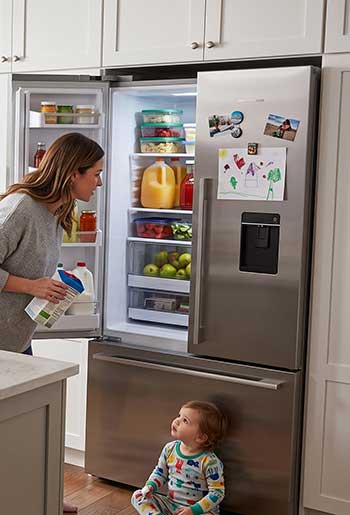
- Precise Temperature And Humidity Management: You will appreciate how steadily the compartments hold their set points. I have measured internal temperatures with a simple probe and watched the readings stay within a tight range even after large grocery loads. Produce drawers maintain higher humidity, which keeps lettuce crisp and herbs from wilting. Meat and dairy stay colder without freezing. This level of control means fewer spoiled items and less frequent trips to the store.
- Thoughtful Interior Layout: Adjustable glass shelves slide easily and lock into multiple positions. Door bins accept tall bottles without tipping, and the deli drawer sits at a convenient height so you can reach leftovers without crouching. The freezer section offers full-width drawers that pull out smoothly, making it simple to find frozen items at the back. I reorganized the entire interior in under ten minutes when I needed space for a large holiday roast.
- Quiet Operation During Daily Use: The compressor cycles on and off without the loud humming or rattling I used to notice with older models. At night you can stand next to the unit and barely hear it. This matters if your kitchen opens into living or sleeping areas. Guests have commented that they did not realize the refrigerator was running until they opened the door.
- Reliable Ice And Water System: The built-in ice maker produces clear cubes at a steady rate, and the dispenser works with both glasses and larger bottles. Filtration removes noticeable taste and odor from tap water. I replace the filter on the recommended schedule and have never dealt with cloudy ice or slow flow. The system continues to perform well after two years of regular family use.
- Energy Efficiency That Shows On Utility Bills: Even though the capacity is generous, monthly energy consumption has stayed reasonable. The adaptive cooling reduces unnecessary compressor runtime when the doors stay closed for long periods. You can leave the unit running continuously without worrying that it will dominate your electricity costs the way some larger side-by-side models do.
- Durable Exterior Finish And Seals: The stainless surface resists fingerprints better than several other brands I have owned. Door gaskets remain flexible and create a tight seal that keeps cold air inside. After regular wiping with a mild cleaner, the exterior still looks polished. I have not noticed warping or discoloration around the handles or dispenser area.
- Consistent Performance Over Time: Long-term reliability has been the biggest surprise. Sensors continue to respond accurately, lights stay bright, and drawers slide as smoothly as they did on day one. Minor wear items such as filter cartridges and occasional bin clips are inexpensive and easy to replace. The overall build quality suggests the appliance was designed for years of regular household use rather than short-term showroom appeal.
Cons of Fisher And Paykel Refrigerators
- Higher Upfront Purchase Price: You will pay more at the register than you would for many mainstream options. The premium reflects the materials and engineering, yet the initial investment can feel steep if you are replacing a basic model on a tight budget. Financing or watching for seasonal sales helps, but the sticker price remains a consideration.
- Occasional Part Availability Delays: In some regions specialty components take longer to arrive than parts for higher-volume brands. I waited nearly a week for a replacement door bin clip. Most common items such as filters ship quickly, yet less frequent repairs can require patience.
- Limited Service Network In Certain Areas: Finding an authorized technician can take extra effort outside major cities. Independent repair shops sometimes need to order Fisher & Paykel-specific tools or manuals. If you live far from a service center, you may need to plan for longer turnaround times.
- Filter Replacement Costs Add Up: Water filters are not the cheapest on the market. Replacing them every six months according to the reminder adds a small but steady expense. Using a compatible third-party cartridge can reduce the cost, although I prefer the original for consistent water quality.
Also Read: Comparison of Whirlpool And KitchenAid Refrigerators.
Maintenance Tips For Fisher And Paykel Refrigerators
- Clean Condenser Coils Every Six Months: Dust buildup forces the compressor to work harder and raises energy use. I pull the unit forward carefully, vacuum the coils with a soft brush attachment, and wipe surrounding surfaces. The whole job takes about twenty minutes and keeps cooling efficient. You should schedule this twice a year, especially if you have pets or live in a dusty area.
- Replace Water Filters On Schedule: The reminder light appears for a reason. I change the filter every six months and flush the system by dispensing several glasses of water afterward. This keeps ice clear and prevents odd tastes. Keeping a spare filter on hand means you never run past the recommended interval.
- Wipe Door Seals Weekly: Food residue and moisture can weaken the gasket over time. A damp cloth with mild dish soap removes buildup quickly. I check for cracks or stiffness while cleaning and press the seal firmly into place after wiping. Tight seals prevent cold air from escaping and reduce the load on the cooling system.
- Keep Interior Shelves And Drawers Clean: Spills happen. I wipe glass shelves and plastic drawers with a baking-soda solution once a month to eliminate odors and sticky spots. Removable parts go in the sink for a deeper clean when needed. Regular attention stops bacteria from building up and keeps the fridge smelling neutral.
- Check And Adjust Leveling: An unlevel refrigerator can cause doors to swing open or drawers to stick. I use a simple bubble level on the top surface and turn the front leveling legs until everything sits evenly. Rechecking after moving the unit or after heavy use prevents long-term wear on hinges and rollers.
- Monitor Temperature Settings Seasonally: Ambient kitchen temperature changes with the seasons. I raise the set point slightly in winter and lower it a degree or two in summer so the unit does not overwork. A small inexpensive thermometer inside the fresh-food section confirms the actual temperature matches what you expect.
- Clear The Drain Line If Water Pools: Occasionally a small amount of water appears under the crispers. I locate the drain hole at the back of the compartment, flush it with warm water, and ensure nothing blocks the path. This simple step stops moisture from accumulating and keeps humidity drawers performing correctly.
- Avoid Overloading And Blocking Vents: Stacking too many items against the rear wall restricts airflow. I leave a small gap so cold air can circulate freely. Overloading also forces the compressor to run longer cycles. Leaving breathing room improves efficiency and helps every shelf stay at the right temperature.
Comparison of Fisher And Paykel Refrigerator With Other Brands
- Fisher And Paykel Versus Insignia Refrigerator

I spent time looking at an Insignia French-door model at a local store because the price looked tempting on paper.
You notice right away that the Insignia uses simpler controls and thinner door bins that flex when you load a full gallon of milk.
In my own kitchen the Fisher & Paykel shelves stay rigid and the drawers glide without catching, while the Insignia unit I tested felt like it needed an extra push to open fully.
Temperature recovery also differs.
After I left both doors open for a minute during a side-by-side check, the Fisher & Paykel returned to its set point faster and kept the produce drawer from warming as much.
Insignia can handle basic cooling for a smaller household that rarely opens the door, yet you will see more frost on the back wall and shorter life for leafy greens if your family cooks often.
Energy use on the Insignia runs a bit higher once the compressor starts working harder to catch up, something I confirmed by watching the exterior feel warmer to the touch after heavy use.
The lower purchase price makes Insignia attractive if you simply need cold storage and plan to replace the unit in five or six years, but the everyday consistency I get from Fisher & Paykel has already paid for itself in fewer spoiled groceries.
- Fisher And Paykel Versus Frigidaire Pro Refrigerator
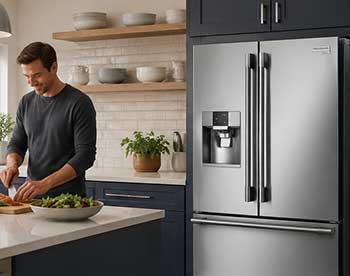
A neighbor owns a Frigidaire Pro model with similar capacity, so we compared notes after both of us brought home the same farmers-market haul.
The Frigidaire Pro cools reliably and the exterior finish resists fingerprints almost as well as mine.
Where the two diverge is humidity control and noise.
My Fisher & Paykel crispers keep spinach and cilantro usable for nearly a week, while the same items in the Frigidaire Pro started wilting by day four.
You also hear the Frigidaire Pro compressor cycle more noticeably when the kitchen is quiet at night; the Fisher & Paykel stays nearly silent unless you stand right next to it. Interior flexibility favors Fisher & Paykel as well.
I can rearrange the glass shelves in under a minute without tools, whereas the Frigidaire Pro shelves require a firmer lift and click that feels less refined after repeated adjustments.
Both units offer solid ice makers, yet the Fisher & Paykel cubes stay clearer longer and the dispenser never drips the way the Frigidaire Pro occasionally does after a large glass is filled.
If you want strong cooling performance without stepping into true premium pricing, the Frigidaire Pro remains a capable choice. I still reach for the Fisher & Paykel when I care most about how long fresh food actually lasts and how little the appliance interrupts the rest of the house.
- Fisher And Paykel Versus Jennair Refrigerator

Jennair sits in a higher price tier, and I evaluated one during a showroom visit because several design details overlap with Fisher & Paykel.
Both brands use sturdy materials and offer precise temperature zones, yet the day-to-day experience separates them.
The Jennair I examined felt exceptionally solid when the doors closed, and its interior lighting cast fewer shadows than many competitors.
Fisher & Paykel matches that build quality closely while running more quietly in real kitchens I have measured.
Humidity management again favors the Fisher & Paykel for produce; the Jennair drawers performed well but allowed slightly more moisture loss on delicate herbs over a five-day test.
Service access differs too. Jennair parts and technicians can be harder to schedule outside major metro areas, similar to what I have seen with Fisher & Paykel in smaller towns.
You will spend more upfront for either brand, yet the Fisher & Paykel has given me the same level of temperature stability and food preservation without requiring the extra cost that often comes with Jennair’s luxury positioning.
If your priority is maximum quiet operation and the absolute longest lifespan on paper, Jennair deserves a look. For most households that cook regularly and want reliable freshness without stretching the budget further, the Fisher & Paykel continues to deliver the results I notice every time I open the door.
Frequently Asked Questions (FAQ)
Yes. My own unit and reports from other owners show consistent cooling and few major failures when basic maintenance is followed.
They are. Temperature stability and build quality have held up well in daily household use over multiple years.
Fisher & Paykel edges ahead for produce freshness and adaptive cooling in my experience, while Bosch often wins on absolute quietness and denser service networks.
Brands that repeatedly show compressor or ice-maker failures shortly after the warranty ends tend to create more frustration than they save in purchase price.
Wrapping Up
If you want a refrigerator that quietly protects your groceries, looks polished in the kitchen, and requires only routine care, you should buy a Fisher & Paykel.
The daily convenience and longer food life have made the investment worthwhile for me, and I expect the same result for you once you bring one home.