
I spent weeks researching Euroshield roofing after a contractor suggested it for my own home. I wanted the full picture on durability, cost, and real drawbacks before committing.
This article shares what I learned about the most common Euroshield roofing problems so you can decide if this recycled rubber option fits your needs and avoid expensive surprises.
Common Euroshield Roofing Problems Worth Knowing About
- High Initial Cost That Stretches Budgets
- Longer and More Complex Installation Process
- Temporary but Noticeable Rubber Odor
- Heat Sensitivity Leading to Shrinkage
- Limited Network of Certified Installers
- Restricted Color and Style Selection
- Risk of Warranty Issues from Ventilation or Workmanship Gaps
- Surface Scuffing from Foot Traffic in Warm Conditions
High Initial Cost That Stretches Budgets

When I first compared quotes, the price difference hit hard.
Euroshield runs roughly twice the installed cost of standard asphalt shingles in many markets.
Figures I saw ranged from about $8.50 to $17 per square foot installed, depending on region, roof complexity, and whether tear-off was needed.
For an average home that might cost $30,000 to $40,000 with asphalt, Euroshield often landed between $60,000 and $85,000.
That sticker shock is real. You pay more upfront for the recycled rubber material itself and for the specialized labor.
I talked with homeowners who delayed projects or chose cheaper options simply because the cash outlay felt too steep.
While the long lifespan can offset some expense over decades, the immediate hit to savings or financing remains a practical barrier.
Financing a higher amount also means larger monthly payments or longer loan terms for many people.
Some owners I spoke with had to adjust other renovation plans or dip into emergency funds just to cover the difference.
If your budget is tight, you plan to sell within ten years, or you simply prefer keeping more cash available for other home improvements, this cost structure can make Euroshield less attractive than materials that deliver solid performance at half the price.
The gap becomes even more noticeable when local labor rates run high or when the roof includes multiple dormers and valleys that increase material waste and handling time.
In those cases the final number can climb well past the upper end of the typical range, leaving little room for unexpected repairs or upgrades elsewhere on the property.
Also Read: Suspended Ceiling Materials Calculator: Full Grid Component & Cost Estimator.
Longer and More Complex Installation Process
Installing Euroshield is not a quick swap like asphalt. Each style follows a specific interlocking pattern that crews must follow carefully to achieve the intended look and weather seal. The shingles themselves weigh more than conventional options, which slows handling and placement on the roof deck.
I watched time estimates stretch. What might take a few days with asphalt can run longer with Euroshield, especially on complex roofs with valleys, hips, or multiple planes. Crews also need to manage the material’s natural expansion characteristics.
One experienced installer noted that laying panels on a hot day can cause them to expand; once temperatures drop, they may pull out of their locking tabs and never reseat cleanly. That forces rework and adds extra days.
The heavier weight means workers tire faster and move more carefully, which further extends the schedule. Weather delays compound the issue because the material behaves differently across temperature ranges. Rain or high winds can stop progress more readily when the interlocking system requires precise alignment.
For anyone expecting a fast turnaround or trying to coordinate with other exterior projects, this extended process can frustrate plans and raise the final invoice through added labor hours and potential overtime.
I also noticed that staging materials takes more space and planning because the panels arrive in larger, denser packages than typical asphalt bundles.
Temporary but Noticeable Rubber Odor
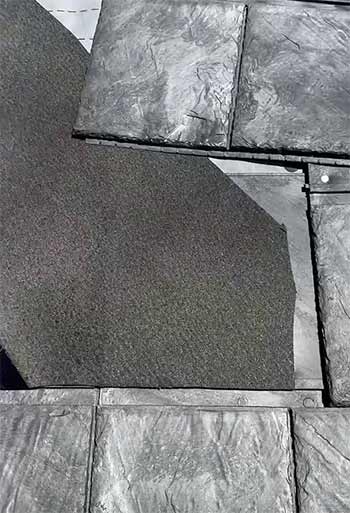
Right after installation, Euroshield can give off a distinct rubber scent.
Because the product comes from recycled tires, that smell is part of the material chemistry.
Most people notice it strongest in the first days or weeks, particularly when the sun heats the roof surface.
I heard from owners who described the odor as strong enough to linger near open windows or in attics during warm weather.
It usually fades with time and exposure, yet the initial period can be unpleasant if you spend a lot of time outdoors near the house or if the roof vents into living spaces.
In hotter climates the scent may return briefly on peak summer days when the surface temperature climbs.
Some people find the smell mild and temporary; others report it as bothersome enough to keep windows closed for several weeks.
The intensity varies with roof pitch, sun exposure, and local weather patterns.
Homes with steeper pitches or dark-colored shingles tend to heat up faster, which can intensify the temporary odor.
While not a structural failure, the smell is an everyday quality-of-life issue that asphalt or metal roofs simply do not present.
If you are sensitive to odors, host outdoor gatherings often, or have outdoor living areas right under the eaves, this characteristic deserves serious consideration before you sign a contract. A few owners mentioned that the scent was strongest in the first two weeks and then settled into something barely noticeable under normal conditions.
Also Read: Differences Between CertainTeed Northgate And Landmark Shingles.
Heat Sensitivity Leading to Shrinkage
This is one of the more technical problems I uncovered. Euroshield performs well in many conditions, yet it reacts poorly when attic temperatures climb too high for too long. Inadequate ventilation allows heat to build under the roof deck. The rubber can then soften and shrink.
Once shrinkage starts, gaps may appear between shingles or at edges. Water can work its way in, and the cosmetic look suffers as the panels pull away from their intended positions. Manufacturer guidance requires proper attic ventilation as a condition of the warranty.
If your existing system is outdated or undersized, you may need to upgrade ridge vents, soffit intake, or powered exhaust before or during the roof job. Skipping that step leaves the roof vulnerable and can void coverage if problems develop later.
In regions with intense summer heat or homes with dark exterior finishes that absorb more solar energy, this risk rises. Older homes with limited soffit area or blocked intake vents are especially prone to the problem.
I treat ventilation as a non-negotiable prerequisite rather than an optional add-on because the material’s insulating properties can trap heat more effectively than thinner asphalt shingles when airflow is restricted.
Measuring attic temperatures on a hot afternoon before installation can reveal whether upgrades are needed. Without that airflow, even a well-installed Euroshield roof can develop gaps that require costly attention years later.
Limited Network of Certified Installers
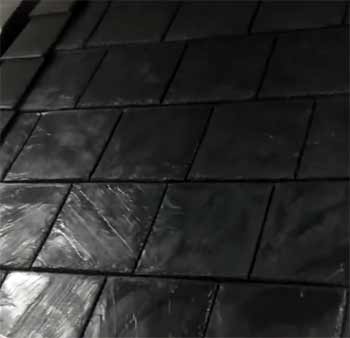
Euroshield insists on certified installers for warranty protection. Finding one is not always easy outside the manufacturer’s core markets.
In some areas the list of trained crews is short, which reduces competition and can drive labor prices higher.
I ran into this while gathering bids. A couple of general roofing companies said they could install the product, yet they lacked formal certification.
Using an uncertified crew risks voiding the long-term warranty and increases the odds of pattern or fastening mistakes. Scheduling can also stretch when only a handful of qualified teams serve a region.
Material lead times of several weeks compound the delay. Even when a certified installer is available, their calendar may be full for months during peak season.
For homeowners in smaller towns or regions with few premium roofing specialists, the limited installer pool becomes a genuine logistical headache that asphalt or widely available metal systems rarely create.
Travel fees for crews coming from farther away can add another layer of unexpected cost. Some owners ended up waiting longer than planned simply because the nearest certified team had a backlog of projects.
That limited choice also reduces your ability to compare workmanship quality or negotiate pricing as freely as you might with more common roofing materials.
Also Read: Differences Between TAMKO And Atlas Shingles.
Restricted Color and Style Selection
Euroshield focuses on two main profiles—shake and slate—with a relatively narrow palette of colors. The look aims for natural wood or stone character, which many people find appealing.
Yet if you want a bold modern hue, a specific regional stone match, or a wider range of gray and brown tones common in asphalt lines, the choices feel limited.
I compared sample boards and noticed the selection prioritizes authenticity over variety. Custom or special-order colors may extend wait times further and sometimes carry premium pricing.
Homeowners who value design flexibility or who need to match neighboring properties sometimes find themselves compromising on the exact shade or texture they had in mind.
The available styles still deliver strong curb appeal, but the restricted menu can push some buyers toward competing synthetic or composite products that offer broader visual options without sacrificing much durability.
If architectural guidelines in your neighborhood or personal taste call for a particular color range, the limited selection becomes a practical constraint rather than a minor inconvenience.
In practice this means you may settle for a close match instead of the precise tone that would best complement your siding or trim, which can leave the finished exterior feeling slightly off from your original vision.
Risk of Warranty Issues from Ventilation or Workmanship Gaps

The 50-year warranty sounds impressive on paper. In practice it comes with conditions.
Proper attic ventilation, certified installation, and correct fastening patterns are required. Fail any of those and coverage can shrink or disappear.
I reviewed warranty language carefully. Heat-related shrinkage from poor ventilation sits outside protection.
Installation errors by unqualified crews also fall outside manufacturer responsibility.
Even walking on the roof during hot weather can leave marks that some owners interpret as defects, though they usually remain cosmetic.
The combination of strict conditions and the need for specialized labor means the long warranty only delivers full value when every prerequisite is met.
Documentation of proper ventilation upgrades and installer certification becomes important if a claim ever arises.
Treating the warranty as automatic rather than conditional is a common source of later disappointment, especially when problems appear years down the road and the original crew is no longer reachable.
Keeping records of the ventilation work and the installer’s credentials can make the difference between a covered repair and an out-of-pocket expense. Without that paperwork, even legitimate material concerns may face resistance during a claim review.
Surface Scuffing from Foot Traffic in Warm Conditions
Rubber softens as temperatures rise. Walking on Euroshield during a hot afternoon can leave scuff marks or slight depressions.
These do not usually affect weather resistance, yet they change the surface appearance and can be noticeable from the ground on lower-pitch roofs.
Service technicians, solar installers, or even homeowners checking vents may create visible tracks that stand out against the intended texture. In cooler weather the material holds up better under foot traffic. Still, the tendency to mark means you or your maintenance team must plan roof access carefully and preferably schedule work for milder days.
Compared with harder materials that shrug off boots, this characteristic adds a small but ongoing management consideration. Repeated foot traffic in the same areas over years can make the marks more permanent in appearance even if structural performance stays intact.
Some owners reported that the scuffs became less obvious after a season of weathering, yet the initial marks were still enough to prompt questions from neighbors or potential buyers during a home sale. Planning any roof work for cooler morning hours helps reduce the risk of leaving lasting surface impressions.
Also Read: A Homeowner’s Experience With SANI-TRED.
Frequently Asked Questions (FAQ)
It offers strong impact resistance, long potential lifespan, and recycled-content appeal. Performance depends heavily on proper ventilation and certified installation. For many homes it works well; for others the cost and conditions outweigh the benefits.
Installed prices commonly fall between $8.50 and $17 per square foot. An average home often totals $60,000 to $85,000, roughly twice the cost of standard asphalt in the same market.
Avoid the cheapest three-tab asphalt products in hail-prone areas and any shingles lacking solid impact ratings if storms are frequent. Also skip materials that require constant chemical treatments for algae in damp climates.
Higher upfront cost, fewer installers, temporary odor, heat sensitivity that demands good attic ventilation, and the need for careful installation to protect the warranty form the main drawbacks.
Wrapping Up
I approached Euroshield with genuine interest in its recycled rubber construction and long warranty claims. After weighing the high cost, installation demands, odor, heat risks, limited installer options, narrower style choices, warranty conditions, and surface marking potential, I see a product that rewards careful planning yet punishes shortcuts.
If you prioritize decades of low maintenance and live in a hail-heavy region with a solid budget and proper attic airflow, Euroshield can serve you well. If cost sensitivity, fast timelines, or flexible design matter more, other roofing systems may fit your situation better.
Measure your own priorities against these realities and you will make a clearer choice for the roof over your head.