I spent months comparing double hung and casement windows before I replaced every opening in my 1920s colonial.
Both styles dominate for good reason, yet they solve different problems around airflow, sealing, cleaning, and how a room actually feels day to day.
Here you will see a clear side-by-side of how each operates, where one pulls ahead on energy performance or ease of use, and which situations favor the sliding sash versus the crank-out design so you can match the window to the wall it will sit in.
| Feature | Double Hung | Casement |
| How it opens | Two sashes slide up and down | One sash swings outward on side hinges via crank |
| Maximum open area | Roughly half the window | Nearly the full opening |
| Seal when closed | Sliding weatherstripping along tracks and meeting rail | Compression seal on all four sides |
| Airflow character | Stack effect with top and bottom options | Full opening that can scoop side breezes |
| Cleaning exterior glass | Tilt-in sashes from inside any floor | Reach through the open sash on many sizes |
| Screen position | Outside the glass | Inside the glass |
| Window air conditioner | Fits standard units | Usually not practical |
| Exterior clearance needed | None | Yes, for the swinging sash |
| Typical installed cost | Lower baseline | Often 10 to 30 percent higher |
| Best style match | Traditional, colonial, farmhouse | Clean, contemporary, craftsman |
Key Differences Between Double Hung and Casement Windows

- Operation method sets the tone for daily use. Double hung windows rely on two independent sashes that you lift or lower by hand, held in place by balances inside the frame. Casement windows use a crank handle that drives a mechanism to swing the single sash outward, usually up to 90 degrees. I found the crank far easier over a deep kitchen counter where lifting a heavy sash felt awkward.
- Open area and airflow volume differ sharply. A double hung unit can never open more than about half its glass area because one sash always occupies space inside the frame. A casement swings clear, exposing nearly the entire opening. That difference shows up on mild evenings when you want the room to feel like an outdoor porch.
- Sealing physics favor the casement. The locked casement sash presses tightly against a continuous gasket, creating compression similar to a refrigerator door. Double hung seals are sliding contacts that must allow movement, so they depend more on the condition of the weatherstripping over years of use.
- Cleaning access flips the advantage. Modern double hung sashes tilt inward so both sides of the glass come inside the room. Casements often let you reach the exterior face once the sash is open, but the hinge side and upper-floor access can still require more planning.
- Hardware complexity and failure points vary. Double hung units center on balances and locks at the meeting rail. Casements add a crank operator, hinges, and usually multi-point locking hardware that pulls the sash in evenly.
- Placement constraints matter on the exterior. Double hung windows open entirely within their own frame, so they sit safely next to walkways, decks, or tight landscaping. Casements project outward and can block paths or catch strong wind when left open.
- Visual interruption of the view is noticeable. Double hung windows carry a horizontal meeting rail that splits the glass into upper and lower panes. Casements present a single uninterrupted pane when closed or open, which changes how a landscape or street scene reads from inside.
- Compatibility with accessories diverges. Window air conditioners drop into the lower sash of a double hung unit without drama. Casements rarely accept them because the sash swings out. Screens sit outside on double hung models and inside on casements, which changes cleaning and the look from the room.
Also Read: Is Thermo Tech Windows Any Good?
Key Features of Double Hung Windows

- Dual operable sashes give flexible ventilation control. You can drop the top sash a few inches to let rising warm air escape while the bottom stays closed, or raise the bottom for direct intake, or open both. This stack effect is useful in kitchens and bathrooms where heat and humidity collect near the ceiling.
- Tilt-in design on both sashes turns cleaning into an indoor job. Release the latches, tilt the sash toward you, and both faces of the glass are reachable with a cloth. On second-story rooms this eliminates the ladder entirely, which I appreciated every spring when pollen coated the exterior.
- Balance systems hold the sash at any height. Quality block-and-tackle or constant-force balances keep the sash from slamming shut or creeping open. Cheap balances feel stiff after a few years and are one of the more common service calls.
- Meeting rail lock provides a simple security point. Most units include a cam lock or similar at the center rail. Some higher-end models add auxiliary locks. Because the sashes stay inside the frame, the lock is straightforward to operate with one hand.
- Wide range of grille patterns and divided-light options preserve traditional character. Simulated divided lites, colonial grids, or prairie-style muntins sit cleanly in the frame and match historic neighborhoods without custom work.
- Compatible with exterior storm windows or screens that mount outside. The screen sits over the openable portion and stays out of the way of the tilt-in cleaning process.
- Available in virtually every common frame material. Vinyl, fiberglass, wood, clad wood, and aluminum all appear in double hung lines, so you can match budget, insulation needs, and exterior color without changing the operating style.
Pros of Double Hung Windows

- Classic proportions suit traditional architecture without looking forced. Colonial, Victorian, Cape Cod, and many farmhouse elevations were built around the double hung silhouette. Matching existing windows on an older house keeps the street elevation coherent.
- Nothing projects into exterior space. You can place them directly beside a deck railing, over a sidewalk, or next to a planting bed without worrying that an open sash will hit a person or plant.
- Stack-effect ventilation gives fine control in shoulder seasons. Opening the top sash a few inches while keeping the bottom closed lets heat leave the room without a cold draft at floor level. I used this regularly in the upstairs bedrooms on cool spring nights.
- Tilt-in cleaning is genuinely safer on upper floors. Standing inside the room to wash both sides of a second-story window removes the ladder risk and the need to hire someone. Both sashes tilt, so the process is the same for the upper and lower panes.
- Standard window air conditioners install without adapters. The lower sash accepts the typical unit and the screen can be adjusted or removed seasonally. This remains a practical advantage in older homes that still rely on window units in certain rooms.
- Lower typical purchase and installation cost compared with equivalent casements. Simpler hardware and higher production volumes keep the price closer to the baseline for a given size and glass package.
- Fewer mechanical parts outside the balances themselves. Once the balances are good, the window has relatively little that can bind or break compared with a crank gearbox and multiple hinges.
- Easy to match across a whole house. Because the style is so common, finding coordinating sizes, colors, and grille patterns from one manufacturer is straightforward.
Cons of Double Hung Windows
- Maximum ventilation is limited to roughly half the opening. Even with both sashes fully open, half the glass area remains inside the frame. On hot still days the airflow volume feels lower than a fully open casement of the same size.
- Sliding seals can develop more air leakage as weatherstripping ages. The meeting rail and the vertical tracks are the weak points. Dust, pollen, and repeated movement wear the seals faster than a compression gasket that is only compressed when closed.
- Balances eventually need adjustment or replacement. After a decade or more the sash may not stay open at intermediate heights or may feel heavy. Replacement is possible but adds a service cost.
- The center meeting rail interrupts the view. Even with slim profiles, a horizontal line crosses the middle of the glass. For rooms where an unobstructed panorama matters, this becomes noticeable.
- Lifting a large sash requires more physical effort than turning a crank. Over a deep counter or for someone with limited upper-body strength, the action is less convenient.
- Exterior screens collect more debris. Because they face the weather directly, pollen and dirt build up faster than on an interior screen.
- In high-wind or driving-rain climates the sliding design can admit more water or air under extreme conditions than a tightly compressed casement.
Also Read: Is Marvin Replacement Windows Any Good?
Key Features of Casement Windows
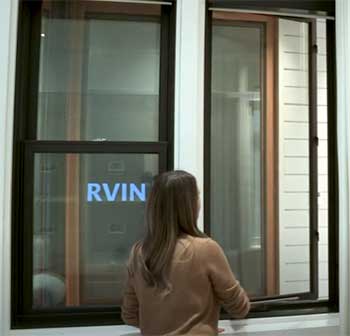
- Crank-operated sash delivers one-handed, low-effort opening. The handle sits at the bottom of the frame and is easy to turn even when the window is above a sink or behind furniture. Many models include a fold-down handle so it does not interfere with blinds.
- Compression seal engages around the full perimeter when the sash is locked. Multi-point locks pull the sash evenly against the weatherstripping, and wind pressure on the exterior actually increases the seal force rather than fighting it.
- Full-swing opening acts as a breeze scoop. Positioned on a wall that receives prevailing wind, the open sash catches air moving along the exterior and directs it indoors. This is more directional than a simple open hole.
- Unobstructed glass area maximizes view and light. With no horizontal rail crossing the middle, the pane reads as a single clear opening. Large casements or combinations of casements and fixed panels create strong sight lines in living rooms.
- Interior-mounted screens stay protected from weather and are easier to remove for cleaning. Because the sash swings past the screen, the screen itself never faces the elements directly.
- Multi-point locking hardware improves both security and sealing. Several locking points along the sash edge make forced entry more difficult and keep the compression even across the entire frame.
- Available with egress hardware that meets bedroom escape requirements. Because the entire sash leaves the opening, a properly sized casement can provide a large clear opening even in a relatively narrow rough opening.
Pros of Casement Windows
- Superior airtightness when closed and locked. The compression seal consistently produces lower air-leakage numbers on NFRC labels compared with double hung units of similar glass and frame quality. In cold climates this shows up as reduced drafts near the glass and modest heating-bill savings.
- Maximum ventilation from a given opening size. Nearly the entire sash swings clear, so you move more air on days when you want the house to breathe. The scoop effect on a breezy wall amplifies that advantage.
- Effortless operation over sinks, counters, or high placements. The crank sits low and turns easily, which makes casements the practical choice above a kitchen sink where a double hung sash would be hard to reach and lift.
- Cleaner, more modern sight lines. The absence of a meeting rail keeps the glass open and uninterrupted. Combined with slim frames, this maximizes both light and the sense of connection to the outdoors.
- Multi-point locks enhance security and even sealing. Multiple engagement points distribute force around the sash edge, making the window harder to force and keeping the gasket compressed uniformly.
- Interior screens stay cleaner and are simpler to service. They are protected from rain and pollen and can be removed from inside without tools in most designs.
- Good performance in windy locations. When closed, wind pressure helps seat the sash tighter against the seal rather than trying to lift it away.
Cons of Casement Windows

- Requires clear exterior space for the sash to swing. An open casement can obstruct a walkway, hit outdoor furniture, or interfere with landscaping. Planning the swing direction and clearance is essential.
- Higher typical cost because of the added hardware. The crank operator, hinges, and multi-point lock raise the manufacturing price, so comparable units often run 10 to 30 percent more than double hung windows of the same size.
- Crank mechanisms and hinges can wear or bind over time. Dirt, lack of lubrication, or forcing a stiff sash can damage the operator. Periodic maintenance keeps them smooth, but it is an extra step compared with simple balances.
- Standard window air conditioners are difficult or impossible to install. The outward swing blocks the usual placement, and special units or adapters are rarely worth the hassle.
- Exterior glass cleaning on upper floors is less convenient than tilt-in double hung sashes. You can often reach through the open sash on ground-floor units, but second-story access may still require a ladder or professional cleaning.
- Open sashes can catch strong wind and stress the hardware. Leaving a casement wide open in a sudden gust can bend the operator or hinges if the unit is large.
- Window treatments sometimes need extra care around the crank handle and interior screen. Not every blind or shade works seamlessly without a bit of planning.
Also Read: My Experience With Infinity Windows By Marvin.
Frequently Asked Questions (FAQ)
They need exterior clearance for the swinging sash, cost more because of the crank and hinge hardware, do not accept standard window air conditioners, and their operators can require occasional maintenance. Exterior cleaning on upper floors is also less straightforward than with tilt-in double hung sashes.
Casement windows are typically more expensive. The added crank operator, hinges, and multi-point locks raise the price, so comparable units often run 10 to 30 percent higher than double hung windows of the same size and glass package.
No. Casement windows remain a current, high-performing choice. Their compression seal, full opening, and clean look suit modern and transitional homes, and they continue to rank among the more energy-efficient operable styles available.
You would choose a double hung window for its traditional appearance that matches older architecture, its tilt-in cleaning that works safely from inside on any floor, its compatibility with window air conditioners, its lack of exterior projection, and its flexible top-and-bottom ventilation that uses the stack effect.
Final Thoughts
When you stand in a room and decide between these two styles, the right choice usually comes down to the wall you are looking at and how you actually use the space. Double hung windows give you the familiar slide, the indoor cleaning, and the traditional proportions that keep an older house looking coherent.
Casement windows give you the tighter seal, the larger opening, and the easy crank that makes hard-to-reach spots practical. You can mix them on the same house without conflict as long as each opening gets the style that solves its particular problem.
Measure the clearance outside, think about how often you clean upper floors, and consider whether the extra sealing and airflow of a casement is worth the added cost on that specific wall.
The windows you choose will be there every day, so matching them to the real conditions of each room is the detail that keeps the house comfortable for years.