
I’ve spent years swinging DeWalt tools on job sites and around my own house, and the choice between the XR and Atomic lines keeps coming up for a lot of us.
Both sit inside the same 20V MAX family, yet they target different kinds of days.
This article walks through the practical differences so you can match the right tools to the work you actually do instead of guessing or overspending.
| Feature | DeWalt XR | DeWalt Atomic |
| Size & Weight | Larger and heavier for balance and stability | Noticeably shorter and lighter for tight access |
| Power & Torque | Higher peak output and stronger sustained performance | Solid power for size, slightly lower on heavy loads |
| Runtime | Longer under demanding, continuous use | Good efficiency but can drop faster on max effort |
| Best For | Professional daily use, heavy fastening, framing, demo | Overhead work, cramped spaces, DIY, finish carpentry |
| Price | Higher upfront cost | More affordable entry into brushless performance |
| Battery Compatibility | Full 20V MAX interchangeability | Full 20V MAX interchangeability |
| Motor & Controls | Advanced brushless with more speed modes and feedback | Efficient brushless, simpler but capable controls |
| Tool Selection | Widest range across categories | Strong in core tools but fewer overall options |
Key Differences Between DeWalt XR And Atomic
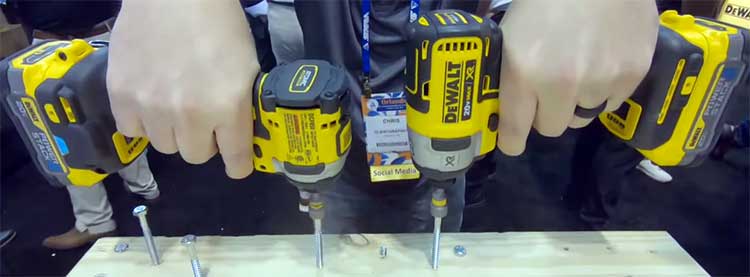
- Size and Weight: Atomic tools shrink the package without killing performance. An Atomic impact driver often sits a full inch or more shorter and drops 0.4 to 0.5 pounds compared with its XR counterpart. That difference shows up fast when you are holding the tool overhead for hours or reaching into a cabinet back or between studs. XR tools feel more planted when you are driving big lags or mixing mud all day because the extra mass helps absorb vibration and keeps the tool steady. If your work involves a lot of ladder time or awkward angles, the lighter Atomic models reduce shoulder and wrist fatigue noticeably.
- Power and Torque Delivery: XR tools generally push more torque and hold that power longer when the load gets serious. On impact drivers, the XR models often edge out 100-150 in-lbs more breakaway torque and maintain speed better when sinking long structural screws. Atomic drivers still deliver respectable numbers around 1,700 in-lbs on popular models and feel plenty strong for most trim, cabinet, and electrical work. The gap becomes clear on heavy framing or when you are fighting rusted hardware. XR simply refuses to bog down as quickly.
- Runtime Under Real Load: Both lines use brushless motors and sip power efficiently compared with older brushed tools, yet XR models are tuned for longer stretches between battery swaps. Pair an XR circular saw or hammer drill with a 5Ah or 6Ah pack and you can often finish a full sheet of plywood or a row of studs without reaching for a spare. Atomic tools paired with the same large batteries still work great, but their compact design sometimes means slightly quicker power draw when you push them hard. Many users keep smaller 2Ah packs on Atomic tools for balance and save the big packs for XR tools that can actually use the extra capacity.
- Ergonomics and Daily Comfort: XR tools tend to have chunkier grips and more robust housings that feel built for abuse. The extra weight can become tiring during repetitive overhead or one-handed tasks. Atomic tools win on nimbleness. Their shorter bodies and lighter weight let you work in tighter quarters with less wrist twist and better control. Triggers and mode switches on both lines are smooth, but XR often adds extra speed settings and electronic feedback that give you finer control when you need it.
- Feature Depth and Controls: XR models frequently include three-speed gearboxes, more precise clutch settings, and better thermal protection for sustained high-load work. You notice this on hammer drills and saws where you can dial in exactly the speed and power you want. Atomic tools keep things simpler and lighter with solid variable-speed triggers and basic mode switches. They still offer brushless efficiency and electronic braking on many models, just without some of the pro-oriented extras.
- Price and Long-Term Value: Atomic tools cost less to buy and still give you modern brushless performance. That makes them attractive if you only reach for a drill or impact a few times a month. XR tools carry a premium that pays off when the tool earns its keep every workday. The higher initial cost buys more power, longer runtime, and often better durability under constant professional use. Many contractors end up owning both lines rather than choosing one exclusively.
- Tool Lineup Breadth: XR covers almost every category you can think of with multiple options inside each. You will find everything from compact routers to large rotary hammers wearing the XR badge. Atomic focuses on the most-used core tools in their most compact forms. You get excellent impact drivers, drills, reciprocating saws, and multi-tools, but fewer specialty options overall.
Also Read: Differences Between DeWalt Max And Atomic.
Key Features of DeWalt XR Tools
- Brushless motors with high-output tuning deliver stronger torque and better thermal management so the tool stays cooler during long runs.
- Multiple speed and power modes plus electronic feedback let you match the tool to the material without guessing.
- Robust gearboxes and housings stand up to daily site abuse and keep working after drops and dust exposure.
- Optimized compatibility with higher-capacity batteries gives you extended runtime when paired with 5Ah and 6Ah packs.
- Wider selection across categories means you can build a complete professional kit inside one consistent line.
- Stronger sustained performance on heavy tasks like framing, demolition, and large-diameter drilling.
Pros of DeWalt XR
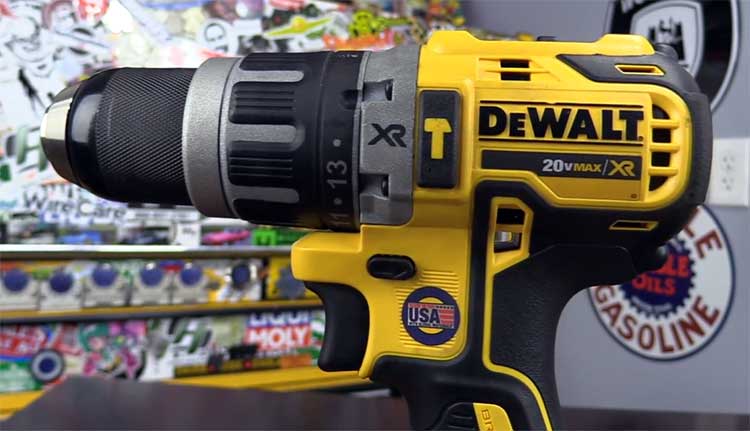
- Higher torque and power let you drive large fasteners and cut tough material without constant battery changes or tool strain. When I was building a deck last year, the XR impact driver sank 6-inch lags into pressure-treated lumber without needing pre-drilling or multiple passes, and it kept consistent speed even when the wood fought back.
- Longer runtime on demanding jobs means fewer interruptions during full workdays. On a full day of framing, I could often finish an entire wall section on one 5Ah battery with the XR saw, whereas smaller tools forced more swaps and broke my rhythm.
- More speed settings and electronic controls give you precision when you need it on variable materials. The three-speed gearbox on my XR drill lets me switch from delicate pilot holes in hardwood to aggressive boring in one tool without changing bits or losing control.
- Wider tool selection lets you stay inside the same ecosystem for almost any task. I can get matching XR batteries and chargers across my entire kit from drills to grinders without mixing ecosystems or dealing with compatibility headaches.
- Better sustained performance under heavy load reduces the chance of bogging down mid-cut or mid-drive. During demo with a reciprocating saw, the XR kept cutting through nails and studs without overheating or slowing, even after 20 minutes of continuous use.
- Rugged build quality holds up to professional daily use and rough handling. After a couple of drops from scaffolding onto concrete, my XR tools still run like new with no noticeable loss in performance or strange noises.
- Strong resale value because the line stays current and in demand. When I upgraded a couple of tools last season, selling my used XR models recovered a good portion of the original cost and made the upgrade feel less painful.
- Pairs perfectly with high-capacity batteries for maximum productivity. Using 6Ah or POWERSTACK packs on XR tools unlocks even more runtime on long jobs without the tool feeling underpowered or unbalanced.
Cons of DeWalt XR
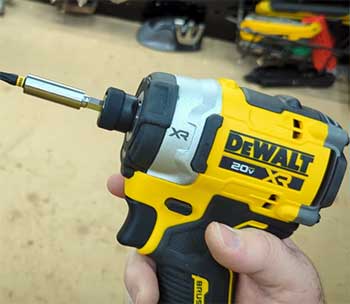
- Extra size and weight can cause fatigue during overhead or extended one-handed work. In tight attics or when working solo on ladders for several hours, the added heft starts to pull on your shoulders and wrists more than you expect.
- Higher purchase price adds up quickly when you are buying multiple tools. Putting together a solid XR kit can easily run several hundred dollars more than starting with Atomic equivalents, which matters if you are on a tighter budget.
- Bulkier bodies sometimes limit access in very tight cavities or between closely spaced studs. Trying to fit the XR drill into a narrow cabinet for hinge work or behind a toilet for plumbing required more contortion and awkward angles than the Atomic version.
- Overkill for light DIY or occasional home use where the extra capability rarely gets used. For hanging pictures, assembling flat-pack furniture, or quick weekend repairs once a month, the extra power and features sit unused most of the time.
- Larger tools can feel less balanced when paired with small batteries. Pairing a big XR circular saw or hammer drill with a 2Ah pack makes the tool feel nose-heavy and less comfortable for all-day carry.
Key Features of DeWalt Atomic Tools
- Ultra-compact bodies and reduced weight make overhead and confined-space work far less tiring.
- Modern brushless motors still provide efficient power and solid runtime for the size.
- Balanced design pairs naturally with smaller batteries for the best all-day feel.
- Quick, responsive triggers and simple controls keep operation straightforward without extra complexity.
- Strong value positioning brings brushless performance at a more accessible price point.
- Excellent maneuverability for finish work, electrical, plumbing, and cabinet installation.
Also Read: Differences Between DeWalt DWS780 And DWS779.
Pros of DeWalt Atomic
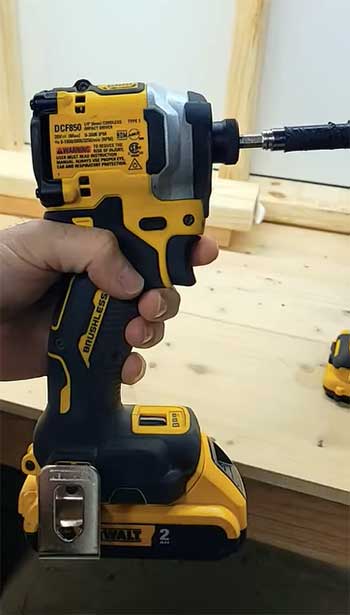
- Significantly lighter and shorter bodies reduce arm and shoulder strain on long days or awkward positions. The Atomic impact driver lets me work one-handed in crawlspaces or reach behind appliances where the XR would require two hands or more awkward positioning that tires you out faster.
- Lower purchase price gets you into capable brushless tools without a big outlay. I was able to buy an Atomic drill and impact combo for roughly what a single XR tool would have cost, which let me build out a functional kit faster and still have money left for batteries.
- Nimble handling shines in cabinets, attics, crawlspaces, and overhead installations. Overhead ceiling work became noticeably less of a chore because the lighter Atomic tool did not pull as hard on my shoulders or force me to fight the weight while trying to stay accurate.
- Enough power for the majority of trim, finish, and light construction tasks. For installing baseboards, door casings, electrical boxes, and cabinet hardware, the Atomic has never left me wanting more power or struggling to finish the job.
- Excellent balance when used with compact 2Ah batteries for all-day comfort. Running a 2Ah pack on the Atomic drill keeps the whole package under three pounds and perfectly balanced, so you can work longer without the tool feeling like it is fighting you.
- Great as a second or dedicated tight-space tool even if you already own XR models. I keep an Atomic multi-tool and reciprocating saw in my truck for quick finish cuts on trim and demo in finished spaces while the XR tools stay in the main kit for heavy structural work.
- Modern efficiency means good runtime for the compact size on typical jobs. Even on longer finish carpentry days, the brushless motor in the Atomic reciprocating saw gives me solid cuts per charge without forcing constant battery swaps.
- Less intimidating for newer users or those who prefer lighter tools. My helper who was new to power tools picked up the Atomic line quickly, felt confident right away, and made fewer mistakes because the tools did not feel bulky or overwhelming in his hands.
Cons of DeWalt Atomic
- Lower peak torque and slightly less sustained power on the heaviest tasks compared with XR equivalents. When I tried driving large structural screws or lag bolts with the Atomic, it needed more time, occasional pre-drilling, and sometimes backed off on speed where the XR powered straight through.
- Runtime can shorten faster when you really push the tool on demanding material. Pushing the Atomic saw through thick wet lumber or stacked plywood required swapping batteries more often than I liked, breaking the flow on bigger jobs.
- Smaller lineup means fewer choices if you need specialty tools. When I wanted a compact router or a specific oscillating multi-tool option for detailed work, the Atomic choices were limited compared with the full XR catalog that had multiple versions.
- May not feel as planted or robust during heavy demo or structural work. On aggressive demo with the reciprocating saw, the lighter Atomic vibrated more in my hands and felt less stable than the XR model, especially when hitting hidden nails or thick material.
- Some users eventually upgrade to XR for primary daily drivers after gaining experience. After a year of professional use, several people I know moved their main impact driver and drill to XR versions because they wanted that extra grunt and longer runtime for framing and heavy fastening.
Also Read: Differences Between DeWalt XR And Flexvolt.
Frequently Asked Questions (FAQ)
No single line wins for everyone. Atomic excels when compact size and lighter weight matter most. XR delivers more power and runtime for heavy or all-day professional work.
It depends on how often and how hard you use the tools. For daily professional use the extra power and durability usually justify the cost. For occasional DIY the Atomic line often provides better everyday value.
XR represents the premium performance tier within the 20V MAX platform with the highest power and feature sets for that voltage class. DeWalt also offers other higher-voltage options for even more demanding applications.
Yes. Both lines run on the full range of 20V MAX batteries and chargers, so you can freely swap packs between any XR and Atomic tool without issues.
Wrapping Up
After comparing both lines side by side, the smart move is to match the tool to the majority of your projects. If you spend most of your time in tight spaces or want to keep weight down, start with Atomic models and add XR tools when you need more muscle.
If you work professionally and value maximum output and runtime, XR becomes the foundation of your kit. Plenty of experienced users end up owning a mix of both because the batteries cross over perfectly and each line fills a specific gap.
Choose based on the work you do most, and you will get reliable performance without wasting money on features you rarely use.