
When you’re shopping for a serious 12-inch sliding compound miter saw, the DeWalt DWS780 and DWS779 stand out as two of the most capable options in the lineup.
They look nearly identical at first glance and share the same core powertrain, but the differences in weight, cut-line technology, and small refinements change how they feel on a job site or in the shop.
My goal here is to give you a clear, practical breakdown so you can decide which one actually fits the way you work, whether that means daily crown molding jobs, framing, or weekend projects.
| Feature | DeWalt DWS779 | DeWalt DWS780 |
| Motor & Speed | 15 Amp, 3,800 RPM | 15 Amp, 3,800 RPM |
| Weight | ~67-70 lbs | ~56-58 lbs |
| Cut Line System | Blade reference (optional laser add-on) | Integrated XPS LED shadow system |
| Miter Range | 50° left, 60° right | Same |
| Bevel Range | 0-49° left and right (double bevel) | Same |
| Crosscut at 90° | 2″ x 14″ (up to ~16″ with back fence) | Same |
| Crosscut at 45° | 2″ x 10″ | Same |
| Nested Crown Capacity | 7-1/2″ | Same |
| Vertical Baseboard | 6-3/4″ | Same |
| Miter Detents | 10 positive stops, stainless plate | Same |
| Typical Price Position | Lower, often strong value | Higher due to XPS and lighter build |
| Best Fit | Shop-based work or budget builds | Job-site mobility and precision work |
Key Differences Between the DeWalt DWS780 And DWS779
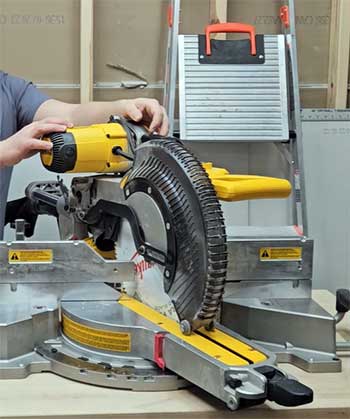
- XPS LED Shadow System on the DWS780 The biggest single upgrade is the built-in XPS crosscut positioning system. Two bright LEDs sit on either side of the blade and cast a crisp shadow exactly where the kerf will land. There is zero calibration, no drifting laser dot, and the line stays visible even in direct sunlight or under bright shop lights. On angled cuts or crown molding, this removes the guesswork that comes with lining up to the blade or relying on an add-on laser that can go out of alignment after a few bumps. Users who do a lot of trim or finish work notice faster setups and fewer test cuts. The DWS779 gives you the blade itself as reference or requires a separate laser, which adds cost and another thing that can fail or need adjustment.
- Weight and Day-to-Day Portability The DWS780 comes in noticeably lighter, usually 10 to 14 pounds less than the DWS779 depending on the exact scale reading. That difference shows up when you carry the saw up stairs, load it into a truck bed alone, or reposition it on a portable stand multiple times a day. The lighter frame on the 780 does not feel flimsy; the dual steel rails and linear bearings stay solid. If your saw lives on a dedicated bench in a garage or workshop and rarely moves, the extra weight of the DWS779 becomes less relevant and the lower price becomes more attractive.
- Minor Build and Component Refinements Teardowns and long-term user reports point to small differences in the armature, bearings, and rail clamping between the two. The DWS780 tends to feel a touch smoother over thousands of cuts and holds calibration slightly better in some heavy-use accounts. The DWS779 remains extremely durable and many owners run it daily for years without issue. These are not night-and-day gaps, but they contribute to why the 780 carries a premium.
- Crown and Specialty Cut Workflow Both saws handle nested crown and tall baseboard well thanks to the tall sliding fences. The DWS780’s XPS system plus any integrated stop improvements make repeated compound angles quicker and more repeatable. You flip the material less often and trust the cut line immediately. The DWS779 performs the same physical cuts once you establish your reference, but the extra step of marking or using a laser can add a few seconds per piece on large jobs.
- Dust Collection and Overall Shop Feel Dust ports and collection efficiency are very similar on both models. Real-world capture sits in the 70-85% range with a good shop vac, which is typical for sliding miter saws of this size. Neither stands out dramatically here, so dust management depends more on your vac setup and blade choice than on which model you pick.
Also Read: Differences Between DeWalt XR And Flexvolt.
Key Features of These DeWalt Miter Saws
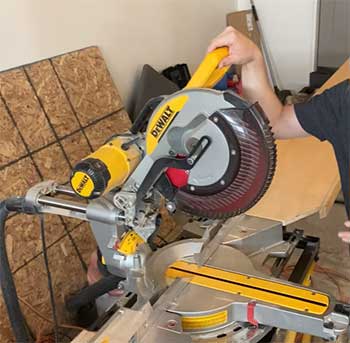
- Powerful 15 Amp Motor with 3,800 RPM Both saws deliver the same strong, consistent power that handles pressure-treated lumber, hardwoods, and stacked trim without bogging down. The motor spins up quickly and maintains speed under load, which matters when you are making long crosscuts or working with dense materials. You get clean, splinter-free results with a good 60-tooth or higher finish blade and minimal burning even on bevel cuts.
- Smooth Dual-Steel Rail System with Linear Ball Bearings The sliding action feels controlled and precise on both models. The bearings reduce play and keep the head tracking straight even after heavy daily use. You can make full-extension cuts confidently without the head wobbling or binding, which helps when cutting wide sheet goods or long stock.
- Stainless Steel Miter Detent Plate with 10 Positive Stops Quick, repeatable angles at common settings (0°, 15°, 22.5°, 31.6°, 45°, 60°) save time on production work. The cam-lock handle and detent override let you fine-tune between stops without fighting the mechanism. Accuracy stays high even after the saw has seen thousands of adjustments.
- Tall Sliding Fences The fences support 7-1/2 inches of nested crown and 6-3/4 inches of vertical baseboard. They slide out of the way cleanly for bevel cuts and lock solidly for tall stock. This design reduces the need for auxiliary supports on most trim jobs and keeps workpieces stable during the cut.
- Double Bevel Capability You can tilt the head left or right up to roughly 49 degrees without flipping heavy material. This is especially useful for crown, chair rail, and complex trim where one direction bevel is awkward or unsafe to achieve by rotating the workpiece.
- Compact Footprint with Solid Capacity Despite the generous crosscut and bevel ranges, both saws keep a relatively manageable footprint for a 12-inch slider. You can place them on a standard miter saw stand or bench without dominating the workspace, yet still cut 2×14 dimensional lumber at 90 degrees and handle most framing and finish needs.
Pros of the DeWalt DWS780
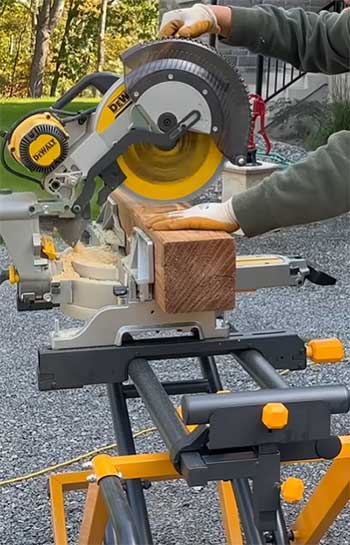
- Superior cut-line visibility that actually speeds up work The XPS shadow stays sharp and true in any lighting. You line up once and cut. On jobs with lots of compound angles or when lighting changes throughout the day, this removes a major source of error and rework. Many users report it feels like having a built-in laser that never needs adjustment.
- Lighter weight improves mobility without sacrificing capacity Moving the saw between trucks, job sites, or even different benches becomes less of a chore. Contractors who load and unload daily notice less fatigue. The saw still feels planted and stable once positioned thanks to the rail design.
- Professional precision right out of the box Between the XPS system and the refined components, the DWS780 rewards users who value repeatable accuracy on every cut. It shines for finish carpenters and anyone doing visible trim where small errors show.
- Time savings on repetitive or angled work Faster setups and fewer test cuts add up over a full day. The combination of light weight and instant cut reference makes the saw feel more efficient for high-volume production.
- Future-proofing for evolving job demands If your work mix includes more on-site finish or you start taking jobs that require frequent tool movement, the DWS780 already has the features you will appreciate later.
Cons of the DeWalt DWS780
- Higher purchase price You pay a noticeable premium for the XPS system and lighter build. For many users the extra cost is justified, but if your budget is tight or the saw will stay mostly stationary, the money could go toward blades, a better stand, or other tools.
- Recall considerations on older units Units made between roughly April 2019 and April 2022 had a plastic rear guard that could break. DeWalt offers a free fix. Always check the date code on the motor housing before buying used or older stock. Newer production runs addressed the issue.
- Slightly overbuilt for very casual use If you only make a handful of cuts per month, the advanced features and price may feel like more tool than you need. A simpler saw could handle occasional work just fine.
Also Read: Differences Between Metabo And Dewalt Miter Saws.
Pros of the DeWalt DWS779
- Strong value that delivers nearly identical cutting performance You get the same motor, same capacities, same smooth rails, and same fence design for less money. Many owners run this saw daily in professional settings and report excellent results on trim, framing, and general carpentry.
- Proven long-term reliability The DWS779 has been in the field for years with a large base of satisfied users. It holds up well under regular abuse and requires only routine maintenance like blade changes and occasional rail lubrication.
- Lower cost frees up budget for accessories The savings can go toward a quality stand, extra blades, a dedicated dust collection setup, or even a laser add-on if you decide you want one later.
- Excellent for shop-based or stationary setups When the saw lives on a bench or stand and does not travel much, the extra weight becomes irrelevant and the lower price makes it the smarter buy for many woodworkers.
Cons of the DeWalt DWS779
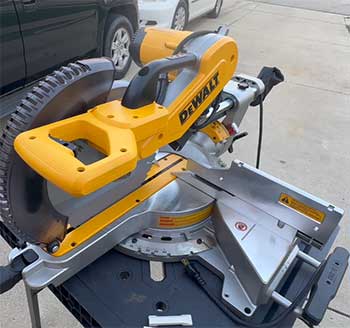
- No built-in cut line reference You line up to the blade or add a laser. Add-on lasers require alignment, can be hard to see outdoors, and introduce another potential point of failure or battery management. This adds a small but real step to every setup.
- Heavier build affects transport and repositioning The extra pounds make a difference when you move the saw frequently or work alone. It is still manageable, but you feel it more than with the lighter sibling.
- Slightly older platform While the core performance remains strong, the DWS779 lacks the refinements and convenience features that came with the XPS-equipped model.
Which One Should You Choose?
After looking at the specs, real-user feedback, and how each saw behaves in different scenarios, the choice comes down to your workflow and priorities.
If you move tools often, do a lot of precise trim or crown work, and want the fastest, most accurate cut reference available, the DWS780 is worth the extra investment for the time and frustration it saves.
If your saw mostly stays in one place, you want maximum performance per dollar, and you are comfortable using the blade as your guide or adding a laser later, the DWS779 remains an outstanding, no-nonsense choice that will handle serious work without complaint.
Both are capable tools from a brand that backs them well. Match the model to how often you transport it and how much you value instant cut-line visibility, and you will end up with a saw you actually enjoy using.
Also Read: Is The Wen Miter Saw A Good Saw?
Frequently Asked Questions (FAQ)
No official discontinuation has occurred. The model remains available through multiple retailers, though stock levels and exact pricing can vary as DeWalt refreshes its lineup.
Yes. It delivers reliable power, smooth operation, and solid accuracy at a strong value. Many professionals and serious DIYers use it daily with excellent results on trim, framing, and general carpentry.
No. It uses DeWalt’s XPS LED system that projects a sharp shadow of the blade itself. This approach requires no alignment and remains visible in bright conditions where traditional lasers can wash out.
Yes, a 2022 recall covered units with specific date codes from April 2019 through April 2022 because of a plastic rear guard that could break. DeWalt provides free repairs. Check the date code on the motor housing and contact DeWalt support if your saw falls in that window. Newer units are not affected.
Final Thoughts
After putting these two saws side by side, I keep coming back to the same point: both will cut accurately and last for years. The DWS780 gives you convenience and mobility features that matter more on active job sites or when precision speed counts.
The DWS779 gives you nearly the same capability for less money and works great when the saw does not travel much. Think about where you use the tool most and how often you move it.
That single factor usually points you to the right choice for your situation. You will be happy with either one as long as it matches the demands you actually face.