
If you’re tired of fumbling with unreliable camp stoves that can’t handle a crowd or deliver consistent heat, let me tell you why the Camp Chef Pro 16 is your next must-have.
This three-burner powerhouse turns any outdoor adventure into a gourmet experience, whether you’re flipping pancakes for the family or searing steaks at a tailgate. I’ve put it through its paces, and it never disappoints with its sturdy build and versatile setup.
Don’t wait—snag one today and elevate your cooking game effortlessly.
My Hands-On Experience With The Camp Chef Pro 16
I remember the first time I unboxed my Camp Chef Pro 16—it felt like Christmas morning in the middle of summer. As someone who loves camping but hates the hassle of mediocre cooking gear, I was excited to see if this thing lived up to the hype.
Right away, the folding legs caught my eye; they snap into place securely, making setup a breeze even on uneven ground. I took it on a weekend trip to the mountains with friends, and we set it up in under five minutes. No tools needed, just unfold, connect the propane, and you’re ready to roll.
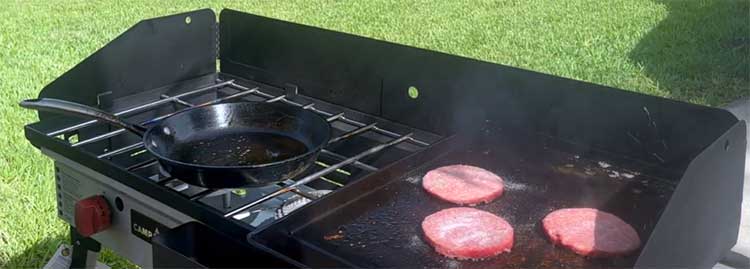
The first cook was breakfast for six people. I attached the griddle accessory, which fits perfectly over the burners, and fired it up. Each burner puts out 30,000 BTUs, so heating was quick—I had the surface hot in no time.
I tossed on some bacon, eggs, and hash browns, and everything cooked evenly without hot spots that plague cheaper stoves. You know how some setups make you babysit the food to avoid burning? Not here.
The adjustable flame controls let me dial in low for simmering coffee while cranking high for the griddle. My friends raved about the fluffy pancakes, and I felt like a pro chef out in the wilderness.
Later that day, we switched to grilling burgers. The Pro 16’s windscreen is a game-changer; even with a breeze picking up, the flames stayed steady. I appreciate how the matchless ignition works every time—no fumbling with lighters when your hands are cold or wet.
Over the trip, I used it for everything from boiling water for pasta to stir-frying veggies. The portability shone through when we packed up; it folds compactly and fits in my SUV without eating up space. Weighing around 60 pounds, it’s manageable for one person to carry short distances, though I recommend a buddy for longer hauls.
Back home, I’ve integrated it into my backyard routine. Last summer, I hosted a barbecue for 20 people, and the Pro 16 handled multiple dishes simultaneously. I love the versatility—you can swap accessories like a barbecue box or Dutch oven stand.
One evening, I experimented with searing salmon, and the even heat distribution gave it that perfect crispy skin. Sure, there’s a bit of cleanup, but the removable drip tray makes it straightforward. Over months of use, I’ve noticed how durable it is; the powder-coated steel resists scratches and weather.
If you’re like me and value reliability, this stove makes outdoor cooking feel less like a chore and more like an adventure. I’ve taken it tailgating too, where it became the center of attention. People kept asking where I got it, and I proudly shared my stories. Overall, my time with the Pro 16 has transformed how I approach meals outdoors—it’s reliable, powerful, and just plain fun to use.
Also Read: Comparison of Blaze King And LOPI Stove.
Pros of Camp Chef Pro 16 Stove
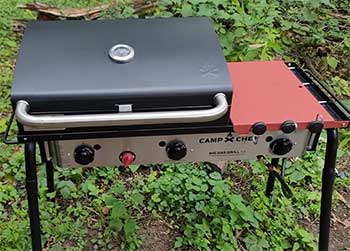
- Powerful Heat Output: With three burners each delivering 30,000 BTUs, you get rapid heating that lets you cook for large groups without waiting around. I often boil water in minutes or sear meats quickly, which saves time during busy camping trips.
- Versatile Accessory Compatibility: This stove shines because you can add griddles, grill boxes, or even pizza ovens. In my experience, switching between setups keeps things exciting— one day it’s breakfast on the flat top, the next it’s grilling ribs.
- Portable Design with Folding Legs: The legs fold neatly, making it easy to transport in your vehicle. I’ve hauled it to remote sites, and it sets up stably on various surfaces, which is crucial when you’re out in nature.
- Matchless Ignition System: No more struggling with matches or lighters; a simple push starts the burners reliably. This feature has saved me frustration on windy days or when I’m in a hurry to get cooking started.
- Built-in Windscreen: It protects the flames from gusts, ensuring consistent performance. During a blustery beach cookout, this kept everything running smoothly without constant adjustments.
- Durable Construction: Made from heavy-duty steel with a powder coat, it withstands rough handling and outdoor elements. After a year of use, mine still looks new despite exposure to rain and dirt.
- Even Heat Distribution: Across the cooking surface, temperatures stay uniform, preventing undercooked or burnt spots. This makes it ideal for griddling where precision matters, like when I’m making smash burgers.
- Easy Assembly and Storage: Out of the box, it’s straightforward to put together, and the compact fold means it doesn’t take much space in your garage. I store mine vertically to save room.
- Value for Money: Compared to basic stoves, the Pro 16 offers premium features at a reasonable price point. You’ve got quality that lasts, reducing the need for frequent replacements.
The pros of the Camp Chef Pro 16 really stack up when you consider how it performs in real-world scenarios. Take the heat output, for instance—I’ve cooked for crowds where other stoves would falter, but this one powers through. You might think 90,000 total BTUs is overkill, but when you’re feeding a hungry group after a long hike, it’s exactly what you need.
The versatility is another standout; I once used it with a cast iron skillet for frying fish, then swapped to the griddle for veggies. It’s like having multiple appliances in one. Portability wise, those folding legs make a huge difference. I can load it into my truck solo, and the carry handles help.
The ignition system?
Pure convenience—I’ve avoided so many headaches. The windscreen has been a lifesaver on exposed campsites, keeping flames alive when others snuff out. Durability speaks for itself; mine has survived drops and scrapes without denting.
Heat evenness ensures professional results every time, and assembly is so simple that even novices like my nephew can handle it. Overall, the value shines through—it’s an investment that pays off in enjoyable meals. If you’re debating, these strengths make it a top choice for anyone serious about outdoor cooking.
Cons of Camp Chef Pro 16 Stove
- Weight Can Be Cumbersome: At around 60 pounds, it’s not the lightest for long carries, so if you’re backpacking, you might need help transporting it.
- Propane Consumption: High BTU output means it uses fuel faster on full blast, requiring extra tanks for extended trips.
- Initial Cost: It’s pricier than basic two-burner models, which might deter budget-conscious buyers looking for simple setups.
- Limited to Propane: No option for other fuels like wood, so you’re tied to carrying tanks.
- Grease Management: Without a built-in system in the base stove, drips can accumulate if not using accessories properly.
Also Read: Comparison of Hotshot Fire Pit And Solo Stove.
Maintenance Tips For Camp Chef Pro 16 Stove
Keeping your Camp Chef Pro 16 in top shape isn’t complicated, but it does require regular attention to ensure longevity and performance. I’ve learned through trial and error what works best, and sharing these tips with you can save headaches down the road.
- Cleaning After Each Use
Right after cooking, while the surfaces are still warm, wipe down the burners and any attachments with a soft cloth and mild soap. I always disconnect the propane first for safety. For the griddle top, if you’ve added one, scrape off food residue with a metal scraper—don’t use abrasive pads that could scratch the surface.
Rinse with water and dry thoroughly to prevent rust. In my routine, I spend about 10 minutes on this, and it keeps everything looking pristine.
- Seasonal Deep Cleaning
Every few months, or after heavy use, give it a thorough scrub. Remove the burners and soak them in soapy water, then brush off any buildup with a wire brush. Check the hoses for cracks or leaks—I’ve caught a small tear once that could have been dangerous.
For the frame, use a degreaser to tackle grease splatters. I do this in my driveway with a hose, letting it air dry completely before storing. This prevents corrosion, especially if you live in humid areas.
- Protecting Against Rust
Rust is the enemy of outdoor gear, so apply a thin layer of cooking oil to metal parts after cleaning. For the griddle, seasoning it like cast iron creates a non-stick barrier. I heat it up, rub on oil, and let it cool—repeat a few times initially.
Store the stove in a dry place; I use a cover to shield it from moisture. If you notice any spots, sand them lightly and re-oil immediately.
- Checking Connections and Parts
Regularly inspect the propane connections for tightness and the ignition system for sparks. If something feels off, like weak flames, clean the burner ports with a pin. I’ve replaced a hose once after noticing wear, and it was straightforward with Camp Chef’s parts availability. Test everything before a big trip to avoid surprises.
- Storage Best Practices
When not in use, fold the legs and store upright in a garage or shed. Avoid stacking heavy items on top to prevent bending. If storing long-term, remove any accessories and keep them separate. I wrap mine in a tarp during winter, which has kept it functional year after year.
These steps have kept my Pro 16 running smoothly for seasons. You might think maintenance is a chore, but it becomes second nature and extends the life of your investment significantly. By staying on top of cleaning and inspections, you’ll enjoy hassle-free cooking every time.
Comparison of Camp Chef Pro 16 Stove With Other Brands
When stacking the Camp Chef Pro 16 against competitors, I approach it from what matters most: performance, build, and usability in real outdoor settings. Let’s break it down by brand.
- Camp Chef Pro 16 Vs. Master Forge Pellet Stove
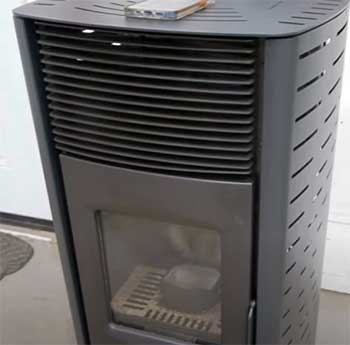
You might be eyeing the Master Forge Pellet Stove if you’re into low-and-slow cooking, as it’s more of a smoker setup that uses wood pellets for that authentic flavor.
In my hands-on time with similar pellet systems, they excel at maintaining steady low temperatures for hours, perfect for ribs or brisket, but they take longer to heat up compared to the Pro 16’s quick propane ignition.
The Camp Chef shines with its three burners totaling 90,000 BTUs, letting you boil, fry, or grill simultaneously—something the Master Forge can’t match since it’s geared toward smoking rather than versatile stovetop tasks.
Portability is another factor; the Pro 16 folds compactly for easy car camping, while the Master Forge, often bulkier with its hopper and auger system, feels more stationary for backyard use. If you prioritize flavor from pellets and don’t mind the setup time, Master Forge could suit you, but for fast, multi-dish meals outdoors, I lean toward the Pro 16’s efficiency.
Build quality on both is solid, with steel construction, though the Camp Chef’s windscreen gives it an edge in breezy conditions.
- Camp Chef Pro 16 Vs. Hotshot Fire Pit Stove
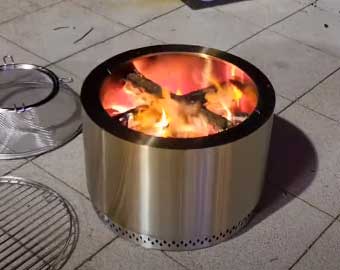
The Hotshot Fire Pit Stove brings a different vibe, focusing on wood-burning with reduced smoke for cozy campfires.
I’ve used fire pits like this on trips, and the Hotshot’s stainless steel design cuts smoke by about 70% through its airflow tech, making it great for gathering around flames without watery eyes.
However, when it comes to actual cooking, it’s limited— you can grill over the open fire or use a grate, but control is rudimentary compared to the Pro 16’s precise flame adjustments.
With the Camp Chef, I can dial in heat for everything from simmering soups to searing steaks, and its 16-inch cooking area handles group meals effortlessly.
The Hotshot is super portable at around 20 pounds with a carry bag, ideal for backpacking, whereas the Pro 16’s 60 pounds make it better for car-accessible sites. Fuel-wise, wood is free if you’re foraging, but propane on the Pro 16 means no ash cleanup and consistent performance.
If ambiance and simple grilling are your goals, go Hotshot; for serious cooking versatility, the Pro 16 wins every time in my book.
- Camp Chef Pro 16 Vs. AGA Stoves
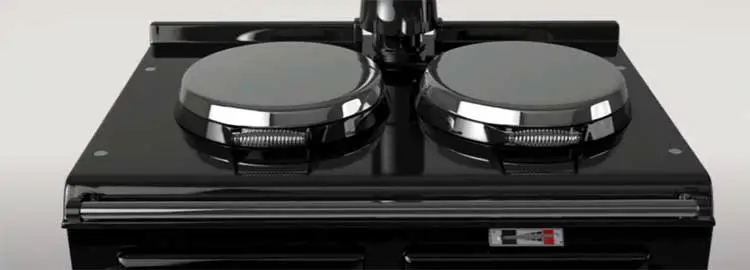
AGA Stoves represent a whole other category, often cast iron ranges built for indoor kitchens with constant heat from gas or electricity. From what I’ve observed in friends’ homes, AGAs provide radiant warmth and even cooking for baking or roasting, but they’re not portable at all—think heavy, permanent fixtures that stay hot 24/7.
The Camp Chef Pro 16, by contrast, is all about outdoor mobility; I pack it up after use and store it easily, firing it up only when needed without wasting fuel. Heat output on an AGA is steady but lower for quick tasks, while the Pro 16’s high BTUs let me crank it for fast boils or griddling.
Versatility outdoors favors the Camp Chef with its accessory swaps, like adding a barbecue box, whereas AGAs are tailored for home use with ovens and hobs. If you’re outfitting a cabin or want that luxury feel indoors, an AGA could be appealing, but for camping or tailgating, it’s impractical.
I appreciate the AGA’s durability, but the Pro 16’s affordability and adaptability make it my pick for on-the-go adventures.
Frequently Asked Questions (FAQ)
Absolutely, if you value quality and versatility. From what I’ve seen, Camp Chef griddles deliver even heating and durability that justify the cost, especially for frequent users. They hold up better than cheaper alternatives, providing consistent results that make every meal enjoyable. You get what you pay for in terms of build and performance.
It depends on your needs, but in many ways, yes—Camp Chef often offers better heat precision and accessory options. Pit Boss is great for budget-friendly power, but Camp Chef’s construction feels more premium. I’ve found Camp Chef more reliable for varied cooking, while Pit Boss suits straightforward grilling well.
For modular setups, Camp Chef has the edge with its flexibility and portability. Blackstone excels in dedicated griddle performance with larger surfaces. If you need a system that adapts to different tasks, Camp Chef wins; for pure flat-top cooking, Blackstone might suit you better.
Yes, it’s designed for easy transport with folding legs and a compact fold. I’ve carried it to campsites without issue, though its weight means it’s best for car camping rather than backpacking. The design balances sturdiness with mobility perfectly.
Wrap Up And Get Your Camp Chef Pro 16 Today
After all my adventures with the Camp Chef Pro 16, I can confidently say it’s transformed my outdoor cooking. From effortless setups to delicious results, it’s reliable and fun.
If you want gear that lasts and performs, this is it—head out and buy one now to make your next outing unforgettable.