
If you’re serious about upgrading your living room with a sofa that actually earns its keep — one that looks stunning, sits like a dream, and holds up over years of real life — the Arhaus Kipton Sofa deserves your full attention.
I’d honestly tell any friend who’s been agonizing over sofa choices to stop scrolling and give this one a hard look before committing to anything else.
It sits at the intersection of design-forward aesthetics and honest craftsmanship, and in today’s market, that combination is rarer than you’d think.
My Experience With The Arhaus Kipton Sofa
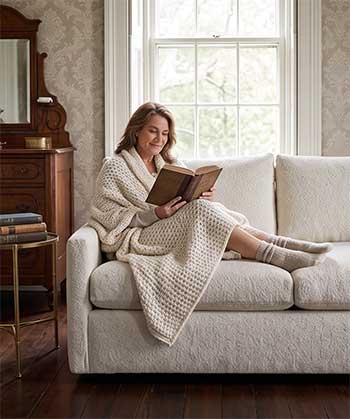
Let me paint you a picture of what owning the Arhaus Kipton Sofa actually feels like — not the glossy showroom version, but the real, lived-in reality.
The first thing that hits you when this sofa arrives is the sheer presence of it.
The Kipton isn’t trying to quietly blend into your room.
It has a low-slung, modern silhouette with tight, tailored lines and those distinctive kiln-dried hardwood legs that give it a grounded, confident stance.
My first thought?
“This looks like furniture from a magazine but built for someone who actually uses furniture.”
Setting it up was straightforward enough, though I’ll be honest — it’s hefty. You’ll want an extra pair of hands. The modular configuration options are genuinely useful if you’re working with an awkward floor plan, and I appreciated being able to choose between several fabric options.
I went with a performance fabric in a warm gray, and months later, I’m still pleased with that call.
Now, let’s talk about sitting on it. The Kipton uses a high-resiliency foam core wrapped in fiber fill, which gives you that satisfying “sinking in without sinking too far” feeling.
It’s supportive enough for someone who works from home and occasionally camps out on the couch for a conference call, but plush enough that evening movie marathons feel genuinely comfortable rather than just tolerable.
The seat depth is generous — if you’re taller than average, you’ll love it. If you’re on the shorter side, you might find yourself doing a little shuffle to sit upright.
The back cushions deserve a special mention. They’re attached, which means you never deal with that annoying daily task of re-fluffing or re-aligning wandering pillows. Some people miss the ability to rearrange them, but I find the cleanliness of the look worth the tradeoff.
After several months of regular use — including a rotating cast of guests, one excitable dog who was supposed to stay off the couch and didn’t, and a couple of minor spill incidents — the Kipton held up impressively.
The performance fabric cleaned up easily with a damp cloth, and the cushions haven’t noticeably compressed or shifted. The frame hasn’t creaked once, which tells you something about the quality of the joinery.
If there’s one honest friction point, it’s the wait time. Arhaus pieces are made to order, and the Kipton can take anywhere from several weeks to a few months to arrive depending on your configuration and fabric choice. If you need a sofa next weekend, this isn’t your answer.
But if you’re making a longer-term investment in your space, that wait is entirely worth it.
What really stayed with me is how the Kipton feels like furniture with a point of view. It’s not hedging its bets or trying to appeal to everyone. It knows what it is — modern, refined, built to last — and it delivers on that identity consistently.
The Pros of The Arhaus Kipton Sofa
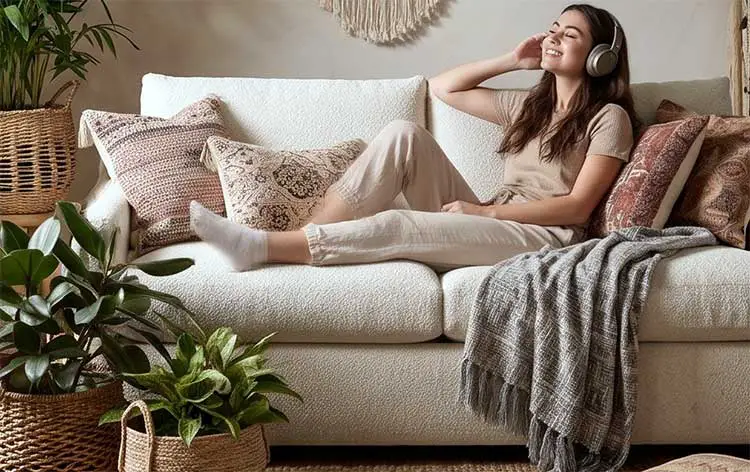
- Exceptional Build Quality That You Can Actually Feel
The Kipton’s frame is built from kiln-dried hardwood, which means it’s far less prone to warping, cracking, or developing that dreaded early creakiness you get from sofas built with green or engineered wood.
Arhaus has long positioned itself as a quality-first brand, and the Kipton is a solid ambassador for that reputation.
The joints are reinforced, the legs are sturdy, and the overall construction feels like something that’s meant to survive a decade of real use rather than look good for two years and then quietly fall apart.
- Performance Fabric Options That Actually Perform
One of the standout features is the breadth of upholstery choices. Arhaus offers performance fabrics on the Kipton that are stain-resistant, easy to clean, and durable enough for households with pets or kids.
This isn’t just marketing language — the fabrics genuinely resist spills and everyday wear better than standard upholstery. You can have a good-looking sofa without living in fear of your morning coffee or your nephew’s juice box.
- Thoughtful, Versatile Design
The Kipton’s clean-lined, contemporary aesthetic gives it genuine design flexibility. It works in minimalist spaces, mid-century modern setups, and even transitional living rooms that blend traditional and contemporary elements.
That versatility is harder to find than it sounds at this price point — plenty of design-forward sofas are so aggressively styled that they box you into one very specific look.
- Comfortable Seating That Holds Its Shape
The high-resiliency foam wrapped in fiber fill hits a genuine sweet spot between firm support and plush comfort. Crucially, it holds that balance over time. Many sofas start soft and gorgeous but compress into pancakes within eighteen months.
The Kipton’s cushion construction is designed to maintain its profile, which means you’re not buying comfort you’ll miss by year two.
- Customization Options For A Truly Personal Fit
The modular configuration possibilities mean you can build a sofa that actually fits your space rather than compromising. Whether you need a compact two-seater for a studio apartment or a sprawling sectional for an open-plan living area, the Kipton’s adaptable format gives you genuine flexibility.
Paired with the range of fabric and leg finish options, you can land on something that feels genuinely personal rather than off-the-shelf.
- Responsible Sourcing And Brand Transparency
Arhaus is known for its commitment to sustainable and responsibly sourced materials, and the Kipton reflects that. If the ethics of your furniture purchases matter to you — and they should — this is a brand that has done more than most to make its supply chain something it can talk about openly.
The Cons of The Arhaus Kipton Sofa
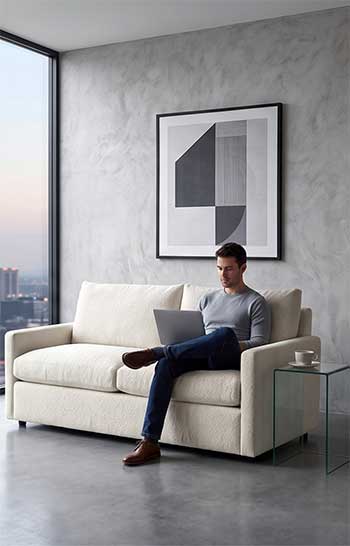
- The Price Point Is A Real Conversation Starter: The Kipton sits firmly in the premium tier. Depending on configuration and fabric, you’re looking at a significant investment. If your budget is tight, this sofa will stretch it.
- Long Lead Times Can Test Your Patience: Made-to-order means waiting weeks or months, which isn’t ideal if you need something quickly or are furnishing a space on a tight timeline.
- Seat Depth May Not Suit Everyone: The generous seat depth is wonderful for taller people but can feel a little overwhelming if you’re petite. Sitting upright requires a bit more conscious effort.
- Attached Back Cushions Limit Rearranging: The tailored, fixed-back design is clean and maintenance-friendly, but if you love the flexibility of rearranging cushions or want a more casual, layered look, this might feel a little rigid.
- Limited Availability Outside Showrooms: Arhaus doesn’t have the same retail footprint as mass-market brands, and experiencing the sofa in person before purchasing can require a trip to a specific location.
- Dry Clean Recommended For Some Fabrics: Depending on the upholstery you choose, care instructions can be more involved than a simple spot clean.
Maintenance Tips For Your Arhaus Kipton Sofa
- Rotate And Flip Seat Cushions Regularly: Even with high-resiliency foam, consistent use in the same spots will eventually show wear. I make it a habit to rotate the seat cushions — where possible — every couple of months. This distributes compression evenly and helps the sofa maintain that just-delivered look far longer than you’d manage otherwise.
- Vacuum The Upholstery Weekly: Dust, crumbs, pet hair, and general household debris embed themselves into fabric fibers faster than you’d think. A weekly once-over with your vacuum’s upholstery attachment keeps the fabric clean, prevents buildup that can eventually degrade fibers, and honestly just keeps the sofa looking sharp. Don’t skip the crevices between cushions — that’s where everything hides.
- Address Spills Immediately And Correctly: With performance fabrics, time is your ally when it comes to spills — but only if you use it correctly. Blot (never rub) the spill immediately with a clean, dry cloth to absorb as much liquid as possible. Rubbing spreads the stain and pushes it deeper into the fabric. Follow up with a damp cloth and mild soap if needed, then let it air dry completely. For non-performance fabrics, check the cleaning code on your sofa’s tag before applying any liquid.
- Keep The Frame Away From Direct Sunlight: Prolonged exposure to direct sunlight can fade upholstery and dry out the wood in the frame and legs over time. Positioning your Kipton away from windows that get heavy direct light — or investing in UV-filtering window treatments — will preserve both the color of the fabric and the integrity of the wood finish for significantly longer.
- Tighten Leg Hardware Periodically: It’s a small thing that most people overlook, but checking and snugging up the hardware on the legs every six months or so prevents wobbling before it starts. Loose legs that go unaddressed can stress the points where they attach to the frame, which is the last thing you want on a premium piece.
- Use Arm Covers Or Throws Strategically: The areas that take the most physical contact — arms and the front seat edges — are also where wear shows first. Stylish throw blankets or dedicated arm covers aren’t just decorative; they’re practical protection that buys you years of pristine appearance with zero effort.
- Professional Cleaning Every 12–18 Months: Even with diligent at-home care, a professional upholstery clean every year to eighteen months makes a noticeable difference. Professionals can remove the kind of embedded grime and allergens that vacuuming doesn’t fully address, and they know which products are safe for specific fabric types. Think of it as the sofa equivalent of a dental cleaning — you brush daily, but the professional visit still matters.
How The Arhaus Kipton Sofa Stacks Up Against The Competition?
- Decor-Rest Furniture
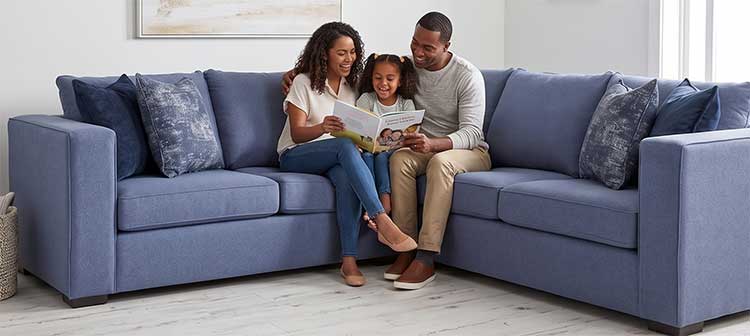
Decor-Rest Furniture, based in Canada, is a solid mid-to-upper market option with strong customization credentials and a good reputation for durability. Their sofas often feature excellent foam quality and a wide range of fabric choices that rival Arhaus’s options.
However, where Decor-Rest tends to play it safe aesthetically — with fairly traditional silhouettes that aim for broad appeal — the Kipton has a clearer, more specific design identity. If you value distinctive contemporary styling as much as function, the Kipton edges Decor-Rest out on that dimension.
Where Decor-Rest genuinely competes is on lead times, which can be shorter depending on your region and the dealer network.
- American Leather Sleeper Sofa

American Leather’s sleeper sofas are among the most respected in the industry, and for good reason — their Comfort Sleeper mechanism is genuinely superior to most pull-out alternatives, and their commitment to American manufacturing means tight quality control.
But this comparison requires a bit of a caveat: the sleeper is a specialized product doing a specialized job. If you need a sofa that doubles as a bed, American Leather is hard to beat in this category.
For a dedicated sitting sofa where aesthetics and everyday comfort are the priority, the Kipton’s design execution and upholstery options give it a clear advantage.
- Burrow Ember Sofa
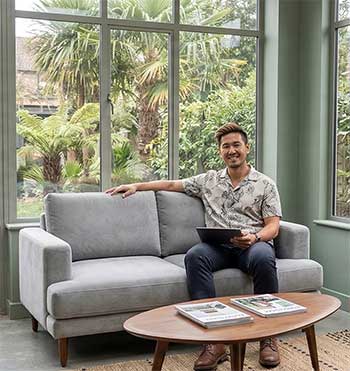
Burrow has built a clever brand around the modern consumer’s desire for easy delivery, easy assembly, and a clean aesthetic at a significantly lower price point than traditional premium brands.
The Ember Sofa delivers on those promises reasonably well — it arrives in manageable boxes, snaps together quickly, and looks genuinely sharp in the right space.
But if you sit the Kipton and the Ember back to back, the difference in material quality and cushion construction becomes apparent.
The Ember is a smart buy for someone who wants good-looking furniture at an accessible price and doesn’t expect it to last fifteen years. The Kipton is for someone making a longer-term commitment.
- Ashley Darcy Sofa
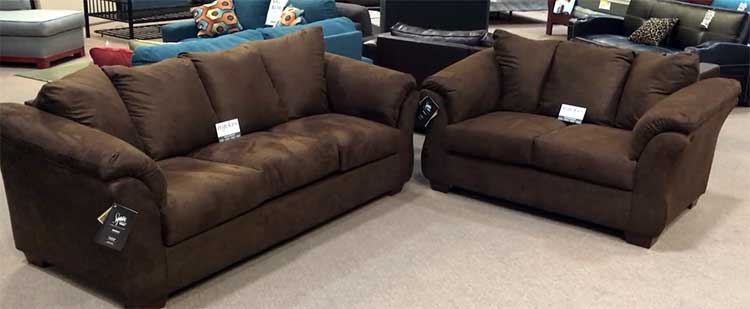
The Ashley Darcy is one of the most popular sofas in America for a reason — it’s comfortable, it’s affordable, it’s widely available, and it looks far more expensive than it is. For budget-conscious shoppers, it punches well above its weight class.
That said, comparing it directly to the Kipton is a bit like comparing a dependable economy car to a well-engineered luxury sedan. The Darcy will serve you reasonably well for several years, but the frame, cushion materials, and upholstery quality operate in a different tier.
If budget is the dominant concern, the Darcy is a reasonable choice. If longevity and design quality are the priority, the Kipton justifies its premium.
Frequently Asked Questions (FAQ)
The Kipton is widely regarded as one of Arhaus’s top performers, balancing modern aesthetics with durability. The Graham and Yorkville are also popular depending on your style preferences.
With proper care, an Arhaus sofa can realistically last 10 to 15 years or more, significantly outlasting most mass-market alternatives.
Yes. Arhaus occupies the upper-mid to premium tier, positioning itself above mass-market brands like Ashley or Crate & Barrel but below ultra-luxury custom makers.
Both are quality brands. Arhaus generally edges out Pottery Barn on material sourcing and frame construction, though Pottery Barn offers broader in-store availability and slightly faster lead times.
Final Thoughts
If you’re looking for a sofa that combines clean contemporary design with genuine build quality and long-term durability, the Arhaus Kipton Sofa is an investment worth making — full stop.
It’s not the sofa for someone who needs furniture by next Friday or is working with a limited budget, but for anyone serious about building a living space with pieces that will actually hold up and still look intentional years from now, this is it.
Buy the Kipton and stop second-guessing yourself.