
Anderson Tuftex Engineered Hardwood Reviews: Worth the Premium Price?
I walked through a few homes last year and kept noticing the same thing. The floors that actually stopped me in my tracks were not the plain, uniform ones.
They had character, visible grain, and a texture you could feel. That is exactly what Anderson Tuftex delivers.
If you want engineered hardwood that looks and feels like real wood with personality, and you are ready to invest in something that holds up in a real house, you should buy this product. It sits in the premium tier for a reason.
My Experience With Anderson Tuftex Engineered Hardwood
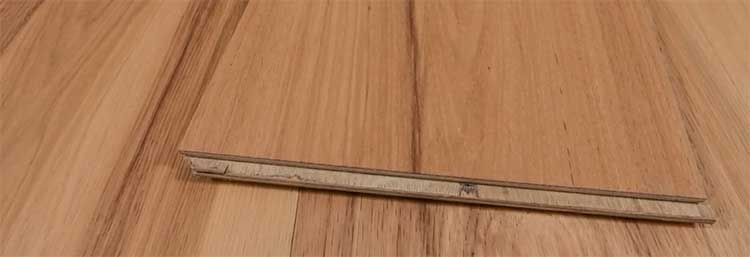
I ordered samples of three different Anderson Tuftex styles before I committed to anything.
One was a wire-brushed white oak, another a hickory with more color variation, and the third a smoother walnut. The white oak samples arrived looking better in person than they did online.
The micro-bevel edges caught the light just enough to give each plank definition without making the floor feel busy. When I set them on my existing floor under afternoon light, the natural knots and mineral streaks did not look like defects. They looked intentional.
Installation day went smoother than I expected. My installer nailed the planks down over a plywood subfloor. The tongue-and-groove fit was tight, and the boards stayed flat.
A few months later I still notice how little the floor has moved with the seasonal humidity swings in my area. That is one of the practical advantages of engineered construction. Solid hardwood can cup or gap more noticeably in the same conditions.
I have kids and a dog, so I paid attention to the surface. The UV aluminum oxide finish on the style I chose has held up better than the factory finish on the previous floor in the same rooms.
You still see fine scratches if you look closely in bright light, but they blend into the character of the wood instead of standing out as damage.
What surprised me most was how the floor ages. After eight months of normal traffic, the high points of the wire-brushed texture have developed a slight sheen. It does not look worn. It looks lived-in in a good way. Guests comment on the floor more often than they comment on anything else in the house.
That does not happen with every engineered product. I have also walked on cheaper engineered floors that felt flatter and more plastic underfoot even though they claimed a real wood veneer. The difference shows up in the thickness of the wear layer and the quality of the finish.
On the Anderson Tuftex boards I chose, the veneer is thick enough that a future sanding remains an option if I ever want to refresh the surface. That mattered to me because I plan to stay in the house.
Not everything has been perfect. A heavy piece of furniture left a small dent when it was moved. The dent is visible only at certain angles, and because the wood already has variation, it does not ruin the look. Still, it reminded me that this is real wood.
You cannot treat it like luxury vinyl. I keep felt pads on chair legs and a mat at the main entry. Those simple steps have kept the floor looking close to new. If your household is extremely hard on floors, you will need to decide whether the aesthetics justify the extra care. In my case they do.
Also Read: Comparison of Mullican And Bruce Hardwood Flooring.
Pros of Anderson Tuftex Engineered Hardwood
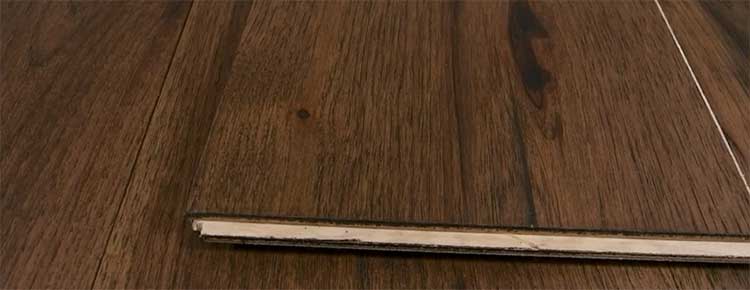
- Character Wood Aesthetics You get visible grain, knots, color variation, and textures that many other engineered floors try to hide or smooth away. Collections with wire-brushing or hand-scraped surfaces give the floor depth that photographs well and feels substantial underfoot. When light hits the surface at different times of day, the boards do not look identical. That natural inconsistency is what makes the floor feel like wood rather than a printed product. I have compared samples side by side with more uniform floors, and the Anderson Tuftex pieces consistently draw more comments. If you like a floor that looks like it belongs in a finished home rather than a model house, this is one of the strengths that justifies the price.
- Thick Wear Layers On Select Styles Higher-tier styles offer veneers that reach 3 mm, 4 mm, or even 6 mm. That thickness matters if you ever want to sand and refinish. Many budget engineered floors use a veneer thin enough that you can only screen and recoat, or you replace the floor entirely once the finish wears. With a thicker real-wood surface you keep the option of a professional refinish later. I measured samples and looked at the product specifications before I ordered. The difference between a 1.2 mm veneer and a 4 mm veneer is obvious once you understand what sanding removes. You are not locked into the original color and finish forever.
- Installation Flexibility You can nail, staple, glue, or float most of these floors. That flexibility helped in my project because the subfloor conditions varied slightly from room to room. The boards also work over radiant heat systems when the manufacturer guidelines are followed, and many styles are approved for below-grade installations if the concrete passes a moisture test. I have seen installers struggle with products that only allow one method. Having options reduces surprises on install day and can lower labor costs in some situations.
- Durable Factory Finishes Most styles use a UV aluminum oxide finish that resists everyday abrasion better than basic oil-based finishes. Some collections offer a more matte or oil-look surface if you prefer less shine. The finish does not make the floor scratch-proof, but it has performed better in my house than the finish on a mid-range floor I lived with previously. Daily sweeping and occasional damp mopping have kept the surface clean without dulling it. You still need to wipe up spills promptly, yet the day-to-day upkeep feels manageable.
- Wide Plank Options And Species Variety Plank widths often start around 5 inches and go up to 10 inches on certain collections. Wider boards reduce the number of seams and create a more open look in larger rooms. Species include white oak, hickory, walnut, ash, and pecan. Each species brings different hardness and grain patterns. Hickory, for example, tends to be harder and shows more dramatic color shifts. White oak gives you a cleaner, more contemporary option while still allowing character. You can match the floor to the rest of your design instead of settling for whatever the retailer has in stock.
Also Read: Is American Spirit Hardwood Flooring Worth It?
Cons of Anderson Tuftex Engineered Hardwood
- Premium Pricing: You pay more than most standard engineered hardwood—typically $8–$14 per square foot for materials, higher for premium styles. The gap adds up quickly once installation is included, so it only makes sense if the look and thicker veneers matter to you.
- Not Waterproof: It handles normal humidity better than solid wood, but standing water or frequent spills can still damage the edges. Kitchens and baths with heavy moisture exposure need a different product.
- Scratches And Dents Remain Possible: Real wood still shows marks from furniture, dropped items, or pets. The character helps hide minor wear, yet nothing makes it fully scratch-proof.
- Thinner Veneers On Entry Styles: Some lower-priced options sit at 1.2–2 mm and cannot be sanded later. Check the specific wear layer if you want refinishing options down the road.
- Warranty Limits On Everyday Wear: Structural coverage is strong for the original owner, but normal scratches, dents, and high-traffic finish wear are usually excluded. The warranty also does not transfer if you sell the house.
Maintenance Tips For Anderson Tuftex Engineered Hardwood
- Daily And Weekly Cleaning Sweep or vacuum with a soft brush attachment every day or two in high-traffic areas. Grit is the main enemy of any wood finish. A microfiber dust mop works well for quick cleanups. Once a week, damp-mop with a cleaner made for hardwood floors. Use a barely damp mop rather than a wet one. Excess water can seep into the edges over time. I keep a spray bottle of the recommended cleaner and a microfiber cloth for spots. The routine takes only a few minutes and has kept my floors looking consistent.
- Protect High-Traffic Zones Place mats at every exterior door and in front of sinks or pet bowls. The mats catch dirt and moisture before it reaches the wood. Use felt pads under all furniture legs and move heavy pieces carefully. Area rugs in hallways and under dining tables add another layer of protection without covering the entire floor. These steps cost little and extend the life of the finish. I noticed fewer fine scratches after I added the entry mats.
- Manage Humidity And Temperature Keep indoor humidity between roughly 35 and 55 percent if possible. Extreme dryness or high humidity can still stress the boards even though engineered construction is more stable than solid wood. A simple humidifier or dehumidifier helps in many climates. Avoid placing the floor in direct contact with standing water or using steam mops. The manufacturer guidelines for each style list the acceptable conditions. Following them also keeps your warranty intact.
- Handle Spills And Stains Quickly Wipe up any liquid as soon as you see it. Water, juice, or pet accidents left sitting can leave marks or cause swelling at the seams. For sticky spots, use a small amount of the approved cleaner on a soft cloth rather than scrubbing hard. Most everyday marks come off easily when addressed right away. I have had no lasting stains after more than a year because nothing sits on the surface for long.
- Plan For Long-Term Care If you chose a style with a thicker veneer, a professional screen-and-recoat or light sanding remains possible later. Even with thinner veneers you can maintain the finish with occasional recoating products designed for factory-finished floors. Check the care instructions that come with your specific collection. Different finishes respond differently to cleaners and polish. Staying consistent with the recommended products prevents dulling or residue buildup. The small amount of ongoing attention has been worth it for the way the floor continues to look.
Comparison of Anderson Tuftex Engineered Hardwood With Other Brands
- Anderson Tuftex Vs. Bruce Hardwood Flooring

Anderson Tuftex sits in the premium tier while Bruce lives in the accessible mid-range. You will usually pay $8–$14 per square foot for most Anderson Tuftex styles, sometimes more for the thickest veneers and widest planks.
Bruce engineered hardwood typically runs $4–$8 per square foot and shows up at big-box stores, so you can grab samples the same day and find installers who already know the product. That convenience matters if you need the floor installed quickly.
The feel underfoot and the look differ more than the price alone suggests. Anderson Tuftex leans into character—wire-brushed surfaces, visible knots, color variation, and planks that often reach 7–10 inches wide. Higher styles carry 3–6 mm wear layers, so refinishing stays realistic later.
Bruce offers solid everyday performance and a long company history, yet many of its engineered lines use thinner veneers (often 1.5–3 mm) and cleaner, more uniform faces. You get reliable aluminum oxide finishes and some water-resistant options like Hydropel, but the boards rarely deliver the same textured personality.
If your budget is tighter and you mainly want real wood that is easy to source and replace, Bruce makes sense. If the floor itself needs to be a design statement with more refinishing potential, Anderson Tuftex pulls ahead.
- Anderson Tuftex Vs. Mullican Hardwood Flooring

Mullican is American-made from Appalachian hardwoods and has built a reputation for consistent milling and solid construction across both solid and engineered lines.
Prices usually land in the mid-to-upper range—roughly $5–$13 per square foot depending on the collection—so the gap with Anderson Tuftex is smaller than the gap with Bruce. You get domestic sourcing and strong warranties, often 25–50 years on finish and lifetime structural coverage.
Where the two diverge is emphasis. Anderson Tuftex prioritizes distinctive textures, wider planks, and a more design-forward character that photographs well and ages with visible personality.
Mullican focuses on clean craftsmanship, reliable cores, and species such as oak, hickory, and maple that feel traditional yet stable.
Its engineered options handle humidity swings well and install over concrete or radiant heat when guidelines are followed. I have compared samples side by side: Mullican boards look precise and durable, while Anderson Tuftex boards look more alive.
Choose Mullican if you want American-made wood with proven mid-premium quality and slightly easier domestic service. Choose Anderson Tuftex when you specifically want the wire-brushed or hand-scraped aesthetic and the thicker veneer options that come with the higher price.
- Anderson Tuftex Vs. Somerset Hardwood Flooring

Somerset keeps things simpler and more domestic. Its SolidPlus engineered line uses an 8-ply core and a 3 mm (or thicker) wear layer sliced the same way as solid hardwood, so the face looks nearly identical to solid boards.
Materials generally run $5–$12 per square foot, and the company backs most residential floors with a lifetime structural warranty plus a 50-year finish warranty. Production happens in Kentucky and Tennessee, which appeals if origin matters to you.
Anderson Tuftex still offers more style range and more extreme character options. You will find wider planks, more aggressive texturing, and veneers that reach 4–6 mm on premium collections.
Somerset’s catalog is narrower and leans toward classic Appalachian looks rather than heavily distressed or ultra-wide designs.
Both handle seasonal movement better than solid wood and both can be refinished at least once when the wear layer is thick enough. Somerset wins on domestic manufacturing, consistent milling, and strong warranty numbers at a lower entry price.
Anderson Tuftex wins when you want more visual drama, wider boards, and the specific textures that make a floor feel custom. If your project values straightforward American quality and a refinishable 3 mm face, Somerset is a strong alternative.
If you are chasing the most distinctive engineered hardwood look available through mainstream dealers, Anderson Tuftex remains the clearer choice.
Frequently Asked Questions (FAQ)
Anderson Tuftex is Shaw’s premium hardwood brand, so it is not a direct competitor. It offers more character textures and often thicker veneers at a higher price. Shaw’s standard lines cost less and include some water-resistant options.
There is no single best brand for every home. Anderson Tuftex, Shaw, Mohawk, and certain specialty brands all perform well depending on your priorities for aesthetics, wear layer thickness, and budget. Match the product specifications to your needs.
Most styles fall between roughly eight and fourteen dollars per square foot for materials. Entry options start lower and premium collections can reach higher.
Buyers frequently report problems with very thin veneers and inconsistent quality from certain budget lines sold under big-box house brands and some older discount retailers. Focus on known manufacturers with clear wear-layer specifications and solid warranties instead.
Wrapping Up
I have lived with this floor long enough to see how it performs under real conditions. The character, the stable construction, and the way it holds up with basic care have matched what I hoped for when I ordered the samples.
If you value a floor that looks like genuine wood with personality and you are prepared for the premium price and normal wood care, you should buy Anderson Tuftex engineered hardwood. It delivers the look and the performance that justify the investment for many homeowners.