
If you are fed up with knives that slip, crush tomatoes instead of slicing them cleanly, and turn dinner prep into a workout, you should buy Aikido Steel Knives.
I bought the Signature 7-Piece Set after seeing the claims and real user feedback, and they have genuinely improved my time in the kitchen. The sharp blades, comfortable pakka wood handles, and solid balance make every task faster and safer.
For the price, especially when on sale, they deliver professional-level performance for everyday home cooking without the premium markup. You owe it to yourself to upgrade and enjoy cooking again.
My Experience With Aikido Steel Knives
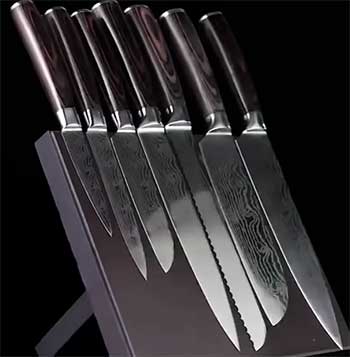
I still remember opening the box on a random Tuesday evening.
The knives sat in a simple yet sturdy block, and the first thing that hit me was how good the pakka wood handles looked and felt.
They have this warm, natural grain that makes the whole set feel more expensive than it is.
I pulled out the 8-inch chef knife, gave it a quick paper test, and it sailed through like nothing. No dragging, no tearing.
That same night I chopped onions for stir fry, and the difference was immediate.
Clean cuts, no slipping, and way less time spent wrestling with the blade.
Over the following weeks I used the full set constantly.
The two santoku knives became my daily drivers for vegetables and herbs.
Those dimples on the blade actually work. Food releases instead of sticking, which means less scraping and faster prep when you are making salads or chopping for multiple meals.
The 5-inch utility knife handled everything from trimming meat to slicing cheese, and the little 3.5-inch paring knife made quick work of garlic and ginger without my fingers getting in the way.
The 8-inch slicing knife shone during a big family roast. It went through the meat in smooth, even passes instead of the sawing motion I used to do with my old set.
The bread knife surprised me too. Crusty loaves stayed intact instead of getting squished. Balance across the board feels natural in your hand.
Nothing feels blade-heavy or like it wants to tip forward. After a month of regular use I noticed the edge started to mellow a bit on tougher root vegetables and when I hit the occasional bone in chicken.
A few passes on a honing steel brought it right back. That is normal for any knife in this price range, and it never felt like a chore.
Six months in, the set still looks almost new. The wood handles have not cracked or faded even with frequent hand washing, and the blades show no signs of rust or pitting.
I have used them for everything from quick weeknight dinners to bigger weekend projects like prepping ingredients for a barbecue. They have made me more confident in the kitchen because I am not fighting the tools anymore.
You know that feeling when a good knife just does what you want without extra effort?
That is what these deliver day after day. They are not the absolute top-tier Japanese knives that cost three times as much, but for real life cooking they punch well above their weight.
Also Read: This Is Why Cutco Knives Are So Expensive.
The Pros of Choosing Aikido Steel Knives
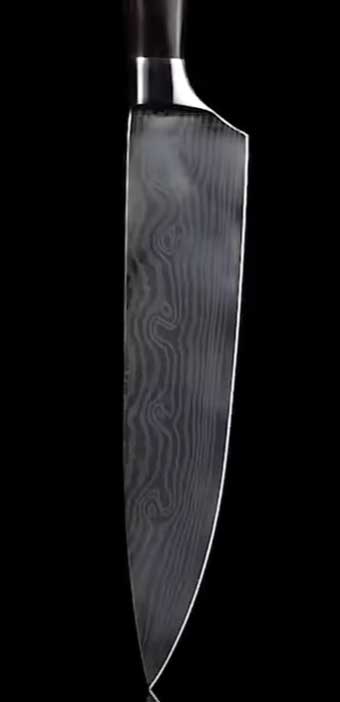
- Razor Sharp Performance Right Out Of The Box When you first hold one of these knives and make a cut, you immediately notice how little pressure is required. Tomatoes, onions, and herbs slice cleanly instead of squishing or tearing. That sharpness translates directly into safer cooking because you are not forcing the blade. Over the months I have used them, this initial edge has saved me time on every single meal. You spend less time sawing and more time enjoying the process. It also means cleaner cuts that look better on the plate, which matters when you are cooking for family or guests. The 16-degree edge geometry helps here. It is sharp enough for precision work yet forgiving enough for everyday tasks. For anyone who has dealt with dull knives for years, this alone makes the switch worthwhile.
- Comfortable And Attractive Pakka Wood Handles The handles are one of the biggest reasons I reach for these knives every day. Pakka wood feels warm and substantial in your hand, with enough texture to stay secure even when things get a little wet. They do not get slippery like some smooth plastic or metal handles. The double steelhead link adds strength and a nice visual detail. After months of use they still look great and have not loosened or cracked. You will appreciate this during longer prep sessions when your hands start to fatigue. The aesthetic also elevates your kitchen. They look like serious chef tools sitting on the counter instead of basic utilitarian pieces. That small detail makes cooking feel more enjoyable and professional at home.
- Excellent Balance And Ergonomics For Real Cooking Good balance makes a huge difference in how a knife feels after an hour of chopping. These knives sit nicely in the hand with the weight distributed so the blade does the work instead of your wrist. The chef knife and santokus in particular encourage proper rocking and chopping motion without fighting you. This reduces strain and helps you maintain better technique over time. I noticed I was able to work faster and with more control once I got used to them. Whether you are dicing vegetables for soup or breaking down a larger cut of meat, the ergonomics keep you efficient and comfortable. That matters more than most people realize until they experience it.
- Strong Value Especially When The Set Goes On Sale At full price the set is positioned as premium, but when it drops to around the $160 range it becomes an outstanding deal for what you get. You receive seven well-chosen pieces that cover almost every kitchen task without redundancy. The performance and looks punch above the cost, especially compared to big-box sets that feel cheap after a few months. I caught mine on sale and have zero regrets. For the money you invest in better daily cooking experiences, these deliver consistent returns in time saved and frustration avoided. Most home cooks do not need to spend hundreds more to get this level of quality.
- Versatile Selection That Handles Everyday And Special Meals The mix of chef, two santokus, utility, paring, slicing, and bread knife covers the vast majority of what you actually do in a home kitchen. I rarely find myself reaching for anything else. The santokus excel at vegetables and lighter proteins, the chef knife handles heavier work, and the slicing and bread knives shine when you need clean presentation. This focused set keeps things simple on your counter without sacrificing capability. You get tools that adapt to American weeknight meals as well as more involved weekend cooking without needing a huge block full of single-purpose blades.
The Cons of Aikido Steel Knives
- Manufacturing Origin Is Not Japan The site does not clearly state where the knives are made, and independent reports point to China. While the design draws clear inspiration from Japanese styles and the materials perform well, this is not a traditional Japanese blacksmith product. Some buyers expect “Japanese knives” to mean made in Japan, so this can feel like a disconnect if that matters to you. In daily use the performance still holds up nicely for the price, but it is worth knowing the reality behind the marketing.
- Edge Retention Is Good But Not Magical The blades stay sharp for regular home use, yet they do require periodic honing to maintain that factory feel. After heavy sessions with root vegetables or meat they benefit from a few passes on a steel. This is completely normal for knives in this hardness range, but if you were hoping for zero-maintenance performance you might feel a slight letdown. It is still far better than cheap sets that dull after a few uses, but you do need to put in a tiny bit of effort.
- Marketing Claims Can Feel Overstated Phrases like “two times harder than other knives in their class” sound impressive but are hard to verify in real-world conditions. The Rockwell rating of 58 is solid for the category, yet it does not automatically make these superior to every mid-range competitor. Some early online feedback questioned the “folded steel” appearance, noting it looks etched rather than true layered construction. The knives work well, but temper your expectations around the hype and judge them on actual cutting feel instead.
- Not Aimed At Professional High-Volume Kitchens These are excellent for home cooks and serious enthusiasts, but professional chefs working long shifts might prefer even harder steels or different profiles for extreme durability. The set holds up beautifully for family meals and weekend projects, yet it is not built for the abuse of a busy restaurant line. That is not really a flaw for the intended audience, but it is something to consider if you cook at a commercial level.
Also Read: Comparison of Zwilling Pro And Four Star Knives.
Tips For Long Lasting Performance of Aikido Steel Knives
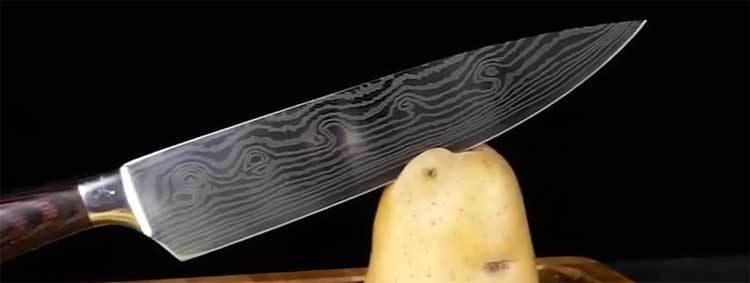
- Hand Wash And Dry Immediately After Use Even though the blades are stainless and the set is marketed as easy to clean, I strongly recommend hand washing these knives. The pakka wood handles will last much longer and stay looking fresh if they are not exposed to long dishwasher cycles. I keep a dedicated sponge or brush just for the knives and give them a quick rinse and dry right after cooking. It takes less than a minute and prevents any moisture from sitting in the handle joints. Your knives will thank you with years of good looks and performance.
- Hone Regularly To Maintain Peak Sharpness A few passes on a honing steel before or after big prep sessions keeps the edge aligned and performing at its best. I do this two or three times a week depending on how much I have cooked. It is a simple motion that takes thirty seconds and dramatically extends the time between actual sharpenings. Hold the steel vertically and draw the blade down and across at the correct angle. You will feel the difference immediately in how effortlessly the knife cuts. This small habit makes a big impact on your daily experience.
- Store Them Properly To Protect Both Blades And Handles Keep the knives in the included block or on a magnetic strip rather than loose in a drawer. The block keeps edges from banging into each other and protects the wood handles from scratches. I also avoid stacking heavy items on top of the block. Proper storage prevents chips and keeps everything organized so you can grab the right knife quickly. It is a small change that protects your investment and keeps your kitchen looking tidy.
- Sharpen When Honing No Longer Brings Back The Edge When the knife starts to feel dull even after honing, it is time for a proper sharpening. You can use a whetstone at home if you are comfortable with the 16-degree angle, or take them to a professional sharpener a couple of times a year. Because the steel is high-carbon stainless, they respond well to sharpening and come back to life nicely. I had mine touched up once after six months of heavy use and they felt brand new again. Do not wait until they are completely blunt. Sharpening earlier preserves the blade geometry and makes the job easier.
- Avoid Abusive Cutting Surfaces And Motions Never cut on glass, marble, or ceramic plates. Those surfaces will destroy the edge fast. Stick to wood or quality plastic cutting boards. Also avoid twisting the blade or using it as a lever to pry things open. These knives are sharp and capable, but they are not pry bars or can openers. Treating them with basic respect keeps them performing for years instead of months. I keep a separate cheap knife for any really rough tasks so the good ones stay in top shape.
- Occasional Deep Cleaning For The Handles Every few weeks I give the wood handles a light wipe with a tiny bit of food-safe mineral oil or a dedicated wood conditioner. This keeps the pakka wood from drying out and maintains that rich color and smooth feel. It is a two-minute job that makes the whole set look cared for. Skip harsh cleaners or soaking the handles. A little preventative care goes a long way toward keeping these knives looking and feeling premium long after you buy them.
How Aikido Steel Knives Compare To Other Popular Brands?
- Aikido Steel Knives Versus Ninja NeverDull Knives
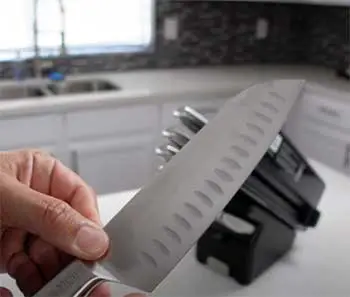
Ninja NeverDull sets come with that built-in sharpener in the block, which is incredibly convenient if you hate the idea of maintaining edges yourself.
You just slide the knife through and it stays usable with almost zero thought.
The handles feel comfortable and the German stainless steel holds up well for basic tasks.
Where Aikido pulls ahead for me is in the overall feel and looks.
The pakka wood handles on the Aikido set give better grip and a more premium, traditional kitchen aesthetic that sits nicely on the counter.
The edge geometry on Aikido feels a touch more refined for precision slicing, and the balance encourages better technique. Ninja wins on pure convenience for busy households who want set-it-and-forget-it sharpening.
Aikido wins if you enjoy the process a little more and want knives that look and perform like classic chef tools rather than a gadget-heavy system. Both sit in a similar affordable range, so it really comes down to whether you value the built-in sharpener or the classic wood-handle experience.
- Aikido Steel Knives Versus Brookstone Knife Set
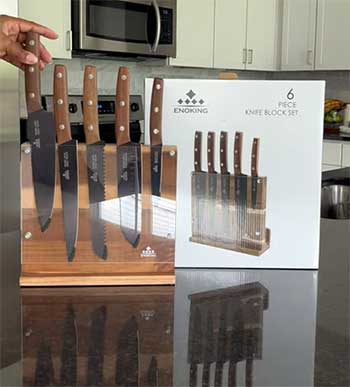
Brookstone knife sets often show up at discount stores or online for very low prices, and some people grab them as a cheap starter option.
In practice they tend to feel lighter and more disposable.
Handles can be plastic or lower-grade materials that do not hold up to daily washing and use, and the blades dull faster while sometimes developing spots.
Several users report issues with fit and finish over time. Aikido Steel Knives feel like a clear step up in the same general price bracket.
The high-carbon stainless construction, the pakka wood handles, and the consistent factory sharpness give you noticeably better performance right away.
You spend less time fighting the knife and more time actually cooking.
If you only need something ultra basic for occasional use, a Brookstone set might scrape by.
For regular cooking where you want tools that inspire confidence and last, Aikido is the stronger choice by a decent margin.
- Aikido Steel Knives Versus Imarku Knife Set
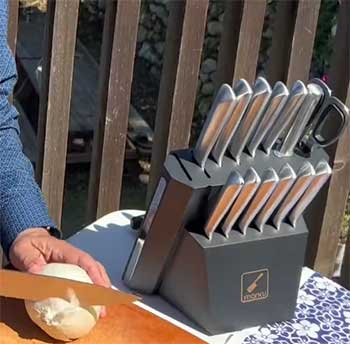
Imarku sets are extremely popular on Amazon for good reason.
They deliver Japanese-style performance at a budget price, with high-carbon blades that arrive very sharp and a good selection of pieces.
Many home cooks love them for the value and the fact that they handle daily tasks without drama.
Aikido Steel Knives sit in a similar value category but bring a few different strengths.
The pakka wood handles on Aikido feel more comfortable and substantial during long prep sessions, and the overall aesthetic is a bit more polished and traditional.
Edge retention in my experience felt comparable or slightly better with Aikido after heavy use, though both benefit from regular honing.
Imarku often comes with more pieces or a block for the money, which appeals if you want maximum quantity. Aikido focuses on a tighter, well-chosen 7-piece collection that covers 95 percent of what most people actually need.
Both brands are solid upgrades over cheap big-box sets, and you really cannot go wrong with either if you catch them on sale. It comes down to whether you prefer Imarku’s broader selection or Aikido’s refined handle comfort and focused set.
Frequently Asked Questions (FAQ)
They are manufactured in China with Japanese-inspired design and high-carbon stainless steel construction.
Gordon Ramsay recommends his own HexClad Japanese Damascus steel knives for sharpness and edge retention, and has also praised Henckels.
Popular top Japanese knife brands include Shun, Miyabi, Global, MAC, and Tojiro.
Many professional chefs prefer traditional Japanese or German profiles over Cutco because the brand focuses on direct home sales with different steel and edge characteristics that do not always suit high-volume professional precision work.
Final Thoughts
If you have been putting off upgrading your knives because you thought good ones had to cost a fortune or require constant fuss, Aikido Steel Knives are a smart, practical choice that delivers real results in a normal home kitchen.
You will notice the difference every time you cook, and the investment pays for itself quickly in time saved and meals enjoyed. Go ahead and treat yourself to a set. You will wonder why you waited so long.