
If you want a cooler room, fewer annoying glares, and a cleaner-looking window setup without turning your home or car into a cave, 3M window film is worth buying from an authorized 3M dealer, certified installer, or trusted local tint shop.
I like it because it feels like a practical upgrade, not a flashy gimmick.
You get brand confidence, strong film options, and professional installation support. For me, that combination makes 3M one of the safest buys in the window film world.
My Experience With 3M Window Film
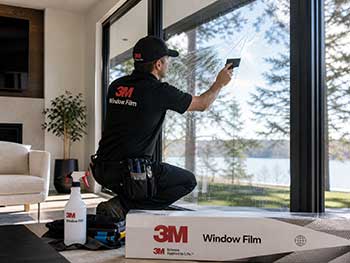
When I first looked at 3M window film, I was not chasing some miracle product.
I wanted three simple things: less heat, less glare, and windows that still looked normal.
I did not want my living room to feel like a tinted SUV from a spy movie.
I also did not want a cheap film that bubbled, purpled, peeled, or made the glass look like it had been wrapped in bargain-store cling film.
The first thing I noticed was that 3M has a “choose your flavor” kind of lineup. Some films focus on heat rejection. Some lean into privacy. Some are made for homes and offices. Some are better for vehicles.
That sounds great, but it can also make the buying process feel slightly like ordering coffee in a place where the menu has 38 words for milk. Once I matched the film to the job, though, the choice became easier.
On sunny afternoons, the difference felt real. The room did not become icy cold, but it became more comfortable. That is the key. I would not call 3M film a replacement for air conditioning, curtains, blinds, or insulation. I would call it a comfort booster.
It cuts the harshness. It softens glare. It makes sitting near a bright window less like volunteering to be lightly roasted.
The appearance also impressed me. A good 3M film, installed properly, looks intentional. It does not scream “aftermarket fix.” In a home, that matters. You want your windows to look polished, not patched.
In a car, you want clean edges, even shading, and no messy corners. 3M can deliver that, but the installer matters a lot. A premium film in careless hands is still a problem.
My biggest takeaway is simple: 3M window film works best when you pick the right series for your needs and have it installed by someone who knows what they are doing. When those two boxes are checked, it feels like a smart long-term upgrade rather than a cosmetic impulse buy.
Why 3M Window Film Gets So Many Strong Reviews?
A lot of positive 3M window film reviews come down to trust. People know the brand. They expect the product to last. They expect cleaner installation support. They expect warranties to mean something.
That matters because window film is not the kind of product you want to redo every year.
The praise usually centers on heat reduction, glare control, UV protection, and appearance. Many users also like that 3M films do not always require a dark, mirror-like look to perform well. That is especially important for homeowners who want comfort without making the house look sealed off from daylight.
There is also a quiet luxury to good window film. It does not shout. It just makes your space easier to live in. Your couch does not feel as sun-blasted. Your laptop screen becomes easier to see.
Your car steering wheel does not feel like it was forged in a volcano. You may still need shades or cooling, but the daily discomfort takes a noticeable step down.
That said, not every review is glowing. Some users complain about price. Some expected a bigger heat reduction. Some had installation issues. Some disliked the final shade. Most negative experiences seem to come from mismatched expectations, poor installer work, or choosing the wrong film for the job.
That is why I look at 3M less as “one product” and more as a system: film quality, correct selection, skilled installation, and realistic expectations.
Also Read: Complaints Against Sierra Pacific Window.
Pros of 3M Window Film
- Strong Heat Reduction Without Always Going Super Dark
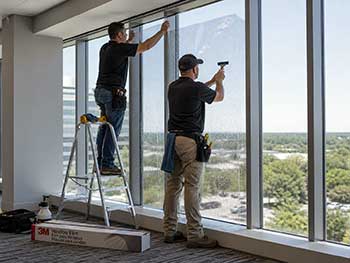
One of the best things about 3M window film is that you can get meaningful heat control without automatically choosing the darkest possible shade.
This is especially true with premium lines designed to reject infrared heat.
I like that because I want comfort, not a cave.
In a home, natural light matters. In a car, visibility matters. A film that keeps things cooler while still letting you see clearly feels like a smarter choice than old-school tint that relies mainly on darkness.
Of course, heat reduction varies by film type. A basic dyed film will not perform like a high-end ceramic or multilayer film. But when you choose the right 3M series, the improvement can be noticeable. The room feels less punishing.
The car cabin cools down faster. The glass still gets warm, because physics loves ruining dramatic claims, but the overall comfort improves.
- Excellent UV Protection For Interiors And Skin
UV protection is one of those benefits you do not always feel immediately, but you appreciate later. Sunlight can fade furniture, flooring, dashboards, leather, artwork, curtains, and pretty much anything you paid too much money for.
3M films are commonly chosen because they help reduce UV exposure through glass, which can slow fading and protect interior surfaces.
I also like the peace-of-mind angle. If you spend a lot of time near windows or driving during bright daylight, UV protection is not just about furniture. It is about comfort and long-term exposure.
Window film does not replace sunscreen or common sense, but it adds a useful barrier. I see that as one of the most underrated reasons to buy quality film instead of the cheapest tint you can find.
- Cleaner Glare Control For Daily Comfort
Glare is the tiny villain of modern life. It hits your television, your phone, your laptop, your eyes, and your patience. 3M window film can reduce that harsh brightness and make rooms easier to use during peak sunlight hours.
For cars, it can make driving more comfortable, especially when sunlight bounces off roads, buildings, or other vehicles.
What I appreciate is that glare reduction feels immediate. You do not need to wait months to judge it. You sit down, look at your screen, and think, “Ah, my eyeballs are no longer filing a complaint.” The amount of glare reduction depends on film darkness and reflectivity, but even moderate films can help.
- A Wide Product Range For Different Needs
3M does not force everyone into one solution. If you want subtle home comfort, you can look at lighter films. If you want automotive heat rejection, ceramic or crystalline options may make sense.
If you want privacy, there are darker or reflective styles. If you want decorative glass, there are frosted and patterned choices. If safety matters, there are security films designed to help hold glass together.
That variety is a major advantage because window film is personal. Your neighbor’s perfect film might be wrong for you. Maybe you want daylight. Maybe you want privacy. Maybe your office has a brutal afternoon sun problem.
Maybe your car needs heat control without interfering with visibility. 3M’s lineup gives you enough choices to match the problem instead of pretending one roll solves every life crisis.
- Premium Appearance When Installed Properly
A high-quality 3M film can look sleek, smooth, and factory-like. That matters more than people admit. Bad window film looks bad every single day. You see bubbles. You see dust specks. You see uneven edges.
You quietly regret your choices while pretending not to notice.
With proper installation, 3M film can blend beautifully with the glass. In homes, the finish can look refined instead of obvious. In cars, it can sharpen the appearance without making the vehicle look overdone.
This is where professional installation becomes worth it. The product may be premium, but the final look depends heavily on the person applying it.
Also Read: Are OKNA Windows Worth The Investment?
Cons of 3M Window Film
- The Price Can Feel High: 3M window film is usually not the cheapest option, especially if you choose premium lines like Crystalline, Prestige, or Ceramic IR. If you only want a short-term tint or basic privacy, the price may feel a little much. But if you care about long-term comfort, appearance, UV protection, and warranty support, the cost can make sense.
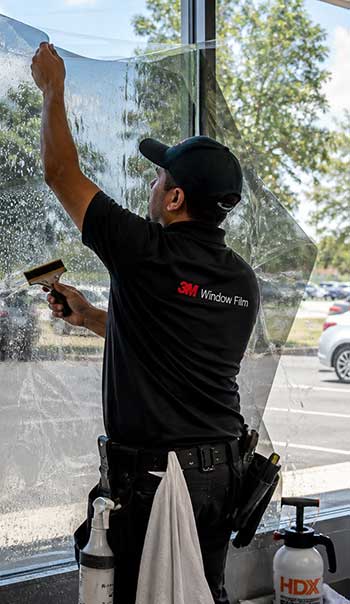
- Installation Quality Matters A Lot: Even the best 3M film can look bad if the installer rushes the job. Bubbles, dust, peeling edges, and uneven cuts are usually installation problems, not always product problems. I would always choose a skilled installer over the cheapest quote.
- It Will Not Solve Every Heat Problem: 3M window film can reduce heat and glare, but it will not turn a blazing room into an icebox. If your windows get brutal sun all day, you may still need curtains, blinds, better ventilation, or air conditioning support.
- The Look May Change More Than Expected: Some films darken the glass, add reflectivity, or slightly change the view. That can be great if you want style or privacy, but not ideal if you love a very clear, natural window look. Always check samples first.
- Not Every Film Fits Every Glass Type: Some windows need specific film choices to avoid glass stress or warranty issues. This is another reason I would not guess blindly. A good installer should help you choose safely.
Maintenance And Tips For 3M Window Film
- Let The Film Cure First : Give the film time to settle after installation. It may look slightly hazy or watery at first, but that usually clears as moisture evaporates.
- Use Gentle Cleaners: Clean the film with a soft microfiber cloth and mild, non-abrasive cleaner. Avoid ammonia-heavy sprays, rough pads, blades, or harsh chemicals.
- Be Careful Around The Edges: Do not pick, scrape, or press hard near the edges. Peeling often starts there, especially if the film is still new.
- Avoid Sharp Objects: Keep tools, pet claws, decorations, tape, and hard objects away from the film surface. Small scratches can make even premium film look tired.
- Follow Installer Instructions: Your installer should tell you when to clean the film or roll down tinted car windows. Follow that advice closely, because the first few days matter most.
Comparison of 3M Window Film With Other Brands
- 3M Compared With Gila
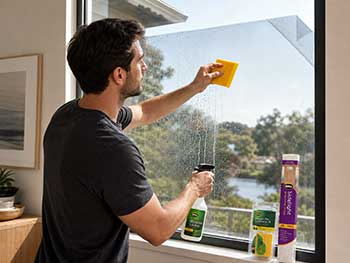
Gila is often seen as a more budget-friendly and DIY-friendly window film option.
You can commonly find Gila films for home use, and they may appeal to you if you want privacy, glare reduction, or basic heat control without paying for a premium professional installation.
Compared with 3M, Gila feels more accessible but less premium. 3M usually wins for long-term performance, cleaner professional results, wider product technology, and stronger installer-backed support.
Gila can make sense for small projects, rental-friendly upgrades, or budget-conscious buyers, but I would choose 3M for larger windows, cars, high-sun areas, or any project where durability and appearance really matter.
- 3M Compared With Llumar
Llumar is another heavyweight, especially in automotive and architectural films. It has a strong reputation for quality, clarity, durability, and installer availability. Compared with 3M, Llumar often competes very closely in real-world performance.
If you ask me, this matchup often comes down to local installer quality and product availability. In some areas, the best installer may carry Llumar.
In others, the strongest dealer may specialize in 3M. Since installation quality matters so much, I would not blindly choose 3M over Llumar or Llumar over 3M without checking who is doing the work.
3M may appeal more if you want a brand with broad recognition and a wide range of film types. Llumar may appeal if a trusted local shop has deep experience with it and offers a strong warranty. Either can be a smart choice.
- 3M Compared With Huper Optik
Huper Optik is often associated with premium ceramic films and a more specialized feel. It has a reputation among people who want high heat rejection, quality appearance, and advanced film technology. Compared with 3M, Huper Optik can feel more boutique.
3M feels more accessible and widely recognized. Huper Optik may feel more appealing to buyers who enjoy researching product construction and want something less common. Both brands can perform well, but they do not always target the exact same buyer mindset.
I would consider Huper Optik if I had access to an excellent installer and wanted a premium ceramic solution. I would consider 3M if I wanted more product variety, easier brand recognition, and a broader support network.
- 3M Compared With Solar Gard
Solar Gard is often a practical competitor, especially for residential and commercial applications. It offers films focused on solar control, privacy, comfort, and energy management. Compared with 3M, Solar Gard may sometimes feel more budget-flexible depending on the dealer and product line.
3M has the brand power advantage. Many homeowners and drivers recognize the name immediately. Solar Gard may require a little more explanation, but that does not mean it is weak. In the right application, it can be a very sensible alternative.
If the price difference is large, I would compare performance specs, warranty coverage, appearance, and installer reputation. Sometimes paying more for 3M makes sense. Sometimes a competing film gives you similar comfort for less money.
The glass does not care about brand loyalty. It cares about performance and proper installation.
Who Should Buy 3M Window Film?
You should consider 3M window film if you want a proven brand, multiple film options, strong heat and glare control, UV protection, and a polished finished look. It is especially appealing if you plan to keep your home, office, or vehicle for a while and want something that feels durable rather than disposable.
It is also a good fit if you care about appearance. Some cheaper films can look harsh, overly reflective, or uneven. 3M gives you more refined choices, especially if you want comfort without dramatically changing the look of the glass.
I would be more cautious if your budget is extremely tight, if you only need a temporary solution, or if you cannot find a trustworthy installer nearby. In those cases, the 3M name alone will not save the project.
Also Read: Are Viwinco Windows Worth The Investment?
Frequently Asked Questions (FAQ)
Xpel may be better for some automotive-focused buyers, while 3M is a stronger all-around choice with broad film options. The installer and exact film series matter most.
There is no single best film for everyone. 3M Crystalline, 3M Prestige, Xpel Prime, Llumar FormulaOne, and Huper Optik options are often considered premium choices.
The main cons are cost, installer dependency, possible appearance changes, curing time, and the risk of choosing the wrong film for your glass or goals.
3M Prestige is often chosen for architectural glass with a natural look, while ceramic films are commonly valued for infrared heat rejection and non-metal construction.
Final Verdict: Is 3M Window Film Worth It?
Yes, I think 3M window film is worth buying if you choose the right series and use a skilled installer. Buy it from an authorized 3M dealer, certified installer, or reputable tint shop so you get proper guidance and warranty support.
It is not the cheapest route, but it is a smart one if you want comfort, UV protection, glare control, and a clean finish that does not look like a rushed weekend experiment.