
I recently needed new window treatments for my whole house and spent weeks researching options. I compared 3 Day Blinds and Blinds To Go head-to-head because both promise custom solutions with professional help.
My goal here is to share my honest experience and analysis so you can decide which one fits your home, budget, and style without wasting time or money.
Here is a quick side-by-side comparison:
| Aspect | 3 Day Blinds | Blinds To Go |
| Service Model | In-home consultation, full installation | Showroom visits or in-home, installation available |
| Product Focus | Custom blinds, shades, drapery, shutters | Custom blinds, shades, woven wood, drapery, panel tracks |
| Pricing Level | Premium (often $250–$600+ per window) | Generally more affordable |
| Turnaround Time | Historically fast, now varies | Custom production, delivery can take weeks |
| Geographic Reach | Limited to about 24 states | Wider availability with many showrooms |
| Warranty | Limited lifetime on many products | Varies by product, often solid |
| Best For | Hands-off homeowners wanting premium design help | Value-conscious shoppers who like options and showrooms |
I approached this like any busy homeowner would—measuring windows myself first, then booking appointments. Both companies offer custom fits, but they feel different in practice. Let me walk you through what I found.
Key Differences Between 3 Day Blinds And Blinds To Go
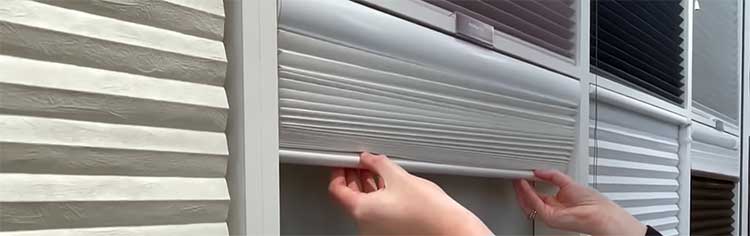
- Buying Experience: With 3 Day Blinds I scheduled a free in-home visit where a designer brought samples and walked room by room. It felt personal and low-pressure at first, though some people mention sales tactics can push for quick decisions. Blinds To Go gives you the choice of visiting a showroom to touch fabrics and see displays or booking an in-home consult. I liked having that flexibility.
- Customization Depth: Both do made-to-order, but 3 Day Blinds emphasizes their in-house manufacturing roots and proprietary designs. Blinds To Go offers a huge variety including natural woven wood shades and unique cascade styles that blend sheer and blind functions.
- Speed and Convenience: The name 3 Day Blinds comes from their original quick production promise. Today production takes longer, but they still aim for efficient timelines. Blinds To Go focuses on accuracy over speed, which sometimes means waiting but reduces errors.
- Installation Process: Both provide professional installers. I found 3 Day Blinds crews thorough but their fees added up noticeably. Blinds To Go installers were efficient in the reviews I read, and some locations bundle services better.
- Material Selection: 3 Day Blinds shines with durable faux wood, real wood options, and motorized upgrades. Blinds To Go stands out with textured woven woods, solar shades for energy savings, and more fabric choices for drapery.
- Pricing Transparency: Neither posts exact prices online since everything is custom, but quotes revealed clear patterns. 3 Day Blinds consistently landed higher, especially with add-ons like shipping or premium mechanisms.
Key Features of 3 Day Blinds
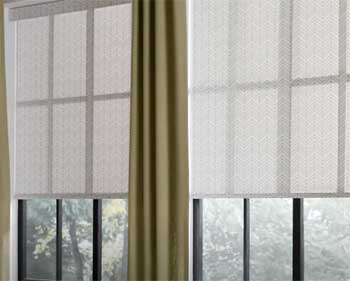
- In-home design consultations that bring hundreds of samples directly to your living room so you see how colors look with your actual lighting and furniture.
- Wide range of motorized options that integrate with smart home systems for voice or app control—great when I imagined raising shades without getting out of bed.
- Strong focus on light control and privacy with blackout shades and precise tilt mechanisms that let you adjust slats perfectly.
- Durable materials built to handle daily use, including child-safe cordless designs that gave me peace of mind with kids around.
- Professional measuring and installation included in most packages, which saved me from worrying about crooked hangs or wrong sizes.
- Limited lifetime warranty on many core products, covering defects in materials and workmanship over the long haul.
- Energy-efficient selections that help block heat in summer or retain warmth in winter, potentially lowering utility bills.
- Stylish drapery pairings that coordinate blinds with curtains for a fully designed window look.
- Quick response design team that can tweak orders if you change your mind early in the process.
- In-house production roots mean they control quality from start to finish rather than reselling third-party brands.
I appreciated how their consultants talked through room-specific needs—like recommending lighter-filtering shades for a home office versus full blackout for bedrooms.
Pros of 3 Day Blinds
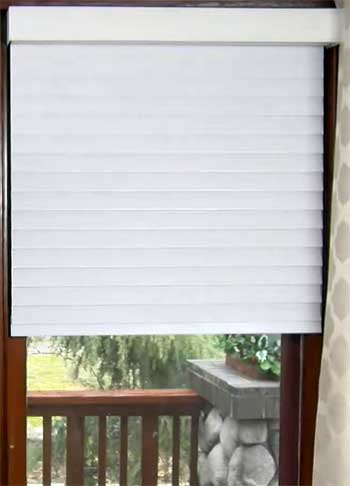
- The convenience of one-stop service from consultation through installation feels luxurious when you are remodeling or simply hate DIY projects, letting you sit back while experts handle every detail from accurate measuring to final placement.
- High-quality construction that looks and feels premium right out of the box, with smooth operation even on large windows, so the blinds glide effortlessly for years without sticking or sagging.
- Excellent light and privacy control that actually performs as promised, something I tested by checking glare reduction in different times of day, giving true blackout in bedrooms and perfect diffused light in living areas.
- Motorization options add modern convenience and increase home value for tech-savvy buyers, allowing integration with smart assistants so you can adjust shades from your phone or by voice command during movie nights or mornings.
- Strong brand history since 1978 gives confidence they know window treatments inside out, backed by decades of refining their processes and materials.
- Coordinated collections let you match blinds across multiple rooms for a designer-finished appearance, creating a seamless look that ties your entire home décor together beautifully.
- Child and pet safety features like cordless mechanisms reduce worry in family homes, eliminating dangling cords that could pose risks and making daily use safer and simpler.
- Good energy performance that helps with temperature regulation, which I noticed immediately after installation in sunny rooms, keeping spaces cooler in summer and warmer in winter for noticeable savings on heating and cooling.
- Professional installers who clean up after themselves and explain maintenance tips on the spot, ensuring the job looks perfect and teaching you exactly how to keep everything working smoothly over time.
- Ability to handle complex windows like arches or skylights with custom solutions, providing tailored fits where standard options would leave gaps or look awkward.
Also Read: Differences Between Blinds To Go And Hunter Douglas.
Cons of 3 Day Blinds
- Higher overall cost compared to many competitors, especially once installation and any extras get added to the quote, which can make a full-house project stretch your budget more than expected.
- Some experiences mention pushy sales techniques during the in-home visit that made me feel rushed to decide, turning what should be an exciting process into something that feels a bit high-pressure at times.
- Production and delivery times can stretch beyond the “3 days” name, leading to frustration if you need things fast, especially when life gets busy and you want quick updates to your space.
- Geographic limitations mean not everyone can access their services depending on where you live, potentially leaving you out if you are in a smaller market or certain regions.
- Installation fees stack up quickly on larger projects, turning a reasonable per-window price into a bigger total that adds hundreds or even thousands depending on the number of windows.
- Mixed customer service stories after the sale, with some delays in resolving issues like minor fit problems, which can be annoying when you just want everything perfect.
- Premium pricing sometimes feels steep when similar-looking products appear at lower prices elsewhere, making you question if the extra dollars truly deliver proportional value.
- Less transparency on exact pricing until after the consult, which makes budgeting tricky beforehand and requires multiple conversations before you get solid numbers.
- Occasional reports of color variations between ordered samples and final product, though rare, which can be disappointing if the shade ends up slightly off from what you pictured.
- Higher cost for motorized upgrades that can double the price on certain windows, limiting how many smart features you can realistically add without significantly increasing the total investment.
Key Features of Blinds To Go
- Extensive showroom network where you can physically touch and tilt every sample before committing, helping you make confident choices based on real feel and appearance in different lighting.
- Diverse material lineup including natural woven wood shades that bring organic texture and warmth to modern or traditional spaces, adding depth and character that synthetic options sometimes lack.
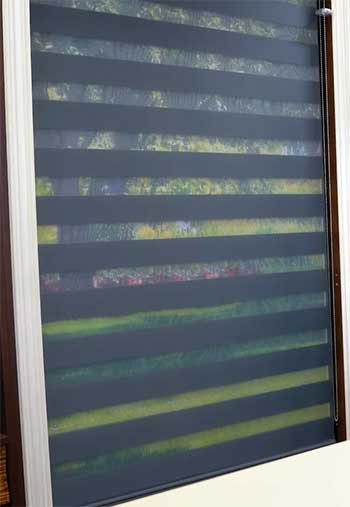
- Cascade and zebra-style shades that combine sheer and solid panels for adjustable light without traditional slats, offering versatile control that shifts from bright and open to cozy and private with one simple pull.
- Broad drapery and panel track selections that work well for sliding doors or wide openings, providing elegant solutions for larger architectural features.
- Custom solar shades designed to reduce glare and heat while still letting in views, perfect for home offices or rooms with lots of sun exposure.
- Cordless and child-safe options across most product lines for safer homes, keeping things tidy and secure without worrying about cords around little ones or pets.
- Flexible ordering—start online, visit a store, or book in-home for whichever suits your schedule, giving you control over how involved you want to be.
- Energy-conscious choices like cellular shades that trap air for better insulation, contributing to a more comfortable indoor environment year-round.
- Variety of wood and faux wood blinds with realistic finishes that resist warping in humid areas, ensuring they hold up well in bathrooms, kitchens, or coastal homes.
- In-house customization that allows precise matching to your exact window dimensions and décor, minimizing light leaks and creating a clean, tailored look.
Walking through their displays helped me visualize how different textures would look against my walls.
Also Read: Differences Between Veneta And LEVOLOR Blinds.
Pros of Blinds To Go
- More budget-friendly pricing that left room in my project budget for other home upgrades, making it easier to refresh multiple rooms without feeling financially strained.
- Huge selection of styles and materials, including unique natural options not always available elsewhere, so you can find something that truly matches your personal taste and home vibe.
- Showroom experience lets you test operation and see real light filtering before buying, reducing the chance of regrets once everything is installed in your actual space.
- Good balance of quality and value—products feel solid without the top-tier markup, delivering reliable performance that holds up to daily use without premium-level costs.
- Helpful staff in many locations who focus on education rather than high-pressure sales, answering questions patiently and helping you understand what will work best for your windows.
- Wide range of light-control solutions from room-darkening to soft diffusion, letting you fine-tune the mood and brightness in every room exactly how you like it.
- Attractive woven wood and bamboo-inspired shades that add character and feel eco-friendlier, bringing natural elements indoors while still providing practical privacy and light management.
- Often faster decision-making process when you can compare everything in one visit, saving you time and multiple appointments compared to waiting for in-home schedules.
- Reliable custom fitting that minimizes gaps and light leaks around edges, resulting in a neat, professional appearance that looks intentional and well-finished.
- Positive feedback on durability in everyday use, especially in high-traffic family rooms, where the blinds continue to operate smoothly even after months of constant opening and closing.
Cons of Blinds To Go
- Delivery times sometimes run longer than expected, with occasional delays in production or shipping, which can test your patience if you are eager to complete your room makeover.
- Installation quality can vary by location, though most reviews stay positive, meaning you might encounter small differences in how neatly everything is mounted depending on the team assigned.
- Fewer motorized options compared to premium specialists, limiting smart-home integration if you want full voice or app control across all your windows.
- Showroom-only focus in some areas requires travel if you prefer in-home service, adding a bit of inconvenience for those who value doorstep convenience.
- Mixed experiences with order accuracy, though many customers report smooth processes, so double-checking measurements and details becomes extra important.
- Less emphasis on ultra-premium luxury finishes that some high-end homes might want, potentially falling short if you are seeking the absolute top-tier aesthetic details.
- Potential for longer wait if you choose complex custom fabrics or special mechanisms, extending the timeline beyond what you might hope for.
- Customer service after purchase receives average marks in some online feedback, with responses that can feel slower during busy periods or for minor adjustments.
- Not as strong on nationwide in-home design if you live outside core markets, restricting options for fully hands-off experiences in certain regions.
- Basic warranties that may not feel as comprehensive as lifetime coverage on certain parts, leaving you to wonder about long-term support for specific components.
My Personal Take As A Homeowner
After getting quotes from both, I noticed 3 Day Blinds quoted about 20-30% higher for similar window coverage in my living room and bedrooms. Their designer spent nearly two hours walking me through options and even suggested energy-saving choices I hadn’t considered.
The final products looked polished and operated smoothly, but I kept thinking about the extra cost.
Blinds To Go felt more approachable. I visited a local showroom, spent time testing different shades, and left with a clearer sense of value. Their woven wood options added nice texture that made my space feel warmer without breaking the bank. Installation went fine, though I had to wait a bit longer for delivery.
If you want someone to handle everything and don’t mind paying more for convenience and premium touches, 3 Day Blinds delivers a full-service experience.
If you enjoy being involved, want to see and touch materials first, and prefer keeping costs reasonable, Blinds To Go offers strong alternatives with plenty of style choices.
Both companies produce custom window treatments that outperform cheap big-box options in fit and longevity. The real question comes down to your priorities—luxury service and brand reputation versus selection and price.
Also Read: Differences Between Zebra Blinds And Cellular Shades.
Frequently Asked Questions (FAQ)
Expect $250 to $600 per window on average, with full-home projects often landing between $1,500 and $5,000 depending on sizes, materials, and installation. Motorized or premium choices push costs higher.
No, they operate as separate businesses with different approaches, even though both specialize in custom window treatments.
Budget Blinds generally comes in lower than 3 Day Blinds, often by around 20% based on typical quote comparisons for similar products.
They earn solid marks for product quality, durability, and professional installation when everything goes smoothly, though some customers note higher prices and occasional service hiccups after the sale.
Final Thoughts
In the end, I learned that choosing between these two comes down to what you value most in the process. If convenience and polished results matter more than saving every dollar, lean toward 3 Day Blinds.
If you want good quality at a friendlier price with hands-on selection, Blinds To Go might suit you better. Whichever path you take, measure carefully, ask lots of questions during your consult, and request detailed quotes that spell out every fee.
Your windows will thank you with better light control, privacy, and style for years ahead. Take your time—you deserve window treatments that actually improve daily life in your home.