
I have spent months swapping out regular soda for these two options, hunting for something that satisfies my cravings without the guilt or crashes.
In this article, I share my real experiences with Zevia and Olipop, breaking down how they stack up on taste, ingredients, health impact, and everyday use so you can decide what fits your routine best.
| Aspect | Zevia | Olipop |
| Calories per can | 0 | 35-45 |
| Sugar | 0g | 4-5g |
| Fiber | 0g | Up to 9g prebiotic fiber |
| Sweetener | Stevia leaf extract | Stevia + small amount of natural sugars |
| Main Benefits | Zero everything, classic soda feel | Gut support from fiber blend |
| Price (approx) | More affordable | Higher |
| Best For | Strict calorie counters, classic taste fans | Those seeking added fiber and uniqueness |
Key Differences Between Zevia and Olipop
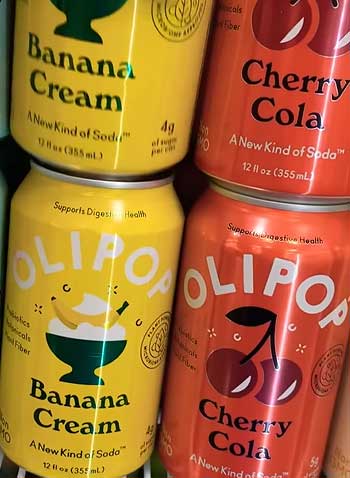
- Sweetness and Taste Experience: Zevia goes all in on clean, zero-sugar stevia for a direct classic soda mimic, delivering predictable familiarity that feels comforting and nostalgic on every occasion, while Olipop blends stevia with small sugars and fibers for a more nuanced, sometimes fruitier sip that surprises with layers and depth, appealing to those seeking novelty and complexity in their refreshment. I find Zevia more reliable for quick cravings, Olipop more rewarding when I want to linger over the drink.
- Calorie and Sugar Approach: Zevia wins hands down for absolute zero, perfect when I track tightly and want complete freedom throughout the day without mental math, allowing unrestricted enjoyment during social events or long work stretches. Olipop accepts a few calories and grams of sugar to deliver its fiber payload, creating a trade-off that feels worthwhile for added function but demands awareness to prevent accumulation over multiple servings.
- Gut Health Focus: Olipop pushes prebiotics hard with its blend, aiming to feed good bacteria and potentially supporting regularity and comfort when paired with fiber-rich foods, making it a proactive choice on lower-veggie days. Zevia stays neutral—no help, no harm in that department—focusing purely on removal of negatives rather than addition of positives, which suits minimalists or those already meeting fiber needs elsewhere.
- Ingredient Simplicity vs Functionality: Zevia keeps it ultra-minimal with a short, transparent list that prioritizes purity and ease of understanding, ideal for label readers who prefer straightforward choices. Olipop layers in roots, fibers, and extracts for added purpose, resulting in a more complex formulation that targets specific wellness angles but requires more scrutiny for those sensitive to varied botanicals.
- Price and Accessibility: Zevia feels more everyday affordable and widely stocked, enabling consistent integration into weekly shopping without premium markups or hunting. Olipop commands a premium for its claims and specialized ingredients, positioning it as an occasional upgrade rather than staple, which influences how frequently I rotate it in.
- Aftertaste and Mouthfeel: Both use stevia, but Olipop’s fiber gives a different texture that some love for its substantial quality and others find unusual or heavy, while Zevia maintains a lighter, cleaner finish that closely resembles traditional light sodas with quicker dissipation of any sweetness notes.
- Caffeine Options: Zevia offers clear caffeinated choices that provide natural energy boosts integrated seamlessly into the soda experience. Olipop focuses more on the herbal side, avoiding stimulants to emphasize relaxation and digestive support instead.
- Long-Term Use: I rotate Zevia for volume drinking during high-activity periods where calorie neutrality matters most, and Olipop for occasional functional boosts when focusing on wellness routines or recovery days.
- Appeal to Different Goals: Strict weight management leans Zevia for its uncompromising zero profile that supports deficit or maintenance phases effortlessly. Fiber seekers lean Olipop for its contribution to daily totals and potential microbiome perks that complement broader dietary efforts.
- Overall Satisfaction: Depends on the day—Zevia for nostalgia and simplicity that reliably satisfies classic cravings, Olipop for innovation and added layers that make healthier drinking feel more purposeful and exciting over extended periods.
Also Read: Differences Between Bloom And Alani Energy Drink.
Key Features of Zevia That Stand Out to Me
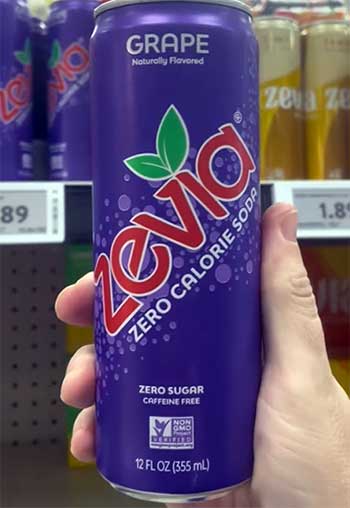
- Zero calories and zero sugar across the entire lineup, making it easy to fit into any eating style without tracking. This complete absence of calories means I can enjoy multiple cans throughout the day during busy periods or while watching sports without any impact on my daily intake goals, and it prevents the energy rollercoaster I experienced with sugary drinks in the past.
- Wide variety of flavors that echo the classics—cola, root beer, ginger ale, cream soda, and even some fruity ones. I particularly enjoy how the cola version captures that familiar caramel note, while the ginger ale offers a crisp, spicy kick that refreshes me on hot afternoons or settles my stomach after meals.
- Some varieties include natural caffeine from coffee beans for that extra pick-me-up. On mornings when I need focus without coffee jitters, these caffeinated options provide steady alertness that lasts for hours, fitting seamlessly into my work routine.
- Clean ingredient list that reads short and simple: basically water, stevia, and flavors. This minimalism gives me peace of mind, knowing exactly what I am putting into my body without hidden additives or preservatives that I often see in other beverages.
- Available in cans that feel familiar in my hand, and the fizz hits just right every time. The carbonation level matches what I remember from traditional sodas, creating that satisfying burst with every sip that makes the drinking experience enjoyable rather than flat or disappointing.
I appreciate how Zevia lets me enjoy a cold, bubbly drink without thinking twice about my numbers for the day.
When I am deep in a work session or unwinding after dinner, it scratches that itch perfectly.
Pros of Choosing Zevia
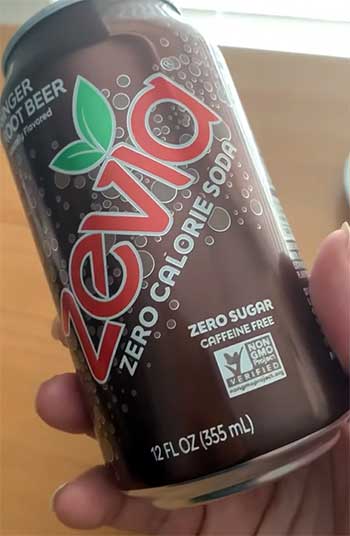
- Complete elimination of sugar means no blood sugar spikes or afternoon slumps for me. I noticed steadier energy levels throughout the day, improved concentration during long tasks, and fewer cravings for sweets later in the evening compared to when I drank regular options.
- Budget-friendly compared to many alternatives, so I can stock up without worry. Cases are reasonably priced, allowing me to keep my pantry full and experiment with different flavors without financial strain, which encourages consistent healthier choices over time.
- Tastes closest to regular soda among zero-sugar options, which keeps me from missing the real thing. Friends and family who tried it alongside me often commented that it satisfied their nostalgia for classic tastes without the heaviness afterward.
- No artificial colors or flavors, aligning with my preference for simpler ingredients. This purity extends to feeling lighter overall, with no lingering chemical aftertaste that I associated with older diet sodas.
- Versatile for mixing into mocktails or just sipping straight. I have created refreshing lemonades or blended it with fresh fruit for variety, making it a staple not just as a standalone drink but as a creative base for other beverages.
- Great portability—throw a few in my bag and I am set for the day. Whether heading to the gym, office, or weekend outings, the slim cans travel well and stay fizzy until opened.
- Consistent quality across batches, which builds trust over time. Every can delivers the same reliable flavor and carbonation, reducing disappointment and making it a dependable choice for daily routines.
- Options for caffeinated flavors help replace coffee or energy drinks naturally. This dual purpose simplifies my mornings and provides a gentler lift that avoids the harsh crash I used to get from other sources.
- Appeals to kids and adults alike in my household without the sugar concerns. It became a family-friendly option for gatherings, keeping everyone happy while supporting better habits for the younger ones.
- Long shelf life and easy to find in stores now. I never worry about it going bad quickly, and increased availability means I can grab it during regular grocery runs without special trips.
Cons of Zevia That I Have Noticed
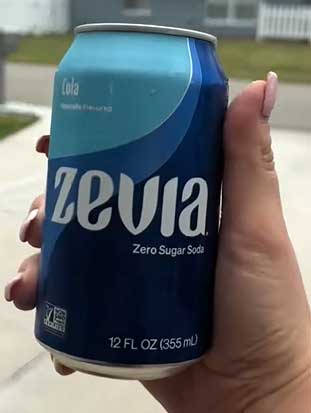
- The stevia aftertaste can linger for some people, especially in the beginning—it took me a week to adjust fully. During that initial period, certain flavors had a subtle bitterness that faded only after my taste buds adapted through repeated exposure.
- Lacks any nutritional upside beyond being zero calorie, so it does not add fiber or other goodies. On days when my meals are already low in plants, I sometimes wish it contributed more than just hydration and refreshment.
- Some flavors feel a bit lighter or watered down compared to full-sugar versions. While still enjoyable, the body of the drink is thinner, which might not fully replicate the thick mouthfeel of traditional colas for heavy soda fans.
- Potential for mild digestive sensitivity in folks new to stevia, though it never bothered me much. A few acquaintances mentioned temporary bloating when switching abruptly, highlighting the need for gradual introduction.
- Missing the functional angle that newer sodas promote, which might matter if gut health is your priority. It serves purely as a treat replacement rather than an active supporter of wellness beyond calorie control.
- Certain varieties have a slightly bitter edge that not everyone loves on first sip. This varies by flavor and personal sensitivity, requiring some trial and error to find personal favorites.
- Less exciting or unique flavor profiles than some competitors. While reliable, it does not offer as many bold or trendy combinations, which can feel limiting if you crave novelty.
- No probiotics or prebiotics, so it functions more as a treat than a health booster. For those expecting additional digestive perks, this absence stands out as a limitation.
- Can feel repetitive if you drink the same flavors often without variety. Rotating through the lineup helps, but the core stevia base creates a familiar profile that might not excite long-term daily users.
- Availability of specific limited editions can fluctuate, occasionally leaving me searching for a favorite that temporarily disappears from shelves.
Also Read: Is Hiyo Drink Actually Healthy?
Key Features of Olipop That Impressed Me
- High prebiotic fiber content from sources like cassava root, chicory inulin, and other botanicals in their proprietary mix. This blend provides a notable amount per serving that contributes meaningfully to daily fiber goals, especially helpful when my vegetable intake dips on busy days.
- Lower sugar than traditional soda but still present, giving a more rounded sweetness. The modest sugar from natural sources balances the stevia effectively, creating a smoother drinking experience that feels less artificial overall.
- Unique, adventurous flavors like vintage cola, strawberry vanilla, or root beer that feel crafted rather than copied. These options introduced me to taste combinations I had not encountered before, making each can an enjoyable discovery rather than routine.
- Focus on plant-based ingredients that go beyond basic carbonation. Ingredients like nopal cactus and marshmallow root add layers that align with my interest in functional beverages drawn from nature.
- Marketed toward digestive wellness, which resonated when I wanted something more than just zero calories. The emphasis encouraged me to think about how my drink choices affect my overall system, prompting better awareness.
- Fizzy and refreshing with a slightly thicker mouthfeel due to the fiber. This texture difference makes it satisfying in a distinct way, almost like a light tonic that lingers pleasantly on the palate.
Drinking Olipop feels like treating myself while doing a little something extra for my system. I reach for it on days when my meals lack enough veggies or fiber.
Pros of Olipop
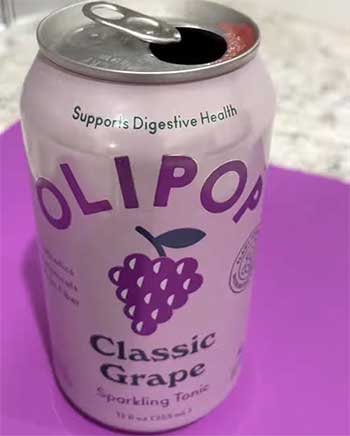
- Substantial fiber per can supports daily intake goals and may help with regularity over time. I experienced subtle improvements in digestion when incorporating it consistently alongside balanced meals, contributing to feeling lighter and more comfortable.
- Tasty, complex profiles that stand out and keep things interesting. The flavor depth prevented boredom during extended periods of healthier drinking, with each sip offering new notes to appreciate.
- Includes botanicals like nopal cactus or marshmallow root that add to the functional appeal. These elements provide an extra dimension that makes the drink feel thoughtfully formulated beyond basic sweetness and fizz.
- Lower calorie count than regular soda while delivering satisfaction. It bridges the gap for those transitioning from high-sugar drinks, offering indulgence with built-in portion control through satiety from fiber.
- Appeals to those who want a bit of natural sugar for better taste balance. This inclusion reduces the intensity of stevia for many, resulting in a more approachable profile right from the first try.
- Encourages mindful drinking because of the added benefits narrative. It prompted me to slow down and savor rather than chug, turning beverage time into a small moment of self-care.
- Good carbonation that holds up well. Bubbles remain lively even as the can warms slightly, maintaining refreshment through the entire serving.
- Variety keeps my cravings fresh without boredom. Seasonal or limited flavors add excitement, making it easy to look forward to my next can.
- Aligns with wellness trends focused on microbiome support. This positioning helped integrate it into my broader health efforts without feeling like a compromise.
- Fun to share with friends exploring healthier swaps. Group tastings became engaging conversations about preferences and experiences, building community around better choices.
Cons of Olipop
- Higher price point makes it less practical for everyday heavy use. The cost adds up quickly for frequent drinkers, limiting it to occasional treats in my budget rather than unlimited stocking.
- Sugar content, though low, adds up if you have multiple cans. Tracking becomes necessary for those monitoring closely, as two or three servings introduce noticeable grams that impact stricter plans.
- Fiber can cause bloating or gas for sensitive stomachs, especially at first. My body adjusted after a few days, but initial discomfort required careful pacing when first introducing it.
- Ongoing discussions and lawsuits question whether the fiber amount truly delivers meaningful gut benefits in one serving. This uncertainty makes me approach the claims with realism, focusing on total diet rather than relying solely on the soda.
- Stevia is still used, so aftertaste remains an issue for some. Combined with the fiber, it creates a unique profile that not everyone adapts to quickly or fully enjoys.
- Not zero calorie, which matters for strict trackers. The modest calories require consideration in daily totals, unlike completely neutral options.
- Flavors can taste more “herbal” or botanical than classic soda. This departure from familiar profiles might disappoint purists seeking exact replicas of childhood favorites.
- Availability and stock can vary by location. Popular flavors sell out faster, requiring planning or online orders that add inconvenience.
- Potential for digestive adjustment period. While beneficial long-term, the transition phase involves listening closely to your body to avoid overdoing it.
- Less ideal for very low-carb lifestyles due to the carbs from fiber and sugar. This restricts its use for certain dietary approaches where every gram counts.
Which One Should You Pick?
If you want pure simplicity and zero impact on calories, I recommend starting with Zevia. You will get reliable satisfaction without complications.
If you seek something with a bit more purpose and do not mind the extra cost or minor sugar, Olipop offers an interesting twist worth trying. Many people, including me, mix both depending on the occasion.
Also Read: Differences Between Celsius And C4 Energy Drinks.
Frequently Asked Questions (FAQ)
Yes, it is a much healthier swap than sugary soda due to zero calories and sugar, though it provides no extra nutrients.
It centers on whether the prebiotic fiber amount delivers the advertised digestive benefits, with claims that it may not be enough per serving and sugar could offset gains.
In my view, Zevia edges out for strict zero everything, but the healthiest choice depends on your goals—fiber fans might prefer Olipop in moderation.
Zevia usually wins for calorie and sugar control, while Poppi offers prebiotics similar to Olipop but with its own considerations around fiber efficacy.
Wrapping It Up
After all my testing and analysis, I see Zevia and Olipop as solid steps away from traditional soda. You get to enjoy fizzy refreshment with fewer downsides. I suggest experimenting with both to see what clicks for your lifestyle.
You might find yourself reaching for Zevia most days and saving Olipop for when you want that extra boost. Whatever you choose, paying attention to how your body responds will guide you best.
Give them a fair shot—you could end up with new favorites that make healthier choices feel easy and fun.