
I have spent hours comparing appliances for my own kitchen upgrades and helping friends pick the right ones, so I know how confusing it gets when you stand between two solid brands like Whirlpool and Samsung.
In this article, I walk you through everything I have learned from real-world use, owner feedback, and detailed feature breakdowns to help you decide which dishwasher fits your home, habits, and budget better.
You will see clear differences in cleaning power, reliability, smart features, and everyday convenience so you can feel confident about your purchase.
| Feature | Whirlpool | Samsung |
| Price Range | More affordable ($500–$1,100) | Slightly higher ($700–$1,400) |
| Cleaning Performance | Strong on everyday loads, good sensors | Excellent with targeted jets, StormWash |
| Noise Level | 41–50 dBA typical | Often 38–44 dBA, very quiet |
| Drying Performance | Solid heated dry, some plastic issues | Good with Auto Open Door on premium models |
| Smart Features | Basic Wi-Fi on select models | Advanced SmartThings integration |
| Reliability Reputation | Generally strong, fewer complaints | Innovative but mixed long-term reports |
| Rack Flexibility | Adjustable, third rack on many | Highly flexible with foldable tines |
| Energy Efficiency | Excellent, Energy Star models | Top-tier in many newer units |
| Best For | Value, simplicity, families | Tech lovers, modern kitchens |
Key Differences Between Whirlpool And Samsung Dishwashers
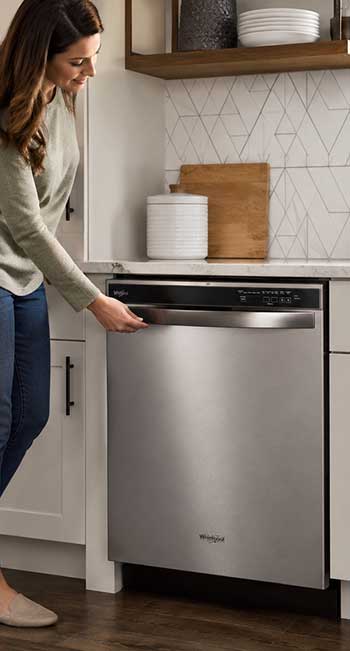
- Design and Build Quality: I notice Whirlpool models feel more straightforward and built for daily heavy use with durable tubs and simple controls that do not overwhelm you. Samsung goes for sleeker, fingerprint-resistant finishes and modern touches like handleless Bespoke designs that blend into contemporary kitchens.
- Cleaning Technology: Whirlpool uses powerful spray arms and soil sensors that adjust cycles automatically, handling caked-on messes well without much pre-rinsing. Samsung shines with innovations like WaterWall or Linear Wash systems and Zone Booster that target specific areas for pots and pans, often leaving dishes sparkling even on tough loads.
- Noise Levels: Both stay relatively quiet, but Samsung frequently edges out with lower decibel ratings, making it ideal if your kitchen opens to living spaces where you watch TV or chat while it runs.
- Drying Results: Whirlpool offers reliable heated dry cycles that work decently on most items. Samsung premium models with auto-open doors help steam escape for better drying, especially on plastics, though results vary by model.
- Smart Capabilities: Samsung takes the lead here with full app control through SmartThings, notifications, and voice assistant compatibility. Whirlpool provides basic smart features on higher-end units but focuses more on core performance.
- Capacity and Racks: Both accommodate large loads with third racks, but Samsung racks often feel more adjustable with better tines for awkward items, while Whirlpool prioritizes sturdy, easy-to-load setups.
- Cycle Options and Speed: Whirlpool includes practical quick cycles around one hour for lightly soiled loads. Samsung offers more specialized cycles and sometimes faster smart-optimized runs.
- Energy and Water Use: Both brands perform well on efficiency, but specific Samsung models earn top Energy Star ratings that can save you more on utilities over time.
- Warranty and Service: Whirlpool generally has widespread service networks and straightforward warranties. Samsung coverage is decent but some owners report longer wait times for parts.
Key Features of Whirlpool Dishwashers
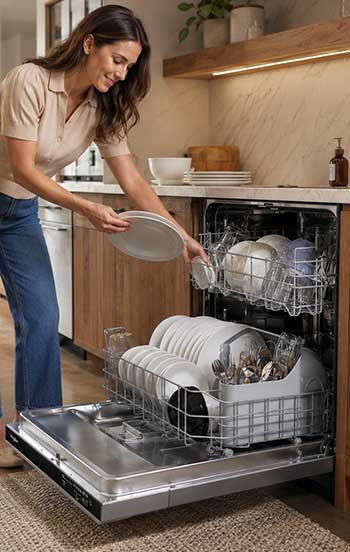
- Soil Sensor Technology: Automatically detects how dirty the load is and adjusts water, time, and energy – I love this because it prevents wasteful full-power cycles on light loads and ensures thorough cleaning when you have roasted pans or greasy plates from family dinners.
- Third Rack for Utensils: Many models include a dedicated top rack that frees up space below for bigger plates and pots, making loading faster for families and reducing the need to hand-wash oversized items.
- Fingerprint-Resistant Stainless Steel: Keeps your dishwasher looking clean even with kids around; I find this finish holds up better against smudges than standard ones and maintains a polished appearance for years.
- Boost Cycle or Heavy Wash: Tackles baked-on food without you scrubbing beforehand – great for casserole dishes and roasting pans, cutting down on pre-wash time significantly during busy weeknights.
- Quiet Operation: Newer models hover around 47-50 dBA, quiet enough for nighttime runs without disturbance so you can run it after everyone goes to bed.
- NSF Certified Sanitize Option: Raises water temperature to kill bacteria, which gives peace of mind for baby bottles or cutting boards and helps with hygiene in households with young children or immune concerns.
- Adjustable Racks and Tines: Flexible loading that adapts to your specific dishes week after week, with movable parts that let you customize space for tall wine glasses one day and bulky cookware the next.
- 1-Hour Wash Cycle: Perfect when you need clean plates quickly before guests arrive, delivering solid results on everyday soil without waiting around.
- Triple Filtration System: Keeps water cleaner throughout the cycle and reduces redeposits on glasses, so your clear items come out truly spotless rather than with that annoying film.
- Energy Star Certification: Helps lower your monthly bills while performing strongly, balancing performance with responsible resource use that adds up to noticeable savings over time.
- Delay Start Option: Lets you schedule runs during off-peak energy hours or right before you wake up, adding practical convenience to your routine.
- Heated Dry with Fan Assist: Improves drying on most loads by combining heat and air movement for better moisture removal on everyday dinnerware.
I appreciate how Whirlpool keeps things user-friendly. You do not need an engineering degree to operate these machines – just load, select a cycle, and go.
Pros of Whirlpool Dishwashers
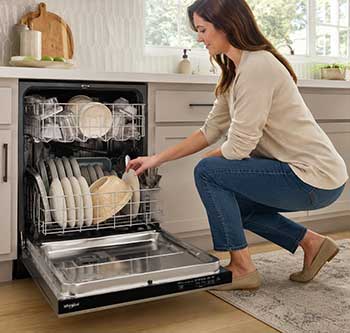
- Excellent Value for Money: You get reliable performance without paying premium prices, leaving budget for other kitchen upgrades or simply keeping more money in your pocket each month.
- Strong Everyday Reliability: Many owners report years of consistent use with minimal repairs, especially on mid-range models that handle heavy family traffic without drama.
- Simple and Intuitive Controls: No complicated apps required for basic use, which suits anyone who wants set-it-and-forget-it convenience without learning new technology.
- Effective Cleaning on Tough Messes: Presoak and heavy cycles handle real-life family meals well, tackling dried sauces, cheese, and starches that often challenge lesser machines.
- Wide Service Availability: Parts and technicians are easier to find across the country, so repairs happen faster and with less hassle if something ever goes wrong.
- Durable Build for Busy Homes: Designed to withstand frequent use without fancy extras that might fail, giving you confidence during daily breakfast rushes and big holiday cooking sessions.
- Good Drying on Most Items: Heated dry works reliably on glass and ceramic, delivering ready-to-use dishes straight from the rack in most cases.
- Quiet Enough for Most Households: Does not interrupt conversations or sleep, allowing normal kitchen and living area activities to continue smoothly.
- Flexible Capacity Options: Fits large loads while offering customization that works for couples one week and extended family gatherings the next.
- Lower Long-Term Maintenance Costs: Fewer electronic components mean potentially fewer expensive repairs down the line, protecting your investment over five to ten years.
- Consistent Performance Across Models: Even entry-level options deliver solid results, so you do not feel forced into buying the most expensive version.
Cons of Whirlpool Dishwashers
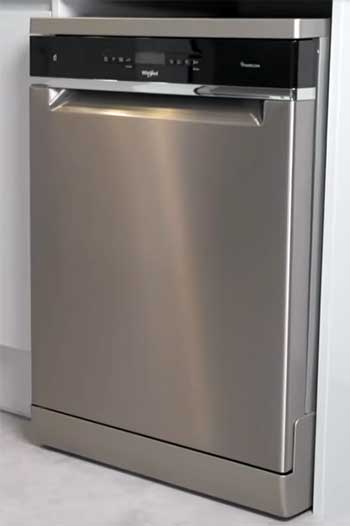
- Fewer Smart Features: Limited remote control compared to competitors, so you cannot easily start or check status from your phone while away from home.
- Drying Can Struggle with Plastics: Some items come out damp, requiring towel drying that adds a small extra step at the end of the cycle.
- Basic Design Aesthetics: Solid but not as sleek or modern as premium Samsung options, which might feel less exciting in a newly renovated kitchen.
- Longer Cycle Times on Deep Clean: Heavy loads can take 2+ hours, meaning you sometimes wait longer for those heavily soiled pots and pans.
- Less Targeted Cleaning Power: Does not have the zone-specific boosters that Samsung offers, so very stuck-on spots may need occasional extra attention.
- Occasional Rack Durability Issues: Cheaper models may have thinner tines that bend over time with aggressive loading or heavy cookware.
- Limited Color/Finish Options: Mostly stainless with fewer bold choices, restricting matching options in distinctive kitchen designs.
- Noise on Budget Models: Entry-level ones can be louder than advertised, noticeable in small apartments or quiet homes.
- No Auto Door Open: Relies on heated dry, which uses more energy than passive drying systems on some competing models.
- Slower Innovation Pace: Features feel more proven than cutting-edge, so you miss out on the latest tech advancements that appear first in other brands.
Key Features of Samsung Dishwashers
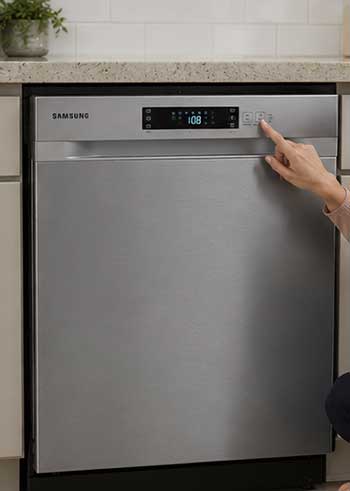
- StormWash or WaterWall Technology: Powerful directed sprays that blast away stuck-on food from multiple angles, reaching corners and surfaces that standard arms sometimes miss.
- Auto Open Door Drying: Premium models pop the door open at the end of the cycle to let moisture escape naturally, resulting in drier dishes with less energy consumption.
- SmartThings App Integration: Start, monitor, and get notifications from your phone – handy when you are out running errands or want to time the finish with your arrival home.
- Linear Wash System: Sliding spray arm covers more area for thorough cleaning, ensuring even coverage across the entire tub during each cycle.
- Zone Booster: Extra power in specific rack areas for pots, pans, or delicate items, letting you customize intensity without running a full heavy cycle every time.
- Quiet Operation: Many models run below 40 dBA, among the quietest available and perfect for open floor plans where the kitchen flows into living or dining areas.
- Adjustable Upper Rack: Slides up or down easily to fit tall glasses or large platters, adapting quickly to whatever you cooked that day.
- Fingerprint Resistant Finishes: Modern looks that stay clean-looking even with frequent touches, maintaining a high-end appearance longer.
- Multiple Specialized Cycles: From quick rinses to intensive sanitizing, giving you precise control for different load types throughout the week.
- Energy-Efficient Sensors: Optimize every cycle for lower water and power use, adjusting automatically based on load size and soil level for maximum savings.
- LED Lighting Inside: Illuminates the interior so you can easily check for missed spots or properly arrange items before starting.
- Removable Cutlery Tray: Enhances flexibility and makes unloading utensils simpler and faster.
Samsung feels innovative and exciting to use, especially if you enjoy tech that simplifies routines and adds a premium touch to daily chores.
Also Read: Differences Between Cove And Bosch Dishwashers.
Pros of Samsung Dishwashers
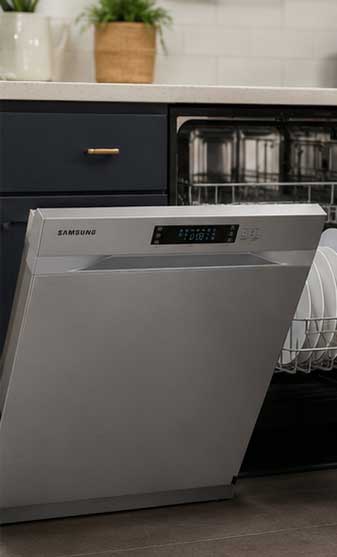
- Superior Cleaning Innovation: Targeted jets and advanced spray systems tackle tough messes effectively, often requiring less pre-rinsing than traditional designs.
- Exceptional Quiet Performance: Ideal for open-concept homes where noise matters, letting you run loads during movies, calls, or quiet evenings.
- Excellent Smart Connectivity: Control from anywhere and integrate with your smart home, turning dishwashing into a more seamless part of your connected lifestyle.
- Sleek Modern Design: Looks premium and fits stylish kitchens beautifully, elevating the overall appearance of your space.
- Strong Drying on Select Models: Auto-open feature improves results significantly, especially helpful for mixed loads including plastics and containers.
- High Capacity with Flexible Loading: Handles large family loads and awkward items well, reducing the number of cycles you run per week.
- Energy Savings Potential: Top efficiency ratings reduce long-term costs, making the higher price more justifiable over several years of ownership.
- Fast Cycle Options: Some models clean quicker without sacrificing performance, great for busy households needing quick turnarounds.
- Premium Feel and Features: Makes dishwashing feel less like a chore and more like using a sophisticated appliance.
- Good for Tech-Savvy Users: Notifications and remote start add real convenience, especially for parents or professionals constantly on the move.
- Advanced Hygiene Options: Specialized sanitize settings and better filtration help maintain cleaner results over repeated uses.
Cons of Samsung Dishwashers
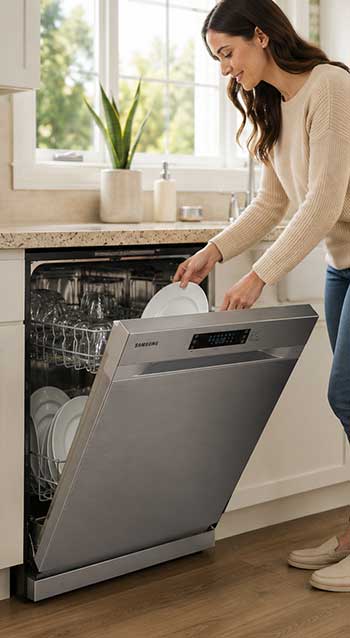
- Mixed Reliability Reports: Some owners experience issues with control boards, pumps, or parts over time, leading to unexpected service calls.
- Higher Price Point: You pay more for the features and design, which can stretch budgets that prefer staying under a certain amount.
- Service and Parts Availability: Can take longer compared to Whirlpool in some areas, causing inconvenience during breakdowns.
- Plastic Drying Challenges: Still common in some loads, though auto-open helps reduce the frequency of manual drying.
- Complex Interfaces: More options and apps might overwhelm non-tech users who prefer straightforward buttons and dials.
- Potential Repair Costs: When issues arise, fixes can be pricier due to specialized components and newer technology.
- Less Widespread Brand Service Network: Compared to Whirlpool’s established presence, finding local experts sometimes requires more effort.
- Occasional Loading Quirks: Racks may require careful arrangement to avoid interference between spray arms and dishes.
- Shorter Proven Longevity for Some: Newer tech sometimes leads to earlier repairs compared to more traditional mechanical designs.
- Higher Upfront Investment: May not suit tight budgets or those replacing an old unit on short notice.
Which One Performs Better in Real Life?
From what I have seen, Whirlpool wins for straightforward reliability and value if you want a dishwasher that works hard without fuss. Samsung impresses with technology and quiet operation if you value smart features and modern style.
Your choice depends on priorities: budget and dependability point toward Whirlpool, while innovation and aesthetics lean Samsung. I recommend testing both in stores by opening doors and racks to feel the difference yourself.
Also Read: Differences Between KitchenAid 404 And 604 Dishwashers.
Frequently Asked Questions (FAQ)
It depends on your needs. Samsung offers more advanced features and quieter operation, while Whirlpool often provides better value and simpler reliability for everyday use.
Whirlpool generally earns stronger marks for long-term dependability and easier service in many owner reports, though individual models vary.
Whirlpool edges out for most families seeking affordability and proven performance. Samsung suits those wanting smart tech and premium design if they accept possible higher maintenance.
Avoid brands with consistently poor repair records or very limited service networks based on recent data. Always check current model-specific reviews before buying.
Final Thoughts
I hope this detailed breakdown gives you the clarity you need. Whether you pick Whirlpool for its solid, no-nonsense approach or Samsung for its cutting-edge appeal, both can deliver clean dishes when you match the model to your lifestyle.
Take time to measure your space, consider your daily load size, and think about what features matter most in your kitchen. You will thank yourself every time you open that sparkling clean rack.