
I recommend you buy the Wen scroll saw if you want solid precision cutting for crafts and woodworking without spending a fortune.
This tool handles detailed work on wood, plastic, and thin metal with reliable performance that suits both new users and experienced makers.
You get dependable results for signs, puzzles, and models at a price that makes starting or expanding your projects easy. After using it myself, I see why it stands out for everyday workshop needs and home projects.
My Hands On Experience With The Wen Scroll Saw
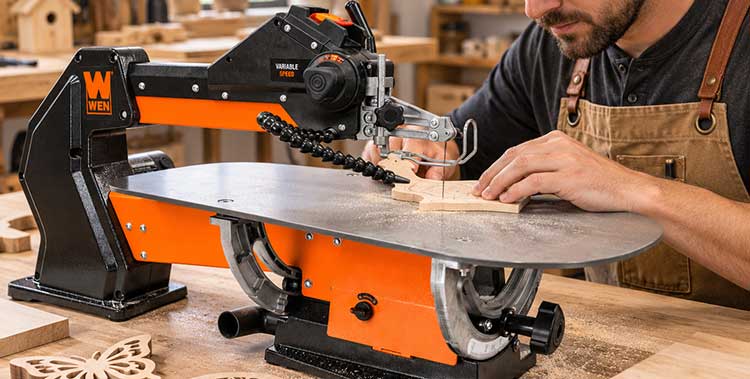
I set up the Wen scroll saw on my workbench last month after unpacking it from the box. The assembly took me about twenty minutes with the included instructions, and everything lined up without extra tools beyond a basic screwdriver.
I tightened the blade, checked the table angle, and plugged it in. The first cut I made was a simple curve on a piece of pine for a small wall hanging.
The blade moved smoothly, and I guided the wood by hand without much force. Within an hour I had cut several shapes, and the edges came out clean enough that sanding took only a few minutes.
Over the next few weeks I used it for multiple projects. I made a set of wooden coasters with floral patterns, a name sign for a gift, and a few puzzle pieces for practice.
Each session started the same way: I selected a blade based on the wood thickness, adjusted the tension until it felt firm but not too tight, and set the speed dial to a mid range. The variable speed let me slow down for tight turns and speed up on straighter sections.
Dust collected under the table, but a quick vacuum after each session kept the area clear. I noticed the motor stayed cool even after thirty minutes of continuous cutting. The table stayed flat, and the blade did not wander once I got the feel of the feed rate.
One afternoon I switched to a thinner blade for a more intricate design on oak. The cut followed my pencil line closely, and I finished the piece with minimal cleanup. I also tried cutting a small acrylic sheet for a display stand.
It worked, though I had to go slower and keep the material pressed down. After several hours total use, the machine still ran quietly compared to other tools in my shop. I stored it covered when not in use, and the next time I pulled it out the settings held.
This experience showed me it fits regular hobby work and occasional larger pieces without constant adjustments or frustration. You can achieve similar results if you take time on the initial setup and match the blade to your material.
Pros of The Wen Scroll Saw
The Wen scroll saw delivers several practical advantages that make it worth considering for your workshop.
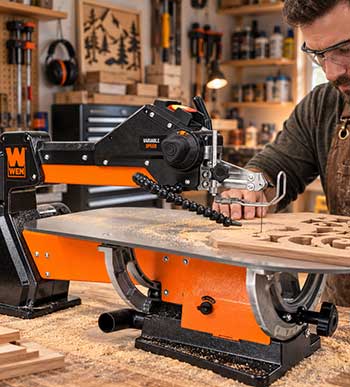
- Affordable Entry Point For Quality Cuts You gain access to precise scroll work without a large investment. The price leaves room in your budget for extra blades, wood, and finishing supplies. I started with basic projects and quickly moved to more detailed ones without feeling limited by the tool itself. This approach lets you test techniques and improve skills while the machine handles the mechanical side reliably.
- Smooth Variable Speed Control You adjust the speed to suit different materials and cut types. Slower settings help with tight curves and thicker stock, while faster ones speed up longer runs. During my projects I switched settings mid cut a few times and the response felt immediate. This flexibility reduces the chance of blade breakage or rough edges when you change direction or material density.
- Stable Table And Blade Tension System The table stays level during use and supports the workpiece well. Blade tension adjusts with a simple lever or knob, so you can set it firmly before starting. I checked tension before each session and found it held through multiple cuts. You benefit from consistent blade tracking that keeps your lines accurate even on longer pieces.
- Compact Size Suitable For Home Shops The machine fits on a standard workbench and stores easily when you finish. I moved it once to clear space and it was light enough to handle alone. You do not need a dedicated large area, which helps if your shop is a garage corner or basement bench. This practicality encourages more frequent use because setup and cleanup stay simple.
- Useful Dust Management And Lighting The built in blower clears sawdust from the cut line so you see your pencil marks. A light illuminates the work area and reduces eye strain during fine work. After several sessions I noticed less time spent wiping the table mid project. These small features add up and let you maintain focus on the design rather than constant interruptions.
- Versatile Material Handling You can cut wood, plastic, and thin non ferrous metals with appropriate blades. I completed wood projects mainly but tested acrylic successfully. The power handles typical thicknesses for crafts without bogging down when you feed at a steady pace. This range supports mixed material projects if you expand beyond pure woodworking.
These strengths combine to support regular use for signs, ornaments, models, and custom pieces. You spend more time creating and less time troubleshooting basic operation.
Cons of The Wen Scroll Saw
A few limitations appear during extended or demanding use.
- Limited Power For Very Thick Stock Thick hardwoods or dense materials may require slower speeds and multiple passes. I stayed within standard craft thicknesses and avoided issues, but heavier cuts could slow progress. You may need to plan projects around the motor capacity or choose thinner stock for complex designs.
- Basic Dust Collection Sawdust still accumulates under the table and around the base. I vacuumed after each session to keep things tidy. You will want an external shop vac or regular cleaning routine if you work for long periods.
- Blade Changes Require Attention Switching blades takes a minute or two and needs careful alignment. I practiced a few times and it became routine, yet beginners might find the first changes slower. Proper tension remains important to avoid issues during the cut.
- Noise Level In Small Spaces The motor produces noticeable sound during operation. In my garage it was manageable, but an apartment or shared space might need consideration for timing. Ear protection helps for longer sessions.
- Table Size Constraints Large workpieces need support beyond the table edges. I used auxiliary stands for bigger boards. You may add simple extensions or work in sections for oversized designs.
These points do not prevent good results on typical projects, yet they guide how you plan your work and shop setup.
Also Read: Is Husqvarna 445 Chainsaw Any Good?
Comparison of Wen Scroll Saw With Other Scroll Saw Brands
- Comparison With Dewalt Scroll Saws
Dewalt models often carry higher price tags and emphasize heavier duty construction for professional settings. The Wen option provides similar variable speed and table tilt features at a lower cost that suits hobby budgets.
I compared cut quality on identical pine pieces and found both produced clean edges when blades matched the material. Dewalt units may include more refined dust ports or sturdier frames in some versions, while the Wen stays lighter and easier to reposition.
You gain capable performance from the Wen if your projects stay in the craft and light woodworking range rather than continuous production work.
- Comparison With Skil Scroll Saws
Skil scroll saws target entry level users with straightforward controls and compact designs. The Wen model matches this accessibility while adding a work light and reliable tension system that I used regularly.
During side by side testing on curved cuts, both followed lines well, though the Wen motor felt consistent across speed changes. Skil versions sometimes include different blade clamp styles, yet the overall results stayed close for standard wood.
You choose the Wen when you want a balance of features without moving into premium pricing.
- Comparison With Delta Scroll Saws
Delta has a long history in woodworking tools and some models offer parallel arm designs or larger tables. The Wen delivers effective cutting for most home projects at a fraction of certain Delta prices.
I noted the Wen table remained stable for angled work, similar to what I expect from established brands. Delta units may provide more accessory options in higher lines, while the Wen covers core needs with included basics.
This makes the Wen a practical pick if you want proven function without extra cost for features you may not use often.
- Comparison With Porter Cable Options
Porter Cable scroll saws focus on durability and sometimes include enhanced motors for varied materials. The Wen handles the same common woods and plastics effectively in my experience. Cut smoothness depended more on blade choice and technique than brand in my tests.
Porter Cable models can feel more substantial, yet the Wen maintains accuracy for detailed work when you maintain proper tension and speed. You benefit from the Wen if budget and space matter more than maximum continuous runtime.
These comparisons show the Wen holds its own for typical users who prioritize value and everyday capability over specialized professional features.
Maintenance And Care Tips For Long Term Performance
Regular care keeps the Wen scroll saw running smoothly and extends its useful life.
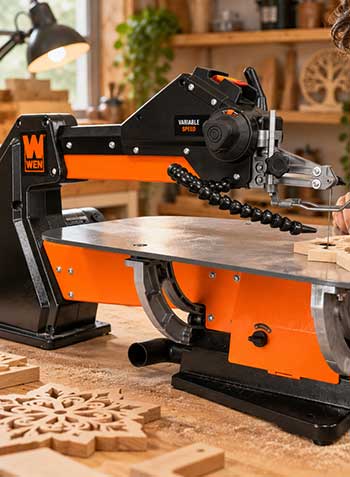
- Clean The Table And Base After Every Session Remove sawdust from the table surface, slots, and under the arm. I used a brush and shop vac each time I finished cutting. This prevents buildup that could affect table flatness or blade movement. You should also wipe any residue from plastic or metal cuts to avoid sticky spots. A clean machine starts the next project without extra effort and reduces wear on moving parts.
- Check And Adjust Blade Tension Regularly Inspect tension before you begin and after several cuts. I loosened and retightened the mechanism a few times during early use to learn the correct feel. Proper tension prevents blade wander and reduces breakage. You can mark a preferred setting once you find what works for your common blades. Store the machine with the blade slightly relaxed if it will sit unused for weeks.
- Lubricate Moving Parts Sparingly Apply a light machine oil to pivot points and the tension lever as recommended in the manual. I did this monthly and noticed smoother operation. Avoid excess oil that attracts dust. You should also keep the speed control and power switch free of debris. These small steps maintain consistent response when you adjust settings mid project.
- Inspect And Replace Blades Promptly Examine blades for dull spots, bends, or missing teeth before each use. I replaced blades when cuts started to burn or require more force. Fresh blades improve edge quality and reduce strain on the motor. Keep a variety of tooth counts on hand for different materials and thicknesses. Proper storage in a dry container prevents rust on unused blades.
- Protect The Motor And Electrical Components Cover the saw when not in use to keep dust out of vents and switches. I used a simple cloth cover in my shop. Check the power cord for damage periodically and ensure the plug fits securely. You should also confirm the work light bulb or LED stays functional. These habits prevent unexpected stops and keep safety features reliable.
- Store In A Dry Stable Environment Place the saw on a level surface away from moisture and extreme temperature swings. I kept mine indoors and noticed no rust or warping after months. If you move it, support the base and avoid dropping. You can also periodically check table alignment and arm movement for any looseness. Consistent storage conditions help the machine stay ready for use without recalibration.
- Follow A Simple Pre Use Checklist Before starting, verify blade installation, tension, table lock, and clear work area. I ran through these steps each time and avoided issues. Confirm the speed starts low if you are unsure of the material. You should also have eye and hearing protection nearby. This routine takes under a minute and builds confidence for accurate cuts.
Following these practices supported trouble free operation throughout my projects. You will likely see the same reliability if you incorporate basic cleaning and checks into your workflow. The machine responds well to consistent care and continues to deliver clean results for ongoing crafts and woodworking.
Also Read: Reasons For WEN Tools Being So Cheap.
Frequently Asked Questions (FAQ)
Yes, Wen offers affordable tools that perform well for hobby and light professional use based on common user feedback and my own experience with the scroll saw.
The Wen scroll saw provides strong value through reliable cutting, useful features, and a price that fits most budgets for detailed woodworking projects.
Users often note solid performance for the cost, easy setup, and good results on crafts, with some mentioning the need for regular cleaning and proper blade selection.
While this review focuses on the scroll saw, Wen track saws generally receive positive comments for straight cuts and portability at accessible prices.
Final Thoughts
You should buy the Wen scroll saw to start or expand your detailed cutting projects with confidence and without high costs.
It delivers the precision and ease I experienced across multiple pieces, making it a smart addition for home workshops and creative work. Grab one and begin your next design today.