
I’ve always enjoyed sparkling water as an easy upgrade from plain water that keeps hydration interesting without any guilt.
Waterloo and Bubly both promise zero calories and clean refreshment, yet they deliver noticeably different experiences in the can.
In this article I compare them directly on taste, ingredients, daily practicality, and overall value so you can figure out which one belongs in your rotation.
| Aspect | Waterloo | Bubly |
| Ingredients | Purified carbonated water, natural flavors (Non-GMO verified) | Carbonated water, natural flavor (occasional citric acid or stabilizers in some packs) |
| Calories | 0 | 0 |
| Sodium | 0 mg | 0–10 mg |
| Flavor Profile | Bold, layered, authentic fruit depth | Subtle, mild fruit hint |
| Carbonation | Lively and crisp | Average fizz |
| Standout Feature | Premium flavor blending and purified base | Wide availability and approachable mildness |
| Best Suited For | Flavor-focused sippers seeking satisfaction | Everyday grab-and-go convenience |
| Typical Price Position | Premium | More budget-friendly in multipacks |
Key Differences Between Waterloo and Bubly
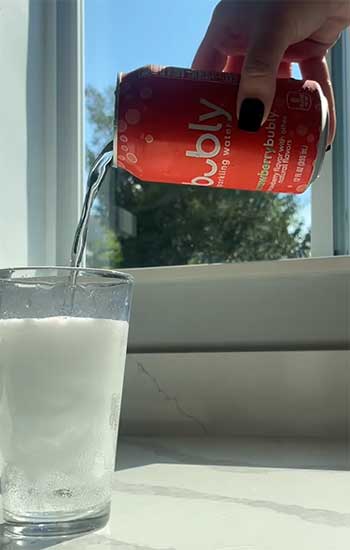
- Flavor Strength and Depth Waterloo builds its tastes with multiple layered extracts and essences, creating more complex profiles that actually taste like the fruit or combo named on the can. This shows up as longer-lasting flavor that keeps you engaged sip after sip. Bubly keeps things gentler so the fruit note sits quietly in the background. If you want a sparkling water that feels more like a treat and less like lightly scented water, Waterloo’s approach usually wins. People who prefer drinks that stay out of the way during meals or who sip slowly over hours often find Bubly’s lighter touch more comfortable. The difference becomes especially clear after you finish a few cans of each back to back.
- Base Water Quality and Minor Additives Waterloo starts with purified water, which removes variability and gives a clean, consistent canvas for the flavors. Bubly uses standard carbonated water and sometimes adds citric acid for brightness or small amounts of stabilizers depending on the production run. For anyone focused on minimal ingredients or watching every additive, Waterloo feels simpler. The practical difference in daily drinking is small for most people, but those with sensitive stomachs or strict clean-eating habits tend to notice and appreciate the extra step Waterloo takes.
- Carbonation Level and Mouthfeel Waterloo’s bubbles come across crisp and lively, giving a refreshing snap that makes the drink feel more substantial. Bubly’s carbonation sits at a middle level—pleasant but not as attention-grabbing. If you like that prickly, thirst-quenching sensation that makes you reach for the next sip, Waterloo delivers it more reliably. If you want something softer that won’t feel aggressive on an empty stomach or during long meetings, Bubly’s gentler fizz works better.
- Flavor Range and How It Holds Up Over Time Both brands offer solid variety, yet Waterloo leans into more creative combinations such as orange vanilla or black cherry with noticeable depth. Bubly sticks mostly to straightforward single-fruit names that stay predictable and crowd-pleasing. Over a week of daily drinking I found Waterloo’s bolder options kept boredom away longer. Bubly’s milder flavors felt safer for sharing with kids or coworkers who might not want anything too intense.
- Availability and How Easy It Is to Keep Stocked Bubly benefits from Pepsi’s massive distribution network, so you can usually find it at gas stations, big-box stores, and vending machines without planning ahead. Waterloo shows up more reliably in grocery chains with natural-food sections or through online orders. For spontaneous purchases or travel days, Bubly wins on convenience. For people who shop intentionally or buy in bulk online, Waterloo’s growing presence makes it easy enough to keep on hand.
- Price per Can and Long-Term Value Waterloo often sits at a slightly higher price point because of its positioning and flavor intensity. Bubly tends to cost less in larger multipacks. If you drink several cans a day, the gap adds up. However, some people find they feel more satisfied with fewer Waterloo cans because the stronger flavor delivers more enjoyment per sip. The better value depends on whether you prioritize upfront cost or satisfaction per ounce.
Key Features of Waterloo Sparkling Water

- Bold, Layered Flavor Construction Waterloo puts real effort into building tastes that feel authentic rather than one-note. They blend extracts and oils from the named fruit with complementary notes to create depth. This shows up clearly in flavors like their orange vanilla or certain berry mixes. The result is a drink that rewards slow sipping and keeps your palate interested instead of fading after the first few gulps. For anyone who has grown tired of watery-tasting seltzers, this feature alone can make Waterloo worth seeking out.
- Purified Water Base and Non-GMO Flavor Verification Starting with purified water gives a neutral foundation that lets the added flavors shine without mineral interference. The Non-GMO Project verification on the flavors adds another layer of reassurance for people who read every label. Together these details create a product that feels thoughtfully made for daily use in a healthy lifestyle.
- Zero Calories, Zero Sugar, Zero Sweeteners, and Zero Sodium The nutrition panel stays completely clean. This makes Waterloo easy to slot into keto, Whole30, low-sodium, or general calorie-conscious routines without second-guessing. You get the refreshment and flavor without any of the trade-offs that come with diet sodas or sweetened drinks.
- Lively Carbonation That Enhances Refreshment The fizz level sits at a point that feels energetic without becoming harsh. It wakes up your mouth, helps cut through richer foods, and leaves a clean finish. Many people find this style of carbonation more satisfying after exercise or during hot weather when plain water starts to feel boring.
Pros of Waterloo
- Stronger Flavor Satisfaction That Reduces Cravings Because the taste actually shows up and lingers, Waterloo tends to feel more like a complete drink experience. Many people, including me after repeated trials, find they reach for fewer cans to feel content. This can translate into better long-term adherence to healthy hydration habits compared with milder options that sometimes leave you wanting something sweeter later.
- Cleaner Perceived Profile With Purified Water and Non-GMO Flavors The emphasis on purification and verified natural flavors gives peace of mind to anyone who reads ingredient lists closely. It positions Waterloo as a step above basic sparkling waters for those building a “cleaner” pantry or fridge setup.
- More Interesting Flavor Options for Variety The creative combinations keep daily drinking from becoming monotonous. Having access to unique profiles like orange vanilla or specific berry blends means you can rotate flavors without getting bored, which supports sticking with sparkling water instead of cycling back to higher-calorie alternatives.
- Premium Feel That Elevates Everyday Moments The can design and flavor intensity give Waterloo a slightly upscale feel. Pouring one into a glass at home or taking one to a picnic can make the simple act of drinking water feel a little more special without any extra effort.
Cons of Waterloo
- Higher Price and More Limited Everyday Availability The premium positioning means you usually pay a bit more, and you may need to visit specific stores or order online to keep a steady supply. For people who buy drinks on impulse or live in areas with fewer natural-food retailers, this becomes a practical drawback.
- Bolder Flavors Can Feel Too Intense for Some Situations Not everyone wants a strong flavor in every sip. If you prefer something that stays quiet in the background or if you have a sensitive palate, Waterloo’s intensity can occasionally feel like too much, especially when paired with delicate foods or first thing in the morning.
- Smaller Distribution Network Compared With Big-Name Competitors While growing fast, Waterloo still doesn’t reach every corner store or gas station the way some other brands do. This can make it less convenient for travel or last-minute needs.
Also Read: Why Piurify Hydrogen Water Bottle Is A Must-have?
Key Features of Bubly Sparkling Water
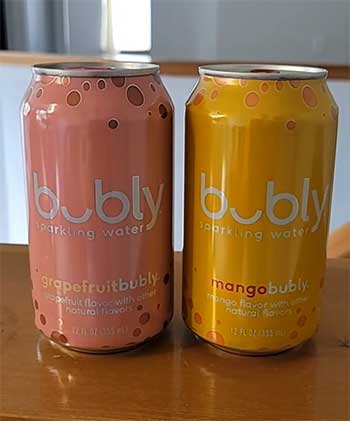
- Mild, Approachable Fruit Notes Bubly keeps flavor intensity low so the drink stays light and easy to enjoy in any setting. The hints of fruit are recognizable without ever becoming overpowering. This makes it a safe choice when you want something flavored but still neutral enough to pair with almost any food or drink throughout the day.
- Wide and Reliable Availability Thanks to Pepsi’s distribution muscle, Bubly shows up in more places than most sparkling water brands. You can grab it on road trips, at office vending machines, or during quick grocery runs without hunting. That accessibility turns it into a practical default option rather than something you have to plan around.
- Playful Branding and Easy-to-Like Flavors The bright cans and straightforward flavor names create a friendly, non-intimidating product. Flavors like strawberry or mango feel familiar and fun, which helps when introducing sparkling water to people who usually drink soda or juice. The overall vibe encourages regular use without feeling like a “health” drink.
- Consistent Zero-Calorie Hydration Like Waterloo, Bubly delivers pure refreshment with nothing caloric added. It serves as a straightforward swap for anyone trying to reduce sugar intake while still wanting something more interesting than plain water.
Pros of Bubly
- Excellent Accessibility Almost Anywhere The wide distribution network makes Bubly the easiest sparkling water to find when you’re out and about. This reliability turns it into a dependable backup that removes friction from choosing a better-for-you drink on busy days.
- Gentle Flavor That Works in Almost Any Context The mild profiles make Bubly versatile. It pairs well with meals, works for kids or guests who want light flavor, and never feels like it’s trying too hard. This flexibility increases how often you’ll actually reach for it.
- Lower Price Point in Most Multipacks Bubly often costs less per can, especially when bought in larger quantities. For households or individuals who go through a lot of sparkling water, the savings add up without sacrificing the zero-calorie benefit.
- Friendly Branding That Encourages Regular Use The colorful cans and upbeat marketing make the product feel approachable rather than medicinal. This psychological ease can help people who are new to sparkling water or trying to move away from soda stick with the habit longer.
Cons of Bubly
- Milder Flavor Can Leave You Wanting More Because the taste sits lightly, some people finish a can and still feel like they didn’t get much flavor payoff. This can lead to drinking more cans or eventually reaching for something sweeter to compensate.
- Occasional Minor Additives in Certain Formulations While many cans stay very simple, some production runs include small amounts of citric acid or preservatives. For people trying to keep every single ingredient as minimal as possible, this represents a small but real difference from stricter two-ingredient options.
- Less “Wow” Factor for Flavor Enthusiasts If you enjoy exploring interesting taste combinations and want your sparkling water to deliver noticeable character, Bubly’s restrained approach can feel a little plain after you’ve tried bolder alternatives.
Also Read: Differences Between SodaStream Gaia And Terra.
Frequently Asked Questions (FAQ)
Yes. It delivers zero calories, zero sugar, and zero artificial sweeteners while using purified water and Non-GMO natural flavors. It serves as an effective hydration tool that supports active lifestyles without adding anything you typically try to limit.
Both sit at essentially the same health level. They rely on carbonated water plus natural flavors and avoid sugar and calories. Waterloo’s purified water and Non-GMO emphasis give it a slight edge for people who prioritize those specific details, but the practical health difference for most drinkers remains negligible.
Health profiles are very close. Both provide zero-calorie refreshment with minimal ingredients. Bubly sometimes carries trace sodium or stabilizers depending on the specific can, while La Croix stays similarly simple. Choice between them usually comes down to taste preference rather than meaningful health differences.
Bubly qualifies as a healthy beverage choice in the context of everyday drinking. It offers hydration with zero calories, zero sugar, and no sweeteners, making it far better than soda or most juices. The main consideration shared with similar products is the use of natural flavors, which some people prefer to limit, but it does not make the drink unhealthy by normal nutritional standards.
Final Thoughts
After testing both side by side over multiple weeks and situations, I keep coming back to a simple takeaway. Waterloo gives you bolder flavor and a cleaner base that feels more premium and satisfying when you want something with real presence.
Bubly offers reliable mild refreshment and unbeatable convenience when you just need something easy and available. You will probably land in the same place once you try a few cans of each.
Start with the flavors that sound most appealing to you, pay attention to how the taste and fizz feel across a full can, and notice which one actually makes you reach for another. Your daily routine and personal taste priorities will point you toward the better fit.
Both options beat sugary drinks by a wide margin and make staying hydrated genuinely enjoyable.