
If you’re tired of spending endless hours brushing and rolling paint, you need to grab the Wagner Flexio 3500 right now. As someone who’s transformed my home with it, I can tell you it’s a game-changer for DIY projects.
It sprays fast, handles thick paints without thinning, and delivers professional results at home. Don’t wait—buy this sprayer and watch your painting tasks become effortless and fun.
My Experience With Wagner Flexio 3500
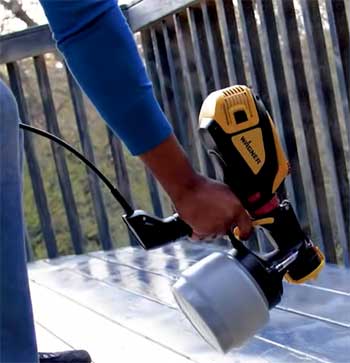
I’ve been using the Wagner Flexio 3500 for over a year now, and let me tell you, it’s become my go-to tool for everything from refreshing my living room walls to staining the backyard fence.
When I first unboxed it, I was impressed by how straightforward the setup was.
You just attach the nozzle, fill the cup with paint, plug it in, and you’re ready to go.
No complicated assemblies or tools required, which is perfect if you’re like me and prefer jumping straight into the action.
My first project was painting the kitchen cabinets. I remember mixing up a batch of latex paint, and to my surprise, I didn’t have to thin it at all thanks to the X-Boost technology. That feature alone saved me time and hassle.
As I started spraying, the adjustable settings let me control the flow precisely—low for detailed edges and high for broad coverage. The spray pattern was even, and I covered the entire set of cabinets in half the time it would have taken with a brush.
Sure, there was a bit of overspray, but masking off areas with drop cloths handled that easily.
Then, I took it outside for the deck. Switching to stain was simple; I just swapped the nozzle and adjusted the turbine power. The handheld design made it comfortable to maneuver around rails and posts without dragging hoses everywhere.
I finished the whole deck in a single afternoon, and the finish looked smooth and professional. You know that satisfying feeling when a project turns out better than expected? That’s what I got every time.
Of course, it wasn’t all perfect from the start. I overdid the pressure once and ended up with some drips, but after a couple of tries, I got the hang of keeping the sprayer at the right distance—about 8 to 10 inches from the surface.
Cleaning up afterward was straightforward too; rinsing the parts under water took maybe 15 minutes. Overall, this sprayer has made me more confident in tackling bigger jobs around the house. If you’re hesitating, just think about all the time you’ll save and the quality finishes you’ll achieve.
I’ve painted walls, furniture, and even a shed with it, and each time, it performs reliably.
Pros of Wagner Flexio 3500
The Wagner Flexio 3500 has so many strengths that make it stand out for anyone like you or me who loves DIY but hates the tedium of traditional painting. I’ve put it through its paces on various surfaces, and it consistently delivers.
- Speed and Efficiency
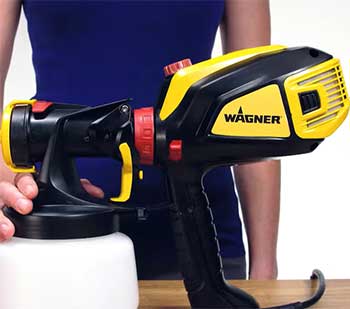
One of the biggest advantages I noticed right away is how quickly this sprayer gets the job done.
Wagner claims it sprays 10 times faster than a brush, and from my experience, that’s spot on.
When I painted an 8-by-10-foot wall in my bedroom, it took just five minutes to cover it completely.
You can imagine how that adds up for larger areas.
The turbine power pushes out paint at a steady rate, so you don’t have to go back and forth as much. For me, this meant finishing a whole room in an afternoon instead of a weekend.
If you’re working on home renovations, this efficiency lets you move on to enjoying the results sooner.
- Versatility for Different Materials
What really sold me on this model is its ability to handle a wide range of paints and stains without needing to thin them. I’ve used latex paints, enamels, and even oil-based stains straight from the can.
The X-Boost feature cranks up the power to atomize thicker materials, which saves you the mess of mixing thinners. On my outdoor projects, like staining fences, it switched seamlessly between interior and exterior modes.
You won’t find yourself limited to one type of job; it’s great for walls, cabinets, decks, and more. This versatility makes it feel like a one-tool solution for all your coating needs.
- Ease of Use for Beginners
As someone who isn’t a professional painter, I appreciate how user-friendly the Flexio 3500 is. The controls are intuitive—a dial for power levels and a trigger for flow control. I didn’t need to read the manual extensively; after a quick setup, I was spraying like a pro.
The lightweight design, about 10% lighter than older models, reduces fatigue during long sessions. You can hold it comfortably without your arm tiring out too quickly. Plus, the adjustable spray patterns—horizontal, vertical, or round—let you tailor it to the task. For detailed work around trim or broad strokes on siding, it adapts effortlessly.
- Professional-Quality Finish
Every time I use this sprayer, the results look smooth and even, rivaling what you’d get from hiring someone. The HVLP technology minimizes overspray while ensuring good coverage, so you end up with fewer drips and runs.
I sprayed my garage door, and it came out with a factory-like finish—no brush marks or roller textures. You might think high-quality results require expensive gear, but this affordable option proves otherwise. It’s especially satisfying when friends comment on how polished your projects look.
- Portability and Convenience
Carrying this around is a breeze since it’s handheld and corded but with a decent length for most spaces. I’ve lugged it from room to room without hassle, and the integrated storage for nozzles keeps everything organized.
You don’t need a massive setup like with some stationary sprayers; just grab it and go. For outdoor work, it handles wind better than I expected, as long as you adjust the settings. This convenience means more spontaneous projects without planning around heavy equipment.
- Cost-Effectiveness
Compared to renting professional tools or buying pricier brands, the Flexio 3500 offers great value. I’ve saved money on labor by doing jobs myself, and the durable build suggests it’ll last for years. Accessories like extra nozzles are affordable and easy to find.
If you’re budgeting for home improvements, this sprayer pays for itself after a few uses by cutting down on time and materials wasted from poor application.
Cons of Wagner Flexio 3500
While I love my Wagner Flexio 3500, it’s not without flaws. I’ve encountered a few issues that you should know about before diving in.
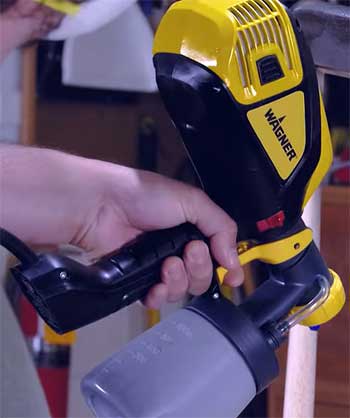
- Noise Level: This thing is loud—like a small vacuum cleaner running constantly. When I use it indoors, the turbine hum fills the room, making it hard to chat or listen to music. You might need ear protection for extended sessions, especially if you’re sensitive to noise. Outdoors, it’s less noticeable, but in confined spaces, it can be grating.
- Limited for Large Projects: If you’re tackling massive areas like an entire house exterior, this sprayer might not be ideal. It’s designed for handheld use, so holding it for hours leads to fatigue, even with its lighter weight. I’ve found it best for medium-sized jobs; for bigger ones, you’d want something with a longer hose or stand. You could end up needing breaks more often than with stationary models.
- Cleanup Time: Cleaning isn’t as quick as I’d like sometimes. After each use, you have to disassemble and rinse parts thoroughly to avoid clogs. With oil-based paints, it takes extra steps with solvents. I once rushed it and had residue buildup, which affected the next spray. You need to plan for 15-30 minutes of cleanup to keep it in top shape.
- Short Power Cord: The cord length limits mobility without an extension. In larger rooms, I’ve had to reposition outlets or use cords, which can be annoying. You might trip over it if not careful, especially on uneven surfaces outdoors.
- Overspray Management: Even with HVLP tech, overspray happens, particularly if you’re new to it. I masked off areas extensively at first to avoid mist on floors or furniture. You have to practice technique to minimize waste, and in windy conditions outside, it can get messy.
- Price Point: It’s pricier than basic handheld sprayers, so if you’re on a tight budget for occasional use, you might question the investment. While I think it’s worth it, some cheaper options could suffice for simple tasks.
These drawbacks haven’t stopped me from using it regularly, but they’re worth considering based on your needs. The noise and cleanup add to the effort, and for huge projects, it might not scale well.
Maintenance Tips For Wagner Flexio 3500
Keeping your Wagner Flexio 3500 in good condition is key to its longevity, and I’ve learned a few tricks through trial and error. Regular care ensures it performs like new every time.
- Daily Cleaning Routine
After every use, I make it a habit to clean the sprayer immediately. Start by emptying any remaining paint back into the can. Then, fill the cup with warm water (or solvent for oil-based) and spray it through until clear.
Disassemble the nozzle, front end, and cup, rinsing each under running water. Use the provided brush for stubborn spots. You should dry everything thoroughly before storing to prevent rust or mold. This routine takes about 15 minutes but saves headaches later.
- Deep Cleaning for Buildup
Every few uses, especially with thicker materials, I do a deeper clean. Soak the nozzle and pickup tube in a bucket of soapy water overnight if needed. For clogs, gently use a soft wire or the cleaning brush—never force it.
I’ve found that flushing with mineral spirits for oil paints works wonders. You can avoid most issues by not letting residue dry; always clean while wet. Check the filter regularly and replace if it’s gunked up.
- Storage Practices
Store the sprayer in a dry, dust-free area. I keep mine in its original box with parts separated to avoid damage. Lubricate moving parts lightly with silicone spray occasionally. If you’re not using it for months, run a bit of pump protector through it.
You want to ensure the turbine stays clean; cover the intake when stored.
- Nozzle Care
The nozzles are crucial, so handle them gently. After cleaning, inspect for wear—cracks or blockages mean replacement time. I alternate between the iSpray for broad coverage and Detail Finish for precision, cleaning each separately.
Use distilled water for rinsing to minimize mineral deposits if your tap water is hard.
- Troubleshooting Common Issues
If the spray is uneven, check for clogs first. I once had sputtering from air bubbles; bleeding the line by spraying upside down fixed it. For motor issues, ensure the cord isn’t damaged.
You can extend life by not overworking it—take breaks during long jobs to prevent overheating.
- Accessory Maintenance
Extra cups and nozzles need the same attention. Wash them right after use and store dry. I’ve bought spares to rotate, reducing wear on any one piece. Regularly inspect seals and gaskets for cracks; replace as needed to avoid leaks.
Also Read: Comparison of Graco Ultra And TC Pro Airless Paint Sprayers.
Comparison of Wagner Flexio 3500 With Other Brands
When I was shopping for a paint sprayer, I looked at several brands before settling on the Wagner Flexio 3500. Here’s how it stacks up analytically against competitors, based on my research and some hands-on trials with friends’ tools.
- Wagner Flexio 3500 Vs. Graco Magnum X5
The Graco Magnum X5 is a solid airless sprayer, great for pros handling big jobs. I tried one on a neighbor’s fence project, and it powered through thick paints effortlessly with its piston pump.
However, it’s bulkier and requires more setup, like priming the hose, which took us extra time. In contrast, my Flexio 3500 is handheld and ready in seconds, ideal for quick DIY tasks. Graco excels in durability for frequent use, but it’s pricier—often double the cost—and louder in operation.
For me, the Wagner’s portability wins for home use, though if you’re a contractor, Graco’s power might justify the expense. You get better coverage on large surfaces with Graco, but Wagner’s HVLP reduces waste on smaller areas.
- Wagner Flexio 3500 Vs. HomeRight Finish Max
HomeRight’s Finish Max is a budget option I considered for its low price. A friend let me borrow theirs for a small cabinet job, and it worked decently for thin paints but struggled with unthinned latex, requiring dilution every time.
The Flexio 3500, with X-Boost, handles thick materials straight away, saving prep time. HomeRight is lighter and quieter, but its build feels cheaper—plastic parts wore out faster in my friend’s experience.
Wagner offers more adjustable settings for precision, making it versatile for interiors and exteriors. If you’re just starting with minimal investment, HomeRight could suffice, but for reliable performance across projects, I’d stick with Wagner. You notice the difference in finish quality; Wagner’s is smoother without as much orange peel effect.
- Wagner Flexio 3500 Vs. Titan ControlMax 1700
Titan’s ControlMax 1700 is another airless model I researched extensively. It’s powerful for professional-grade jobs, with a longer hose allowing freedom without carrying the unit. When I helped a buddy paint his garage with it, the even application on rough surfaces impressed me.
However, it’s heavier and needs more maintenance, like regular tip changes to avoid clogs. My Flexio 3500 is simpler for casual users, with easier cleanup and no hose to manage. Titan costs more upfront and in accessories, but it handles high-volume work better.
For DIYers like us, Wagner’s ease outweighs Titan’s power unless you’re doing commercial-scale painting. You might prefer Titan for speed on exteriors, but Wagner’s compact design fits better in home settings.
- Wagner Flexio 3500 Vs. Fuji Spray Mini-Mite 3
Fuji’s Mini-Mite 3 is a high-end HVLP system I looked into for its turbine strength. It’s quieter than Wagner and produces a finer mist, which I experienced at a demo workshop—perfect for furniture finishing without overspray.
But it’s significantly more expensive, often three times the price, and requires a separate hose setup. The Flexio 3500 integrates everything handheld, making it more convenient for quick jobs. Fuji’s build is premium, with metal components lasting longer, but Wagner’s plastic holds up well for occasional use.
If you’re into woodworking details, Fuji shines, but for general home painting, Wagner’s affordability and simplicity make it more practical. You trade some refinement for ease with Wagner.
Also Read: Comparison of Avanti And Graco Paint Sprayers.
Frequently Asked Questions (FAQ)
No, it handles most unthinned paints and stains.
Yes, its adjustable settings provide smooth finishes on cabinets.
It depends; Wagner is more affordable and portable for DIY, Graco offers higher power for pros.
Yes, it’s reliable for home projects with even coverage and easy use.
Wrapping Up
In wrapping up, the Wagner Flexio 3500 has proven itself as an essential tool in my DIY arsenal. Its speed, versatility, and ease make painting enjoyable rather than a chore.
If you’re ready to elevate your home projects, buy this sprayer today—you won’t regret the professional results it delivers effortlessly.