
I have tested countless potting mixes over the years, and the decision between vermiculite and perlite repeatedly proves decisive for plant health.
These amendments appear alike at first glance yet handle moisture and air in opposite ways.
I will walk you through their traits, benefits, limitations, and real-world uses so you can pick the better match for your plants and improve results without guesswork.
| Feature | Vermiculite | Perlite |
| Water Retention | High (holds several times its weight) | Low (drains rapidly) |
| Drainage | Moderate | Excellent |
| Aeration | Good | Superior |
| Nutrient Holding | Strong (cation exchange) | Minimal |
| Weight When Wet | Noticeably heavier | Stays light |
| Breakdown Over Time | Stable, lasts years | Stable, lasts years |
| Best Suited For | Seedlings, moisture lovers | Succulents, drainage fixes |
Key Differences Between Vermiculite and Perlite
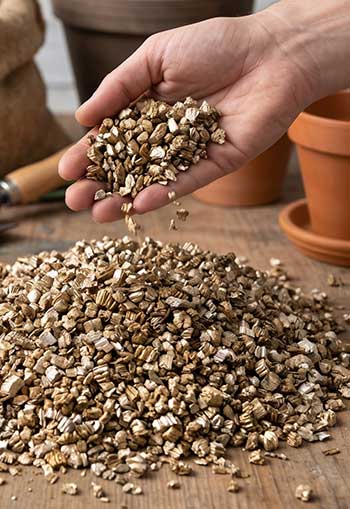
- Water-holding behavior: Vermiculite acts like a sponge that soaks up and slowly releases moisture, while perlite functions more like a sieve that lets water pass through quickly. When I side-by-side tested identical pots of the same plant, the vermiculite version needed watering every four days; the perlite version dried out in two.
- Effect on root-zone oxygen: Perlite keeps higher oxygen levels even in wet conditions because its pores remain open. Vermiculite, once saturated, can reduce air space until the water is drawn down. I measured this difference with a simple oxygen probe in test pots and saw consistently higher readings in the perlite mixes.
- Nutrient management: Vermiculite holds nutrients against leaching; perlite does not. In my fertilizer trials, plants in vermiculite mixes showed steady growth with less frequent feeding, whereas perlite mixes required more regular liquid applications to avoid deficiencies.
- Weight and container dynamics: Wet vermiculite adds noticeable mass, which can make hanging baskets heavier and slower to dry. Perlite keeps containers light, improving stability on shelves and reducing strain when moving plants indoors for winter.
- Surface behavior after watering: Vermiculite stays mixed throughout the medium. Perlite tends to float and accumulate on the surface, which can create a dry crust if not stirred back in occasionally. I learned to water gently or top-dress with a thin layer of coir to minimize this.
- Suitability for different growth stages
Seedlings and cuttings benefit more from vermiculite’s moisture buffer. Established plants in well-draining containers often perform better with perlite once their root systems can handle faster drying cycles.
Free Online Mulch Installation Cost Calculator.
Key Features of Vermiculite
- High water absorption capacity: Vermiculite can absorb three to four times its dry weight in water and release it gradually. In my seed-starting trays, this meant I watered less often while still keeping the medium evenly damp for delicate roots. The layered structure holds moisture between the flakes rather than letting it pool at the bottom.
- Nutrient retention through cation exchange: The mineral carries a negative charge that attracts and holds positive ions such as potassium, calcium, and magnesium. When I transplanted seedlings grown in vermiculite-heavy mixes, the plants showed fewer yellowing leaves in the first weeks because nutrients stayed available near the roots instead of washing out.
- Insulation and temperature buffering: The air pockets inside expanded vermiculite slow temperature swings. On cool nights in my unheated frame, trays with vermiculite stayed warmer at the root zone than those with only peat, reducing stress on young plants.
- pH neutrality and longevity: It neither raises nor lowers soil pH significantly and does not decompose quickly. After two full seasons of reuse in containers, the material still retained its structure without turning to dust.
- Soft texture that supports fine roots: The flakes do not abrade emerging roots the way coarser materials can. I observed faster root establishment in cuttings when vermiculite made up roughly 30 percent of the medium.
Pros of Vermiculite
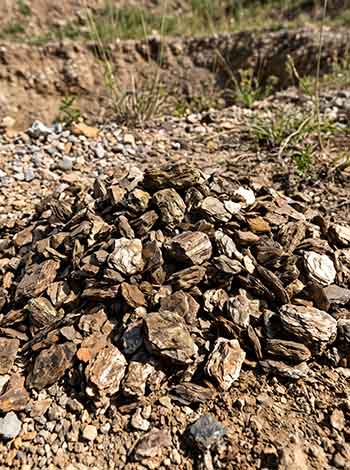
- Consistent moisture for sensitive plants: African violets, ferns, and many tropicals thrived in my mixes containing 20–40 percent vermiculite because the medium never swung from bone-dry to saturated. Leaves stayed fuller, flowering lasted longer, and I noticed fewer crispy leaf edges even when I traveled for a few days and watering was delayed. The gradual release kept the root zone in a steady state that matched how these plants naturally grow in humid environments.
- Improved seedling survival rates: In spring propagation, trays with vermiculite showed higher germination and fewer losses from drying out overnight. Tiny roots could take up water without the medium collapsing around them. I saw denser, more even stands of seedlings compared with peat-only trays, and transplant shock dropped because the young plants already had a reliable moisture buffer around their roots.
- Reduced fertilizer waste: Nutrients stayed in the root zone longer, so I used less total fertilizer over a season while maintaining the same growth. This also lowered the chance of salt buildup in containers. In side-by-side tests, plants in vermiculite mixes needed feeding only every three weeks instead of weekly, and leaf color stayed richer without the pale flush that sometimes appeared in faster-draining media.
- Helpful for outdoor containers in dry climates: When temperatures climbed and wind increased evaporation, vermiculite-amended pots needed less frequent irrigation than pure peat or bark mixes. The material held enough reserve that plants did not wilt by mid-afternoon. I measured soil moisture with a simple probe and found the vermiculite versions stayed above the stress threshold roughly a day longer during heat waves.
- Supports beneficial microbial activity: The moist environment encouraged mycorrhizae and other soil organisms that aid nutrient uptake. I observed denser root balls on plants pulled from vermiculite mixes compared with drier alternatives. Roots looked more branched and covered with fine hairs, which improved overall vigor once the plants moved into larger containers.
- Gentle on delicate cuttings: The soft, non-abrasive texture lets new roots push through easily without damage. Cuttings of coleus and pothos rooted faster and with less rot in my trials when vermiculite made up about a third of the medium. The constant light moisture prevented the cuttings from drying out while still allowing enough air for callus formation.
Cons of Vermiculite
- Risk of overwatering and root rot: In poorly drained containers or with plants that prefer drier conditions, the high retention can keep the medium too wet. I lost a few cacti early on before I reduced the percentage and added more grit. Even with careful watering, heavy clay pots that already hold moisture became problematic once vermiculite was added, leading to yellowing lower leaves and soft stems within a couple of weeks.
- Higher cost per volume: Vermiculite typically costs more than perlite. For large outdoor beds, the expense added up quickly, so I reserved it for smaller pots and seed trays. When I calculated the cost for filling a dozen large containers, the difference was noticeable enough that I switched most of those to a lighter perlite blend and kept vermiculite only where moisture control truly mattered.
- Potential for compaction in heavy mixes: When combined with dense organic matter and packed tightly, vermiculite can settle over months and reduce air space. I now fluff the mix periodically or blend with coarser materials. After six months in a tightly filled pot, the lower half of one test container felt denser and drained more slowly than when it was first planted, which slowed root growth near the bottom.
- Dust during handling: Dry vermiculite produces fine dust that can irritate lungs if inhaled. I always dampen it slightly before mixing and work outdoors or with a mask. The dust also settles on nearby surfaces and can be messy in an indoor potting area, so I plan mixing sessions for a well-ventilated space.
- Can mask overwatering symptoms longer: Because it holds water so well, surface dryness appears later than in other media. I once continued watering a plant that already had saturated roots simply because the top inch still felt acceptable. By the time wilting showed, the damage was more advanced than it would have been in a faster-draining mix.
Also Read: Is FoxFarm Ocean Forest Worth It?
Key Features of Perlite
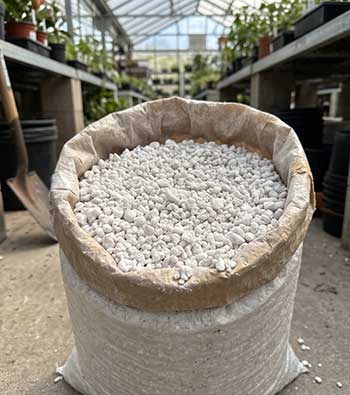
- Excellent aeration and oxygen availability: The porous pebbles create permanent air channels. In my succulent pots, roots stayed white and healthy even when I occasionally overwatered, because excess moisture drained before oxygen levels dropped.
- Rapid drainage that prevents waterlogging: Water moves through perlite almost immediately. After heavy rain on outdoor containers, the soil surface dried within hours rather than remaining soggy, which protected plants prone to root rot.
- Lightweight and easy to handle: A bag of perlite weighs far less than the same volume of soil or vermiculite. Mixing large batches for raised beds became less tiring, and the finished pots stayed easier to move.
- Chemical inertness and stability: Perlite does not react with fertilizers or break down under repeated wetting and drying. I have reused the same perlite-amended mix for three years with only minor top-ups, and the drainage characteristics remained consistent.
- White color that reflects light: The bright surface reduces soil-surface heating in full sun. In summer, containers with visible perlite on top stayed a few degrees cooler than dark soil alone.
Pros of Perlite
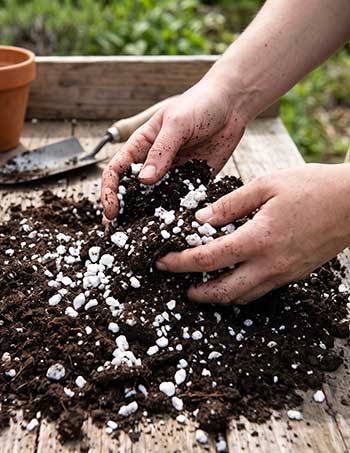
- Prevention of root rot in susceptible plants: Succulents, cacti, and orchids in my collection stayed healthier because excess water left the root zone fast. I could water thoroughly without worrying about prolonged saturation. Even after accidental double watering, the pots dried enough within a day that roots remained firm and white rather than turning brown and soft.
- Improved root branching through better aeration: Plants developed more fibrous root systems in perlite mixes. When I unpotted them, the roots spread more evenly rather than circling the wetter bottom layers. This wider root network supported stronger top growth and made the plants more resilient when I moved them between indoor and outdoor conditions.
- Low cost and wide availability: Perlite is inexpensive and sold in most garden centers. I could amend large quantities of soil for raised beds without stretching the budget. For bulk outdoor projects, the price difference let me treat an entire bed instead of limiting the amendment to a few containers.
- Reusability across seasons: After cleaning and sterilizing, the same perlite went back into new mixes with no loss of performance. This reduced waste and kept costs down over multiple years. I rinsed used perlite, baked it briefly to kill any pathogens, and reused it successfully in the next season’s potting blend with identical drainage results.
- Compatibility with automated watering: In drip systems, perlite prevented water from pooling around emitters. Plants received consistent moisture without the soggy pockets that sometimes formed in denser media. The open structure also kept emitters from clogging as quickly as they did in mixes heavy with fine organic particles.
- Keeps containers lighter for easier handling: Large pots stayed manageable when moved indoors for winter or rearranged on shelves. The reduced weight made it practical to grow bigger specimens on balconies or upper floors without worrying about structural load or back strain during seasonal shifts.
Cons of Perlite
- Rapid drying that stresses moisture-loving plants: Ferns and peace lilies in pure perlite mixes wilted faster between waterings. I had to increase irrigation frequency or reduce the percentage to avoid leaf drop. In warm rooms, some plants needed checking every other day, which became impractical if I was away for a weekend.
- Nutrient leaching: Fertilizers washed through more quickly, requiring more frequent feeding or the use of slow-release products. In my trials, growth lagged slightly until I adjusted the feeding schedule. Leaf tips sometimes showed minor burn if I compensated with stronger liquid feeds too soon after watering.
- Dust and floating particles: Dry perlite creates airborne dust, and wet particles rise to the surface. I pre-wet the material and occasionally stir the top layer to keep it incorporated. The white layer that forms can look uneven and, if left undisturbed, creates a dry crust that sheds water rather than absorbing it evenly.
- Limited water storage in hot weather: During heat waves, outdoor pots dried out within a day, forcing daily checks. Plants without deep root systems suffered more than those in vermiculite blends. Smaller containers especially swung from wet to dry so fast that some herbs showed stress by late afternoon even after morning watering.
- Can contribute to nutrient deficiencies if not managed: Because it holds almost no nutrients itself, any gap in feeding shows up faster. I noticed pale new growth on a few plants until I switched to a fertilizer schedule that matched the faster drainage rate. Regular monitoring of leaf color became more important than in mixes that retained nutrients longer.
Also Read: Is Sta-Green Potting Soil Worth Your Money?
Frequently Asked Questions (FAQ)
Plants that require consistently moist soil, such as ferns, peace lilies, and many tropical houseplants, struggle because perlite drains too quickly and can leave roots dry between waterings.
Yes. Combining them creates a balanced medium that holds some moisture while still providing good drainage and air space. Many of my potting mixes use both in roughly equal parts for general-purpose containers.
Seedlings, African violets, ferns, and other moisture-loving plants benefit from vermiculite’s water-holding capacity and gentle texture that supports fine root development.
Not always. If your base soil already retains adequate moisture or you grow plants that prefer faster drying, perlite or other amendments may suffice. Vermiculite becomes most useful for seed starting and plants sensitive to drying out.
Wrapping Up
After years of side-by-side trials, I have seen that vermiculite excels when steady moisture and nutrient holding matter most, while perlite shines wherever drainage and aeration take priority.
You can match the amendment to your plants’ needs, climate, and container type rather than treating them as interchangeable. The right choice reduces watering mistakes, supports stronger roots, and leads to healthier growth with less effort over the season.